Singer LaMonte McLemore, a founding member of vocal group The 5th Dimension, whose smooth pop and soul sounds with a touch of psychedelia brought them big hits in the 1960s and ’70s, has died. He was 90.
McLemore died Tuesday at his home in Las Vegas surrounded by family, his representative Jeremy Westby said in a statement. He died of natural causes after having a stroke.
The 5th Dimension had broad crossover success and won six Grammy Awards including record of the year twice, for 1967’s “Up, Up and Away” and 1969’s “Aquarius/Let the Sunshine In.” Both were also top 10 pop hits, with the latter, a mashup of songs from the musical “Hair,” spending six weeks at No. 1.
McLemore had a parallel career as a sports and celebrity photographer whose pictures appeared in magazines including Jet.
Born in St. Louis, McLemore served in the Navy, where he worked as an aerial photographer. He played baseball in the Los Angeles Dodgers’ farm system and settled in Southern California, where he began making use of his warm bass voice and skill with a camera.
He sang in a jazz ensemble, the Hi-Fi’s, with future 5th Dimension bandmate Marilyn McCoo. The group opened for Ray Charles in 1963 but broke up the following year.
McLemore, McCoo and two of his childhood friends from St. Louis, Billy Davis Jr. and Ronald Towson, later formed a singing group called the Versatiles. They also recruited Florence LaRue, a schoolteacher McLemore met through his photography, to join them. In 1965 they signed to singer Johnny Rivers’ new label, Soul City Records, and changed their name to The 5th Dimension to better represent the cultural moment.
Their breakthrough hit came in 1967 with the Mamas & the Papas’ song “Go Where You Wanna Go.”
That same year they released the Jimmy Webb-penned “Up, Up and Away,” which would go to No. 7 on the Billboard Hot 100 and win four Grammys: record of the year, best contemporary single, best performance by a vocal group and best contemporary group performance.
In 1968 they had hits with a pair of Laura Nyro songs, “Stoned Soul Picnic” and “Sweet Blindness.”
1969 brought the peak of their commercial success with “Aquarius/Let the Sunshine In,” which along with its long run at No. 1 won Grammys for record of the year and best contemporary vocal performance by a group.
That same year they played the Harlem Cultural Festival, which has become known as the “Black Woodstock.” The festival, and The 5th Dimension’s part in it, were chronicled in the 2021 documentary from Ahmir “Questlove” Thompson, “ Summer of Soul.”
The 5th Dimension also had a rare level of success with white audiences for a group whose members were all Black. The phenomenon came with criticism.
“We were constantly being attacked because we weren’t, quote, unquote, ‘Black enough,’” McCoo said in “Summer of Soul.” “Sometimes we were called the Black group with the white sound, and we didn’t like that. We happened to be artists who are Black, and our voices sound the way they sound.”
The group had hits into the 1970s including “One Less Bell to Answer,” “(Last Night) I Didn’t Get to Sleep at All” and “If I Could Reach You.”
They became regulars on TV variety shows and performed at the White House and on an international cultural tour organized by the State Department.
The original lineup lasted until 1975, when McCoo and Davis left to make their own music.
“All of us who knew and loved him will definitely miss his energy and wonderful sense of humor,” McCoo and Davis, who married in 1969, said in a statement.
LaRue said in her own statement that McLemore’s “cheerfulness and laughter often brought strength and refreshment to me in difficult times. We were more like brother and sister than singing partners.”
McLemore is survived by his wife of 30 years, Mieko McLemore, daughter Ciara, son Darin, sister Joan and three grandchildren.
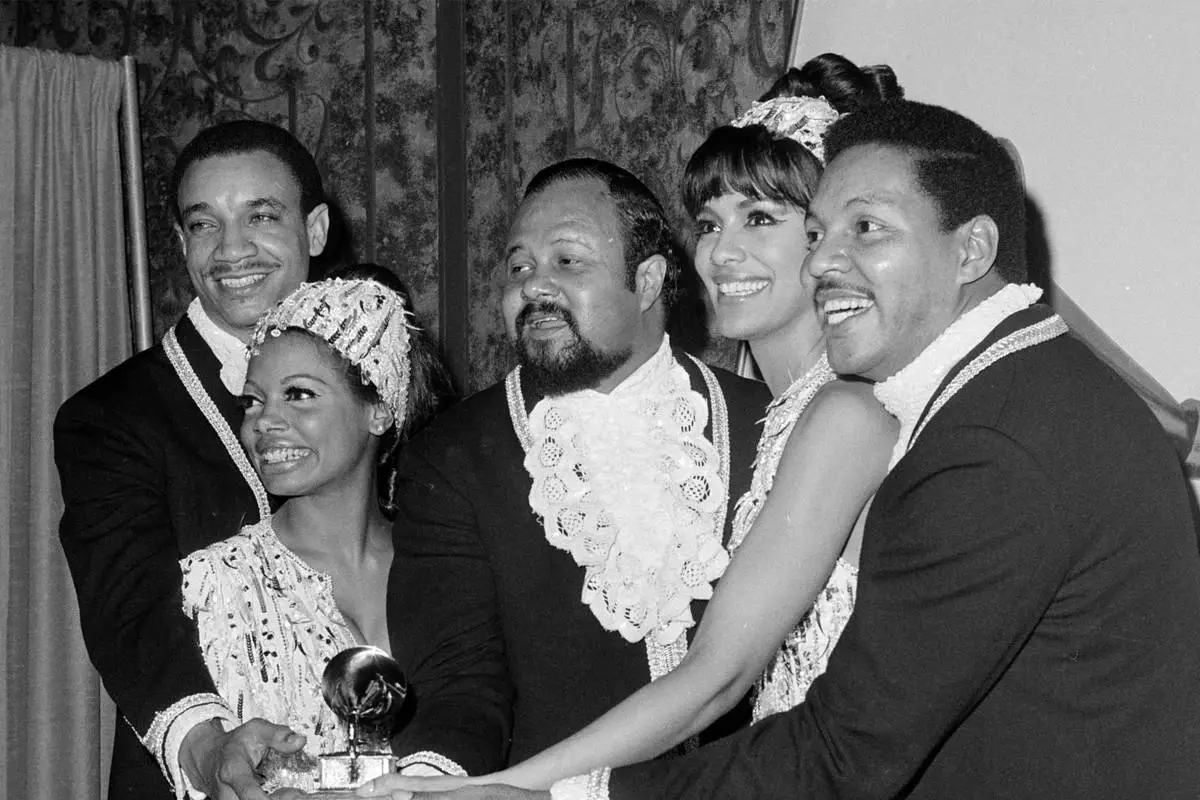
FILE - Members of the Fifth Dimension, from left, LaMonte McLemore, Florence LaRue, Ron Townson, Marilyn McCoo, and Billy Davis, Jr., pose with their Grammy Award in Los Angeles on Feb. 29, 1968. (AP Photo/Harold P. Matosian, File)
Iran fired missiles at Israel and some Gulf nations while explosions could be heard around Tehran and the central Iranian city of Isfahan on Friday, as the United States prepared to further reinforce its already significant military forces in the Middle East.
As the war that began Feb. 28 was to enter its sixth week, Israel, Bahrain, Kuwait warned about incoming missile fire, although it was unclear if anything was struck. Activists reported strikes around Tehran and the central city of Isfahan but it wasn’t immediately clear what was hit.
Iran’s attacks on Gulf region energy infrastructure and its tight grip on the Strait of Hormuz, through which a fifth of the world’s oil and natural gas transits in peacetime, has sent oil prices skyrocketing.
Oil prices surged while Asian financial markets rose moderately during cautious trading. Benchmark U.S. crude rose 11.4% to $111.54 a barrel. The price of Brent crude, the international standard, jumped 7.8% to $109.03 per barrel.
U.S. President Donald Trump said U.S. forces will keep hitting Iran “very hard” in the next two or three weeks.
The largest American aircraft carrier in service sailed out of Split, in Croatia and “remains poised for full mission tasking in support of national objectives in any area of operation,” the Navy’s 6th Fleet announced.
It was unclear where it was going. The USS Abraham Lincoln remains in the Arabian Sea and the USS George H. W. Bush aircraft carrier departed Norfolk on Wednesday to head to the Mideast.
Here is the latest:
Oil prices continued to surge on worries of a prolonged Iran war but the Asian markets that were open Friday rose moderately in cautious trading, while others were closed for the Good Friday holidays.
Benchmark U.S. crude rose 11.4% to $111.54 a barrel. The price of Brent crude, the international standard, jumped 7.8% to $109.03 per barrel.
The U.S. only relies on the Persian Gulf for a fraction of the oil it imports, but oil is a commodity and prices are set in a global market.
The situation is very different in Asia. Japan, for example, relies on access to the Strait of Hormuz for much of the nation’s oil import needs and would need to rely on alternative routes. But some analysts say Japan and oher nations are counting on an agreement with Iran to allow transports.
Japan’s benchmark Nikkei 225 gained 0.9% in Friday morning trading to 52,938.62. South Korea’s Kospi jumped 2.1% to 5,344.41. The Shanghai Composite sank 0.5% to 3,899.57. Trading was closed in Hong Kong, Singapore, Australia, New Zealand, the Philippines, Indonesia and India.
Wall Street, where trading is closed Friday, finished its first winning week since the start of the Iran war, although trading started out with a decline driven by a surge in oil prices.
Bangladesh is curtailing office hours and enforcing early closure of malls and shops beginning Friday to handle its energy crisis related to the war.
The country’s cabinet ordered 30% spending cuts for fuel and power at government offices, suspended some staff training and stopped purchases of new vehicles, ships and aircraft. Decorative lighting will not be allowed for celebrations.
Bangladesh, a nation of more than 170 million people, is seeking alternative fuel sources and $2.5 billion in external financing for imports, which account for 95% of its fuel.
Australian Energy Minister Chris Bowen on Friday urged motorists getting away for a long weekend during the Easter holiday to fill up in cities because most of the nation’s fuel shortages are in rural areas.
Among 2,400 gas stations in New South Wales, Australia’s most populous state, 182 had run out of diesel by Friday.
In Australia’s second-most populous state, Victoria, 76 gas stations were out of diesel. In the remaining states ranked by the most populous first, Queensland had 75 stations without diesel, Western Australia had 37, South Australia had 28 and in Tasmania there were seven.
“For those Australians planning a road trip this weekend, given our shortages are predominantly in rural and regional Australia, it makes sense to fill up in the city to help the country if you can,” Bowen said in Sydney.
The government, which blamed regional shortages on panic buying and distribution problems, is concentrating on delivering fuel to farmers for planting crops.
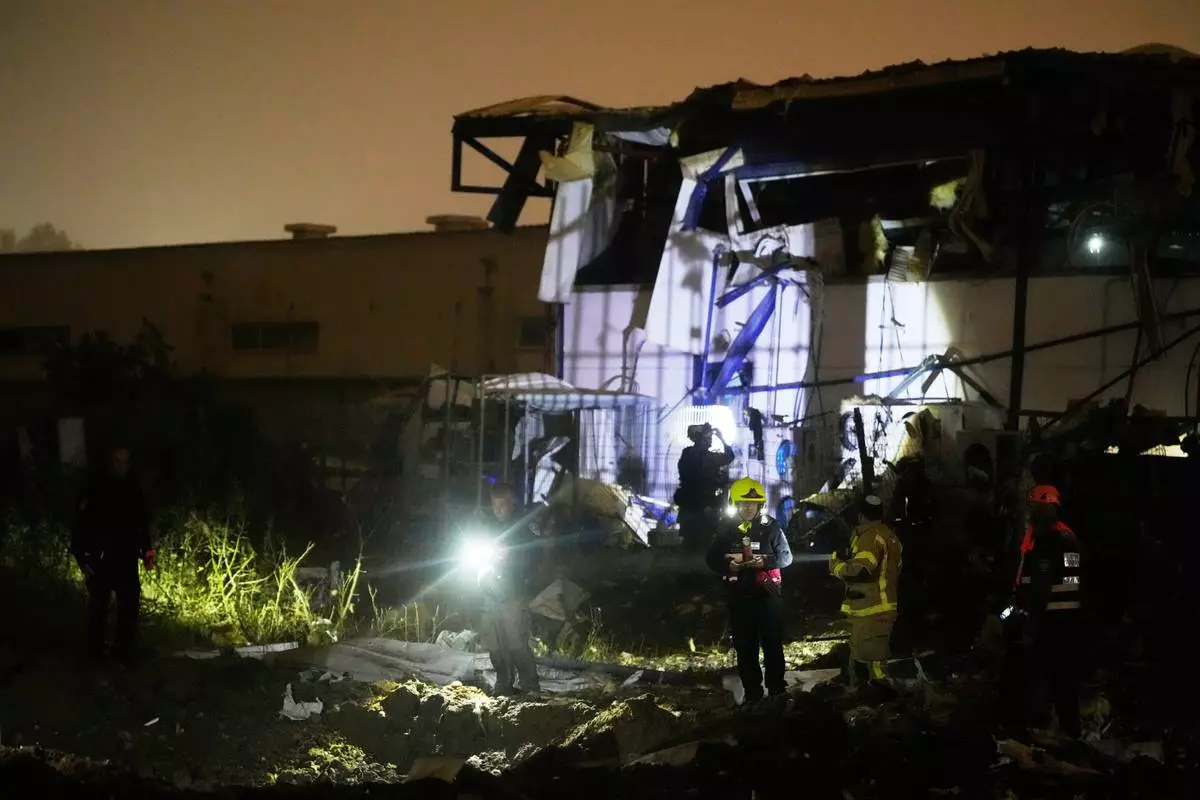
Israeli security forces and rescue teams inspect a site struck by an Iranian missile in Petah Tikva, Israel,Thursday, April 2, 2026. (AP Photo/Ohad Zwigenberg)
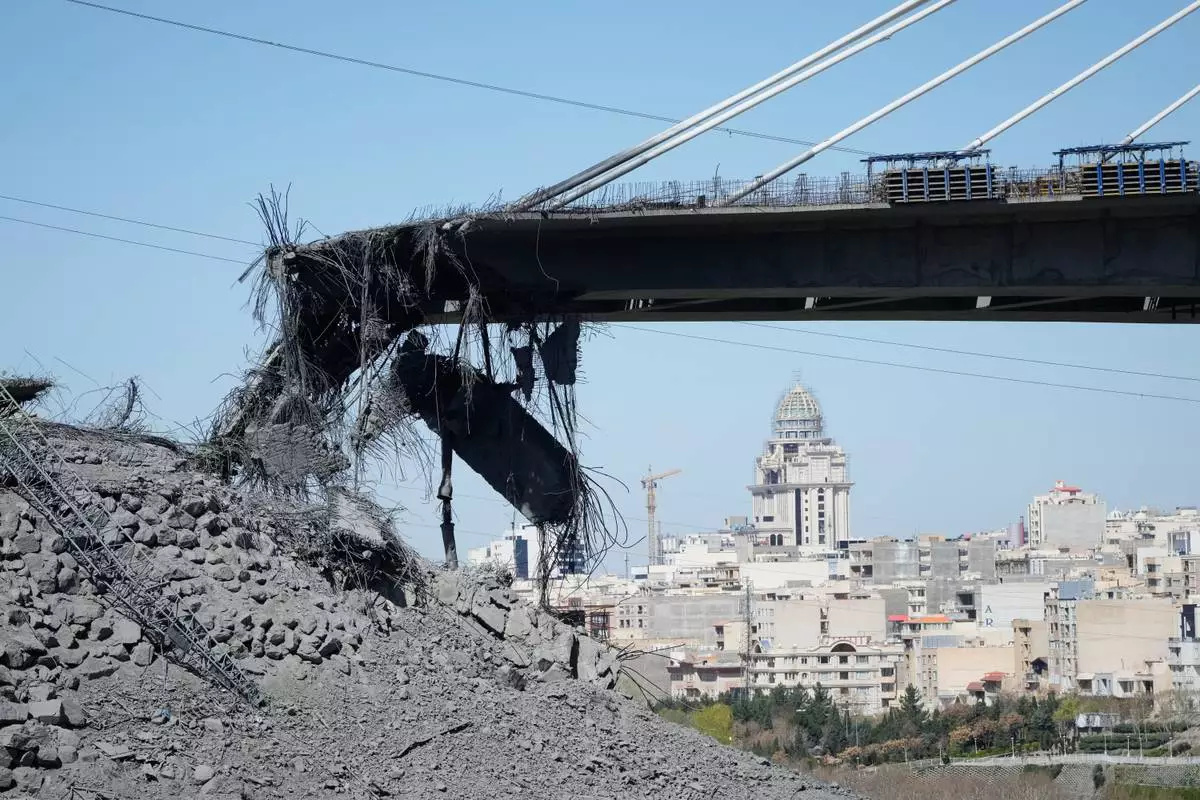
A newly constructed bridge struck by U.S. airstrikes Thursday is seen in Karaj, west of Tehran, Iran, Friday, April 3, 2026. (AP Photo/Vahid Salemi)
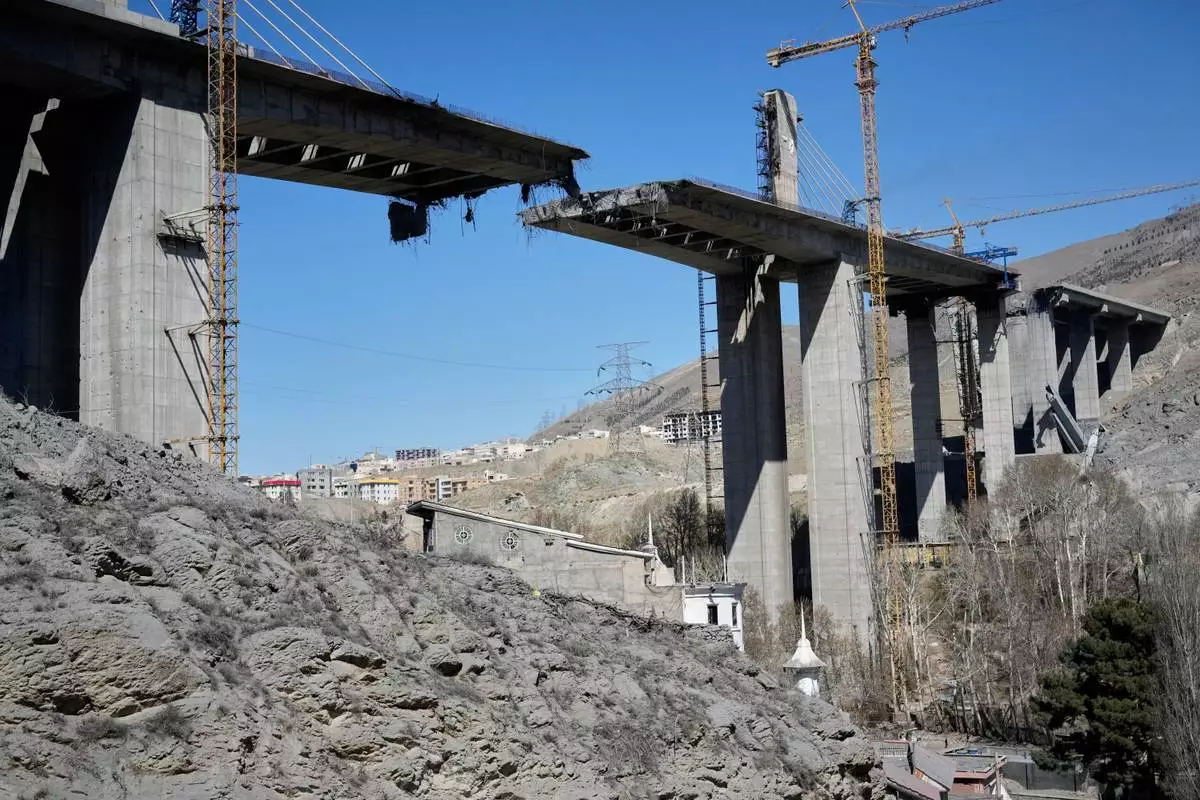
A newly constructed bridge struck by U.S. airstrikes Thursday is seen in Karaj, west of Tehran, Iran, Friday, April 3, 2026. (AP Photo/Vahid Salemi)
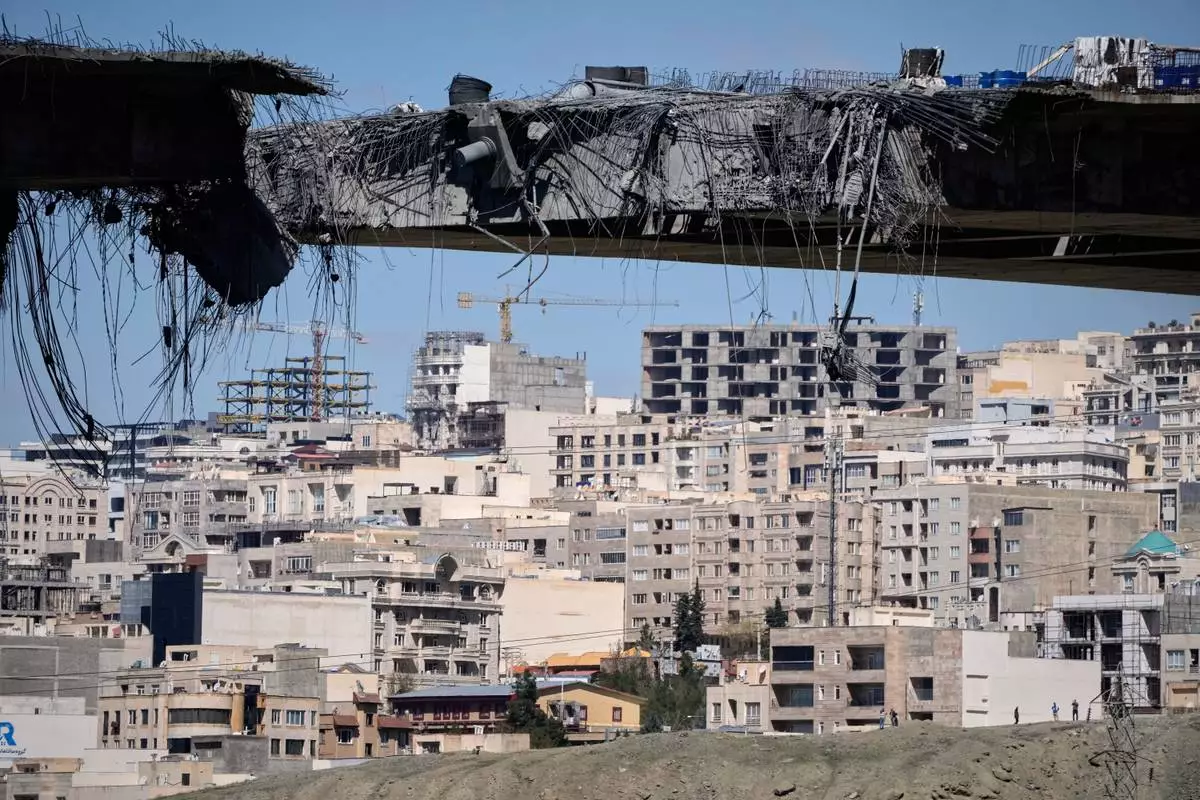
A bridge struck by U.S. airstrikes on Thursday is seen in the town of Karaj, west of Tehran, Iran, Friday, April 3, 2026. (AP Photo/Vahid Salemi)

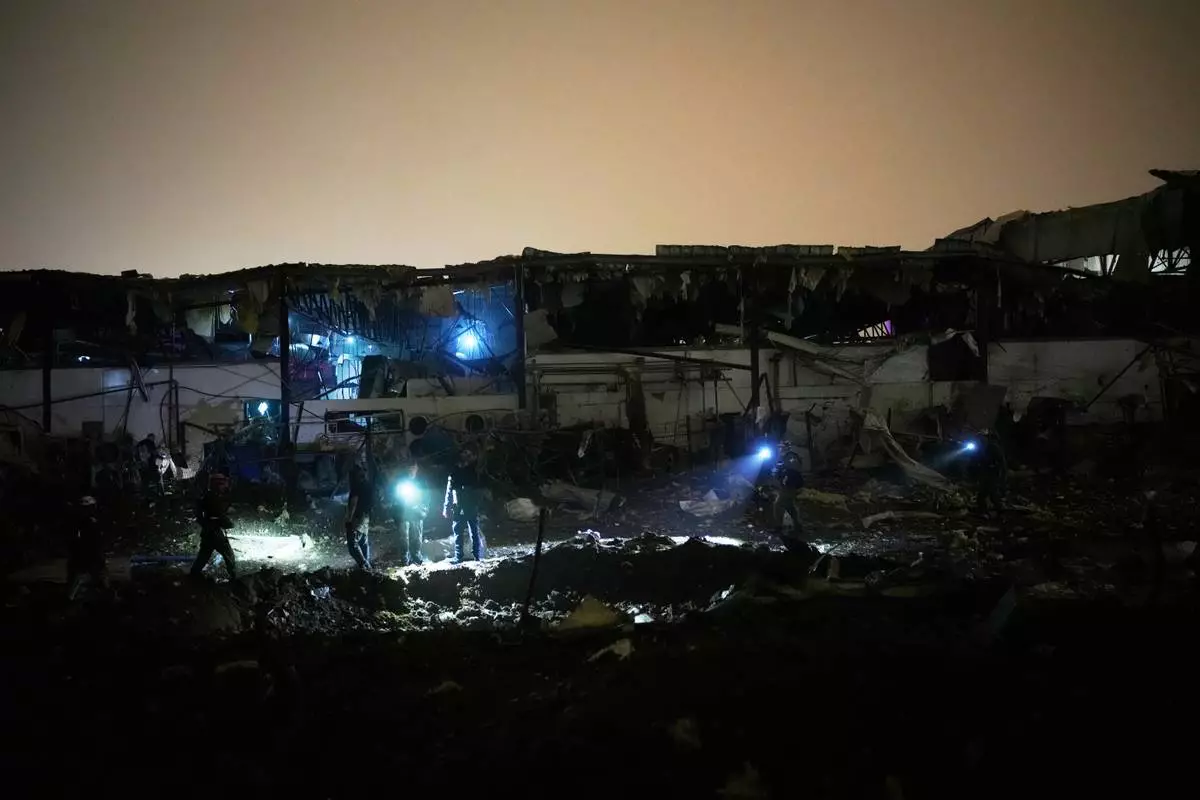
Israeli security forces and rescue teams inspect a site struck by an Iranian missile in Petah Tikva, Israel,Thursday, April 2, 2026. (AP Photo/Ohad Zwigenberg)
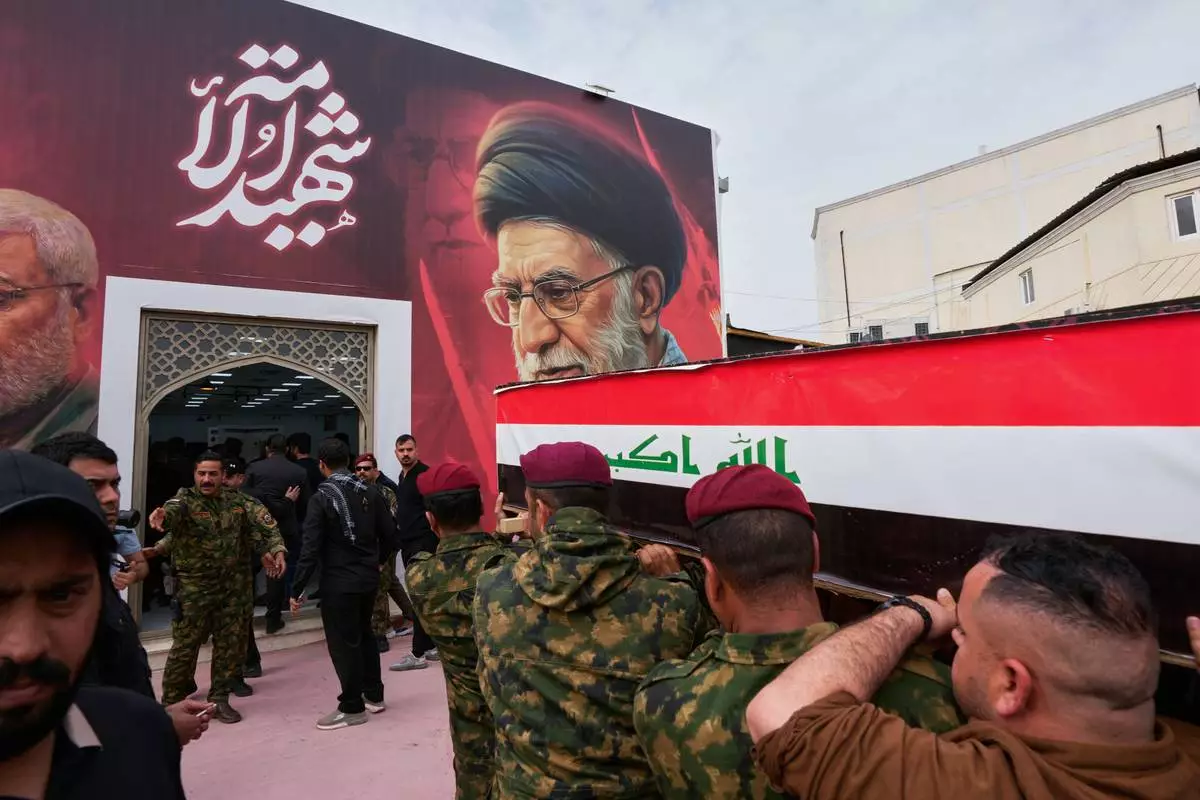
Members from the Popular Mobilization Forces attend a funeral of fighters who were killed in a U.S. airstrike, in Tal Afar, Nineveh province, north of Baghdad, Iraq, Thursday, April 2, 2026. (AP Photo/Hadi Mizban)
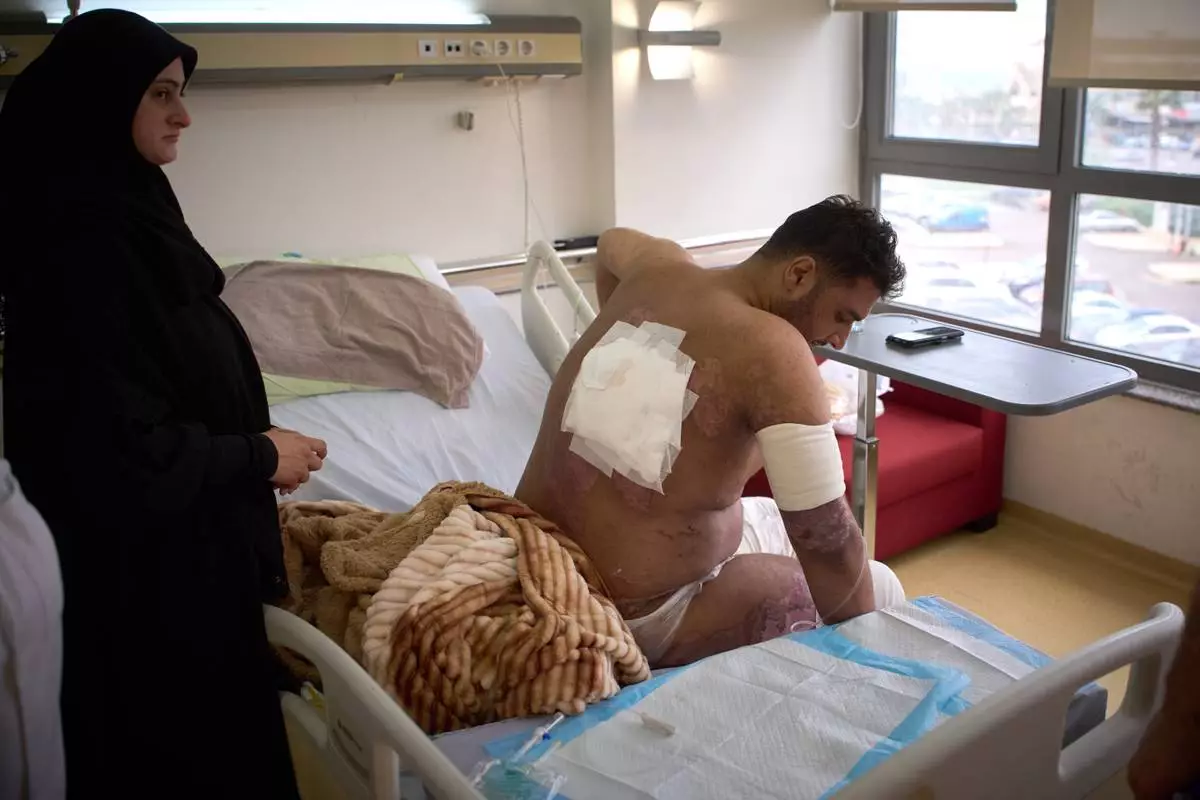
A man with burn wounds from an Israeli airstrike on southern Lebanon sits on a bed at the Sidon Government Hospital in Sidon, Lebanon, Thursday, April 2, 2026. (AP Photo/Emilio Morenatti)
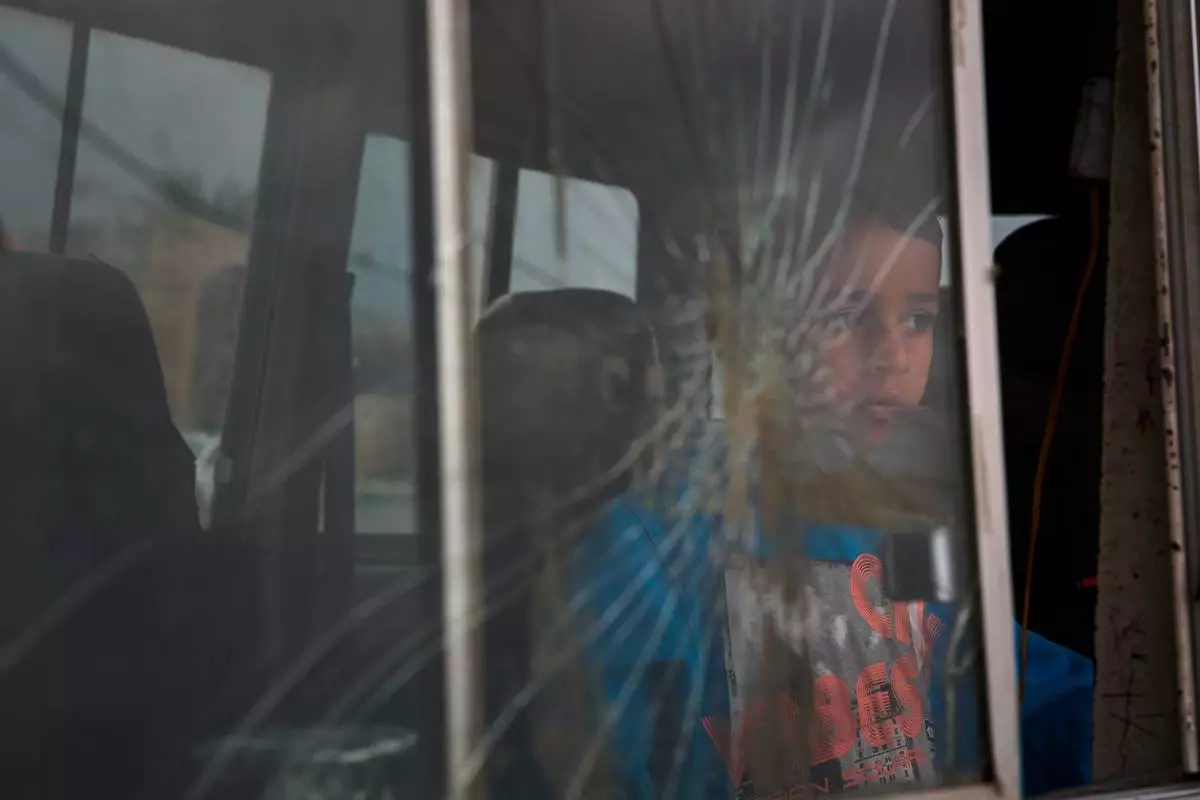
A boy who fled with his family following Israeli strikes in southern Lebanon sits inside the van they are using as shelter in Sidon, Lebanon, Thursday, April 2, 2026. (AP Photo/Emilio Morenatti)
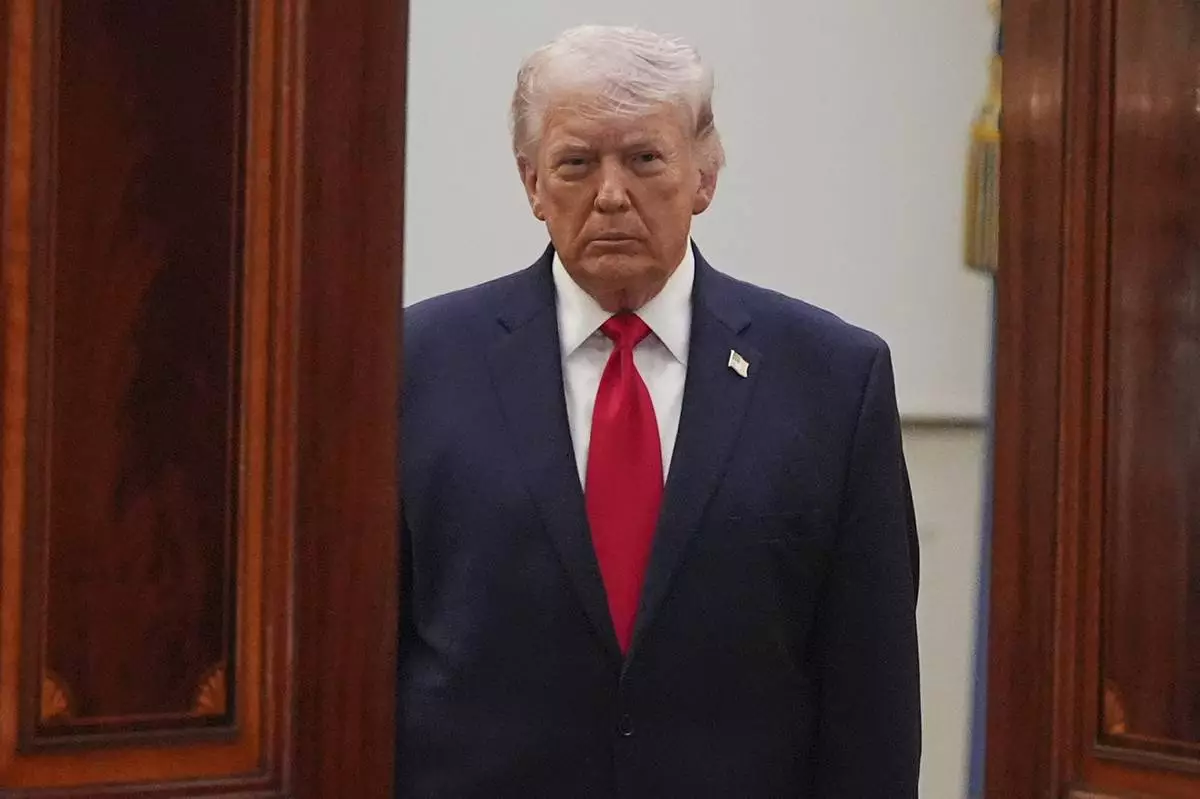
President Donald Trump arrives from the Blue Room to speak about the Iran war from the Cross Hall of the White House on Wednesday, April 1, 2026, in Washington. (AP Photo/Alex Brandon, Pool)