Iranian Foreign Minister Seyyed Abbas Araghchi had arrived in the Omani capital, Muscat, to lead direct talks with the United States aimed at easing long-standing tensions over Iran's nuclear program, Iranian media reported on Friday.
The visit was confirmed a day earlier by Iranian Foreign Ministry Spokesman Esmaeil Baghaei, who announced that Araghchi is heading a diplomatic delegation to participate in the negotiations. The move marks a cautious return to diplomacy after months of escalating confrontations between Iran and the United States.
Baghaei stated on social media that Iran seeks a "fair, mutually acceptable and dignified understanding" with the U.S. He said that Iran remains mindful of the painful experiences of the past, including breaches of the previous nuclear deal, a military attack on Iran in June last year, and recent "foreign interference". He urged the U.S. to engage in the talks with responsibility, pragmatism, and seriousness.
White House Press Secretary Karoline Leavitt reiterated on Thursday that diplomacy remains the preferred course of action for the United States in dealing with Iran.
Leavitt said the talks are intended to test the possibility of reaching a deal, emphasizing that the U.S. remains committed to ensuring "zero nuclear capability" in Iran. She cautioned that the Trump administration retains options beyond diplomacy and will assess its next steps based on the outcome of the discussions in Muscat.
She confirmed that White House special envoy Steve Witkoff and Jared Kushner, Trump's son-in-law, would join the Oman meetings on Friday.
In 2025, Oman hosted several rounds of indirect talks brokered between Iran and the U.S., but they faltered over deep divisions. The U.S. has insisted Iran abandon uranium enrichment entirely, while Iran defends its right to peaceful nuclear development.
Tensions escalated in June 2025 when an Israeli strike triggered a 12-day war, during which the United States launched airstrikes on key Iranian nuclear facilities, effectively halting diplomatic progress.
On Thursday, Israel's Channel 12 reported that Prime Minister Benjamin Netanyahu told the Knesset's Foreign Affairs and Defense Committee that Israel is prepared to deliver a "very severe strike" against Iran, possibly exceeding last June's military action. Netanyahu emphasized that Israel remains in close coordination with the U.S. on the Iran issue.
As talks resume in Muscat, the international community is closely watching whether Iran and the U.S. can overcome entrenched differences and prevent a return to open conflict. The negotiation process between the United States and Iran is "alive and not broken", Turkish President Recep Tayyip Erdogan said Thursday, stressing that the "ground remains open to dialogue and diplomacy" to ease tensions.
Speaking to journalists aboard his flight back from visits to Saudi Arabia and Egypt, Erdogan said he sees both sides willing to leave room for diplomacy, calling it a positive development.
The way to resolve problems is not through conflict, but through reconciliation and negotiation, he noted, adding that Türkiye will work to strengthen the basis for negotiations through both leader-to-leader diplomacy and talks at other levels. Egyptian Foreign Minister Badr Abdelatty urged de-escalation and the overcoming of differences between the United States and Iran to spare the region the specter of war, Egypt's Foreign Ministry said in a statement on Thursday.
The remarks came during intensive phone talks Abdelatty recently held with his counterparts in Iran, Qatar, and Oman, as well as U.S. presidential special envoy Steve Witkoff, aiming to contain the ongoing tensions between Washington and Tehran.
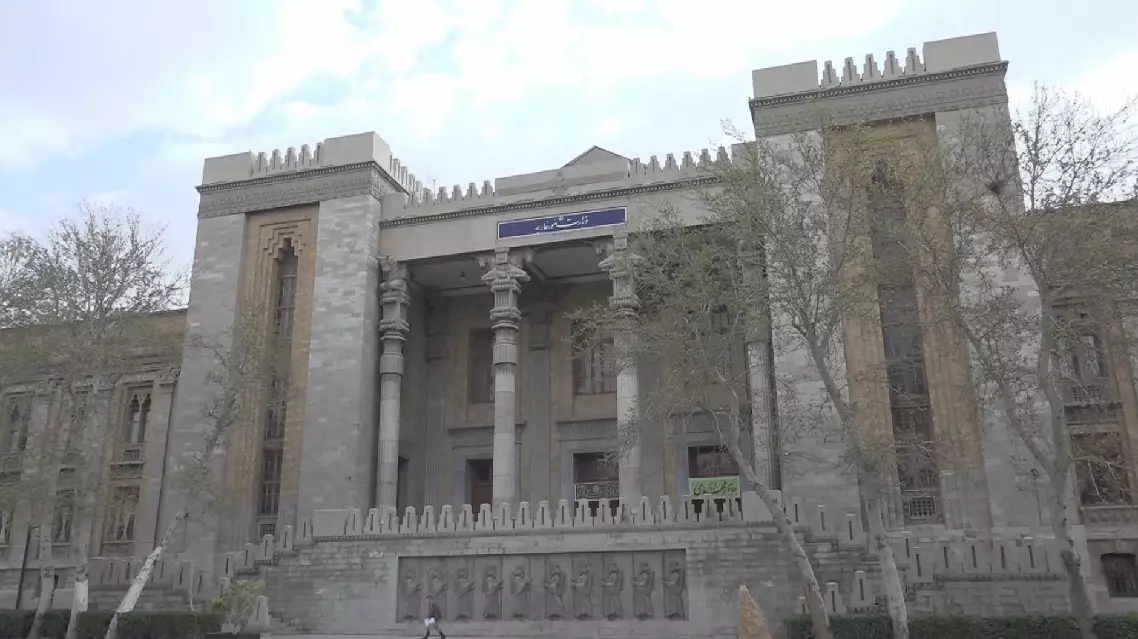
Iranian FM arrives in Oman for nuclear talks with US
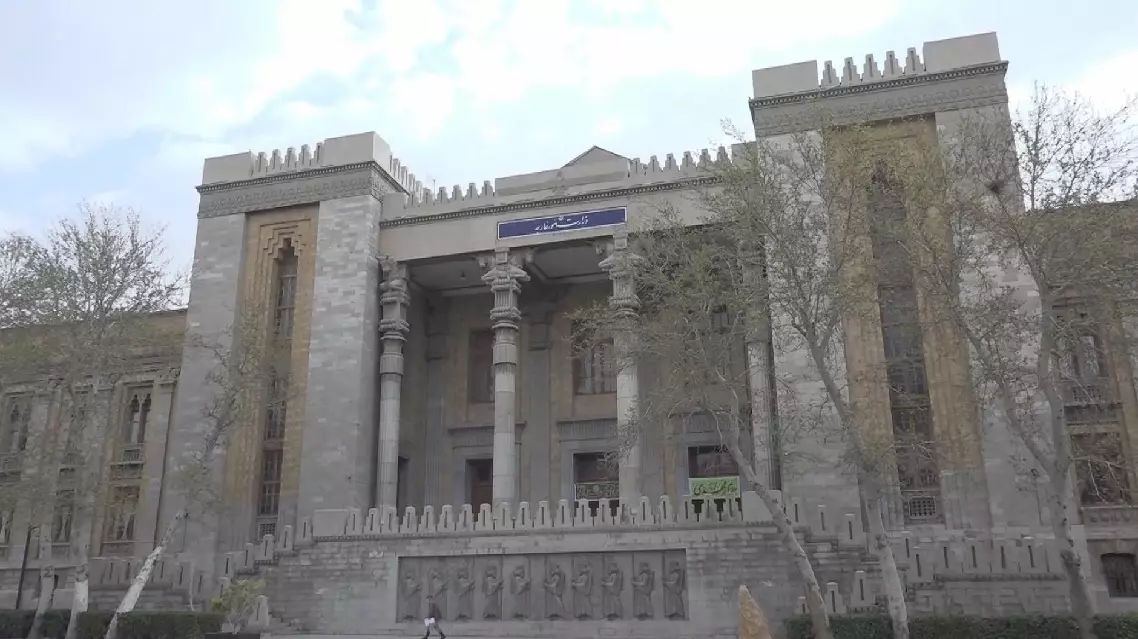
Iranian FM arrives in Oman for nuclear talks with US