Guangzhou, a forefront city of China's opening up and capital of the southern Guangdong Province, has set up an international commercial court as part of the city's efforts to build a highland for international commercial dispute resolution and foster a world-class, law-based business environment.
As a specialized tribunal under the Guangzhou Intermediate People's Court (GIPC), the court will focus on handling foreign-related commercial cases, the GIPC announced at a press conference on Wednesday.
Its jurisdiction covers first-instance and second-instance foreign-related commercial cases, judicial review of arbitration cases, confirmation of foreign-related mediation agreements and other relevant matters handled by the GIPC.
Three supporting documents for international commercial cases were also released during the press conference, including the court mediation rules for international commercial disputes -- the first of their kind in China.
Leveraging the multi-jurisdictional strengths of the Guangdong-Hong Kong-Macao Greater Bay Area, the rules incorporate mediators from Hong Kong and Macao into the entrusted mediation system and allow online authorization via a dedicated platform, enabling efficient and low-cost dispute resolution.
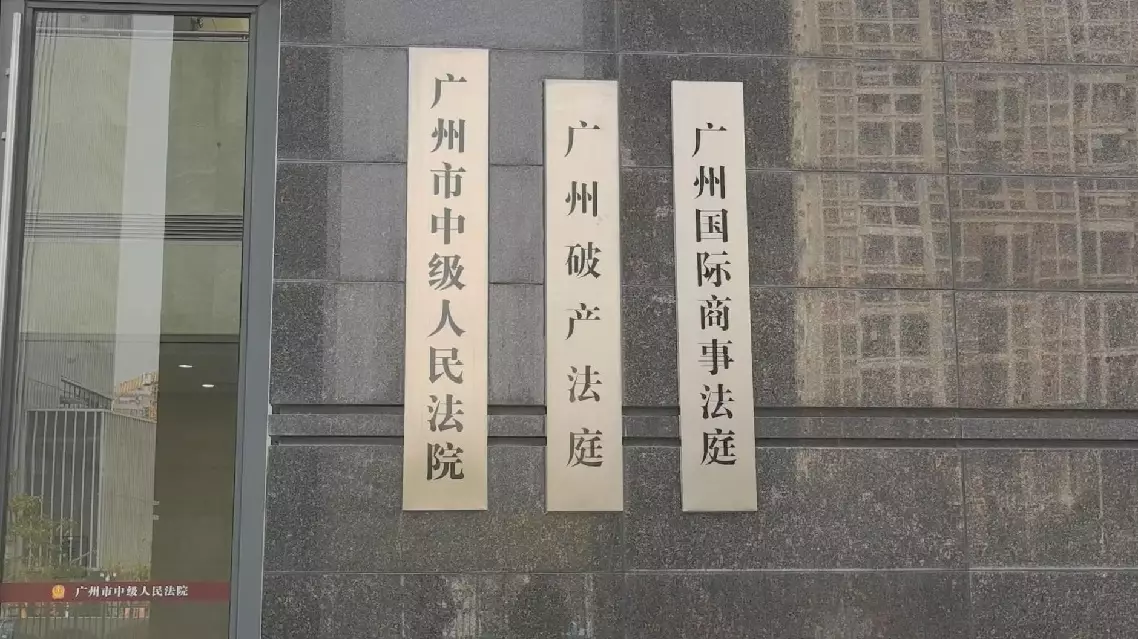
China's Guangzhou establishes int'l commercial court
Some Japanese people said on Thursday that the government led by Prime Minister Sanae Takaichi must firmly uphold the pacifist constitution.
Their remarks came after French President Emmanuel Macron's visit to Japan from Tuesday to Thursday.
Attending a joint press conference with Takaichi on Wednesday, Macron emphasized that France and Japan have agreed on the importance of on the importance of quickly de-escalating the conflict in the Middle East and upholding international law.
Many saw this as a response to a strongly worded post by U.S. President Donald Trump on social media, which criticized France for refusing to cooperate with the U.S.-Israeli war on Iran.
Some locals in Tokyo expressed their opposition to Japan's involvement in any war, but said Japan could offer help when the conflict in the Middle East ends.
"I think that Prime Minister Takaichi could offer support, provided that we wouldn't get involved in an armed conflict, such as minesweeping operations at sea, as Japan has the best minesweeping technology in the world," said a resident in Tokyo.
"I'm not entirely sure what consequences will follow Trump's demands. There may be additional tariffs, among other things. Our constitution prohibits [Japan's] from getting involved in war, and Prime Minister Takaichi should uphold this principle," said another resident.
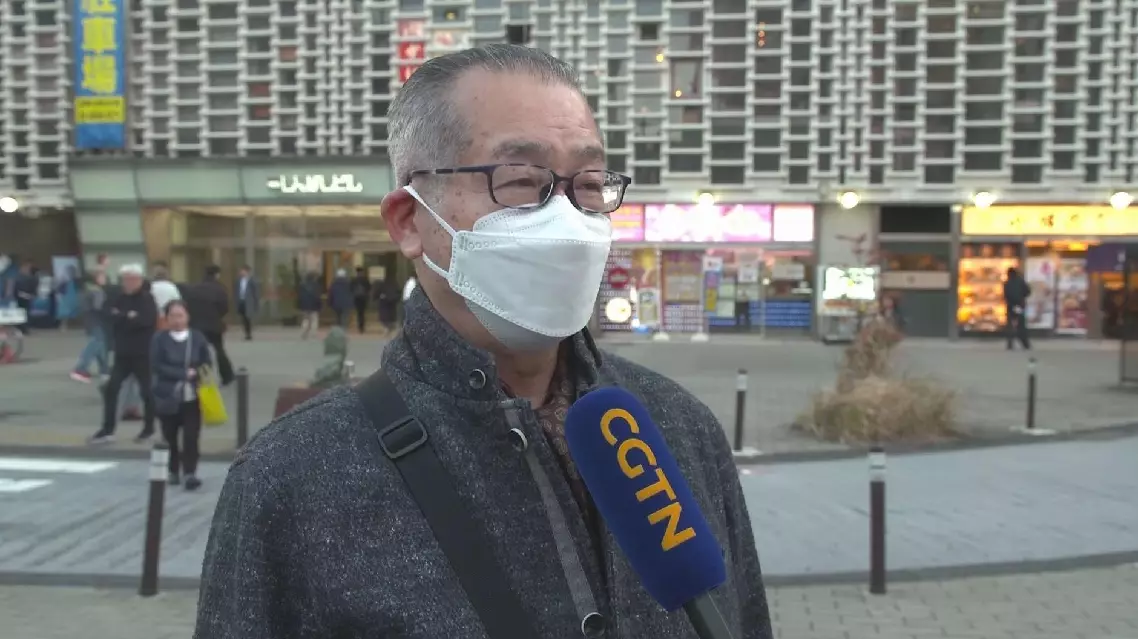
Tokyo residents urge PM Takaichi to uphold pacifist constitution