WASHINGTON (AP) — A division of the U.S. Agency for International Development eliminated by Trump administration cuts last year was reborn Thursday as an independent nonprofit, allowing its international work to continue in a new form.
This reincarnation of USAID’s Development Innovation Ventures as the nonprofit DIV Fund is thanks to $48 million raised from two private donors. It is a rare instance of continuation after the Trump administration froze all foreign funding last year and unleashed Elon Musk’s Department of Government Efficiency to tear down the agency that delivered U.S. foreign aid for 60 years.
Click to Gallery
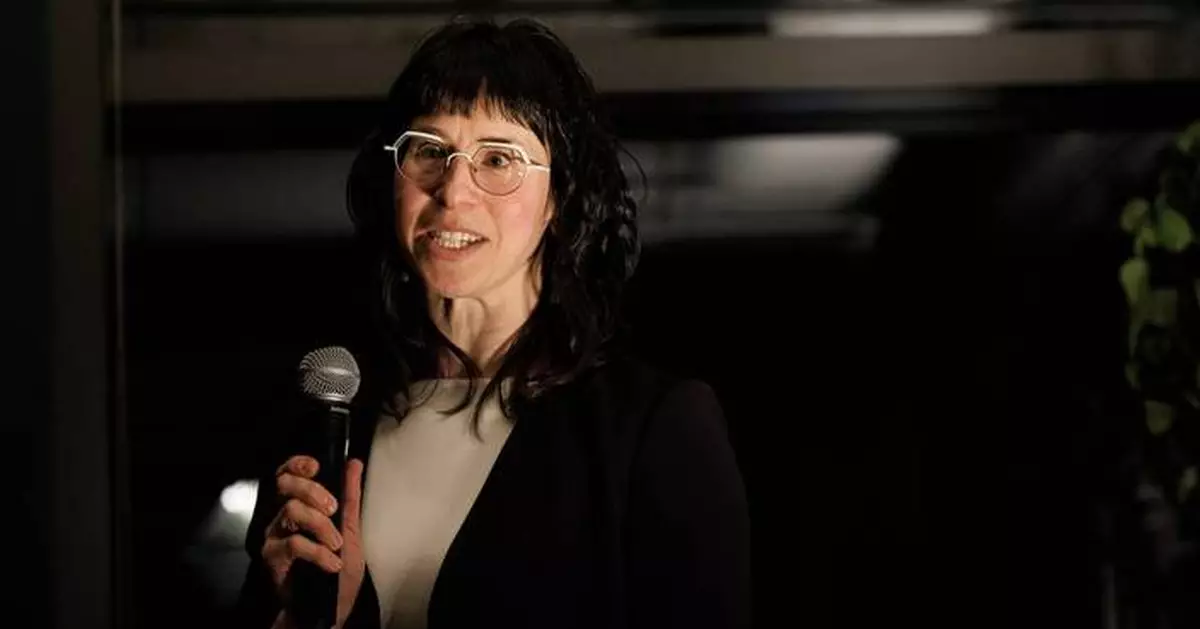
Juliette Seban, the executive director at the Fund for Innovation in Development, speaks at an event Thursday, Feb. 5, 2026, in Washington. (AP Photo/Moriah Ratner)
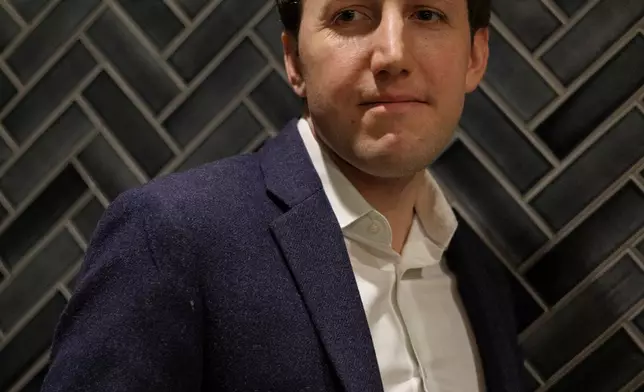
Otis Reid, executive director of Global Health & Wellbeing at Coefficient Giving, poses for a portrait Thursday, Feb. 5, 2026, in Washington. (AP Photo/Moriah Ratner)
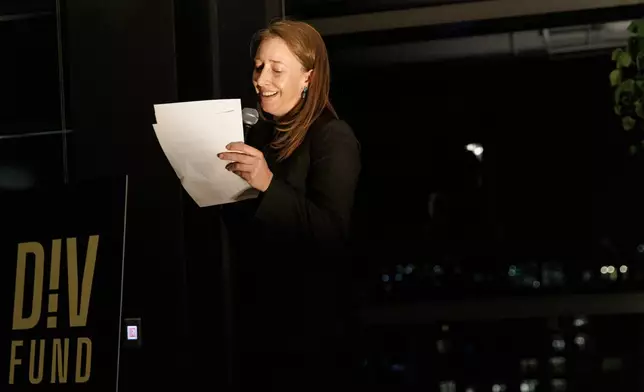
Jessica Vernon, founder and CEO of Maisha Meds, speaks at an event Thursday, Feb. 5, 2026, in Washington. (AP Photo/Moriah Ratner)
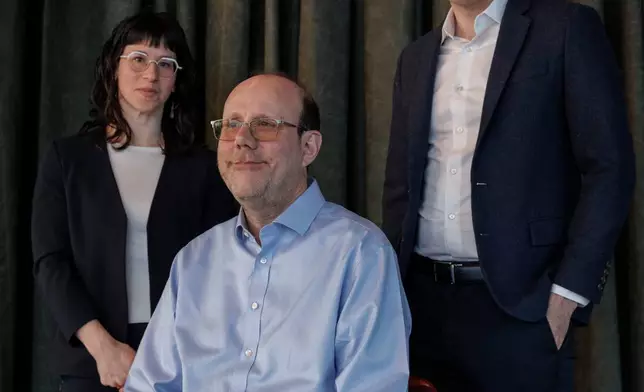
Sasha Gallant, cofounder of the DIV Fund, left, Michael Kremer, the DIV Fund's scientific director and a Nobel prize winning economist, center, and Otis Reid, executive director of Global Health & Wellbeing at Coefficient Giving, pose for a portrait Thursday, Feb. 5, 2026, in Washington. (AP Photo/Moriah Ratner)
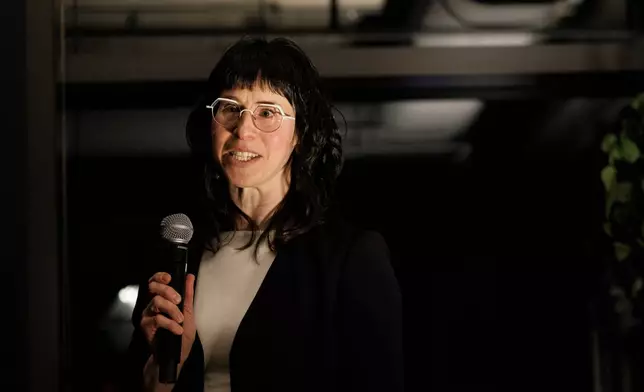
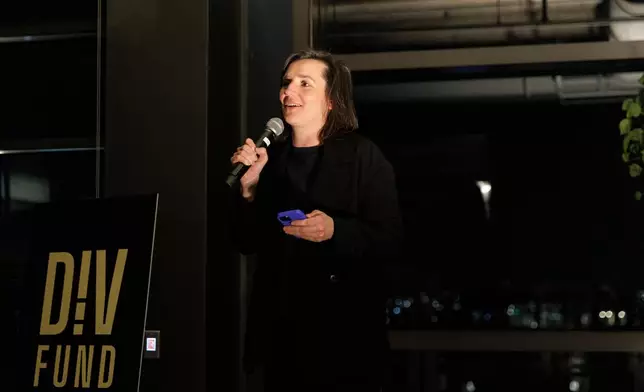
Sasha Gallant, cofounder of the DIV Fund, speaks at an event Thursday, Feb. 5, 2026, in Washington. (AP Photo/Moriah Ratner)
Out of that destruction, which cost tens of thousands of jobs and caused people around the world to die, many private efforts were made to preserve decades of data and knowledge housed at USAID, help recipients keep vital programs running and reimagine how international development might work.
But few of those efforts have managed to attract the kind of philanthropic funding that the DIV Fund has. Funders, previous grantees and DIV Fund staff gathered in the glass-walled penthouse of a Washington think tank as the sun set Thursday to mark the new chapter. The mood was resolved and optimistic, having found a way to continue where many efforts in international development have been derailed.
“The loss of US government support is a huge blow,” said Michael Kremer, the DIV Fund’s scientific director and a Nobel prize winning economist. "It’s wonderful that private funders have stepped up to help try to fill part of that gap but it’s only filling part of the gap.”
Some of the leaders of the new nonprofit were also involved in directing $110 million from private philanthropy in the past year to projects that lost funding from USAID. Now, the DIV Fund aims to grant out $25 million annually, which represents a little more than half of DIV's budget at USAID.
Their fundraising success has a couple of ingredients.
First, the nonprofit DIV Fund acts like a research and development hub to identify very affordable and efficient interventions and then to support their expansion to scale. As such, their budget is very small compared to programs that treat or prevent HIV or respond to famine, for example.
Then, while they were a division at USAID, DIV had already won outside philanthropic funding, including a $45 million grant from Coefficient Giving, a San Francisco-based funder that is now one of the nonprofit's anchor donors. The other funder is anonymous.
Finally, Kremer said the programs they identify generally get funding from local governments or earn revenue, rather than depending on long term funding from donor countries like the U.S. That path to sustainability is even more important in the face of major cuts to foreign assistance from multiple historic donor countries.
Of the total DIV Fund has raised so far, $20 million has been allocated to former recipients, leaving $28 million for future grants. The fund will have an open call for applications this year, a process they are devoted to because it generates many new ideas.
Within USAID, DIV would sometimes influence other departments and win additional support for projects they'd endorsed. Now, on the outside, the DIV Fund plans to work with major donors like the World Bank and other countries to take up their recommendations and develop their own similar research funds.
Otis Reid, the executive director of Global Health & Wellbeing at Coefficient Giving, said that as the overall amount of official foreign assistance shrinks, it's even more important that what remains is used in the best way.
“It just matters a ton if that money is going towards things that are highly effective or moderately effective or not effective,” he said. “And I think DIV can play a really crucial role in moving things from the not effective to very effective part of the spectrum.”
Many programs that DIV has supported are validated through randomized control trials, a specific kind of research design. Kathryn Oliver, a professor at the London School of Hygiene and Tropical Medicine who studies how evidence informs policy, said while these trials are valuable for answering specific kinds of questions, they cannot give policymakers all the information they need.
“It is the most robust research design for answering questions about the effectiveness of interventions compared to usual treatment, absolutely,” she said of the trials. “But it is not the most robust design for answering any other kind of questions,” like whether populations find it acceptable or how it compares to other approaches.
As a new nonprofit, the DIV Fund is open to working with the U.S. government, cofounder Sasha Gallant said.
The Secretary of State Marco Rubio has characterized USAID as corrupt, costly and ineffective and said foreign aid made governments and large nonprofits permanently dependent on the U.S. While significant amounts of foreign aid funding was cut or clawed back in 2025, Congress recently allocated $50 billion for various foreign assistance programs, significantly more than the administration had requested.
DIV had previously won bipartisan support in part because of the high return on investment that its programs offer, which can also be a very satisfying metric for philanthropic funders.
The DIV Fund won't replace funding for large programs that are already backed by extensive evidence or that may be expensive but valuable, like humanitarian responses. But Gallant said the DIV Fund strongly hopes donor countries continue to fund these other types of programs.
“We absolutely should be delivering en masse the things that increase people’s livelihoods and save their lives and keep kids in school,” she said.
Associated Press coverage of philanthropy and non-profits receives support through the AP’s collaboration with The Conversation US, with funding from Lilly Endowment Inc. The AP is solely responsible for this content. For all of AP’s philanthropy coverage, visit https://apnews.com/hub/philanthropy.
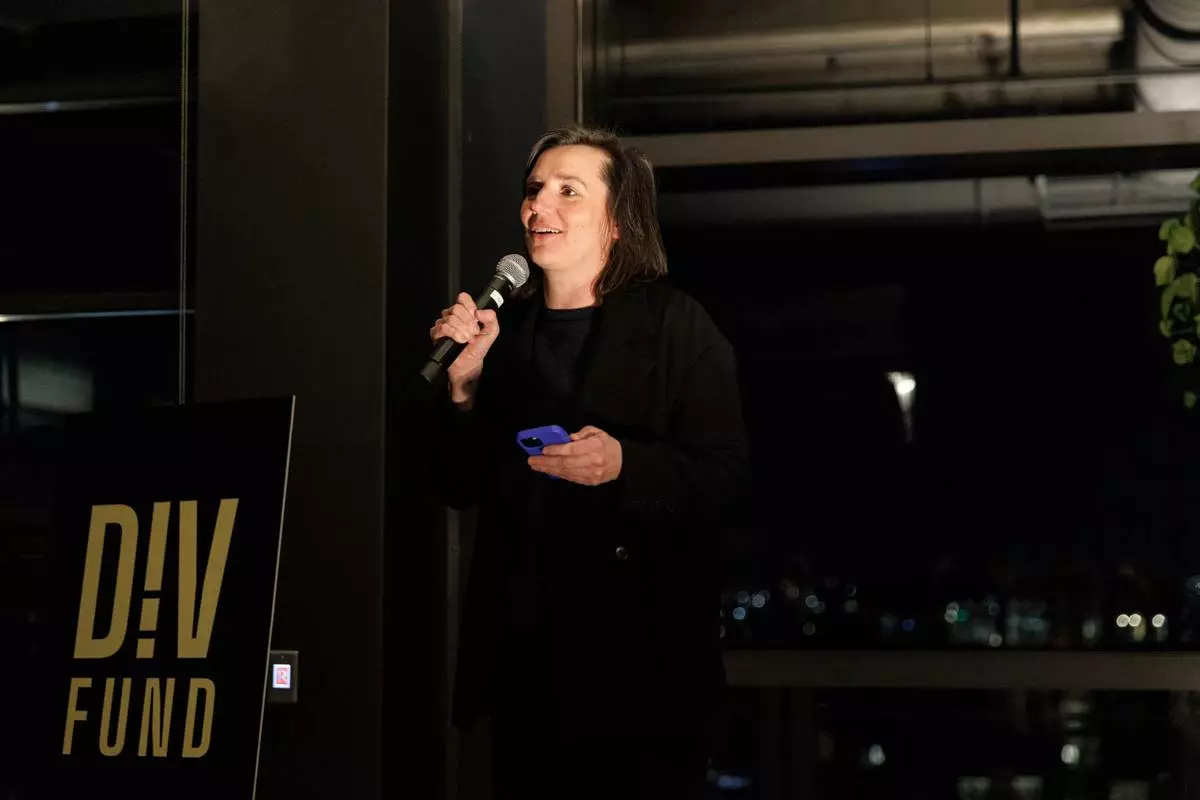
Juliette Seban, the executive director at the Fund for Innovation in Development, speaks at an event Thursday, Feb. 5, 2026, in Washington. (AP Photo/Moriah Ratner)
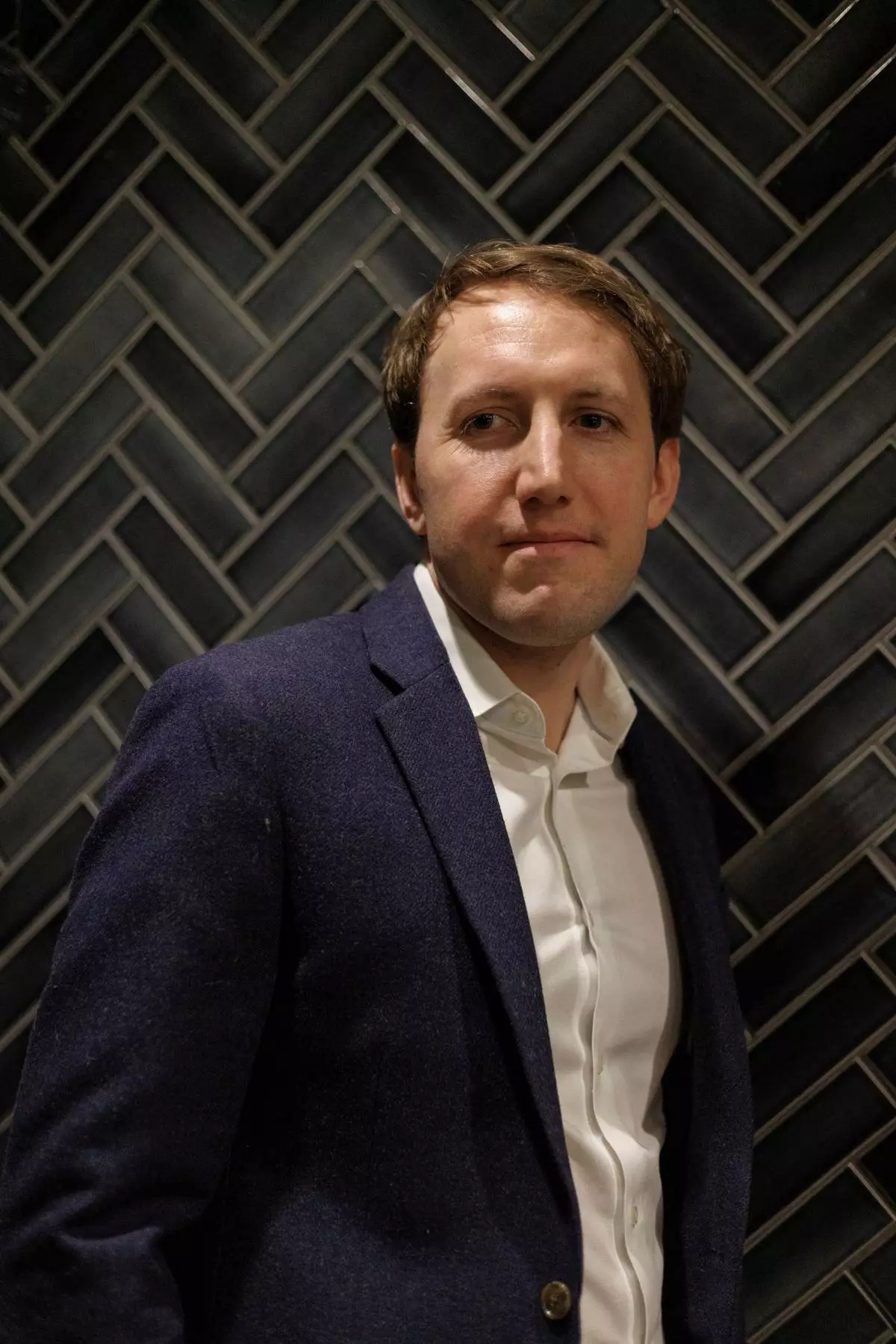
Otis Reid, executive director of Global Health & Wellbeing at Coefficient Giving, poses for a portrait Thursday, Feb. 5, 2026, in Washington. (AP Photo/Moriah Ratner)
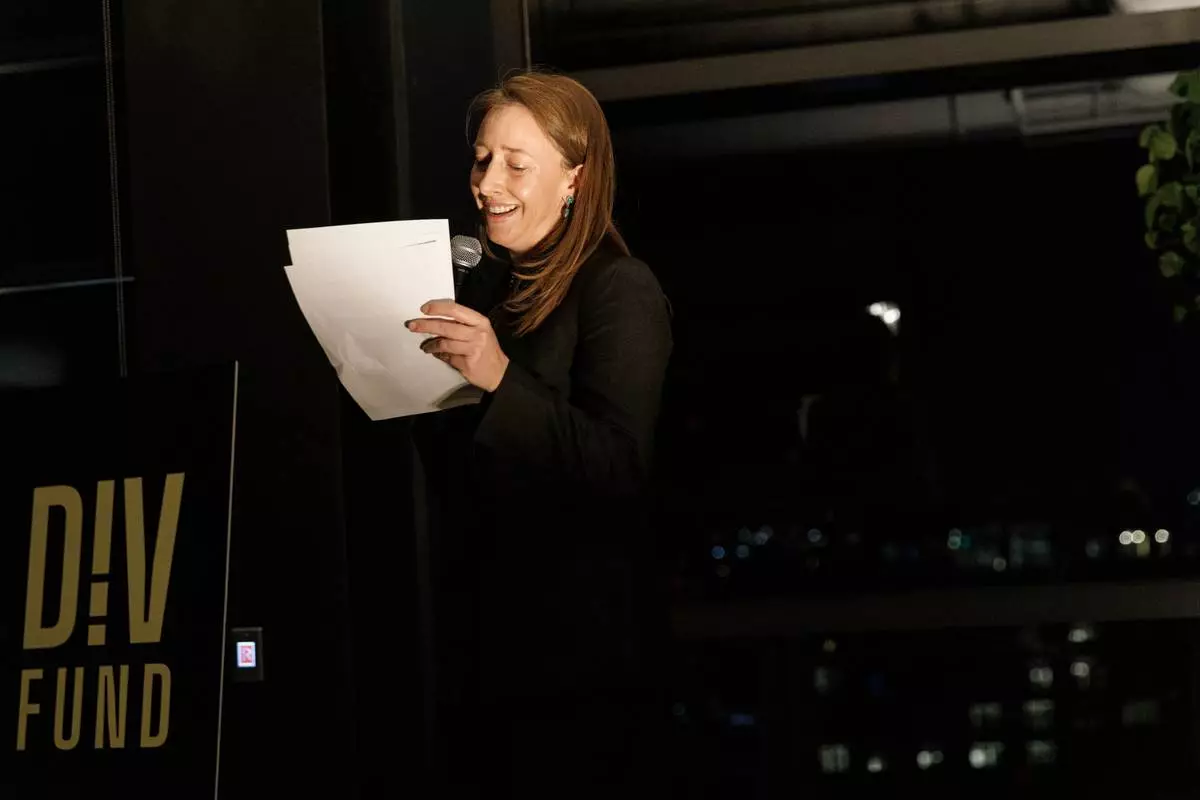
Jessica Vernon, founder and CEO of Maisha Meds, speaks at an event Thursday, Feb. 5, 2026, in Washington. (AP Photo/Moriah Ratner)
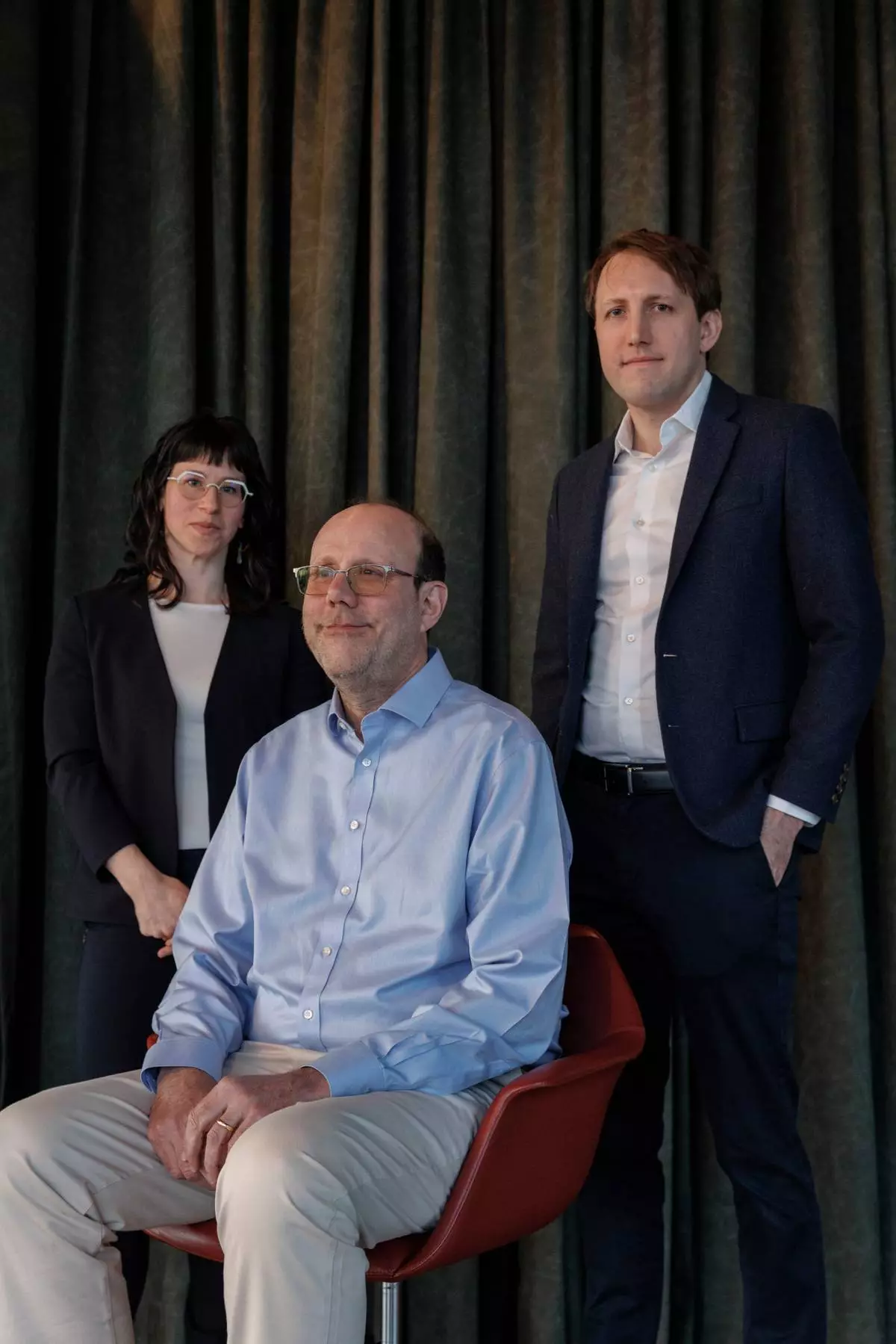
Sasha Gallant, cofounder of the DIV Fund, left, Michael Kremer, the DIV Fund's scientific director and a Nobel prize winning economist, center, and Otis Reid, executive director of Global Health & Wellbeing at Coefficient Giving, pose for a portrait Thursday, Feb. 5, 2026, in Washington. (AP Photo/Moriah Ratner)
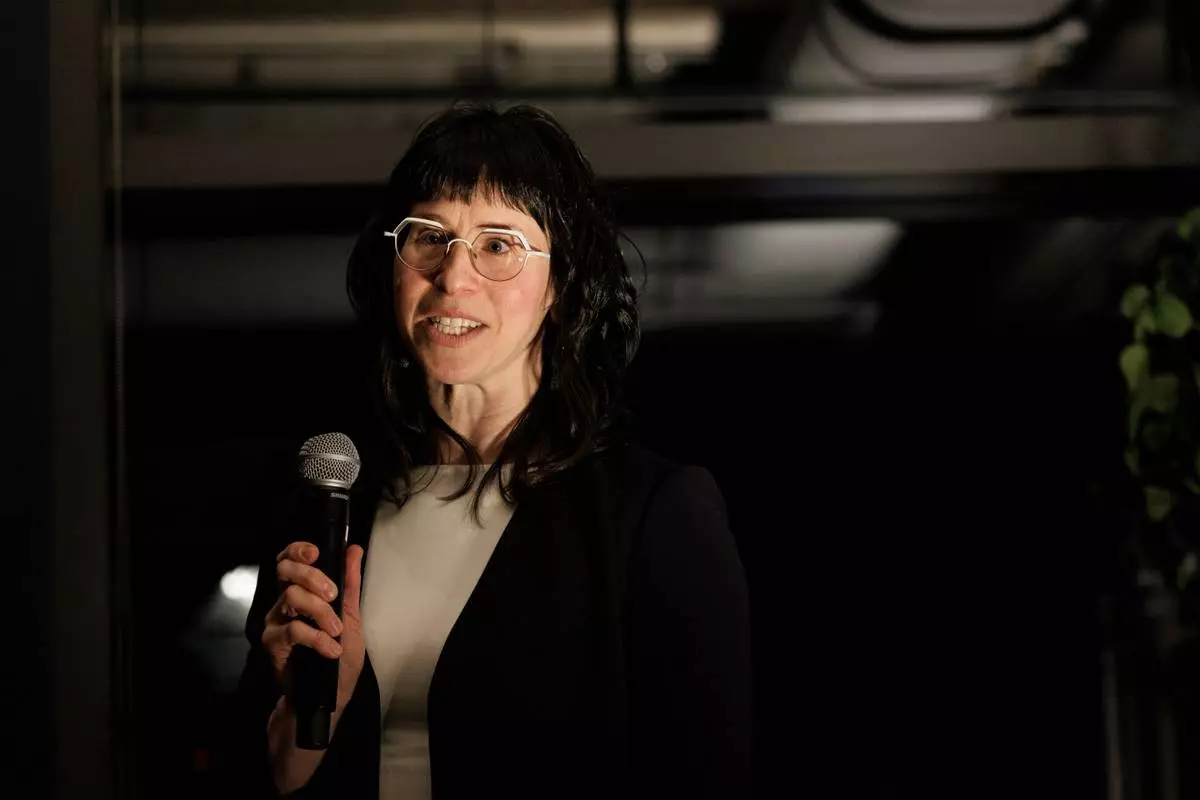
Sasha Gallant, cofounder of the DIV Fund, speaks at an event Thursday, Feb. 5, 2026, in Washington. (AP Photo/Moriah Ratner)