Upgraded intelligent charging facilities, especially mobile charging equipment, at highway service areas across China have ensured a smooth travel experience for new energy vehicle (NEV) owners during the Spring Festival travel rush which lasts from Feb 2 to March 13 this year.
The Spring Festival, also known as the Chinese New Year, falls on Feb 17 this year. For decades, going home and spending time with family has been the festival's defining theme, fueling a 40-day travel rush that sees hundreds of millions of out-of-town workers hitting roads, railways and runways. Authorities expect a record 9.5 billion inter-regional trips this year.
During this year's Spring Festival travel rush, the daily average traffic volume of NEVs on the national expressway network is expected to reach 9.5 million units, according to data from the Ministry of Transport.
At Pinghu Service Area along the expressway linking Hangzhou and Shanghai, the use of a wheeled charging platform has significantly improved charging efficiency during the travel rush.
"In the past, my biggest worry was the long queues at charging stations during the Spring Festival travel rush, which sometimes took one to two hours. But today, as soon as I parked my car, I simply scanned the code, and a staff member remotely controlled a charging robot to come over. I just plugged in the cable and charged, as convenient as ordering takeout," said a passenger car driver.
The seamless service was supported by the smart charging management platform jointly developed by local transportation, emergency response, and power supply departments, which can monitor the operating status of charging piles, predict peak hours, and dynamically dispatch mobile charging equipment
Since the introduction of mobile charging facilities, the number of vehicle charging daily at Pinghu Service Area has increased from over 180 to over 220, and is expected to exceed 400 per day during the Spring Festival travel season.
Similar equipment was also applied in Xiamen's highway service areas and around popular tourist attractions, with each unit serving as a small mobile charging station equipped with a large-capacity battery and a fast-charging interface.
"Now we can see the status of charging stations on this application. For example, if there is heavy traffic or a sudden surge in electricity demand in a service area, we can dispatch the nearest mobile charging vehicle to provide support as soon as possible, and it can arrive at the designated location in as little as half an hour," said service area staff member Chen Jiapeng.
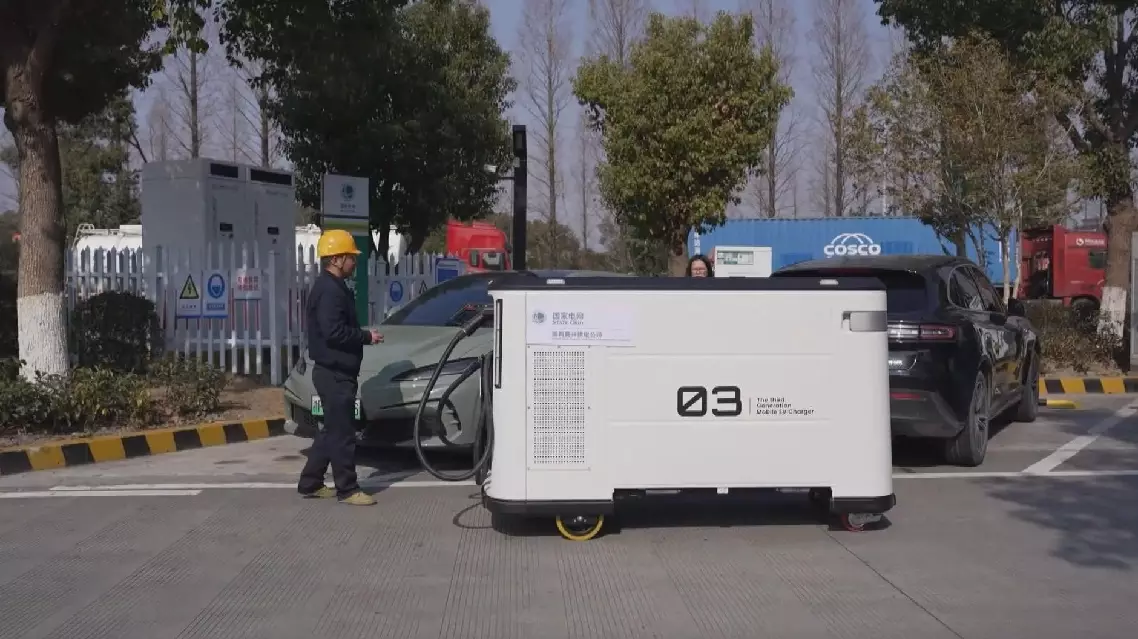
Intelligent chargers ease Spring Festival rush for NEV owners
Officials and exhibitors from Canada on Monday hailed the important role of the China International Consumer Products Expo (CICPE) in promoting international trade, saying it serves as a great platform for Canadian authorities and businesses to better understand Chinese consumers and market trends.
Canada is the Guest Country of Honor at the CICPE 2026, or the six CICPE.
The event, held in Haikou City of south China's tropical island province of Hainan from April 13-18, served as a key gateway for around 40 Canadian companies to access China's vast consumer market, with exhibitors showcasing a diverse range of products from premium cosmetics and health products to agriculture and pet food.
RJ Sigurdson, Minister of Agriculture and Irrigation of western Canada's Alberta province, said the expo helped him to understand the current market trends.
"It's really important for me to see what the market trends are here and to be able to maximize on those market trends. We're here to be able to have those conversations and see how we can be a better trading partner, and how we're going to be able to flow our high quality agricultural commodities into this country," said the minister.
Ji Hualei, a Canadian exhibitor who is launching a new wearable device at the expo, expressed his confidence in China's market potential.
"We have observed a clear shift of Chinese consumers' focus from one specific function of products to healthiness and sustainability. The CICPE provides an excellent platform for showcasing and launching our new products, and I think Hainan's zero-tariff policy will also offering us great resources," said the exhibitor.
Attending an event at the Canada Pavilion, Canada's Minister of International Trade Maninder Sidhu said more efforts will be made to boost trade and exchanges between his country and China.
"Very important for us to be at the show. As the Chinese consumer market grows, we're exploring more options to get more flights between China and Canada to build more people to people ties, and more tourism between the two countries," said Sidhu.
This year's CICPE is the first national-level consumer expo since the launch of island-wide special customs operation in the Hainan Free Trade Port in December 2025, drawing participation of more than 3,400 brands from over 60 countries and regions.
Since its launch in 2021, the expo has become an important platform for multinationals to stay abreast of consumer trends in China's vast market, with over 3,800 enterprises and more than 12,000 brands from 92 countries and regions participating over the past five editions.
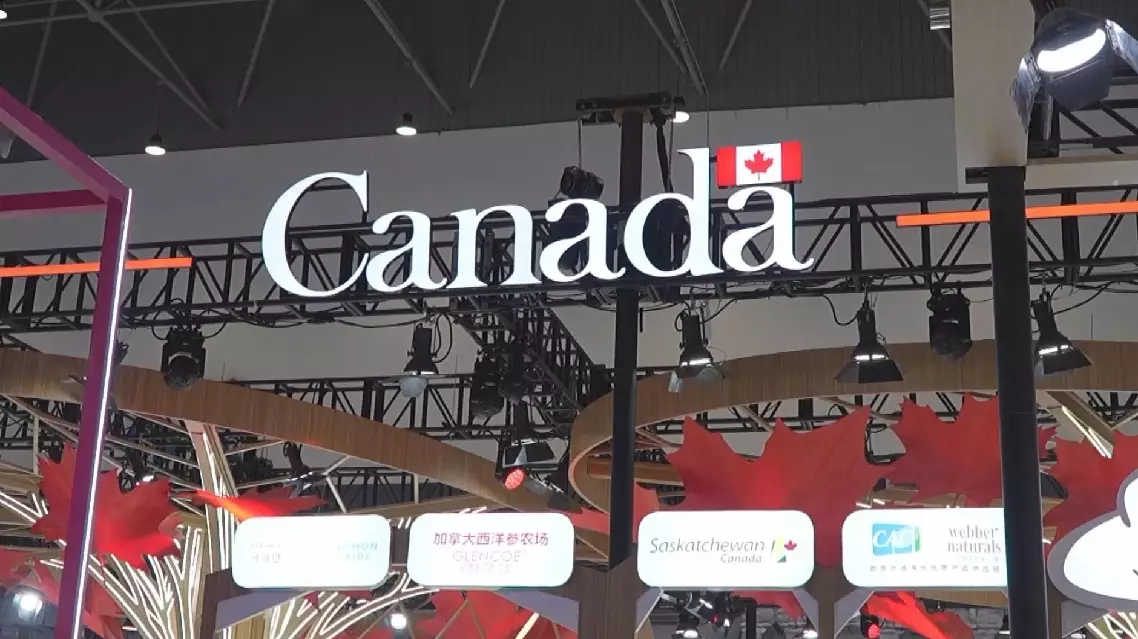
Canadian officials, exhibitors hail role of Hainan consumer products expo in trade promotion