GREENSBORO, N.C. (AP) — A federal judge refused Sunday to help in attempts to open early voting sites at three public North Carolina universities, declining requests to overrule decisions by Republican-controlled elections boards leading up to the state’s upcoming primary.
U.S. District Judge William Osteen rejected arguments by the College Democrats of North Carolina and some students that they were likely to win a recent lawsuit because decisions by GOP board members placed undue burdens on the right to vote.
The decision by Osteen — nominated to the bench by President George W. Bush — to deny a preliminary injunction or a temporary restraining order can be appealed.
Early in-person voting for the March 3 primary begins this coming Thursday. It features nomination races for U.S. Senate and House, the legislature and local elections.
Osteen also wrote that formally backing efforts to open the sites so close to voting could risk confusion.
Osteen’s ruling marks a key decision on policy preferences by the State Board of Elections and elections boards in all 100 counties since a state lawrecently shifted them from having Democratic majorities to Republican majorities.
The College Democrats of North Carolina — an arm of the state party — and four voters sued in late January accusing the state board and boards in Jackson and Guilford counties of violating the U.S. Constitution.
The lawsuit involves votes by the state board and the two county boards to not include early voting sites at Western Carolina University, the University of North Carolina at Greensboro and North Carolina A&T State University, also in Greensboro. A&T is the largest historically Black university in the country.
An early voting site at Western Carolina has operated regularly since 2016. Sites at the Greensboro campuses have been offered in recent presidential-year elections but not in midterm elections.
Voting sites are offered at college campuses elsewhere in the state. Same-day registration is available at early voting sites.
Without the sites, the lawsuit says, students will be forced to travel off-campus to vote, imposing time and money upon those least familiar with voting.
Lawyers for the boards defended the panels' actions, writing in legal briefs that there is no requirement boards must retain voting sites used in previous election cycles, and that site decisions were based on reasonable circumstances like parking access and past turnout.
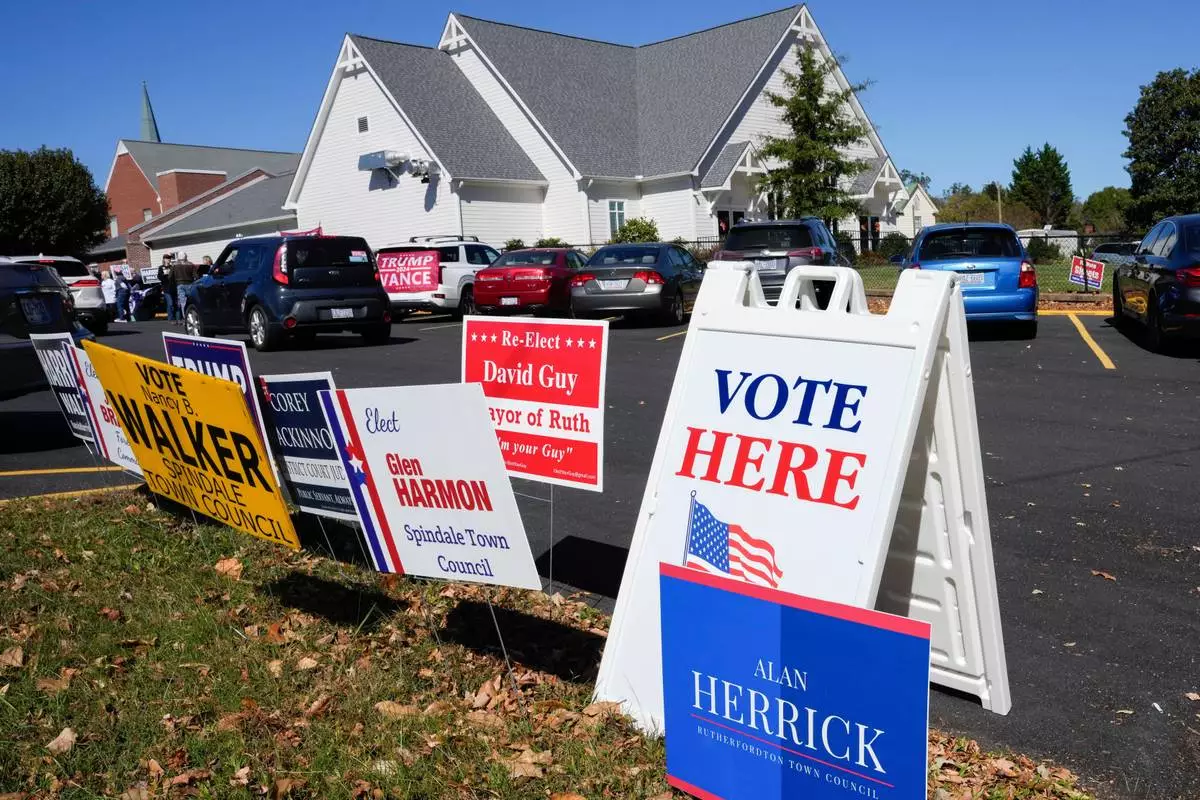
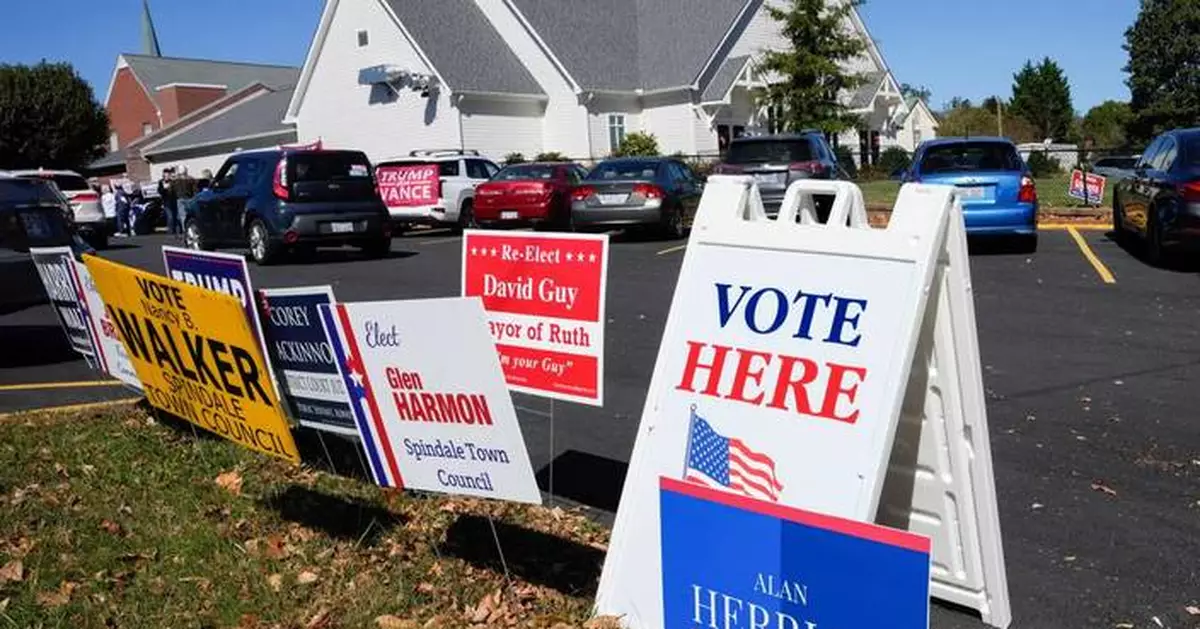
FILE - A Vote Here sign is posted amongst political signs as people arrive to vote at the Rutherford County Annex Building, an early voting site, Oct. 17, 2024, in Rutherfordton, N.C. (AP Photo/Kathy Kmonicek, File)
CLEVELAND (AP) — Tristan Peters fouled off 12 pitches in an 18-pitch plate appearance that keyed Chicago's six-run outburst in the sixth inning and the White Sox beat the Cleveland Guardians 7-3 on Monday night to stay atop the AL Central.
Kyle Teel hit a two-run double and Miguel Vargas connected for a two-run homer following Peters' lengthy plate appearance — the longest in MLB this season, and tied for the third longest since 2000.
The White Sox, who lost 102 games and finished last in 2025, won the opener of the showdown series to push their lead over the Guardians to 1 1/2 games. Chicago has led the division since July 4.
Sean Burke (9-7) didn't allow an earned run in five innings and Chicago's bullpen kept the Guardians in check as the White Sox improved to 7-4 against Cleveland to clinch the season series and tiebreaker.
The Guardians altered their rotation so Gavin Williams (13-8) could start the opener, and the right-hander gave them five solid innings. They needed six.
Chicago chased Williams and scored six in the sixth, helped by Peters' scrappiness in the batter's box and an error.
Andrew Benintendi singled and went to second on a wild pitch before Peters stayed alive by fouling off 12 pitches with two strikes and walking. Tim Herrin got Colson Montgomery to ground to first baseman Nathaniel Lowe, but his throw to second struck Peters' helmet, allowing Benintendi to score.
Chase Meidroth followed with an RBI single to make it 2-0, and the White Sox got the big hits they've been craving as Teel doubled and Vargas hit his 31st homer.
Prior to Teel's double, the White Sox were 1 for 15 with the bases loaded in the past 15 games.
White Sox RHP Davis Martin (9-7, 4.05 ERA) starts against Foster Griffin (15-5, 3.65), who beat Chicago earlier this season while with Washington.
This story has been updated to correct that Peters had a plate appearance, not an at-bat.
AP MLB: https://apnews.com/hub/mlb
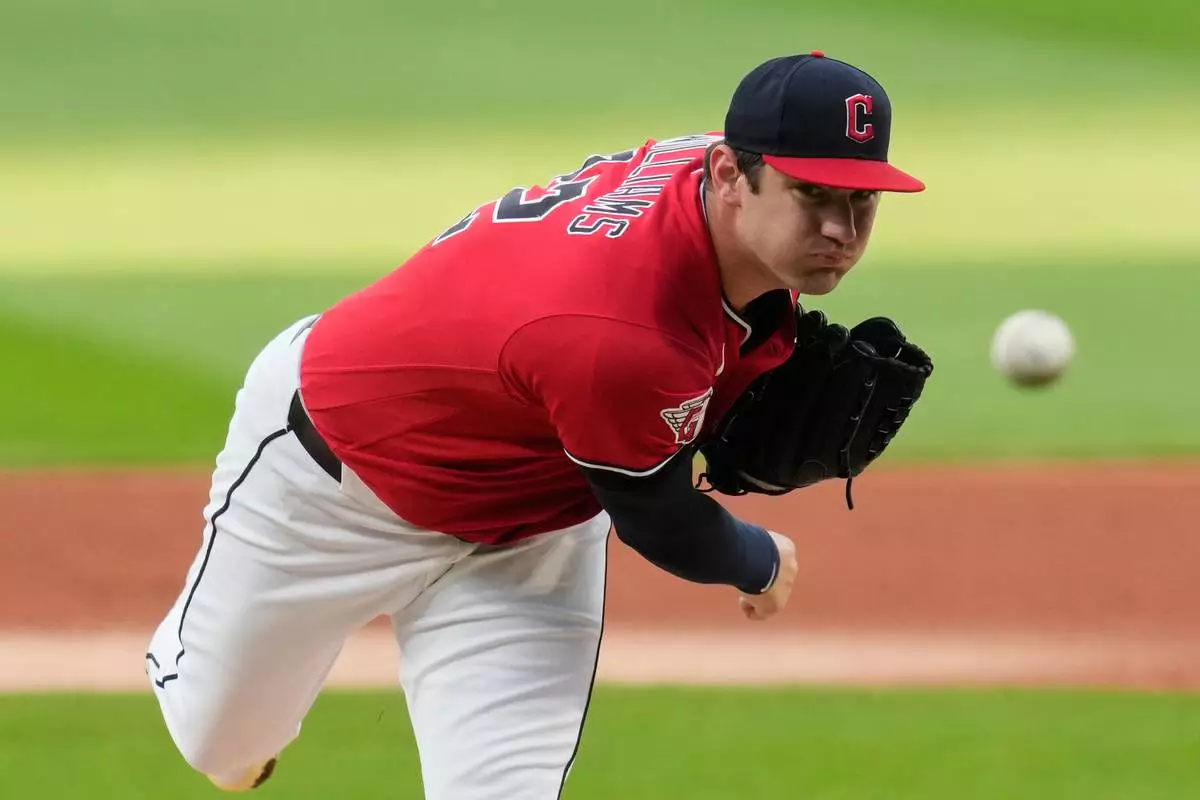
Cleveland Guardians' Gavin Williams pitches in the first inning of a baseball game against the Chicago White Sox in Cleveland, Monday, Sept. 14, 2026. (AP Photo/Sue Ogrocki)
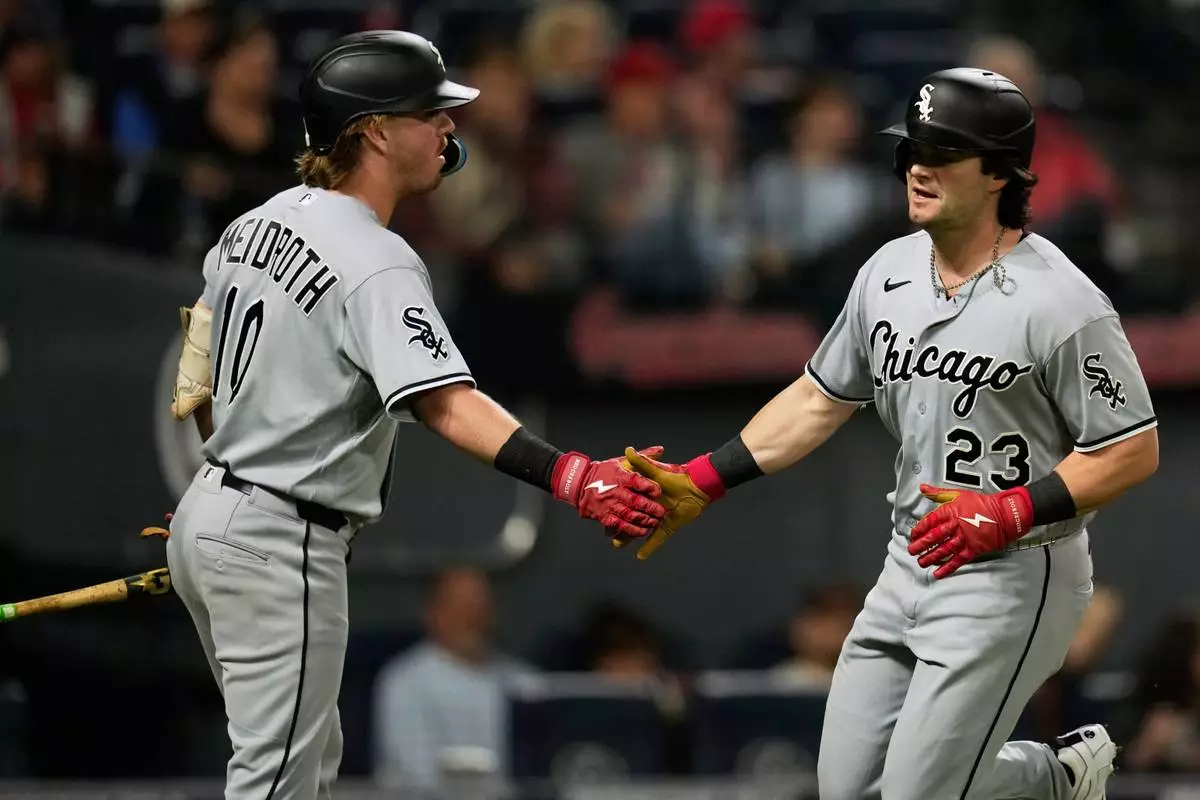
Chicago White Sox's Andrew Benintendi (23) is congratulated by Chase Meidroth, left, after scoring in the sixth inning of a baseball game against the Cleveland Guardians in Cleveland, Monday, Sept. 14, 2026. (AP Photo/Sue Ogrocki)
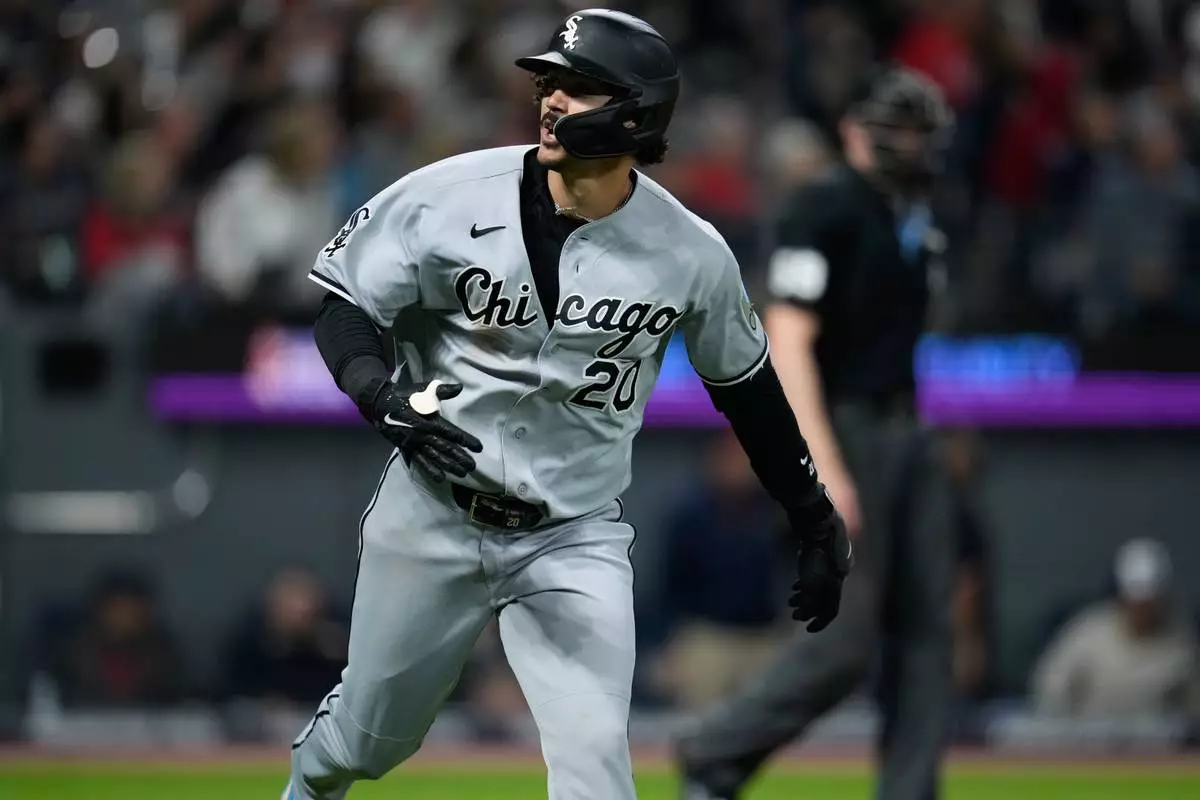
inning of a baseball game in Cleveland, Monday, Sept. 14, 2026. (AP Photo/Sue Ogrocki)
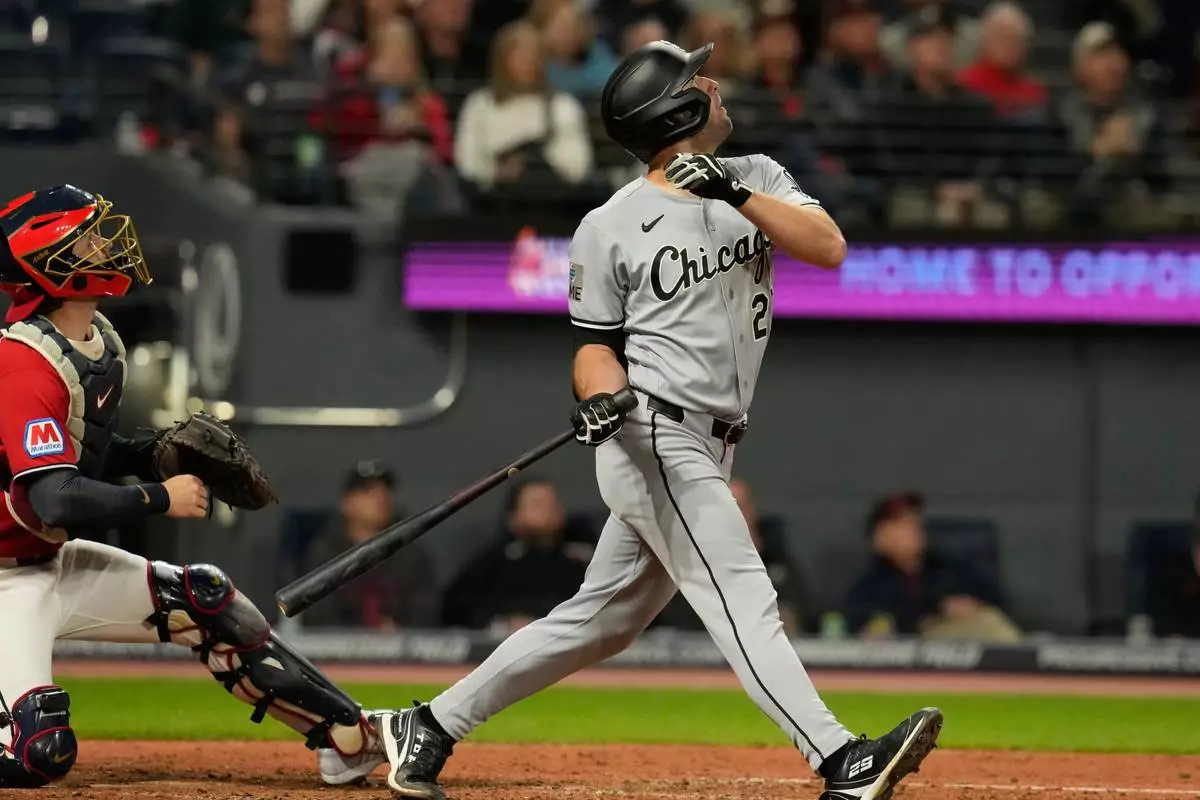
Chicago White Sox's Tristan Peters, right, and Cleveland Guardians catcher Patrick Bailey, left, watch a foul ball hit by Peters in the sixth inning of a baseball game in Cleveland, Monday, Sept. 14, 2026. (AP Photo/Sue Ogrocki)
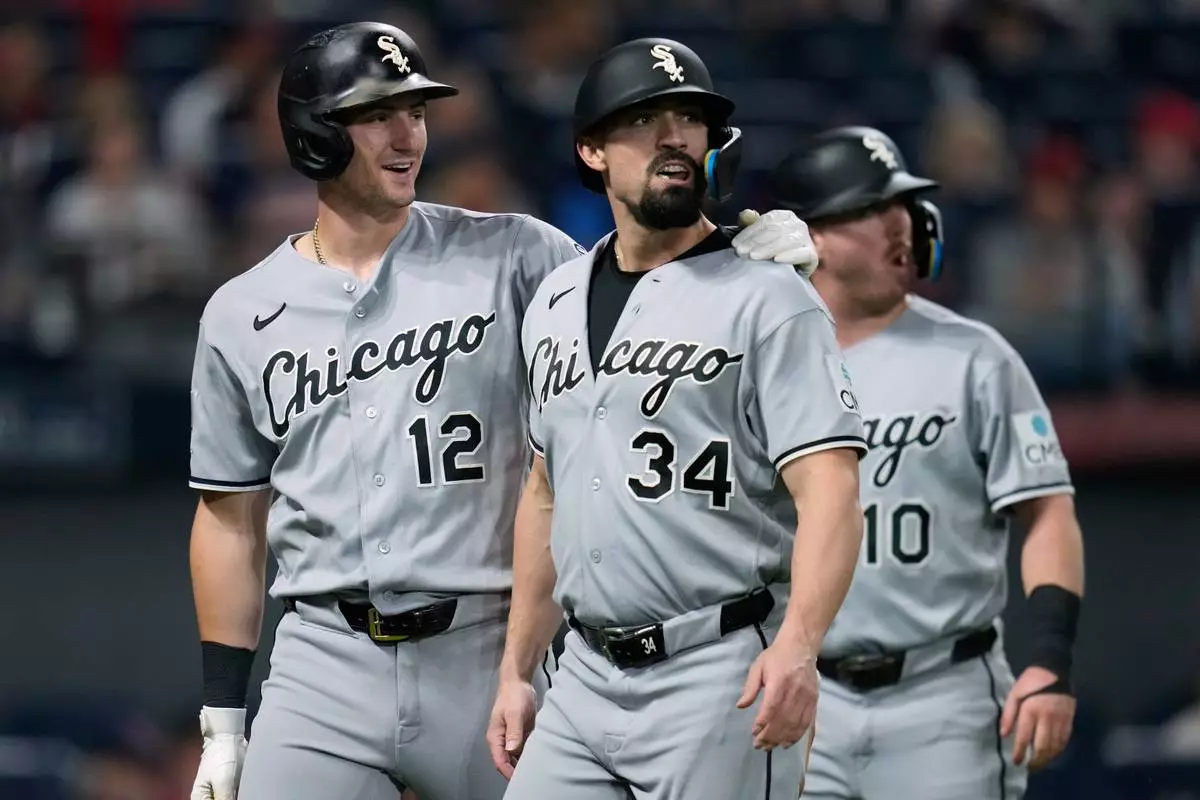
Chicago White Sox's Colson Montgomery (12), Randal Grichuk (34) and Chase Meidroth (10) walk back to the dugout after Montgomery and Meidroth scored and Gricjhuk was tagged out at home on a double hit by Kyle Teel in the sixth inning of a baseball game in Cleveland, Monday, Sept. 14, 2026. (AP Photo/Sue Ogrocki)