Japan's real wages in 2025 dropped 1.3 percent from a year earlier, down for the fourth consecutive year as soaring prices erased pay hikes, government data showed Monday.
Nominal wages, or the average monthly cash earnings per worker including base and overtime pay, rose 2.3 percent last year to 355,919 yen (about 2,260 U.S. dollars), marking the fifth consecutive year of increase without considering inflation, according to the Ministry of Health, Labor and Welfare.
Meanwhile, consumer prices climbed 3.7 percent in the reporting year, accelerating from a 3.2 percent gain in the previous year, weighing on inflation-adjusted wages, a barometer of consumer purchasing power.
Real wages affect private consumption, which accounts for more than half of Japan's gross domestic product.
In December alone, real wages at workplaces with five or more employees fell 0.1 percent from the previous year, down for the 12th straight month, while nominal wages rose 2.4 percent to 631,986 yen, up for the 48th straight month, the ministry said.
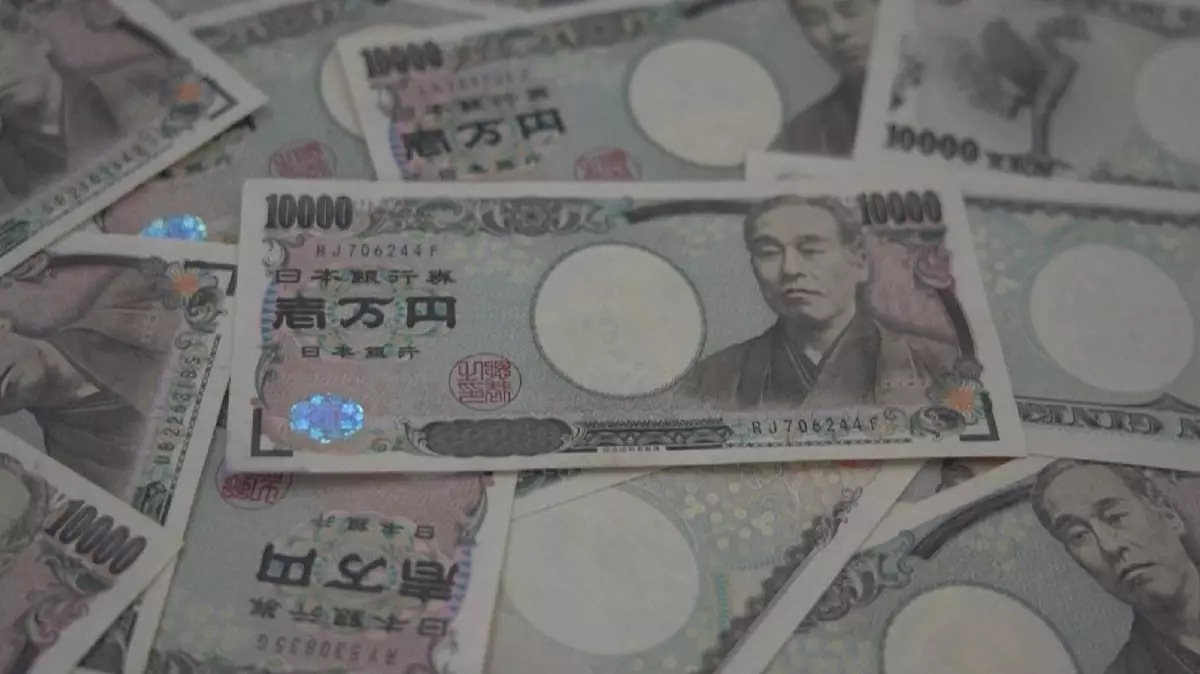
Japan's real wages in 2025 fall for 4th straight year amid surging prices
China has delivered a significant batch of emergency humanitarian aid to Iran, consisting of 58 tonnes of urgently needed medical supplies, as Iran grapples with the consequences of the recent conflict with the United States and Israel.
The aid was formally handed over on Wednesday during a signing ceremony in Tehran between the Chinese Embassy in Iran and the Iranian Red Crescent Society. Chinese Ambassador to Iran Cong Peiwu and President of the Iranian Red Crescent Society Pir Hossein Kolivand attended the event.
Cong said that China has always been concerned about the Iranian people and will continue to work with the international community to promote the early restoration of peace and stability in the Middle East.
"This aid package, totaling 58 tonnes, consists entirely of medicines. The recent war launched by the United States and Israel has caused a major humanitarian disaster for Iran, and medicine is in urgent need. Through this assistance, we hope to demonstrate the deep friendship of the Chinese people toward the Iranian people and help them overcome these hardships as soon as possible," said Cong.
Kolivand expressed sincere gratitude to China for extending a helping hand during difficult times and for providing valuable support to Iran on various occasions.
"In addition to China's support for the Iranian government, China's humanitarian aid has also been delivered to Iran. This assistance reflects China's care and compassion for our country and people. We extend our heartfelt gratitude, with special appreciation for the delivery of nearly 60 tonnes of medicine from China," he said.
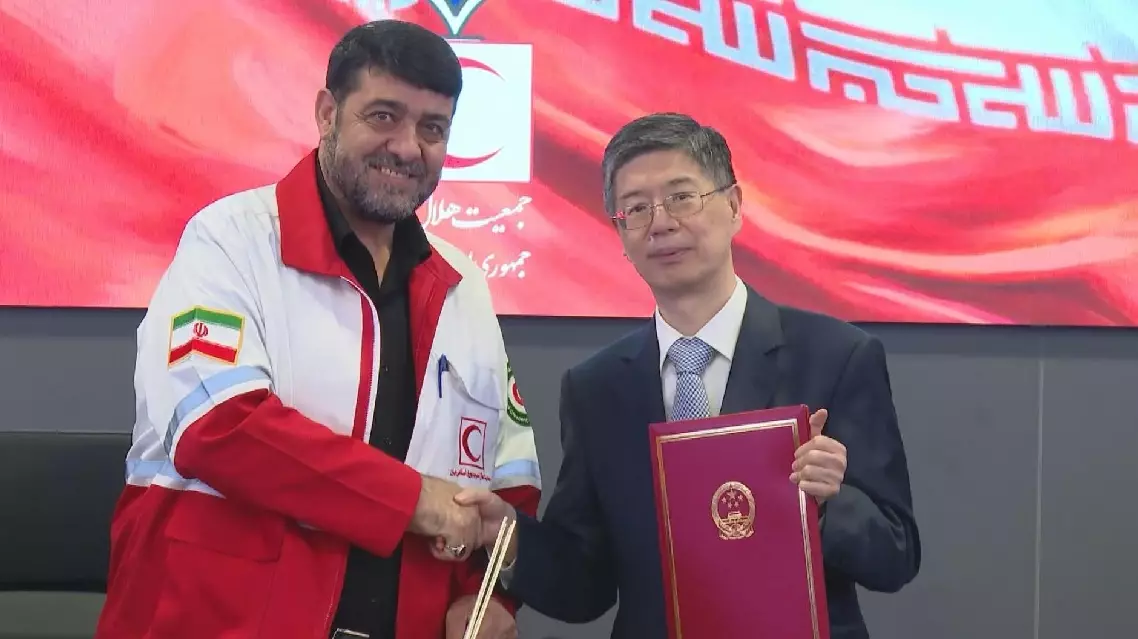
China provides emergency humanitarian aid to Iran