Skip to Content Facebook Feature Image

Mongkok Shop Suspected of Illegal Medical Procedures Without License, Seized Devices and Drugs During Enforcement Operation

HK

Mongkok Shop Suspected of Illegal Medical Procedures Without License, Seized Devices and Drugs During Enforcement Operation
HK

HK

Mongkok Shop Suspected of Illegal Medical Procedures Without License, Seized Devices and Drugs During Enforcement Operation

2026-02-12 19:05 Last Updated At:02-13 12:43

Shop providing RGA hair growth service suspected of operating unlicensed day procedure centre and possessing unregistered pharmaceutical product or Part 1 poison

The Department of Health (DH) today (February 12) announced that a shop in Mongkok, operating without a day procedure centre (DPC) licence, is suspected of illegally performing autologous cell transplant and platelet-rich plasma injections. This contravenes the Private Healthcare Facilities Ordinance (Cap. 633) (the Ordinance) which prohibits operating a DPC without a licence.

Earlier, the DH received intelligence that a shop at Langham Place Office Tower, 8 Argyle Street, Mongkok, was promoting Regenera Activa (RGA) procedures, claiming that autologous cell injections into the scalp could stimulate hair growth. According to DH's records, the shop did not hold a DPC licence but was suspected of conducting related business. The DH, together with the Police, conducted a joint enforcement operation yesterday (February 11).

During the operation, devices and equipment used for RGA procedures and platelet-rich plasma processing and injections, as well as relevant records, were seized. The DH also seized 24 boxes of controlled drugs suspected to contain "Tirzepatide", which is a Part 1 poison and a prescription drug under the Pharmacy and Poisons Ordinance (Cap. 138). The product is alsosuspected to be an unregistered pharmaceutical product.The shop is therefore suspected of illegally possessing unregistered pharmaceutical products or Part 1 poisons.

In addition, doctors practising at the shop are suspected of performing high-risk medical procedures in premises without appropriate licence, therefore failing to act in patients' best interest when providing medical care. The DH has referred the case to the Medical Council of Hong Kong for follow-up.

The DH's investigation is ongoing. Appropriate actions will be taken against the shop and its responsible persons based on the evidence collected.

The RGA procedure offered by the shop involves autologous transplantation. Under the Ordinance, transplantation of any cells, tissues or organs, including autograft, allograft, xenograft, processed tissue or blood products (such as platelet-rich plasma) and skin flap, are scheduled medical procedures. Such procedures, when performed in an ambulatory setting, must take place in a licensed DPC. Any person operating a DPC without a licence commits an offence and is liable on conviction to a fine of $100,000 and imprisonment for three years.

Furthermore, under the Pharmacy and Poisons Ordinance, the illegal sale or possession of unregistered pharmaceutical products or Part 1 poisons constitutes a criminal offence. The maximum penalty for each offence upon conviction is a fine of $100,000 and two years' imprisonment.

The DH reminded business operators that premises providing medical procedures, including RGA or platelet-rich plasma injection, must obtain a DPC licence under the Ordinance. To assist the public in identifying licensed or exempted facilities, the DH has established the Private Healthcare Facilities Register, which lists all private healthcare facilities with valid licences and exemptions. DPCs must display their licence in a conspicuous place. Each licence bears a QR code that can be scanned using the eHealth app to verify its validity. For more information, please visit the DH's Office for Regulation of Private Healthcare Facilities webpage.
The Department of Health (DH), Photo source: reference image
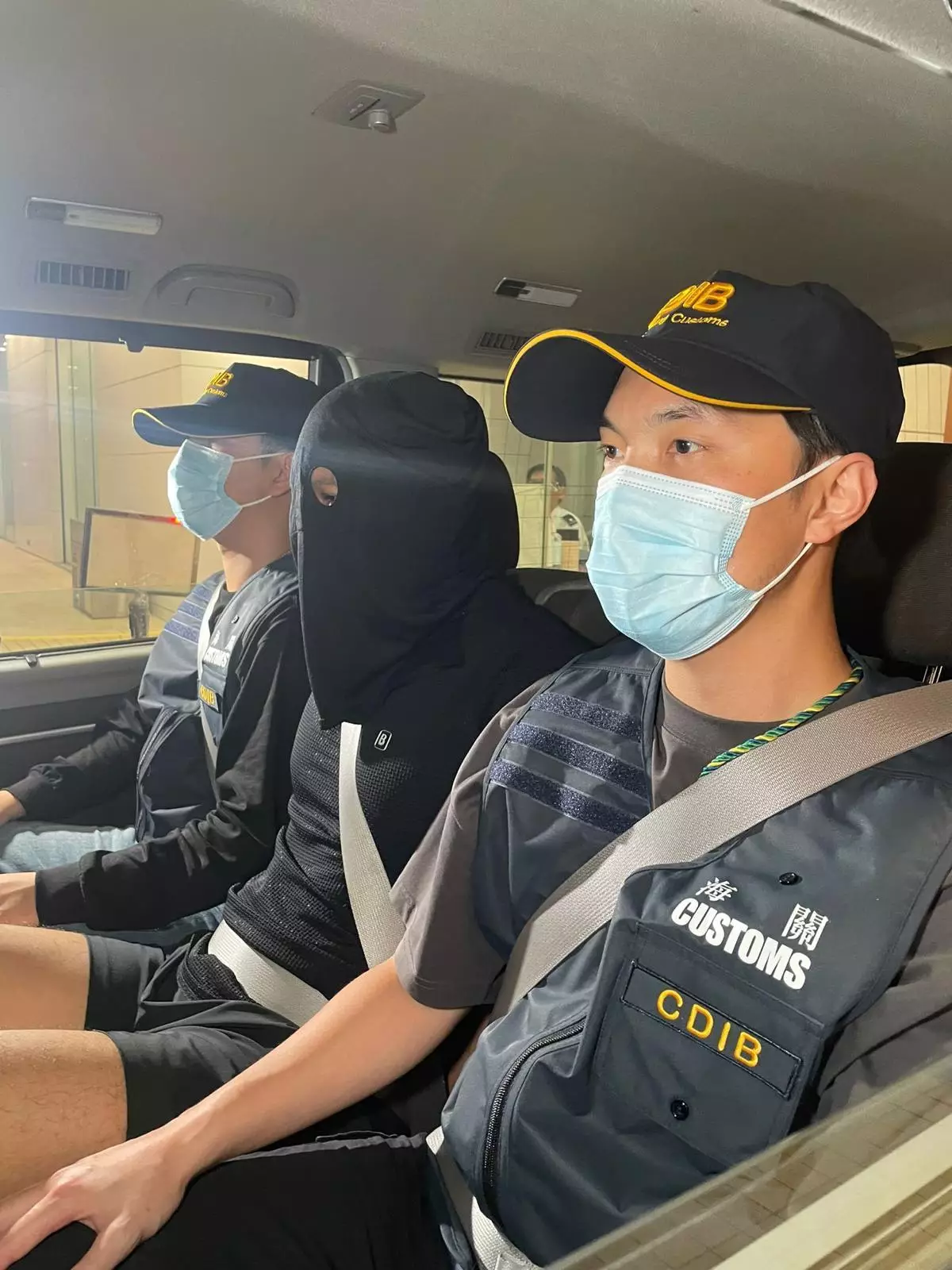
The Department of Health (DH), Photo source: reference image
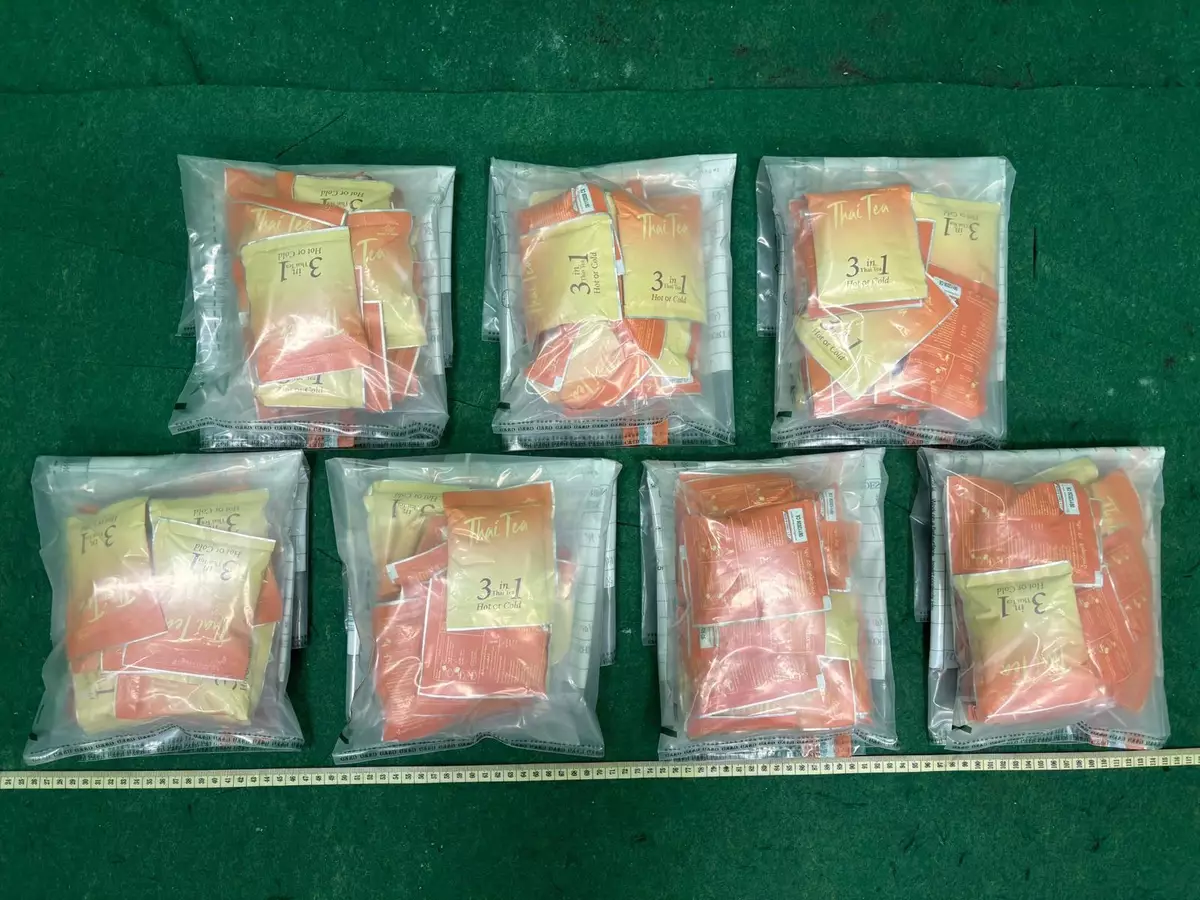
Hong Kong Customs detects two dangerous drugs cases and seizes suspected drugs worth about $3.4 million

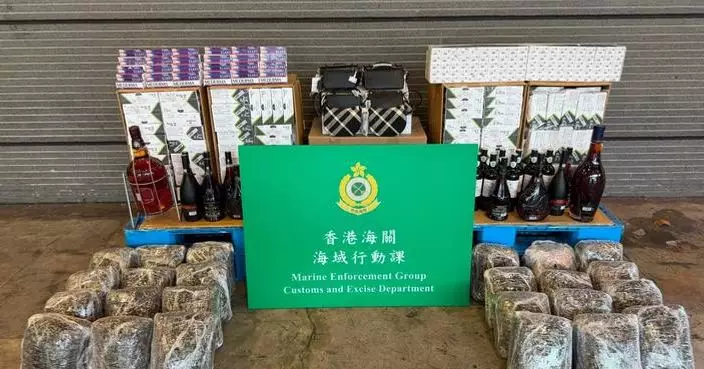
Hong Kong Customs detected two dangerous drugs cases in Hong Kong International Airport and Yau Ma Tei respectively on April 1 and yesterday (April 2), and seized a total of about 3.1 kilograms of suspected ketamine, about 1.7 kilograms of suspected cocaine and about 1.7 kilograms of suspected methamphetamine with a total estimated market value of about $3.4 million. Two persons suspected to be connected with the cases were arrested.

In the first case, a 43-year-old male passenger arrived in Hong Kong from Bangkok, Thailand on April 1. During customs clearance, Customs officers found about 3.1 kilograms of suspected ketamine concealed inside food packaging in his baggage. The man was subsequently arrested.

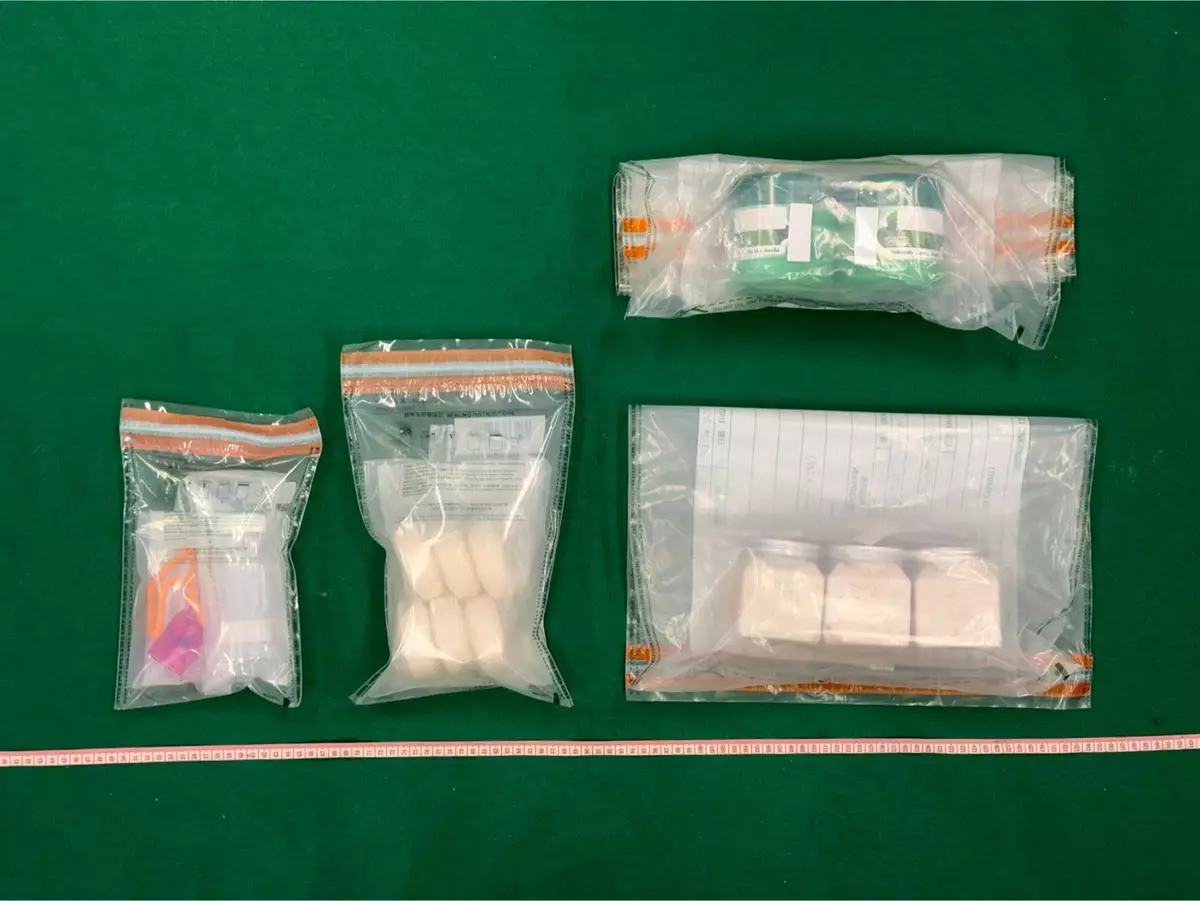
In the second case, during an anti-narcotics operation conducted in Yau Ma Tei on April 2, Customs officers intercepted a 41-year-old man and later escorted him to a hotel room nearby for a search and seized about 1.7 kilograms of suspected cocaine, about 1.7 kilograms of suspected methamphetamine, a drug inhaling apparatus and a batch of drug packaging paraphernalia. The man was subsequently arrested.

The arrested persons have been charged with one count of trafficking in a dangerous drug respectively and will appear at the Kwun Tong Magistrates' Courts tomorrow (April 4).

Customs will continue to step up enforcement against drug trafficking activities through intelligence analysis. The department also reminds members of the public to stay alert and not to participate in drug trafficking activities for monetary return. They must not accept hiring or delegation from another party to carry controlled items into and out of Hong Kong. They are also reminded not to carry unknown items for other people, nor to release their personal data or home address to others for receiving parcels or goods.

Customs will continue to apply a risk assessment approach and focus on selecting passengers from high-risk regions for clearance to combat transnational drug trafficking activities.

Under the Dangerous Drugs Ordinance, trafficking in a dangerous drug is a serious offence. The maximum penalty upon conviction is a fine of $5 million and life imprisonment.

Members of the public may report any suspected drug trafficking activities to Customs' 24-hour hotline 182 8080 or its dedicated crime-reporting email account (crimereport@customs.gov.hk) or online form (eform.cefs.gov.hk/form/ced002).

Hong Kong Customs detects two dangerous drugs cases and seizes suspected drugs worth about $3.4 million  Source: HKSAR Government Press Releases

Hong Kong Customs detects two dangerous drugs cases and seizes suspected drugs worth about $3.4 million Source: HKSAR Government Press Releases

Hong Kong Customs detects two dangerous drugs cases and seizes suspected drugs worth about $3.4 million  Source: HKSAR Government Press Releases

Hong Kong Customs detects two dangerous drugs cases and seizes suspected drugs worth about $3.4 million Source: HKSAR Government Press Releases

Hong Kong Customs detects two dangerous drugs cases and seizes suspected drugs worth about $3.4 million  Source: HKSAR Government Press Releases

Hong Kong Customs detects two dangerous drugs cases and seizes suspected drugs worth about $3.4 million Source: HKSAR Government Press Releases

Recommended Articles