Skip to Content Facebook Feature Image

Encora Therapeutics Receives FDA 510(k) Clearance for Encora X1™, a Breakthrough Wearable Device for Essential Tremor

News

Encora Therapeutics Receives FDA 510(k) Clearance for Encora X1™, a Breakthrough Wearable Device for Essential Tremor
News

News

Encora Therapeutics Receives FDA 510(k) Clearance for Encora X1™, a Breakthrough Wearable Device for Essential Tremor

2026-02-12 20:00 Last Updated At:20:10

BOSTON--(BUSINESS WIRE)--Feb 12, 2026--

Encora Therapeutics, a leader in non-invasive neuromodulation technology, today announced that the U.S. Food and Drug Administration (FDA) has granted 510(k) clearance for the Encora X1™.

This press release features multimedia. View the full release here: https://www.businesswire.com/news/home/20260212105349/en/

This clearance is supported by data from two clinical studies: a randomized, sham-controlled trial and a 90-day home-use study. Together, these studies demonstrated consistent improvements in tremor severity and functional tasks, showcasing the device's ability to aid in daily activities such as eating, drinking, and writing.

The clearance authorizes the commercial marketing of the Encora X1 as a prescription wearable device to aid in the relief of hand tremors in the treated limb during stimulation in adults with essential tremor (ET).

"The data demonstrate meaningful improvement in tremor severity and functional outcomes for patients with limited options,” said Ann Murray, M.D., principal investigator and chief of the WVU Rockefeller Neuroscience Institute (RNI) Comprehensive Movement Disorder Center. “For the 7 million Americans suffering from essential tremor, medications are often ineffective or poorly tolerated, leaving invasive brain therapy as the only alternative. Non-invasive technologies like this represent an important area of innovation in the treatment of essential tremor.”

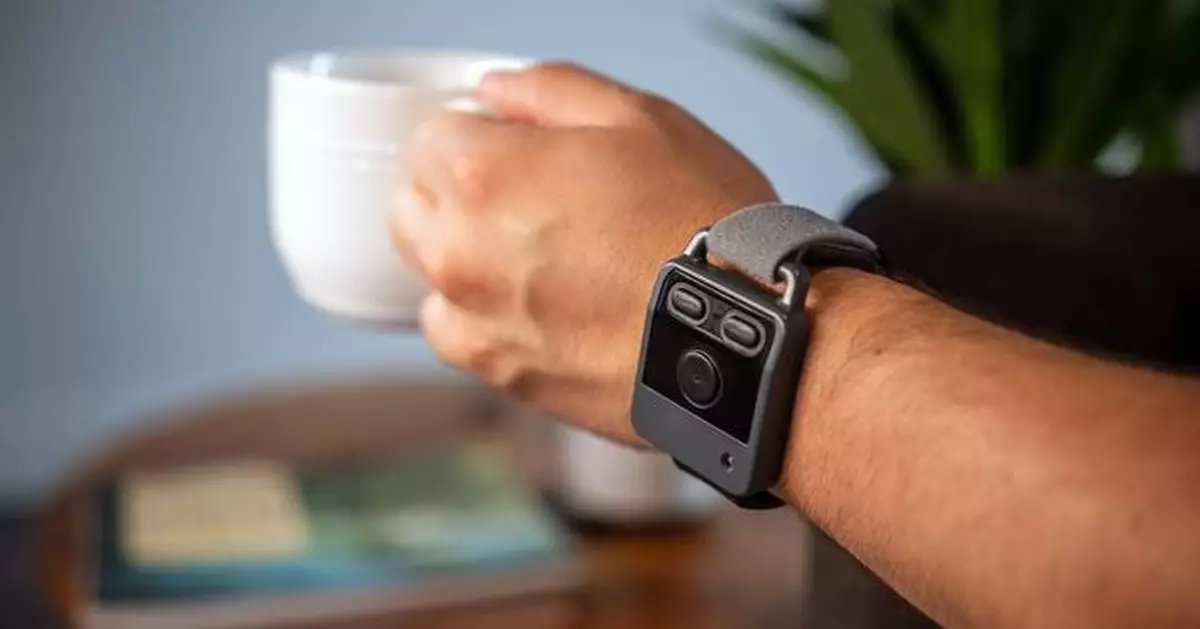
The Encora X1 is a noninvasive, wrist-worn neurostimulation device, roughly the size of a smart watch, designed to sense tremor rhythm and deliver a customized stimulation that disrupts the tremor signal, providing patients with stability and improved motor control during daily activities, such as drinking soup with a spoon, dialing a telephone, or plugging a cord into an electric outlet.

“We started Encora with a simple goal: to restore independence for movement disorder patients. Today, we are one step closer to making that vision a reality,” said Alli Davanzo, Co-Founder and Vice President of Business Operations. “Encora X1 offers a non-surgical, drug-free alternative, allowing patients to manage their symptoms on their own terms.”

“This clearance represents the culmination of rigorous research and patient-centric design,” said Nadim Yared, Chief Executive Officer of Encora Therapeutics. “We are eager to bring this novel solution to patients who have long waited for more options.”

About the Encora X1™

The Encora X1 utilizes proprietary algorithms to analyze a patient’s tremor in real time. It delivers targeted stimulation to the wrist, modulating the neural pathways responsible for the tremor. The device is lightweight, discreet, and allows for seamless integration into daily life, ensuring that relief is available when it is needed most.

About Encora Therapeutics

Encora Therapeutics is a leading innovator in neuromodulation technology, dedicated to developing non-invasive solutions to improve the lives of individuals with movement disorders, such as essential tremor. The company was founded by graduates of the Massachusetts Institute of Technology, and is headquartered in Boston, MA. Learn more at encoratherapeutics.com. Reach us at info@encoratherapeutics.com.

Important Safety Information The Encora X1 is available by prescription only. It is not a cure for essential tremor. In clinical trials, device-related adverse events were non-serious and self-resolving. Reported side effects include numbness, skin irritation (rash), muscle weakness, discomfort/pain, buzzing/tingling sensation, and possible temporary worsening of tremor. Caution: Federal law restricts this device to sale by or on the order of a physician.
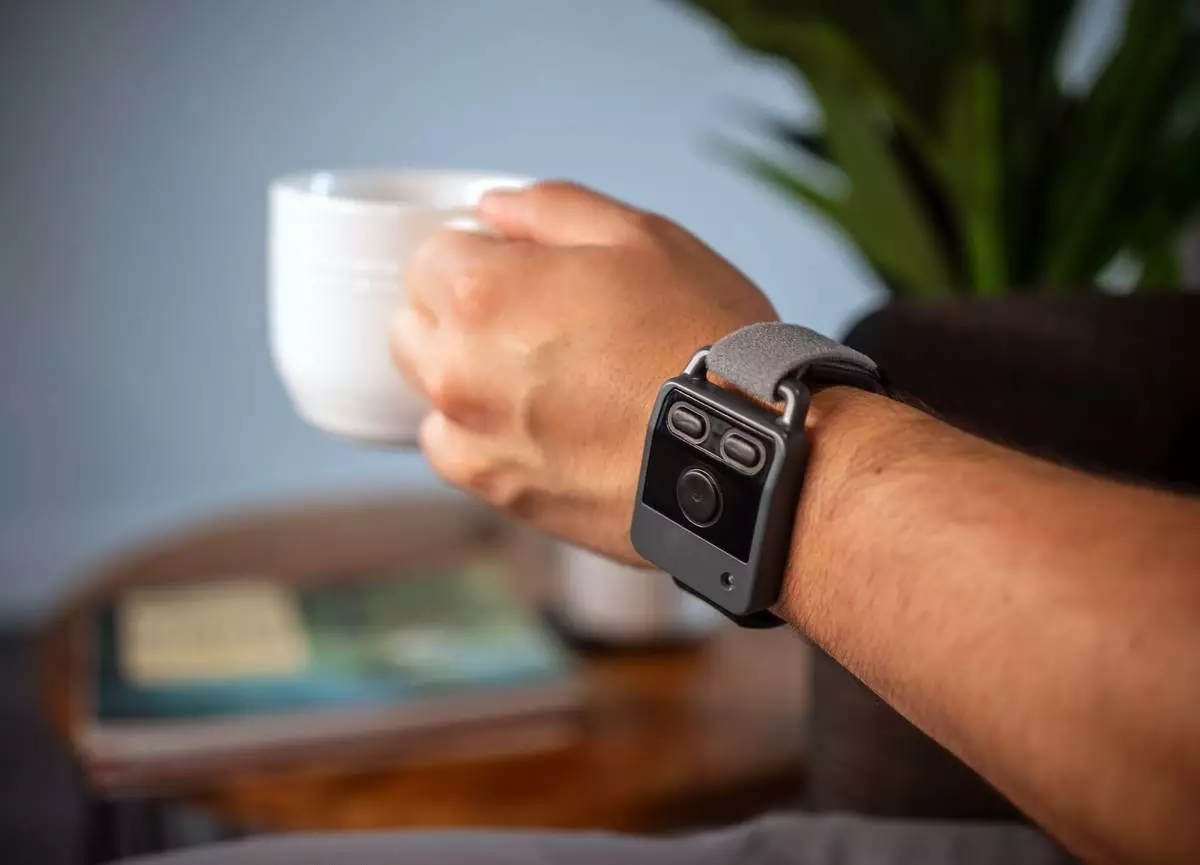
The Encora X1™ wearable device has received 510(k) clearance from the U.S. Food and Drug Administration. It is available by prescription only for patients suffering from essential tremor (ET).


The Encora X1™ wearable device has received 510(k) clearance from the U.S. Food and Drug Administration. It is available by prescription only for patients suffering from essential tremor (ET).

CORTINA D'AMPEZZO, Italy (AP) — Italian skier Federica Brignone's long, painful climb back to the top is complete.

The 35-year-old earned the first Olympic gold medal of her decorated career by winning the women's super-G on Thursday.

Less than a year removed from breaking multiple bones in her left leg — which resulted in two surgeries and months of rehab — Brignone navigated the tricky technical Trofane course in 1:23.41.

Romane Miradoli of France and Cornelia Huetter of Austria were in silver and bronze position as the back half of the field — typically filled with less-accomplished racers — prepared to hit the starting gate.

Racing in foggy conditions in flat light the can make the nuances of the course difficult to navigate, and with IOC President Kirsty Coventry and Italy President Sergio Mattarella near the finish below, Brignone triumphantly raised her poles after crossing the line.

Brignone's victory made her the oldest female gold medalist in women's alpine. The gold is also her fourth Olympic medal. Brignone claimed silver in the super-G and bronze in the team event in Beijing four years ago. She also earned bronze in the super-G in Pyeongchang in 2018. Brignone's four medals under the rings now match Deborah Compagnoni for most by an Italian women's skier.

Brignone was precise and fast, a combination hard to come by for many top contenders whose runs were over long before the finish.

Downhill champion Breezy Johnson of the U.S. caught her right pole on a gate shortly after exiting the speed-building chute at the course and lost her balance. She ended up in the catch fence but was able to get to her feet.

Johnson was hardly the only one who ran into trouble. Italy's Sofia Goggia, currently atop the World Cup season standings in the super-G, 2018 Olympic gold medalist Ester Ledecka of Czechia and American Mary Bocock, in the race after U.S. star Lindsey Vonn severely injured her left leg in the downhill on Sunday, were all unable to make it down safely.

Brignone was one of four flag bearers for Italy during the opening ceremonies. At one point, still bothered by the pain in her left leg nearly 10 months after her terrifying crash in Val di Fassa, Brignone asked curler Amos Mosaner to carry her on his shoulders. Mosaner obliged, leaving Brignone free to wave the flag.

The familiar combination of red, white and green was visible across a wide swath of stands on Thursday when Brignone finished, as a crowd emboldened by the early success of the host country roared at the 2026 Games roared its approval.

“Congrats Fede,” Vonn tweeted. “What an incredible comeback!!”

AP Winter Olympics: https://apnews.com/hub/milan-cortina-2026-winter-olympics

Italy's Federica Brignone celebrates at the finish area of an alpine ski, women's super-G race, at the 2026 Winter Olympics, in Cortina d'Ampezzo, Italy, Thursday, Feb. 12, 2026. (AP Photo/Jacquelyn Martin)

Italy's Federica Brignone celebrates at the finish area of an alpine ski, women's super-G race, at the 2026 Winter Olympics, in Cortina d'Ampezzo, Italy, Thursday, Feb. 12, 2026. (AP Photo/Jacquelyn Martin)

Italy's Federica Brignone speeds down the course during an alpine ski, women's super-G race, at the 2026 Winter Olympics, in Cortina d'Ampezzo, Italy, Thursday, Feb. 12, 2026. (AP Photo/Andy Wong)

Italy's Federica Brignone speeds down the course during an alpine ski, women's super-G race, at the 2026 Winter Olympics, in Cortina d'Ampezzo, Italy, Thursday, Feb. 12, 2026. (AP Photo/Andy Wong)

Italy's Federica Brignone at the finish area, during an alpine ski, women's super-G race, at the 2026 Winter Olympics, in Cortina d'Ampezzo, Italy, Thursday, Feb. 12, 2026. (AP Photo/Andy Wong)

Italy's Federica Brignone at the finish area, during an alpine ski, women's super-G race, at the 2026 Winter Olympics, in Cortina d'Ampezzo, Italy, Thursday, Feb. 12, 2026. (AP Photo/Andy Wong)

Recommended Articles