RIYADH, Saudi Arabia, Feb. 13, 2026 /PRNewswire/ -- The Royal Commission for Riyadh City, through the Riyadh Art Program, has announced the opening of the Tuwaiq Sculpture 2026 Exhibition, showcasing completed artworks from the 7th edition of the annual international Tuwaiq Sculpture Symposium. The exhibition will take place from February 9 to February 22, 2026, on Prince Mohammed bin Abdulaziz Street (Al Tahlia) in Riyadh and is open to the public free of charge.
Held under the theme Traces of What Will Be, this year's edition explores transformation as both a material process and a condition shaped by the city's evolution, reflecting Riyadh's ongoing renewal. The Al Tahlia site holds historical significance as the location of Riyadh's early water desalination stations, grounding the exhibition within a legacy of innovation, adaptation, and the pursuit of improved quality of life. This context provides a conceptual framework for the works on view.
Click to Gallery
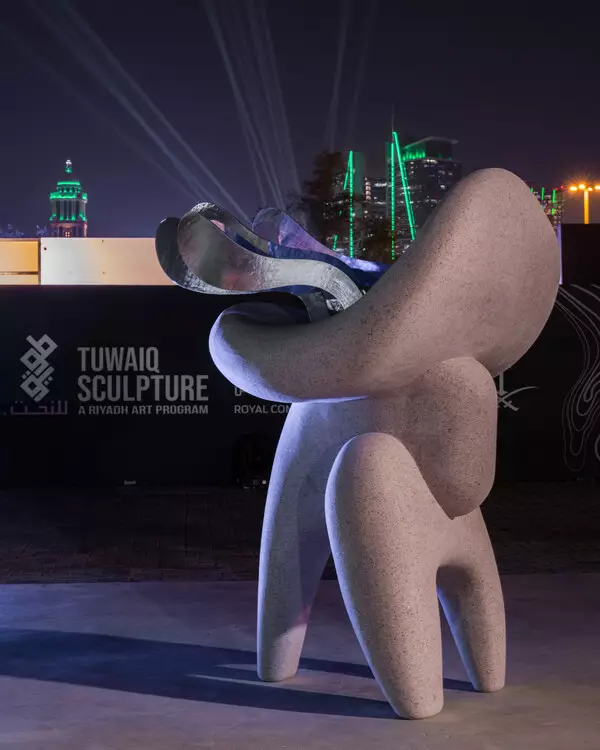
Opening of the Tuwaiq Sculpture 2026 Exhibition Marks Seventh Edition
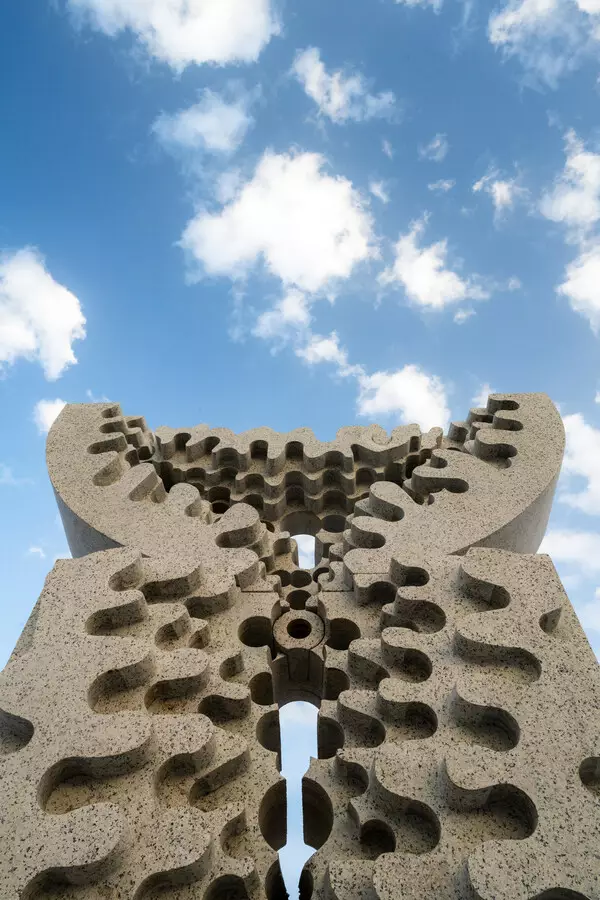
Opening of the Tuwaiq Sculpture 2026 Exhibition Marks Seventh Edition
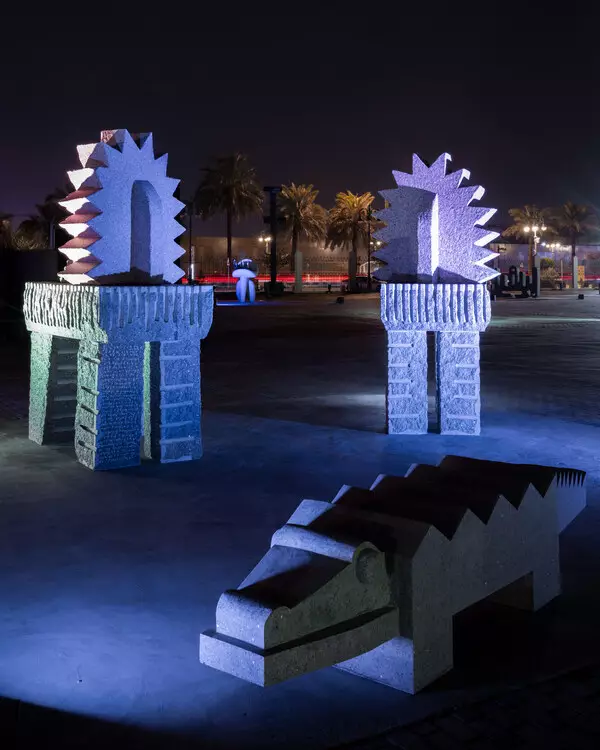
Opening of the Tuwaiq Sculpture 2026 Exhibition Marks Seventh Edition
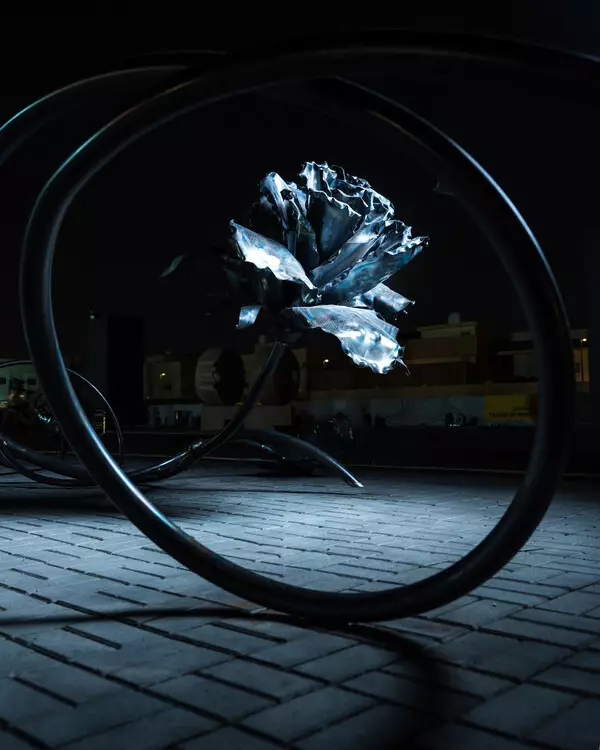
Opening of the Tuwaiq Sculpture 2026 Exhibition Marks Seventh Edition
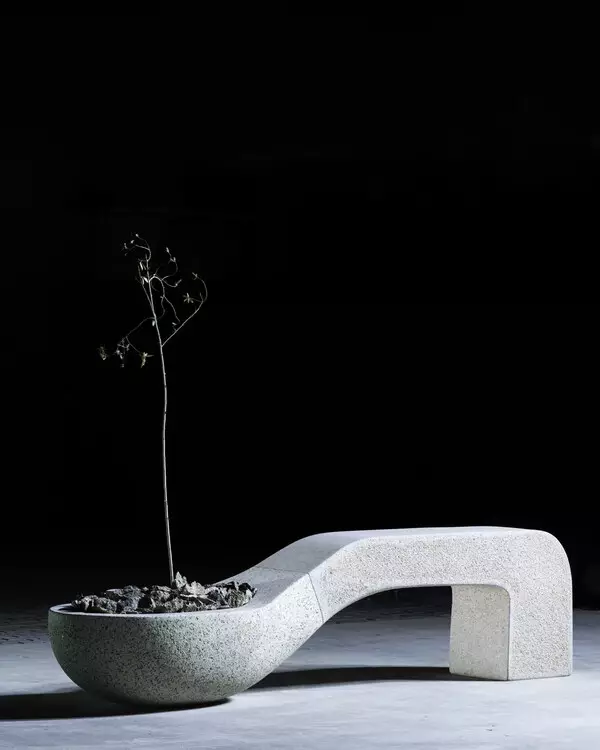
Opening of the Tuwaiq Sculpture 2026 Exhibition Marks Seventh Edition
The exhibition features 25 new large scale sculptures completed during the live sculpting phase, held from January 10 to February 5, 2026, allowing the public to witness the artistic process as it unfolded. Working with locally sourced stone and reclaimed metal, the artists transformed raw materials into finished works, emphasizing process, durability, and material intelligence within the public realm.
The 7th edition of the Tuwaiq Sculpture Symposium and Exhibition brings together Saudi and international artists from 18 countries, selected from more than 650 applications representing 50 countries worldwide through a specialized international jury. The participating artworks present diverse artistic interpretations of the symposium's theme, addressing ideas of memory, responsible use of resources, environmental innovation, and the impact of human intervention within natural and urban contexts.
The curatorial framework for Tuwaiq Sculpture 2026 is overseen by Lulwa Alhomoud, Sarah Staton, and Rut Blees Luxemburg, whose combined expertise in public art, spatial practice, and contemporary visual culture has informed the development of works that engage closely with material, site, and future possibilities.
An interactive program accompanies the exhibition, including workshops, panel talks, and educational visits. This program reinforces the commitment of the Tuwaiq Sculpture Symposium to operate as an open cultural platform that encourages community participation and supports awareness of contemporary art.
All artworks produced during the Tuwaiq Sculpture 2026 edition will join the permanent Riyadh Art Collection and will be installed at prominent public locations across the city in the future, extending the program's impact beyond the exhibition period and integrating contemporary sculpture into public spaces across Riyadh.
Since its launch in 2019, the Tuwaiq Sculpture Symposium has brought together more than 170 local and international artists, with each edition contributing new works to Riyadh Art's Permanent Collection. To date, over 60 sculptures from past editions have been permanently installed across the city, with additional works scheduled for installation in future phases, reflecting the program's long-term approach to expanding public art across Riyadh.
The Tuwaiq Sculpture 2026 Exhibition is open to the public free of charge from February 9 to February 22, 2026, on Prince Mohammed bin Abdulaziz Street (Al Tahlia) in Riyadh.
For more information, please visit: riyadhart.rcrc.gov.sa/en/tuwaiq-sculpture
** The press release content is from PR Newswire. Bastille Post is not involved in its creation. **
Opening of the Tuwaiq Sculpture 2026 Exhibition Marks Seventh Edition
Opening of the Tuwaiq Sculpture 2026 Exhibition Marks Seventh Edition
Opening of the Tuwaiq Sculpture 2026 Exhibition Marks Seventh Edition
Opening of the Tuwaiq Sculpture 2026 Exhibition Marks Seventh Edition
Opening of the Tuwaiq Sculpture 2026 Exhibition Marks Seventh Edition