FEHD steps up inspections of food premises selling poon choi during Chinese New Year period
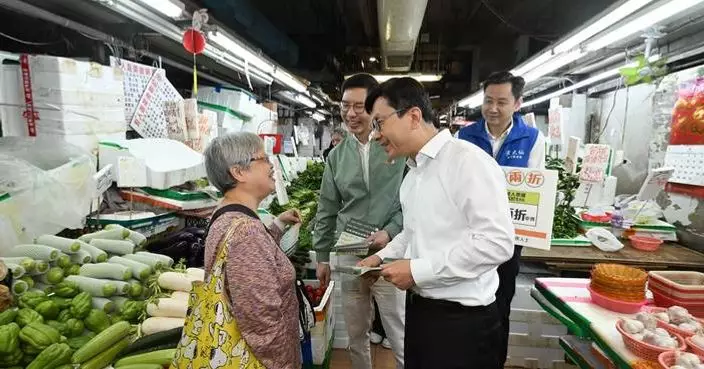
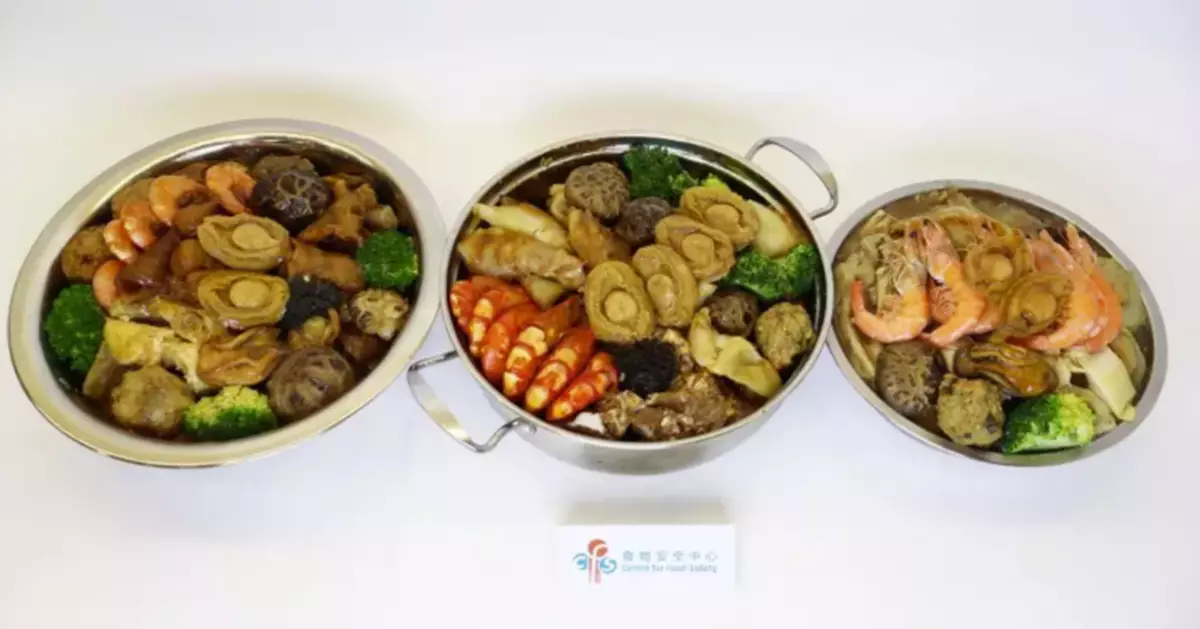
With the Chinese New Year around the corner, the demand for poon choi as a festive food for meal gatherings has significantly increased. A spokesman for the Food and Environmental Hygiene Department (FEHD) said today (February 14) that the department has stepped up inspections of food premises across the territory that sell poon choi, and the operation will continue throughout the Chinese New Year period to safeguard food safety and protect public health.
The spokesman said, "Given that poon choi contains a wide variety of ingredients and involves more complicated preparation and storage procedures, the FEHD has stepped up targeted inspections of relevant premises. Special attention is paid to food preparation and handling, storage, reheating and transportation processes to ensure compliance with the safety standards and relevant legislation. The FEHD will take stringent follow-up actions against any violation identified."
The spokesman said the focuses of the inspections include checking the temperature control of poon choi production and storage to ensure that hot food is kept at or above 60 degrees Celsius while cold food is kept at or below 4 degrees C, and to avoid prolonged storage of food in the danger zone of temperature between 4 degrees C and 60 degrees C. In addition, the inspections also aim to check if raw and cooked foods are separately handled and stored to prevent cross-contamination, the personal hygiene of food handlers and the availability of adequate facilities and cleansing consumables for handwashing at the premises.
Moreover, the Centre for Food Safety (CFS) of the FEHD has earlier completed a seasonal food surveillance project on the microbiological quality of poon choi. Poon choi samples were collected from different retailers (including online retailers) to test for food poisoning organisms including Bacillus cereus, Clostridium perfringens, Salmonella, coagulase-positive staphylococci organisms and Vibrio parahaemolyticus, and all samples passed the tests.
To enhance the trade's awareness of food safety of poon choi, the FEHD officers will distribute leaflets on food safety to operators of relevant premises during inspections, reminding them to adhere to Good Hygiene Practices. It includes proper control of reheating time and temperature, shortening of time for storing food at room temperature and maintenance of appropriate temperatures during transportation. The operators are also urged to clearly notify the customers of the optimal time for collection and reheating methods before consumption of poon choi to reduce the risk of food poisoning.
The FEHD appeals to food businesses to follow the food safety advice below when producing and supplying poon choi:
- ensure that adequate manpower, space, ingredients and facilities such as stoves, refrigerators and hot-holding equipment are available before making poon choi;
- do not entertain orders beyond handling capacity;
- purchase food ingredients from reliable suppliers;
- plan the preparation schedule carefully so that foods that are perishable or easily contaminated are not cooked too far in advance;
- train temporary food handlers before preparation of poon choi to make sure that they are familiar with the working environment and adhere to safe food preparation practices;
- maintain good personal hygiene, and wash hands with liquid soap for at least 20 seconds before handling food to reduce the risk of food contamination;
- cook all ingredients thoroughly with the core temperature reaching 75 degrees C or above for at least 30 seconds;
- keep hot poon choi above 60 degrees C and chilled poon choi at 4 degrees C or below in the refrigerator till it reaches the customers;
- provide written consumption instructions to remind customers of the proper method of storing poon choi that if not for immediate consumption, hot poon choi should be kept at above 60 degrees C while chilled poon choi should be kept in the refrigerator at 4 degrees C or below and be thoroughly reheated before consumption; and
- deliver poon choi to the destination as soon as possible and avoid keeping it under room temperature for prolonged period.
Members of the public should pay attention to the followings when purchasing poon choi:
- order poon choi from reputable licensed shops;
- consume the poon choi as soon as possible after it is collected or cooked, and not to keep it under room temperature for more than two hours;
- keep chilled poon choi at 4 degrees C or below to minimise its exposure to the danger zone of temperature between 4 degrees C and 60 degrees C, thereby reducing the risk of bacterial growth;
- the poon choi should be thoroughly reheated before consumption and consumed as soon as possible, or kept at temperatures above 60 degrees C;
- as poon choi is generally served in a large pot, a longer period of time is required to reheat it thoroughly with the core temperature reaching 75 degrees C or above for at least 30 seconds; and
- maintain a balanced diet and avoid eating too much food with high levels of energy, sugar, salt or fat.
For more food safety information, please visit the CFS website (www.cfs.gov.hk).
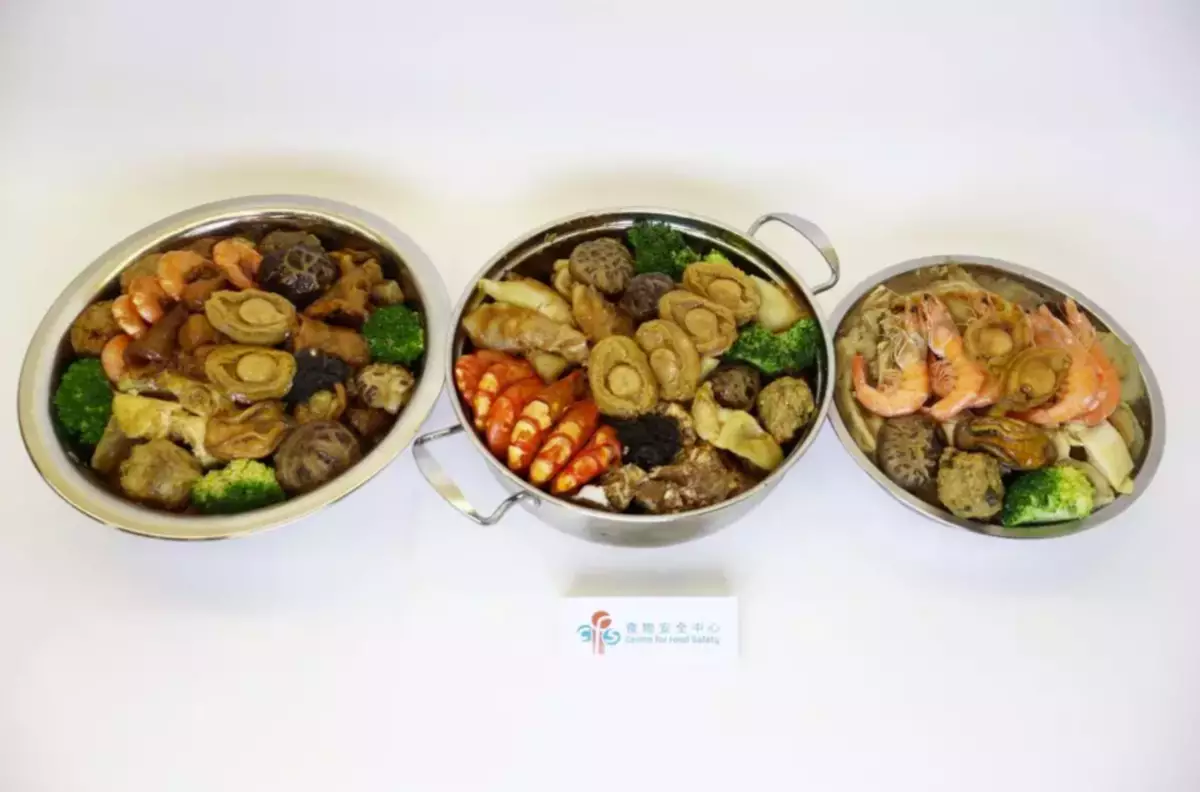
FEHD Increases Inspections of Poon Choi for Chinese New Year to Ensure Food Safety. Photo source: reference image