Skip to Content Facebook Feature Image

Global leaders extend Spring Festival greetings to Chinese people

China

China

China

Global leaders extend Spring Festival greetings to Chinese people

2026-02-14 14:53 Last Updated At:02-15 14:14

As the Spring Festival approaches, leaders of international organizations and global political figures have extended warm wishes to the Chinese people, expressing hopes for happiness and prosperity in the Year of the Horse.

Falling on February 17 this year, the Spring Festival marks the start of the Chinese New Year and ushers in the Year of the Horse, the seventh animal in the Chinese zodiac.

Drawing on the symbolism of the horse, several leaders voiced anticipation for deeper cooperation with China and shared optimism about making strides together in the year ahead.

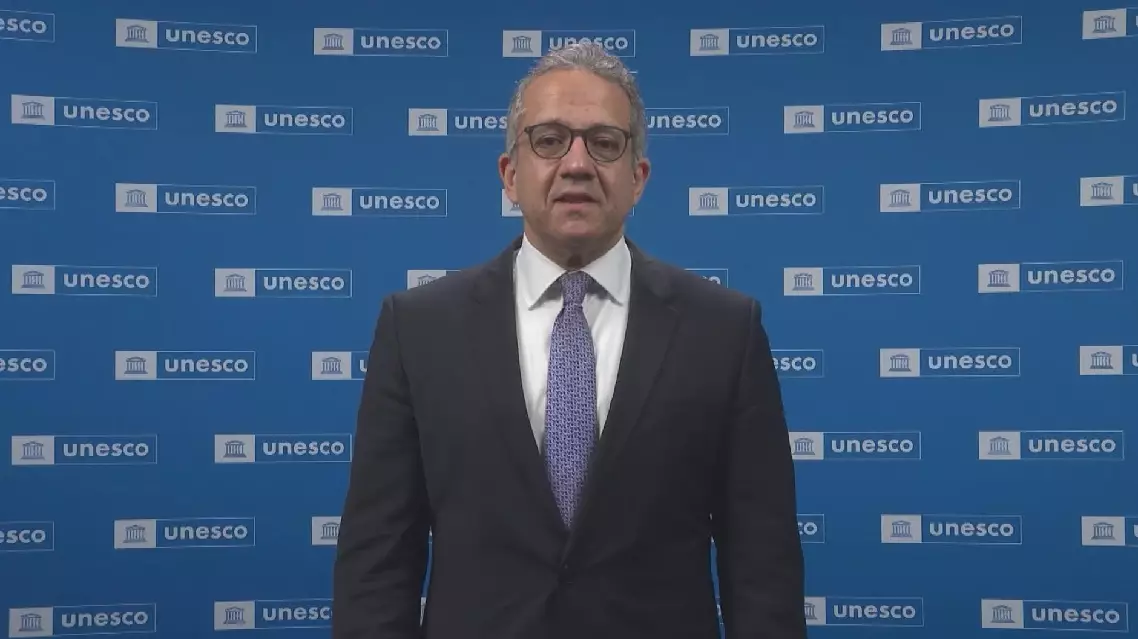
"I would like to extend my warmest wishes to you and your loved ones for the New Year, ushered in under the sign of the Fire Horse. The year to come offers a unique opportunity to further strengthen our cooperation, a partnership focused on delivering tangible progress for the people. Happy New Year and wishing you great success," said Khaled El-Enany, UNESCO director-general.

"To the people of China, I offer my sincere New Year greetings and best wishes for health, happiness and success in the Year of the Horse. I also want to acknowledge the professionalism of China's aviation community, whose work underpins safety, efficiency, and resilience across the system. On the occasion of the Chinese New Year, I wish you luck in the Year of the Horse," said Juan Carlos Salazar, secretary general of the International Civil Aviation Organization (ICAO).

"Across ASEAN, the Spring Festival, or Lunar New Year, is celebrated in many member states. These celebrations remind us of the deep human connections that transcend borders. As we welcome the Year of the Horse, let us embrace the vitality, grace, and forward momentum this noble animal represents. Let us gallop together into this new year with hope, resilience and unity," said Kao Kim Hourn, ASEAN secretary-general.

El Mokhtar El Khalifa, head of the Mauritania-China Parliamentary Friendship Group, highlighted the strong bonds between the two nations and conveyed heartfelt New Year greetings to the Chinese people.

"As one of the first groups of students to study Chinese in Mauritania in 1987, we gradually came to understand Chinese customs while learning the language. We know well that the Spring Festival is the most important festival for the Chinese people. On this occasion of the Spring Festival, we wish the Chinese people and the government all the best and peace year after year," El Khalifa said.
Global leaders extend Spring Festival greetings to Chinese people
Global leaders extend Spring Festival greetings to Chinese people
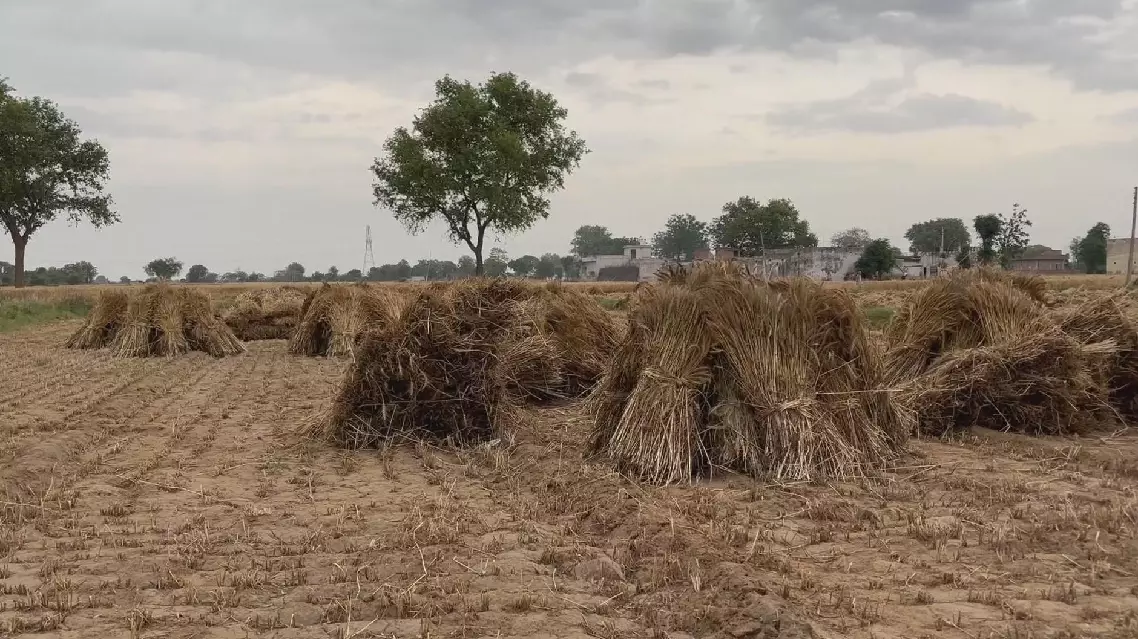
Farmers in India, a major agricultural producer and fertilizer importer, are raising concerns over fertilizer availability ahead of the planting season, as the escalating Middle East conflict and disruptions to shipping through the Strait of Hormuz put global supplies at risk.

The Middle East serves as both a vital energy hub and a major global fertilizer supplier, yet the ongoing U.S.-Israeli war with Iran has heightened risks of disruption to international supplies.

Chand Singh Yadav, a farmer in Haryana, a northern Indian state, said poor crop yields would be disastrous for the country and called on the government to ensure adequate supplies of fertilizers, agrochemicals and seeds to prevent a food crisis. "Without fertilizers, our crops will not grow well, and this would be disastrous for the entire country. If farmers cannot grow crops, people will not be able to buy food in the market. We urge the government to improve the supply system for fertilizers, agrochemicals and seeds to prevent the country and society as a whole from sliding into a food crisis," he said.

The Indian government is stepping up subsidies for farmers and optimizing fertilizer distribution and allocation to stabilize the supply. Prices have remained broadly stable, but demand is expected to surge ahead of the planting season, potentially exacerbating supply pressures.

"The current situation is worrying for us farmers. Spring sowing has not yet started, and the rainy season has not arrived. Fertilizer prices are temporarily stable, but in two months, demand for agricultural fertilizers will become pressing. Without fertilizers, it will be difficult to properly cultivate various types of crops. Urea and diammonium phosphate are especially critical. Crops can only grow normally when these fertilizers are applied. As these fertilizers are largely imported, if the conflict persists, supplies cannot be guaranteed," said Santosh Mishra, a farmer in India's eastern state of Odisha.

Escalating Middle East conflict strains India’s fertilizer supply

Escalating Middle East conflict strains India’s fertilizer supply

Escalating Middle East conflict strains India’s fertilizer supply

Escalating Middle East conflict strains India’s fertilizer supply

Recommended Articles