CORTINA D'AMPEZZO, Italy (AP) — Mikaela Shiffrin signed up for this. So did Ilia Malinin, Scotty James and all the rest.
Nobody is forced to come to the Olympics. The athletes in Milan and Cortina dreamed about these two weeks long before the flames were lit in northern Italy. They have poured their lives into the pursuit of this moment. This chance.
For some — for most really — merely getting here is the goal. It is enough. More than enough.
For others who arrived here as the bold-faced names in their sport and heavy medal favorites, the business of the Olympics is more complicated.
Shiffrin knows there is a danger to all this. Yes, there is nothing like the platform the Olympics provide. The winningest ski racer of all time likened the opportunity for Olympians to showcase their respective sports to those who only tune in once every four years to a “beautiful gift."
Yet the price of that gift can come at a considerable cost. The spotlight can shine so intensely that it threatens to render everything else on your resume an afterthought, no matter how accomplished it might be.
Shiffrin acknowledged as much shortly after she arrived, saying she's well aware the perception of an athlete's legacy can hinge on a“sole moment" that doesn’t come close to capturing the full picture of a career.
She received an uncomfortable education four years ago after failing to medal in any of the six events she entered. Suddenly, the slalom gold she captured as an 18-year-old in Sochi in 2014 and two more medals she brought home from PyeongChang four years later didn't seem to matter as much, outwardly anyway.
And while Shiffrin stressed those forgettable days in Beijing were behind her as her fourth Olympics began, she heard the negativity after a sluggish performance in the women's combined on Tuesday dropped her and teammate Breezy Johnson from first to fourth.
“The Olympics ask us to take a real risk on the world stage,” she posted on Instagram ahead of Sunday's giant slalom, where she will be among the favorites as usual. “One that requires courage and vulnerability to erroneous judgment and narratives built on a limited understanding of what this sport truly demands.”
Shiffrin wasn't complaining. She was speaking the quiet part out loud.
The reality of the Olympics is that it is nothing more than a festival in which the world championships of disparate sports are being held in the same place (or at least the same country) at the same time.
The field in the women's giant slalom will largely mirror the field at the World Cup event in Czechia three weeks ago. It was much the same in men's figure skating.
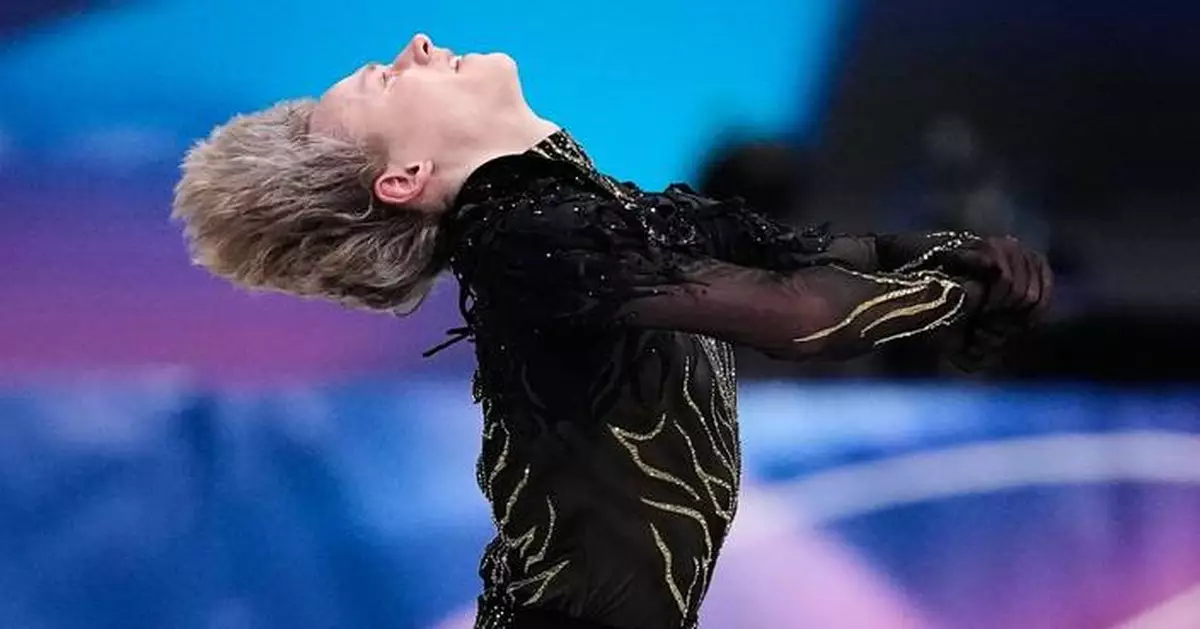
The charismatic and electrifying Malinin, all of 21, came to Milan as a two-time world champion and the face of his sport. He picked up his first Olympic gold early in the Games when he helped the U.S. triumph in the team competition and held a comfortable five-point lead going into the men's free skate on Friday.
Over the course of a nightmarish 4 minutes and 30 seconds, it all came apart. The “Quad God” fell back to earth not once, but twice. The groans from a crowd that included two-time Olympic all-around champion gymnast Simone Biles were audible. The anguish on Malinin's face as he finished a program that sent him tumbling to eighth was unmistakable. So were the tears.
Malinin, who reached drinking age in the U.S. all of two months ago, thought he had a handle on the attention he commanded.
Turns out, maybe he didn't.
“I think all of this pressure, all of the media and just, you know, being the Olympic gold hopeful was just a lot,” he said. "Too much to handle.”
Sitting a few rows up inside the Milano Ice Skating Arena, Biles — who knows a thing or two about being singed by critics unable or unwilling to see things in their entirety — could empathize: “totally devastated for Ilia,” she later posted on Threads.
Malinin talked afterward about sifting through the rubble in an effort to figure out what happened. He has the benefit of youth. There's a chance by the time he takes the ice in Nice, France, for the 2030 Games, what happened on Friday night will serve as a valuable learning experience.
James may not have the luxury of time.
The 33-year-old Australian snowboarding great dropped into the halfpipe for his fifth Olympics on Friday night, still in search of the one piece of hardware that has eluded the four-time world champion. The lack of an Olympic gold on his resume was, he said before the competition, “ the elephant in the room.”
Over three runs in snowy Livingo, he tried desperately to shed it. He crashed out during his first run. His brilliant second run scored a 93.50. Good, but not quite good enough to top world No. 1 Yuto Totsuka.
James went “full send” on his final trip down the pipe. Knowing something special was required, he pushed himself into uncharted territory, attempting to land a 1620-degree spin only to come up a half-revolution short. Gold was gone — again — and he knew it, raising his red gloves to his helmet as he tried to come to grips with another missed chance, and another long wait to try again.
There were tears afterward, but they weren't just for him.
“My team,” he said, sobbing. “They live this dream with me as well. They have families as well, like me, and they spend a lot of time away from their families, like me. My ‘why’ is to do my best so that it makes it worth it.”
Three Olympic medals like the ones James has — including the silver from Friday he plans to give to his toddler son, Leo — are more than enough for most lifetimes.
Yet the lack of a gold will keep (for now) James pointing toward the French Alps in four years, so long as his body holds up.
Inside his sport, his status as one of the GOATs has long been secure. The Olympics prop open the door for the outside world to embrace — and judge — snowboarding. For all of his remarkable success, James' inability to walk all the way through it will stick with him.
Whether that's fair is not for James to decide. It's the bargain every athlete makes with themselves when they come here.
“Heartbreak and victory live right next door," Shiffrin wrote. "Disappointment and gratitude often co-exist.”
The line between the two is incredibly thin. The challenge of landing on the right side of it is what keeps them coming back. Nowhere is that challenge greater than at the Olympics, where the pressure is unyielding and the stakes never higher. There's not another race next week to wipe the slate clean; it's years away.
Finding a way to successfully navigate that pressure is part of the challenge. Perhaps the biggest part. The one that makes an event whose motto is "Faster, Higher, Stronger – Together” so special.
It's why they keep throwing themselves into the breach, laying themselves and their sport bare for all the world to see, fairness be damned.
“May we all champion one another, tread lightly on what we don’t fully comprehend,” Shiffrin said, "and have the fortitude to keep showing up.”
AP Olympics: https://apnews.com/hub/milan-cortina-2026-winter-olympics
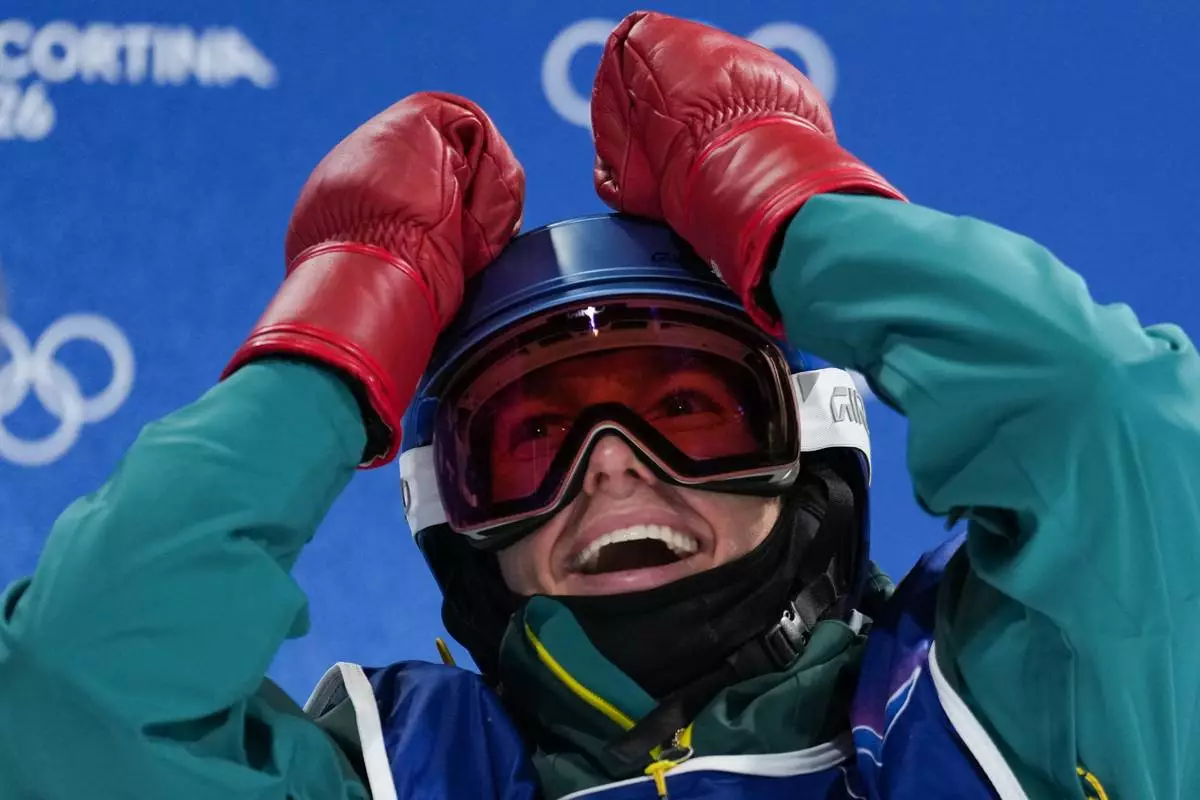
Australia's Scotty James reacts during the men's snowboarding halfpipe finals at the 2026 Winter Olympics, in Livigno, Italy, Friday, Feb. 13, 2026. (AP Photo/Abbie Parr)
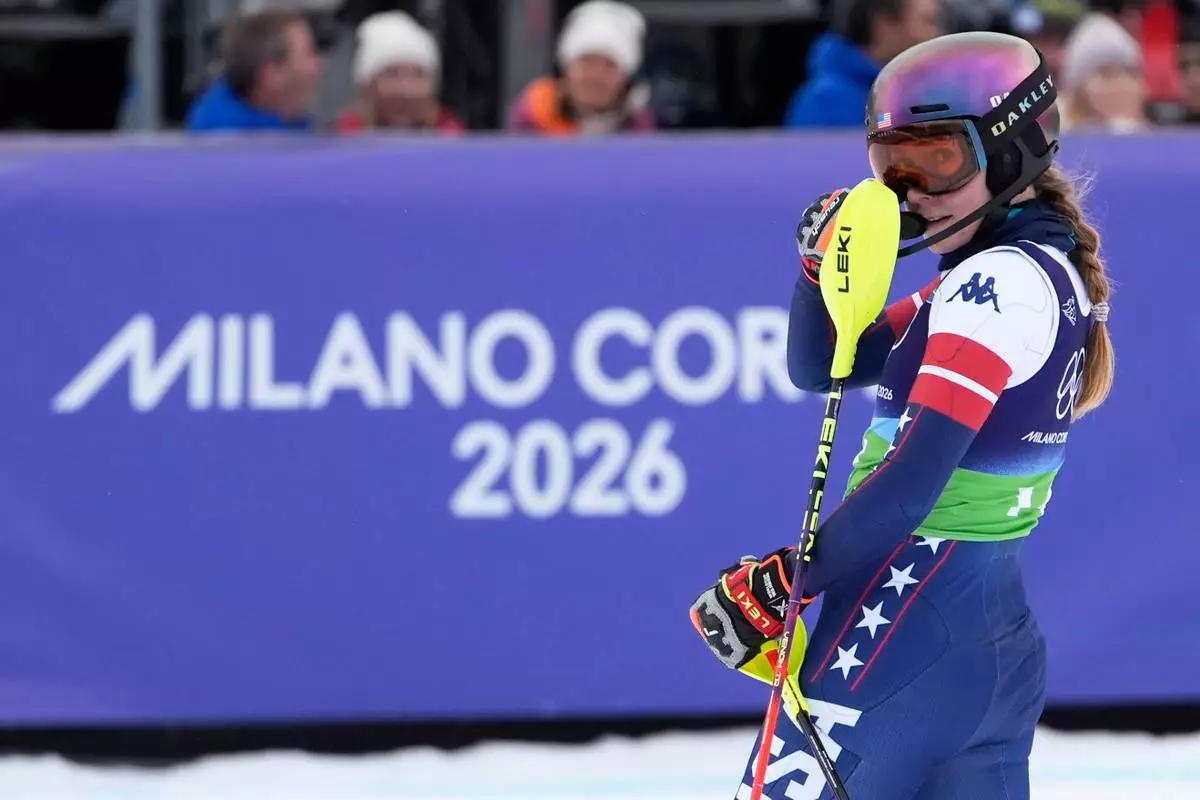
United States' Mikaela Shiffrin at the finish area during an alpine ski, slalom portion of a women's team combined race, at the 2026 Winter Olympics, in Cortina d'Ampezzo, Italy, Tuesday, Feb. 10, 2026. (AP Photo/Robert F. Bukaty)
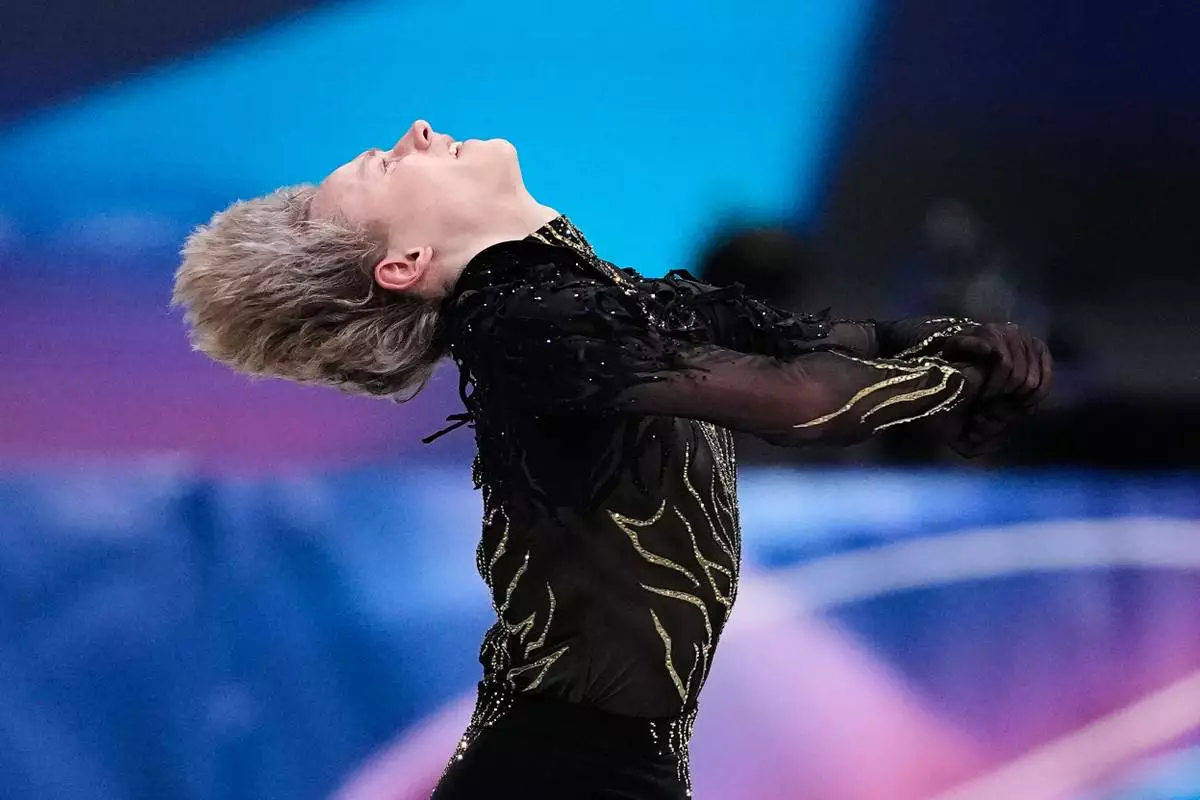
Ilia Malinin of the United States competes during the men's free skate program in figure skating at the 2026 Winter Olympics, in Milan, Italy, Friday, Feb. 13, 2026. (AP Photo/Natacha Pisarenko)