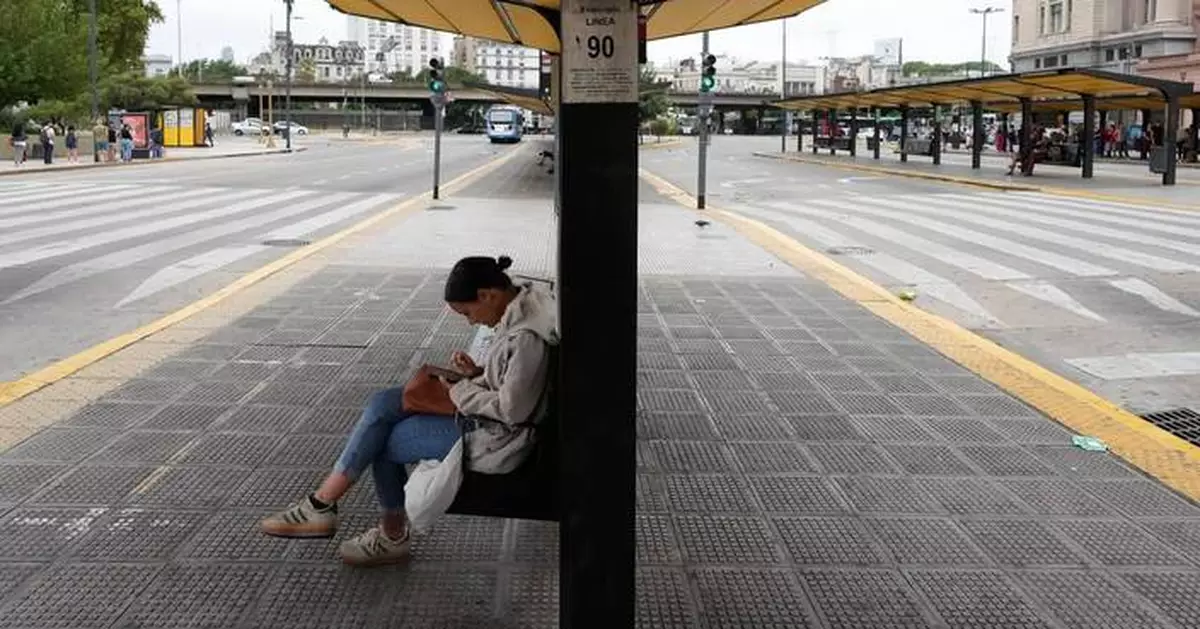
BUENOS AIRES, Argentina (AP) — A general strike in protest against Argentine President Javier Milei’s flagship overhaul of the South American nation's labor law disrupted public transport, hospitals, ports and schools across Argentina on Thursday. The nationwide strike intensifies a standoff between the libertarian leader and long-powerful workers' unions as the bill faces an uncertain passage through Congress.
Most bus lines and subways ground to a halt, factories paused production, banks closed, airlines canceled hundreds of flights and public hospitals postponed all but emergency surgeries. Uncollected garbage lined streets and shopping areas.
Click to Gallery
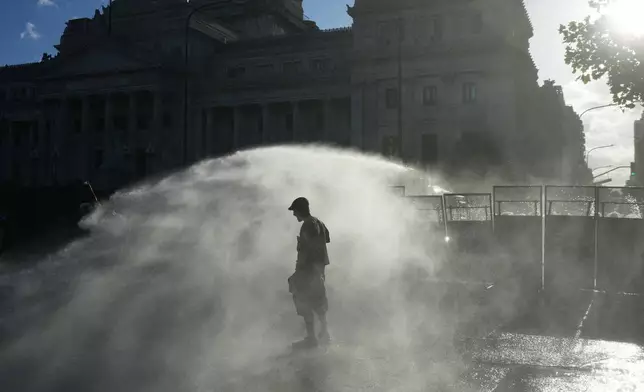
Protesters are sprayed by a police water cannon in front of Congress during a march by trade unions and opposition groups against a labor reform bill proposed by President Javier Milei's government in Buenos Aires, Argentina, Thursday, Feb. 19, 2026. (AP Photo/Rodrigo Abd)

Argentina's President Javier Milei is seen during a Board of Peace meeting at the U.S. Institute of Peace, Thursday, Feb. 19, 2026, in Washington. (AP Photo/Mark Schiefelbein)
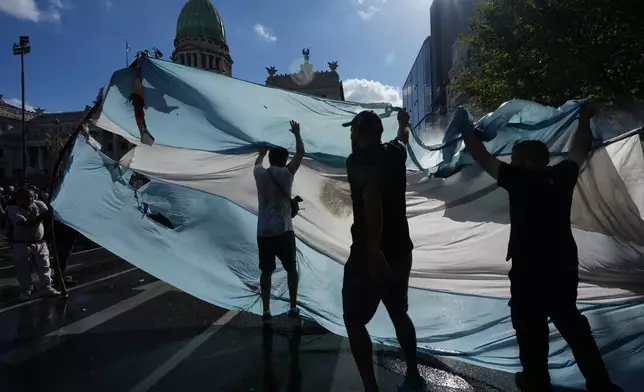
Protesters rally during a march by trade unions and opposition groups against a labor reform bill proposed by President Javier Milei's government in Buenos Aires, Argentina, Thursday, Feb. 19, 2026. (AP Photo/Rodrigo Abd)
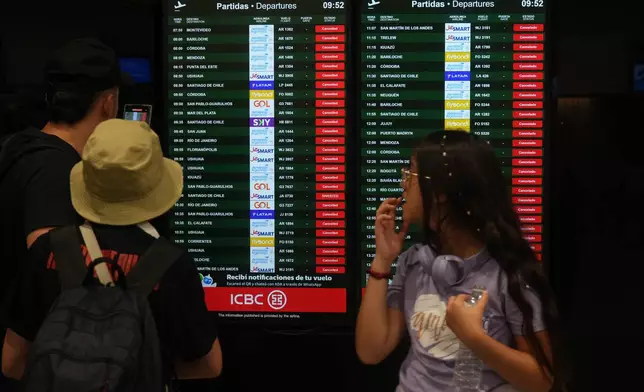
Travelers look at an information board listing canceled flights during a union strike against President Javier Milei’s proposed labor reform bill in Buenos Aires, Argentina, Thursday, Feb. 19, 2026. (AP Photo/Gustavo Garello)
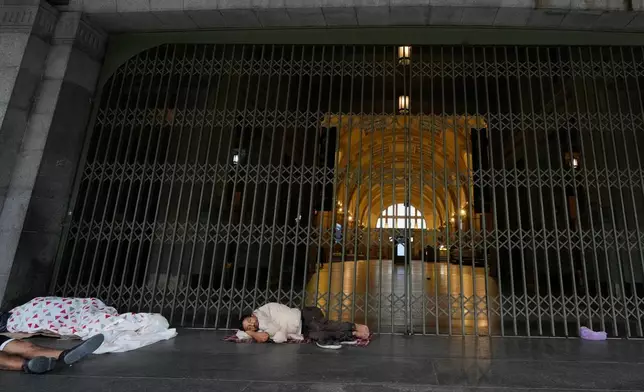
People sleep near the closed entrances of Constitucion railway station during a union strike against a proposed labor reform bill in Buenos Aires, Argentina, Thursday, Feb. 19, 2026. (AP Photo/Gustavo Garello)
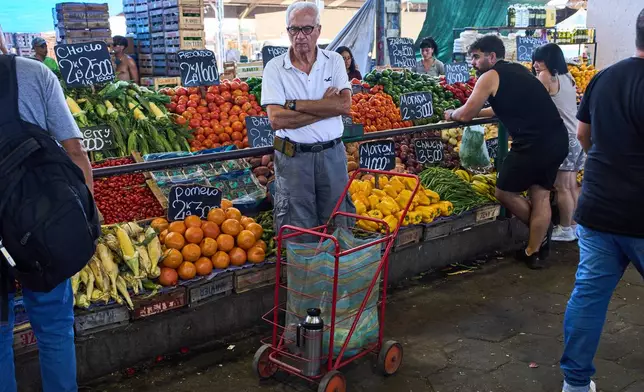
A customer waits to be attended at a greengrocer's stall in Buenos Aires, Argentina, Tuesday, Feb. 10, 2026. (AP Photo/Rodrigo Abd)
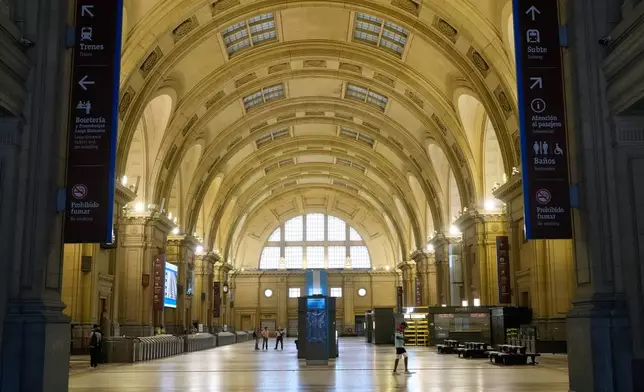
People wait inside the Constitucion railway station that is empty due to a union strike against a proposed labor reform bill in Buenos Aires, Argentina, Thursday, Feb. 19, 2026. (AP Photo/Gustavo Garello)
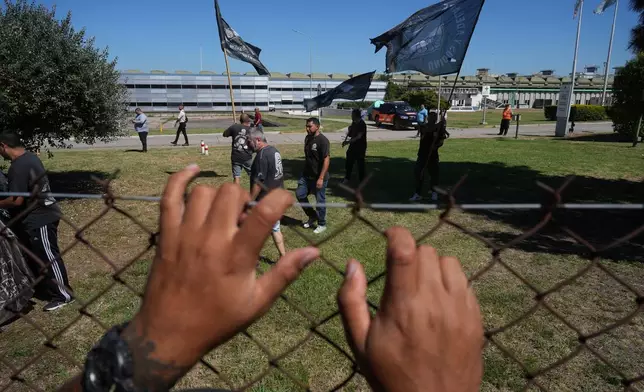
Workers protest after tire maker Fate announced it would shut down operations at its factory in Buenos Aires, Argentina, Wednesday, Feb. 18, 2026. (AP Photo/Rodrigo Abd)
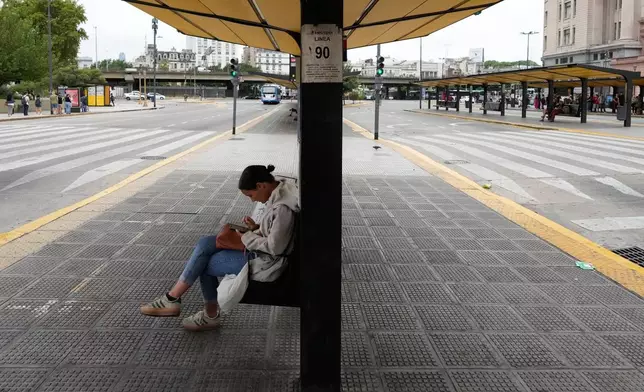
A woman sits at a bus stop during a union strike against a proposed labor reform bill in Buenos Aires, Argentina, Thursday, Feb. 19, 2026. (AP Photo/Gustavo Garello)
One week after Argentina’s Senate gave initial approval to the labor reform bill in a 42-30 general vote, the lower house began debating it Thursday.
The show of force from the General Confederation of Labor, or CGT, Argentina’s largest trade union group, comes as frustration simmers over an uneven economic recovery under Milei. His government has brought fiscal stability to a nation once plagued by runaway inflation but struggled to address stubborn unemployment, stagnant wages and lagging growth.
Milei considers the reform of Argentina's half-century-old labor laws crucial to his efforts to lure foreign investment, increase productivity and boost job creation in a country where about two in five workers are employed off the books.
Unions argue the law will weaken long-standing protections for workers, including by reducing traditionally high severance pay, curbing the right to strike, making it easier for companies to dismiss employees and extending the legal working day to 12 hours from the current eight.
“Members of Congress, hear this message: Voting against working people does not come without consequences,” CGT wrote on social media alongside photos showing Argentina's capital of Buenos Aires deserted because of the strike. “Jobs are not up for negotiation; hard-won gains are not raffle prizes to be given away.”
Fierce union backlash has derailed previous government attempts at shaking up Argentina’s archaic labor code, widely seen as among the most costly to companies in Latin America.
The fate of the labor reform marks the first big test of Milei’s political strength since his upstart libertarian party, La Libertad Avanza, won Argentina’s midterm elections last year — with backing from key ally U.S. President Donald Trump. In an unprecedented move, the U.S. Treasury offered Milei a $20 billion lifeline ahead of the midterms to shore up market confidence in Milei and boost his electoral prospects.
Milei, who was in Washington Thursday for the inaugural meeting of Trump’s Board of Peace initiative, seemed unconcerned with the unrest back home. He looked ebullient as Trump called him out in front of the crowd, saying, “I endorsed him. I'm not supposed to be endorsing people, but when I like people ... I endorse foreign leaders.”
Even if the labor overhaul clears the lower house after Thursday’s debate, it must be sent back to the Senate next week for a final vote before becoming law.
That’s because a clause added at the last minute, which halves salaries for workers on leave due to injury or illness unrelated to work, generated outrage among opposition lawmakers and forced the government to make an amendment to the version of the bill that passed the Senate last week.
Roughly 40% Argentina’s 13 million registered workers belong to labor unions, according to union estimates, and many are closely allied with the social justice-driven populist movement known as Peronism that led the country’s previous government and dominated the political scene for decades.
CGT decided not to organize a mass demonstration, and Buenos Aires was mostly calm throughout the afternoon.
But smaller, more radical unions marched toward Congress as the debate on the bill got underway, beating drums and carrying giant banners emblazoned with popular symbols like the face of Eva Perón, the venerated wife of Peronist movement founder Juan Domingo Perón.
Most shops and offices remained open across the city but traffic was light as plenty of workers who did not strike stayed home because of the breakdowns in transportation — something that Milei’s chief of staff and government spokesperson, Manuel Adorni, denounced as “pretty perverse.”
“In the end, if they cut off your transportation, no matter how much you want to go to work, you can’t do it,” he told a local streaming channel. “So there’s nothing more extortionate and nothing more against freedom and democracy than what the unions are doing.”
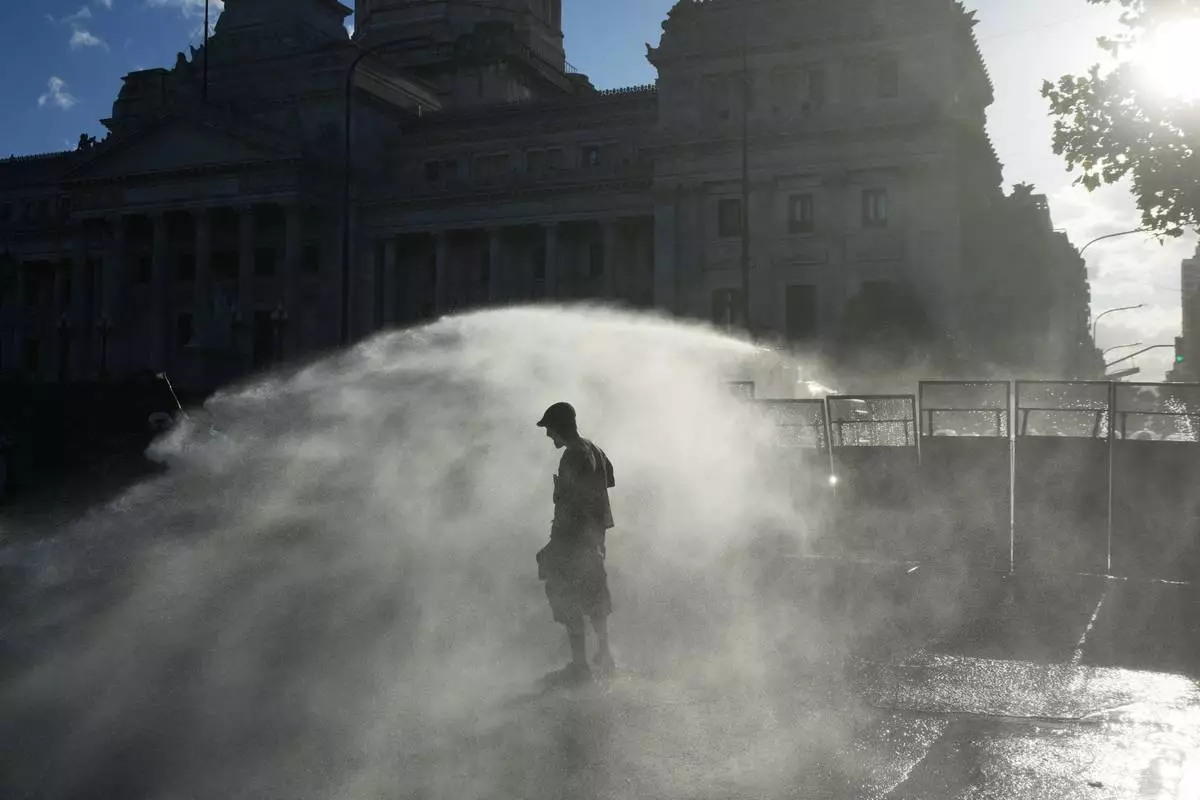
Protesters are sprayed by a police water cannon in front of Congress during a march by trade unions and opposition groups against a labor reform bill proposed by President Javier Milei's government in Buenos Aires, Argentina, Thursday, Feb. 19, 2026. (AP Photo/Rodrigo Abd)

Argentina's President Javier Milei is seen during a Board of Peace meeting at the U.S. Institute of Peace, Thursday, Feb. 19, 2026, in Washington. (AP Photo/Mark Schiefelbein)
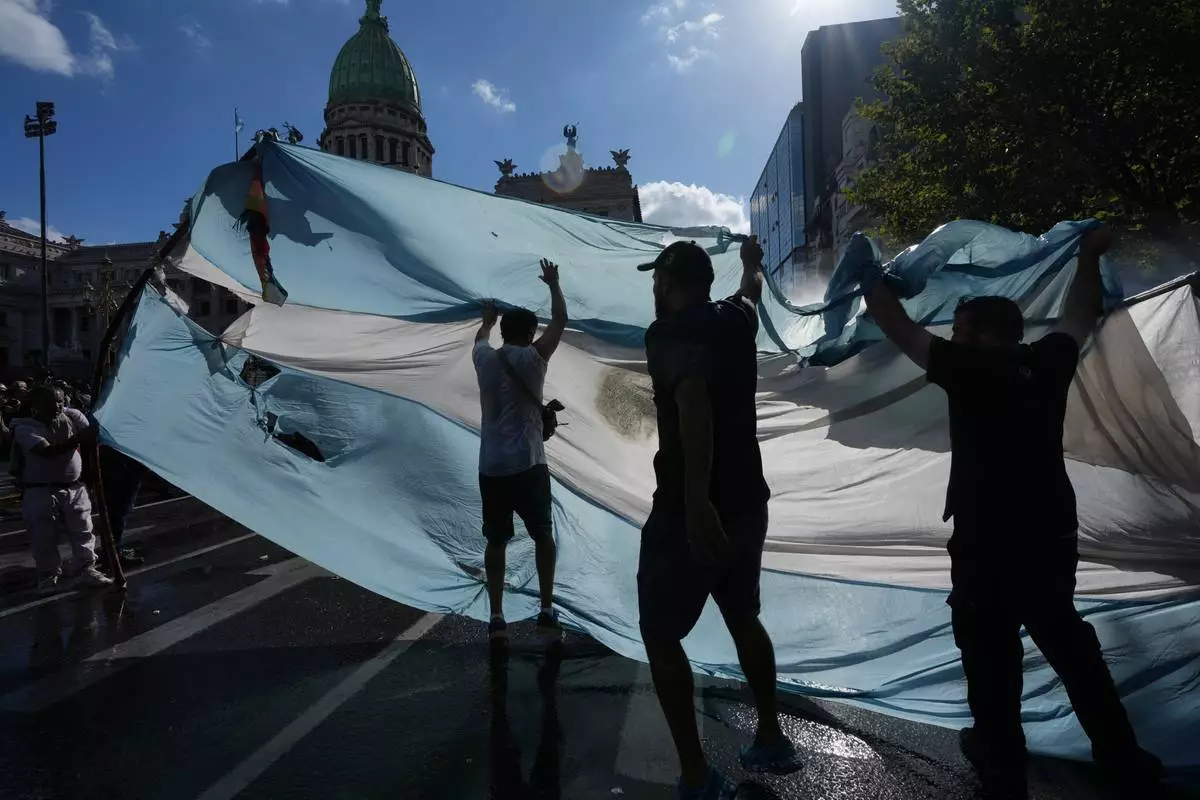
Protesters rally during a march by trade unions and opposition groups against a labor reform bill proposed by President Javier Milei's government in Buenos Aires, Argentina, Thursday, Feb. 19, 2026. (AP Photo/Rodrigo Abd)
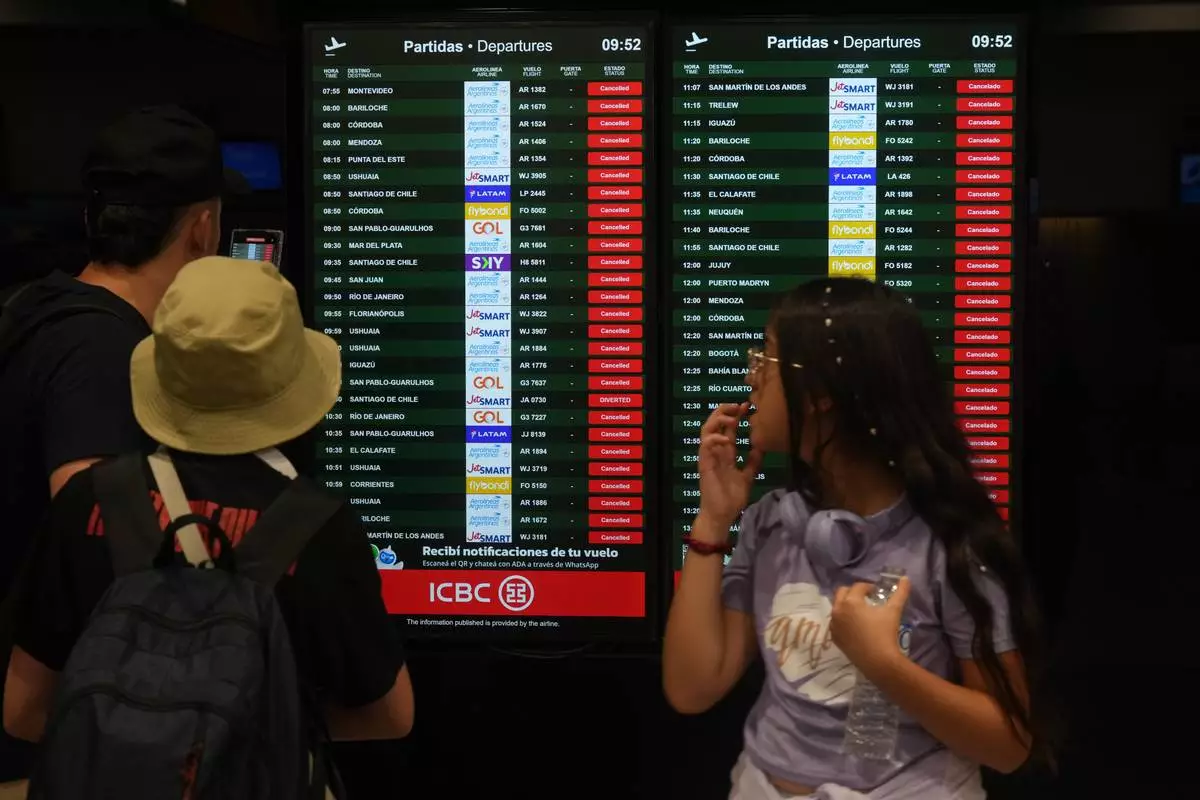
Travelers look at an information board listing canceled flights during a union strike against President Javier Milei’s proposed labor reform bill in Buenos Aires, Argentina, Thursday, Feb. 19, 2026. (AP Photo/Gustavo Garello)
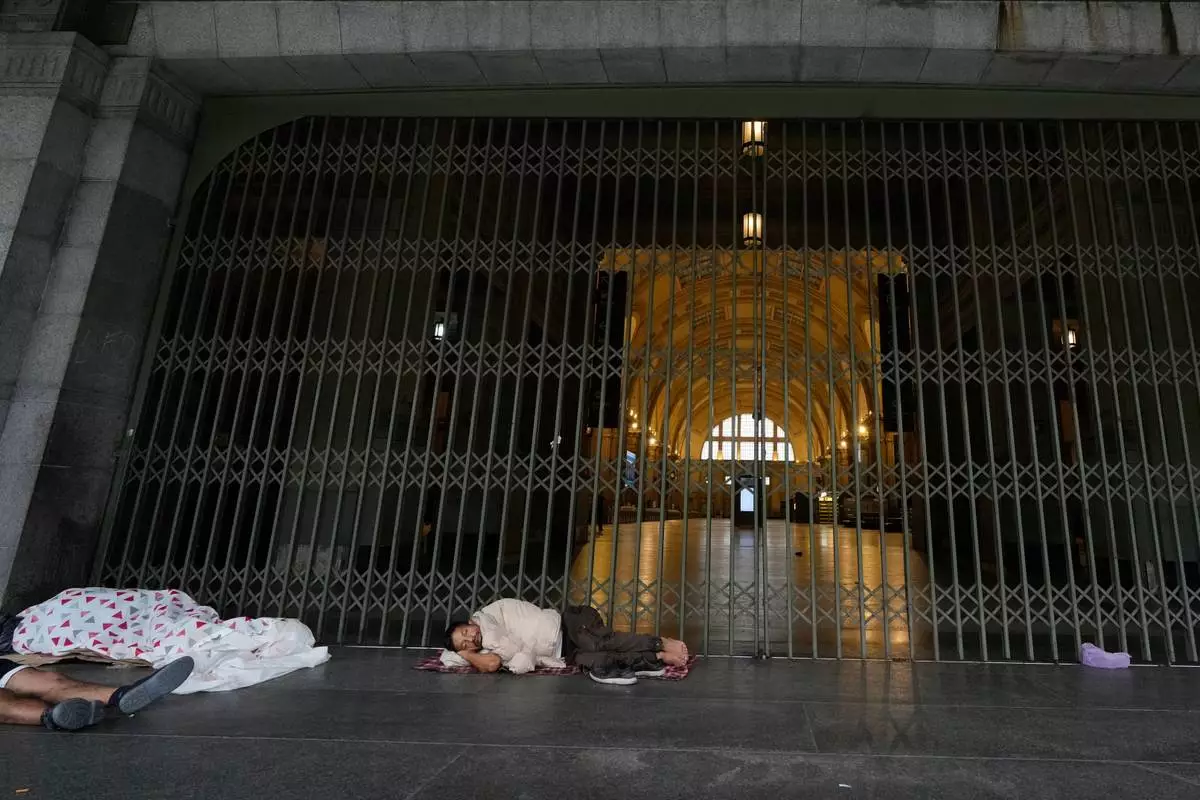
People sleep near the closed entrances of Constitucion railway station during a union strike against a proposed labor reform bill in Buenos Aires, Argentina, Thursday, Feb. 19, 2026. (AP Photo/Gustavo Garello)
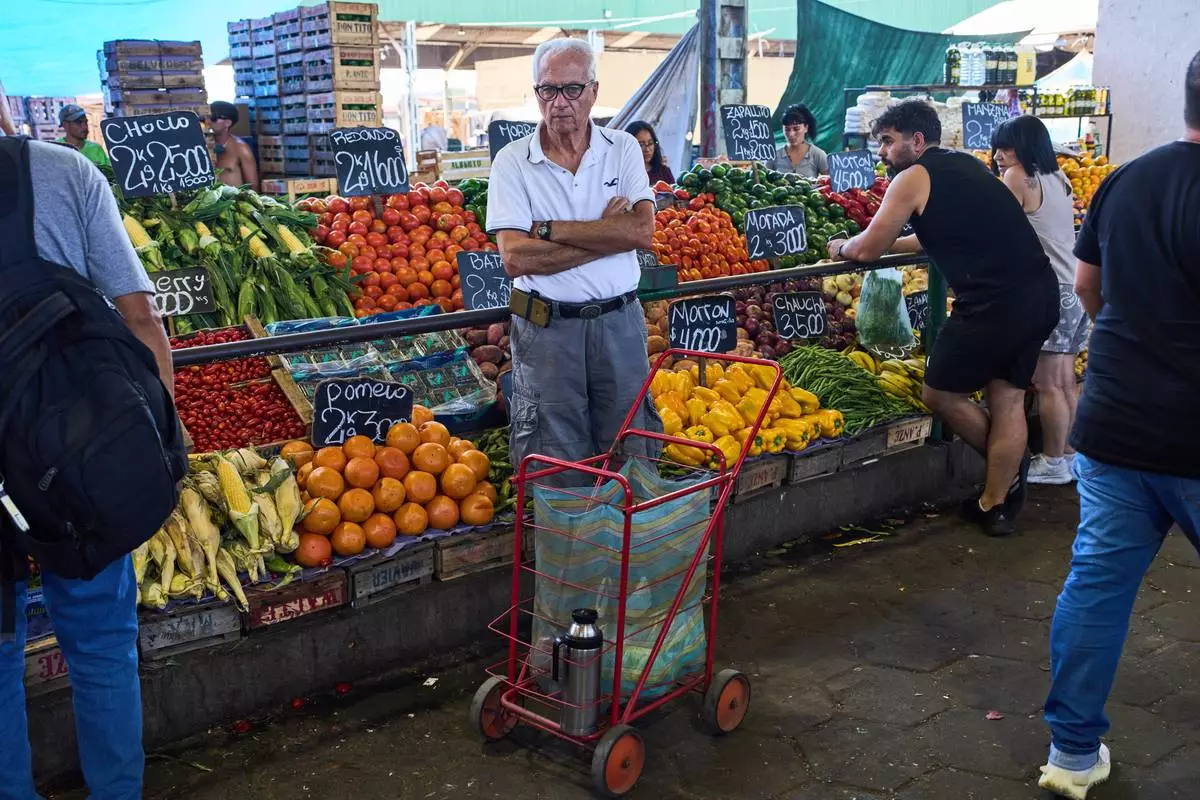
A customer waits to be attended at a greengrocer's stall in Buenos Aires, Argentina, Tuesday, Feb. 10, 2026. (AP Photo/Rodrigo Abd)
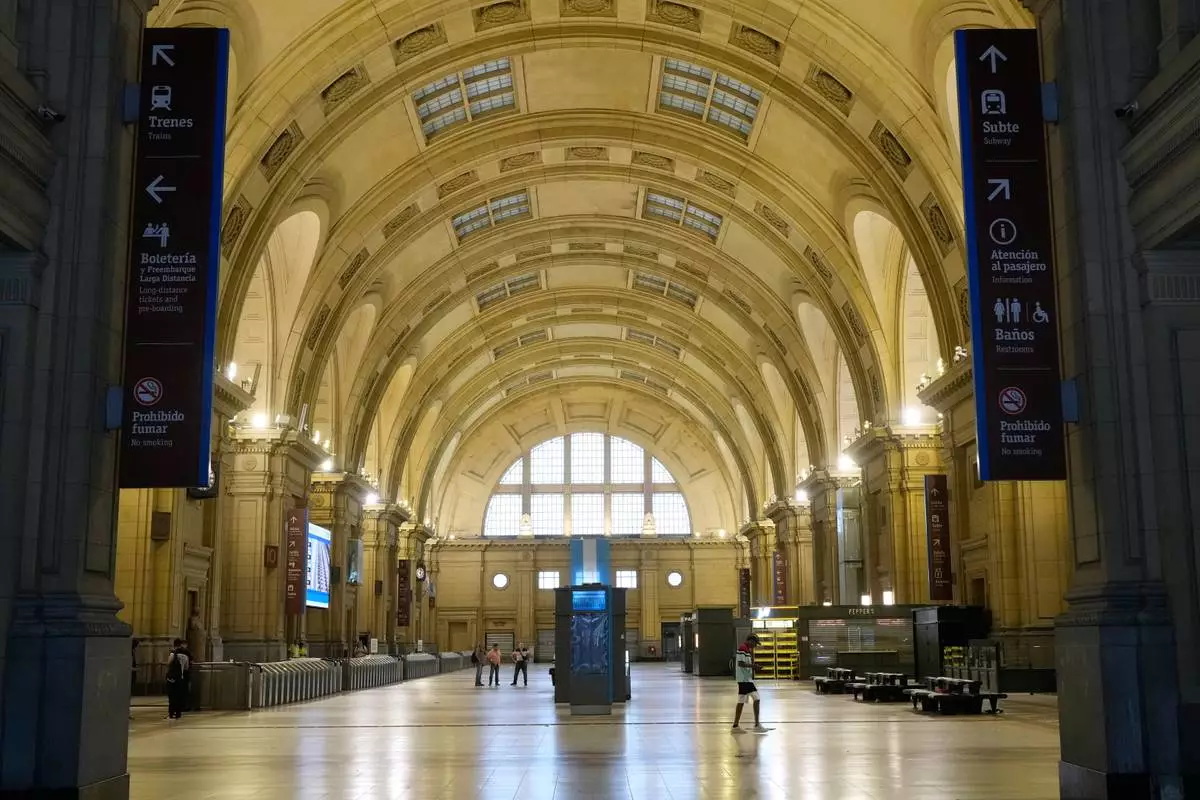
People wait inside the Constitucion railway station that is empty due to a union strike against a proposed labor reform bill in Buenos Aires, Argentina, Thursday, Feb. 19, 2026. (AP Photo/Gustavo Garello)
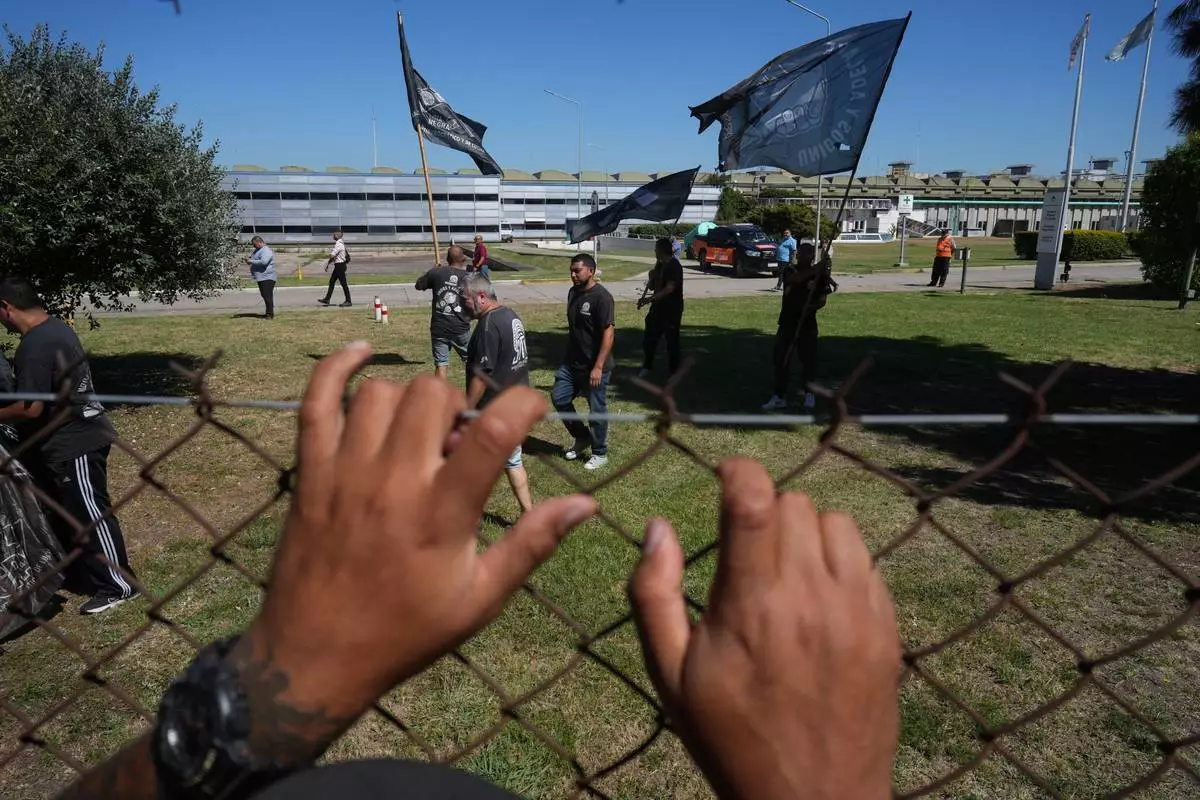
Workers protest after tire maker Fate announced it would shut down operations at its factory in Buenos Aires, Argentina, Wednesday, Feb. 18, 2026. (AP Photo/Rodrigo Abd)
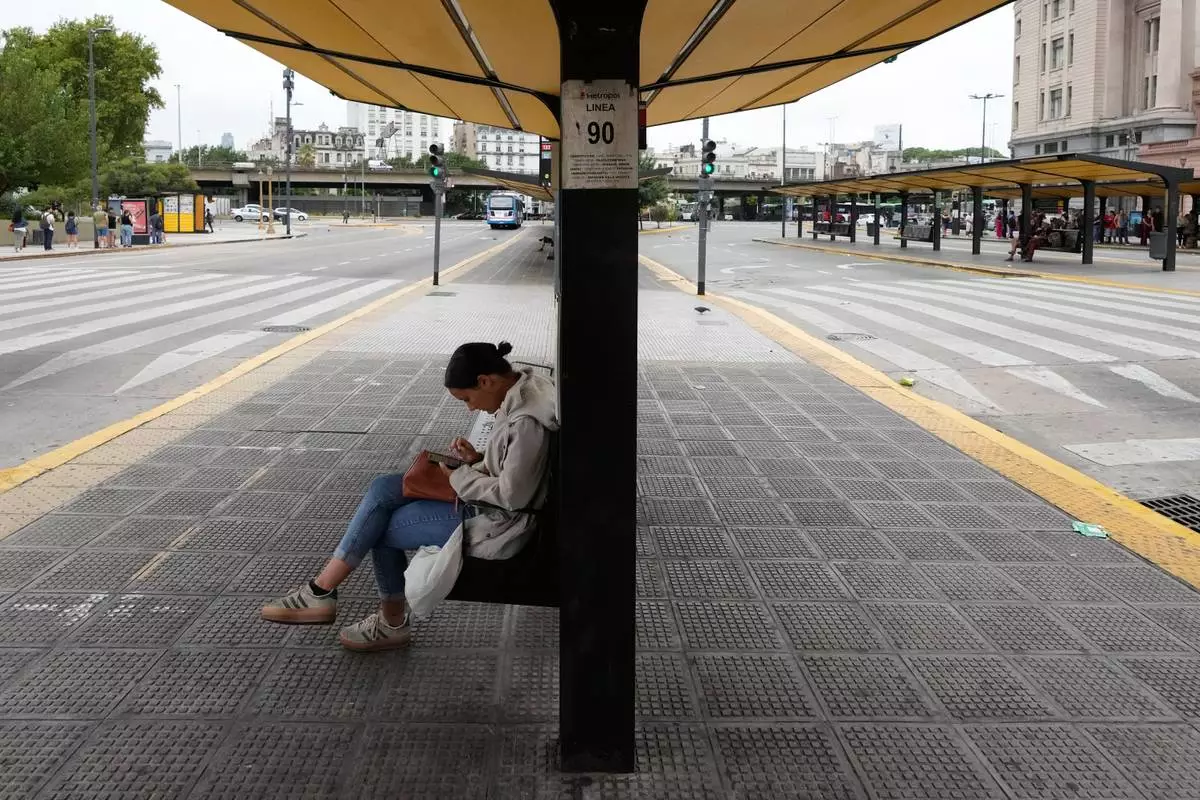
A woman sits at a bus stop during a union strike against a proposed labor reform bill in Buenos Aires, Argentina, Thursday, Feb. 19, 2026. (AP Photo/Gustavo Garello)