The United Kingdom seeks a stronger and more stable relationship with China, and such relations are necessary and good for the world, said British Ambassador to China Peter Wilson.
In an exclusive interview with the China Global Television Network (CGTN) aired on Wednesday, Wilson said British Prime Minister Keir Starmer's official visit to China is planned in the long term and reached fruitful results amidst global tensions.
Click to Gallery
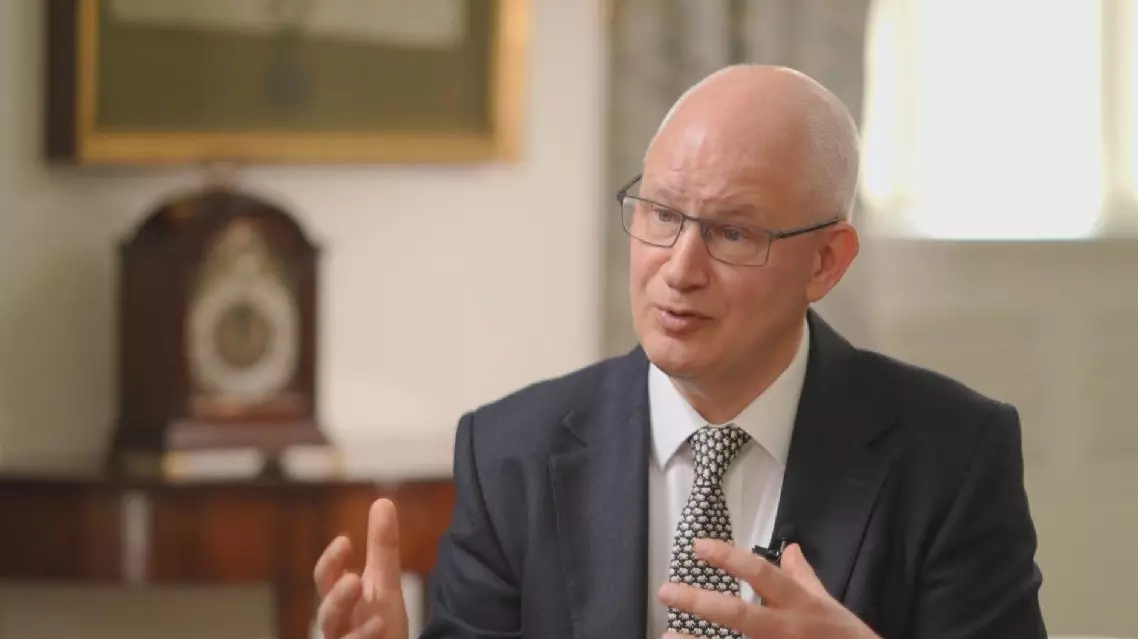
UK seeks more stable, stronger ties with China: ambassador
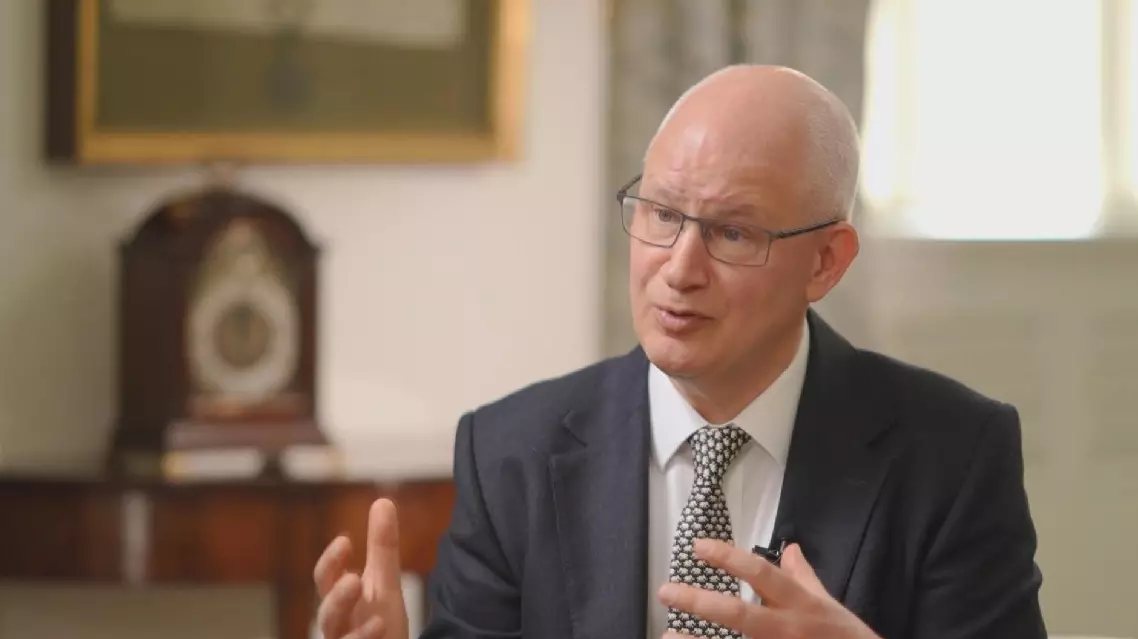
UK seeks more stable, stronger ties with China: ambassador
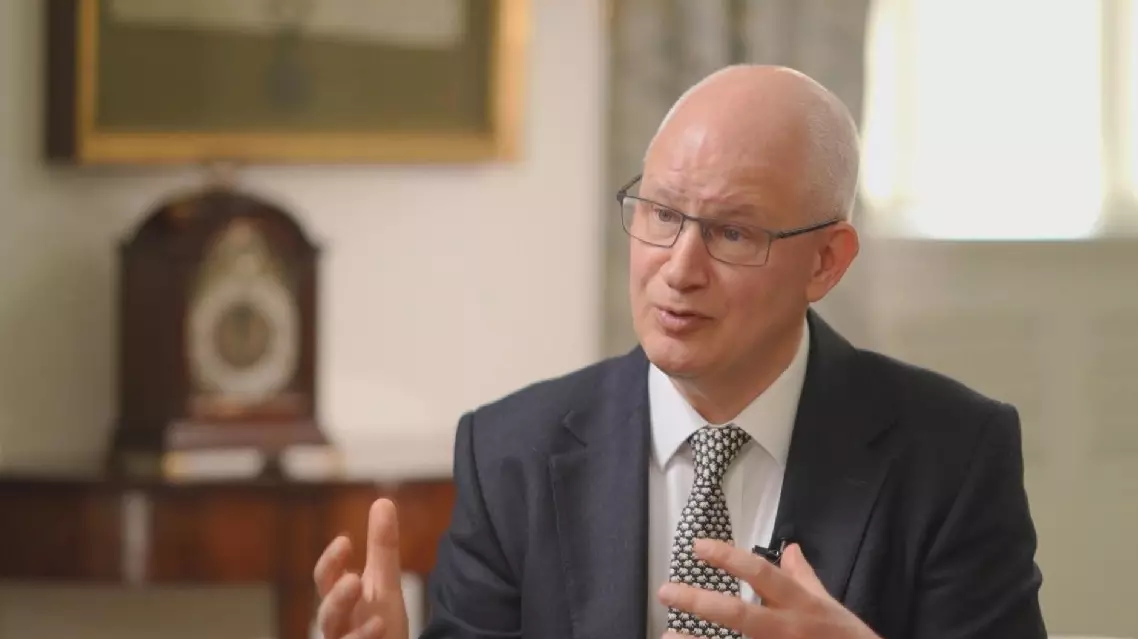
UK seeks more stable, stronger ties with China: ambassador
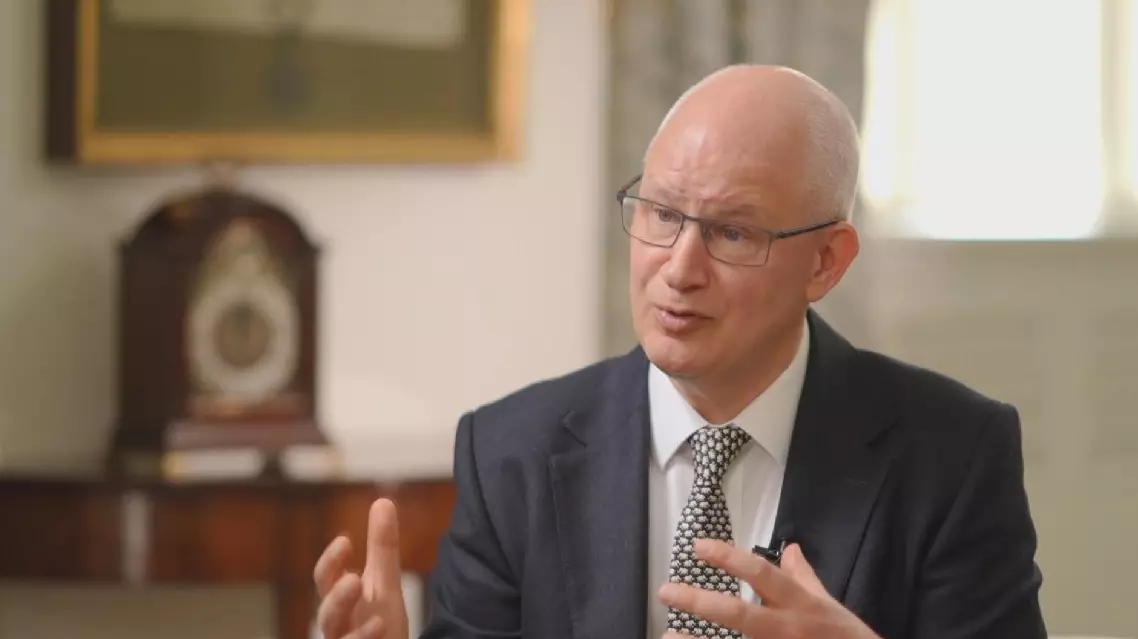
UK seeks more stable, stronger ties with China: ambassador
"From our point of view, our visit here was a long-planned thing, and the result, as I've said, was a sort of series of exchanges leading up to it, and a very successful meeting between the prime minister and President Xi way back in November 2024. I think there's a slight tendency at the moment in a sort of globally volatile environment to see everything through the prism of something else. We do not see our relationship with China through the prism of other relationships. And the prime minister was very, very clear and he was clear when he was here, and he was clear in parliament in the UK," he said.
At the invitation of Chinese Premier Li Qiang, Starmer paid an official visit to China from Jan 28 to 31, during which he visited Beijing and Shanghai. This was the first visit to China by a British Prime Minister in eight years.
The ambassador also said that cooperation for national interest is in human nature, and the UK wants stronger partnerships with China to address global problems.
"We do not think that we choose between relationships. We have a very strong alliance with the United States, that's extremely important for our national interest. We have a growing closeness to other countries in Europe, we are a European country. We've particularly had very strong exchanges with France and Germany at the leader level in recent months. We want a stronger and more stable relationship with China, and I think this visit demonstrated that we can do that, and we have important relationships elsewhere in the world. So, all of that is not only possible, it's necessary and it's good for the world. And I think actually as both of our leaders said to each other, it's good for the world when the UK and China are working on global problems together. It's part of our nature, it's also highly necessary," he said.
UK seeks more stable, stronger ties with China: ambassador
UK seeks more stable, stronger ties with China: ambassador
UK seeks more stable, stronger ties with China: ambassador
UK seeks more stable, stronger ties with China: ambassador