Iraqi experts said successful negotiations between Iran and the United States would prevent the Middle East region from descending into an endless war that would inevitably drag Iraq into conflict, despite the chances of a swift agreement are limited.
The second round of indirect nuclear talks between Iran and the U.S. concluded in Geneva on Tuesday, after the first round held in the Omani capital Muscat on Feb 6.
Experts pointed out that the outcome of the Geneva round was merely procedural progress, establishing a general framework for negotiations without any real breakthrough on core issues, most notably uranium enrichment levels and mechanisms for lifting sanctions.
This does not necessarily indicate that either side desires a costly war with unpredictable consequences, according to analysts.
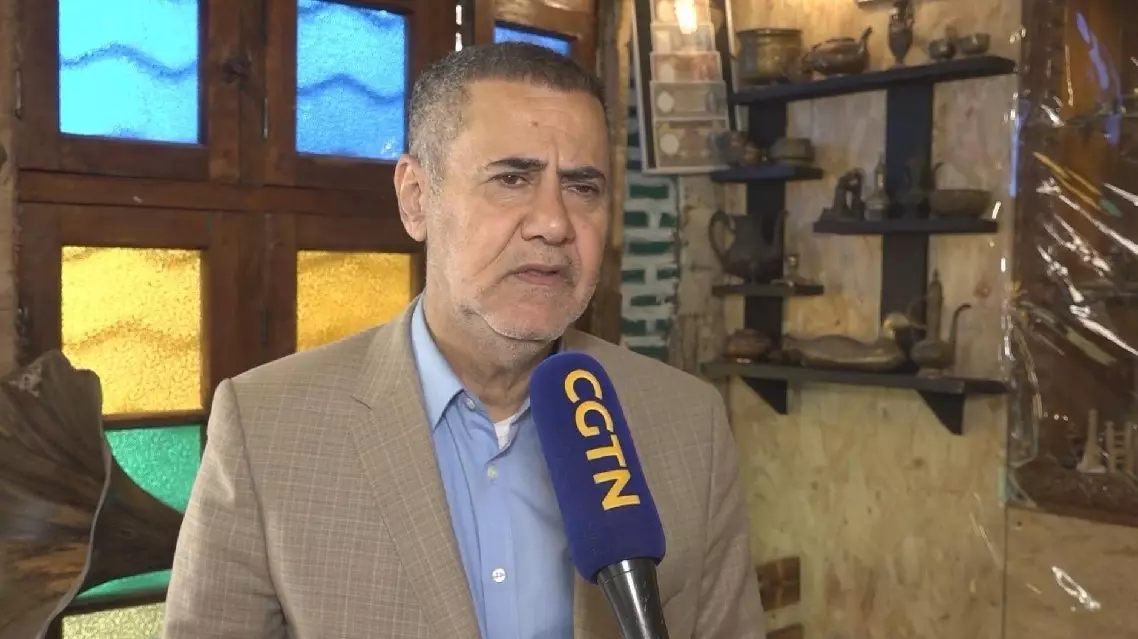
"Both Iran and the United States appear to want to de-escalate tensions and move towards direct negotiations. This was evident in the initial meeting in Oman and other related meetings. Both Washington and Tehran seem to believe that once a war breaks out, it will be difficult to stop, and both sides will likely use advanced weapons," said political analyst Najm al-Qassab.
Analysts suggested that the situation remains governed more by calculations of power and deterrence than by the logic of compromise, and that any agreement that fails to allay the region's fears and take into account its security balances could leave Iraq directly affected by any potential escalation between the U.S. and Iran.
"Some factions [in Iraq] have pledged allegiance to Iran and may launch military operations. This could make Iraq a target for attacks by the United States and Israel, unless a policy balance emerges that distances Iraqi factions from this camp, as was the case in the '12-Day War'. Only in this scenario is it possible for Iraq to avoid being drawn into the conflict," said Ali Al-Habeeb, also a political analyst.
Successful US-Iran negotiations to prevent endless regional war: Iraqi analysts