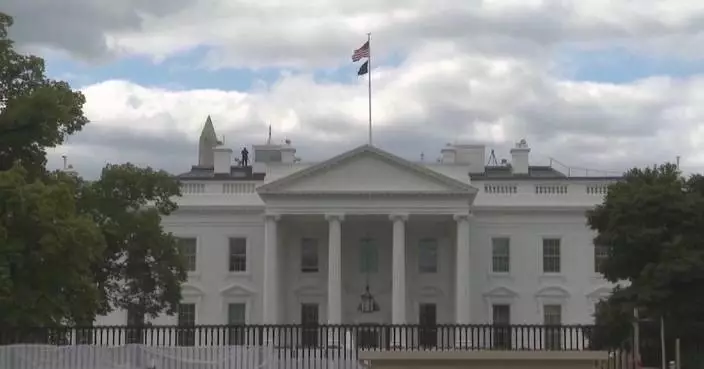
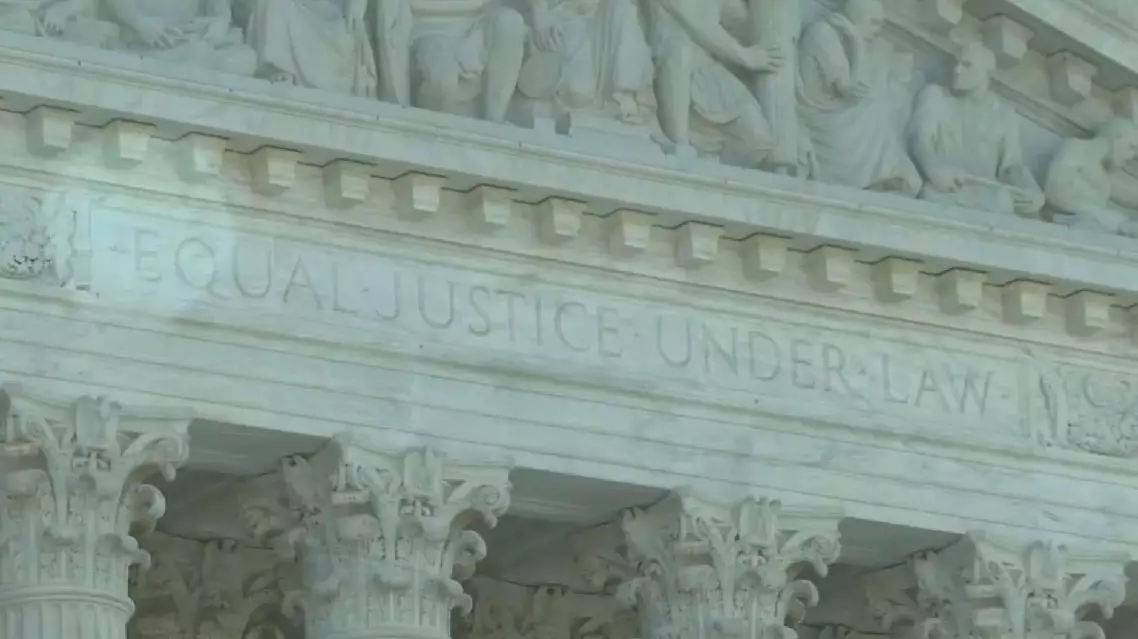
The U.S. Supreme Court ruled on Friday that U.S. President Donald Trump's sweeping tariffs under a law meant for use in national emergencies are illegal.
In a 6-3 ruling, the Supreme Court said that the tariff policies under the International Emergency Economic Powers Act (IEEPA) are unconstitutional, officially striking down the global tariffs Trump has introduced since April.
The justices ruled that the president did not have the authority under the IEEPA to impose import tariffs on goods from nearly all the U.S. trading partners.
The voting upheld that it is the right of Congress to impose taxes, not the president.
The ruling is expected to affect global trade, companies, inflation and the pocketbooks of every U.S. citizen, local media reported Friday.
On the same day, Trump called the Supreme Court decision "a disgrace" to the country.
He said he will sign an order imposing a 10 percent global tariff to replace some of the emergency duties the U.S. Supreme Court ruled illegal.
Trump announced on April 2 last year that the United States has established a "minimum baseline tariff" of 10 percent on practically all imported goods, plus even higher rates on certain trading partners, claiming that higher tariffs would help bring in revenue for the government and revitalize the U.S. manufacturing.
On April 23, 2025, a coalition of 12 U.S. states sued the Trump administration over the "illegal tariffs" in the U.S. Court of International Trade in New York.
A federal appeals court on Aug. 29 last year upheld the ruling by the Court of International Trade, saying that Trump wrongfully invoked the IEEPA to issue the tariffs.
In September 2025, the Trump administration appealed to the Supreme Court to rule on the legality of the tariffs.
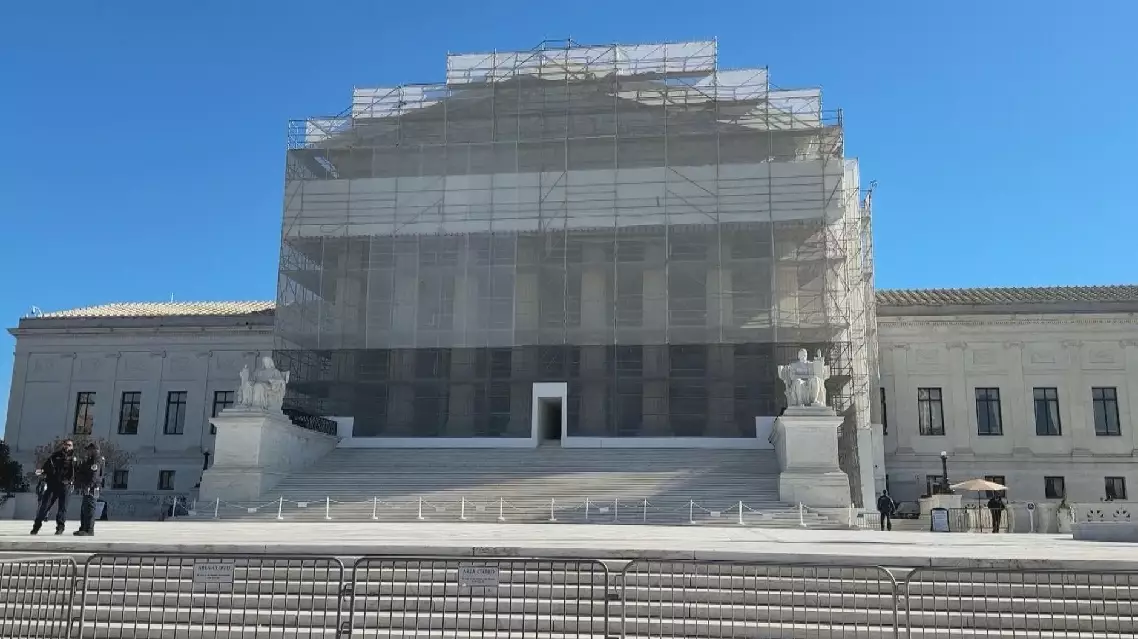
U.S. Supreme Court rules Trump administration's sweeping tariffs illegal
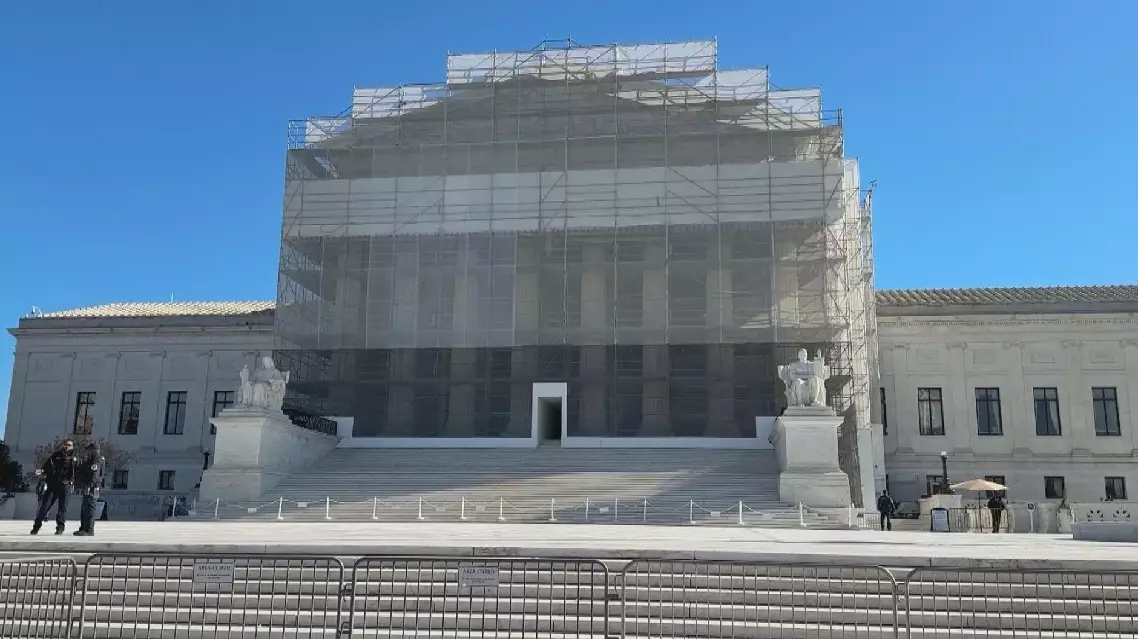
U.S. Supreme Court rules Trump administration's sweeping tariffs illegal
U.S. Supreme Court rules Trump administration's sweeping tariffs illegal
Chinese speed skater Ning Zhongyan has made Asian history at the Milan-Cortina Olympic Winter Games after a long and solitary journey of rebirth following earlier setbacks.
Ning clocked an Olympic record of one minute 41.98 seconds to win the men's 1,500m speed skating event at the Milan-Cortina Olympic Winter Games on Thursday. This triumph follows two previous bronze medals he won in the men's 1,000m and team pursuit.
The men's 1,500 meters is often called the "King's Race" of long-track speed skating, demanding a rare blend of explosive speed and sustained endurance. The event has long been dominated by European and North American skaters. Since the first Winter Olympics in 1924, no Asian athlete had ever won gold in the event until now.
The journey to the throne was not plain sailing for Ning. The joyful tears shed on the Olympic ice at Milano Speed Skating Stadium carried the weight of four hard years.
At the Beijing 2022 Winter Olympics, Ning competed in three events - the 1,000m, 1,500m and mass start - but failed to reach the podium in any of them. In his most practiced discipline, the 1500-meter race, he ranked seventh.
Regrets lingered for a long time. But as a professional athlete, Ning had to adjust his mindset and accept the setback.
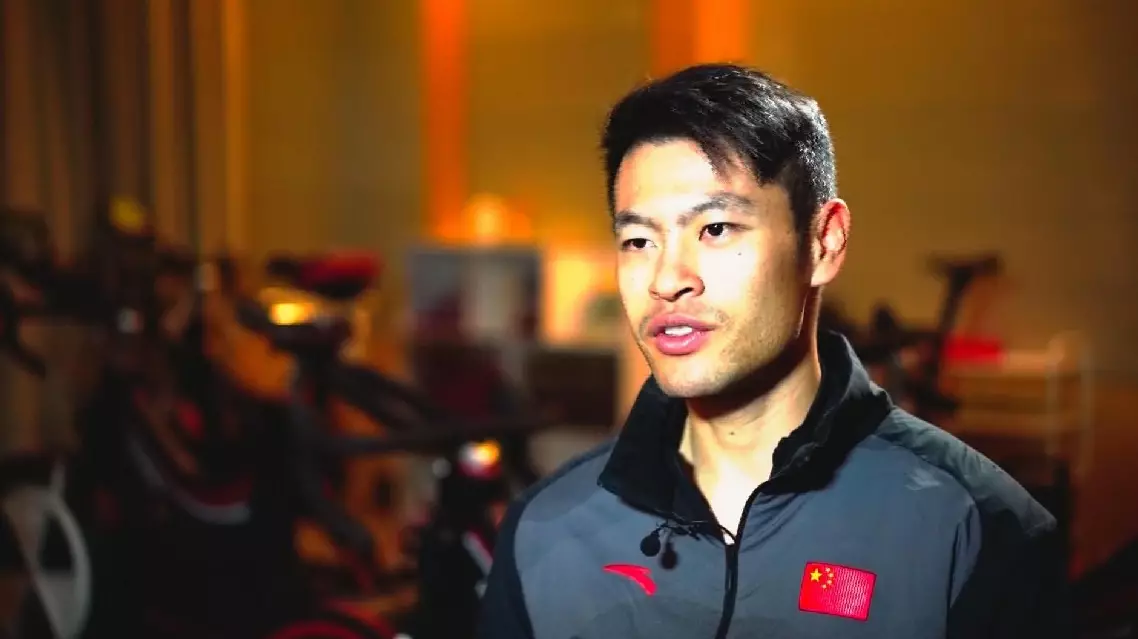
"After thinking over it, I was able to face it and realize that there's no need to burden myself with such pressure anymore. After all, it's already in the past. I can't change that reality, so I just chose to accept it," said Ning in an interview with China Media Group in Milan.
In 2023, Ning started to train with Dutch coach Johan De Wit. The move reshaped his career and his mindset.
"When it comes to training abroad, the first thing you face is loneliness. You need to confront this sense of isolation on your own, for only then can you discover a way of life that truly belongs to you. The changes have been indeed very significant, as some training philosophies were entirely new to me," said Ning.
The transformation soon became evident. During the 2023–2024 season, he not only clinched titles in both the men's 1,000m and 1,500m at the ISU World Cup, but also became the first Chinese male World Sprint Champion in speed skating history.
"[At the World Cup 1500m event,] my opponent was the Olympic champion [Kjeld] Nuis, and I defeated him at the 'Ice Ribbon' (China's National Speed Skating Oval), where he won the Olympic championship in 2022. This victory made me accept my past defeat, and also gave me firmer confidence in myself," said Ning.
Having fulfilled his long-held dream of raising the Chinese national flag on the Olympic podium, the newly crowned "King of Speed Skating" said he is grateful for the setbacks four years ago, which made him stronger, and that he never regretted his choices or the hardships he endured along the way.
Reborn from setbacks, Chinese speed skater makes Asian history at Milan-Cortina Winter Olympics