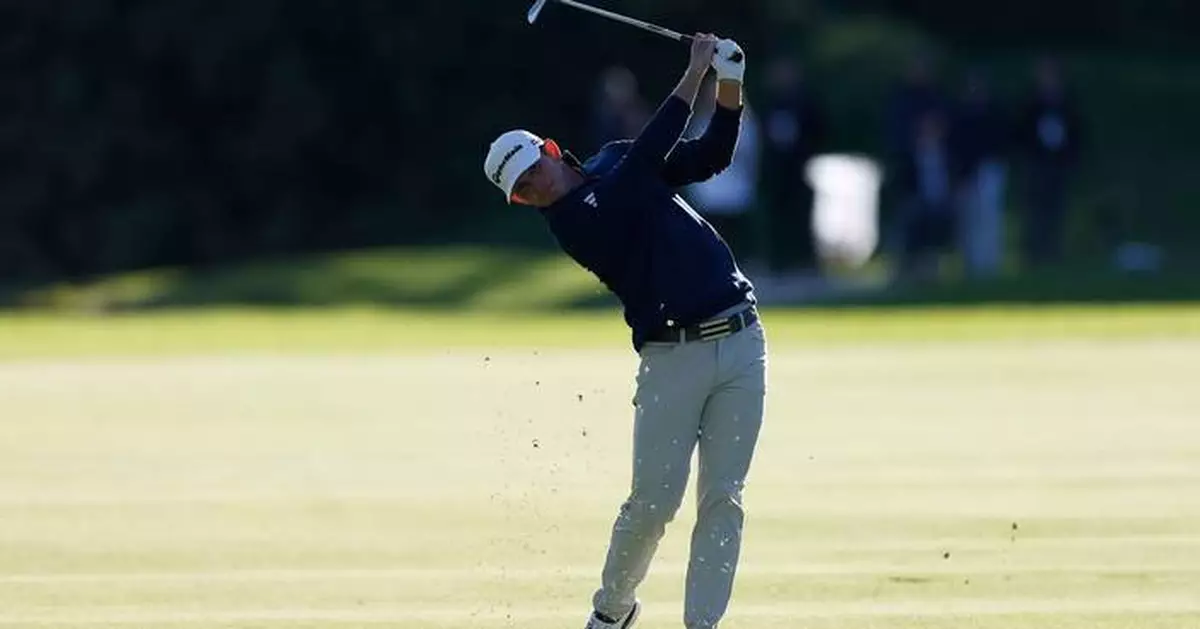
LOS ANGELES (AP) — Marco Penge and Jacob Bridgeman had superb finishes at Riviera on Friday, each with a 7-under 64 that left them tied for the lead at the Genesis Invitational with Rory McIlroy right on their heels.
For Scottie Scheffler, the objective was just getting to the weekend. He accomplished that by the smallest of margins, a 7-foot par putt that caught just enough of the lip to swirl in.
Click to Gallery
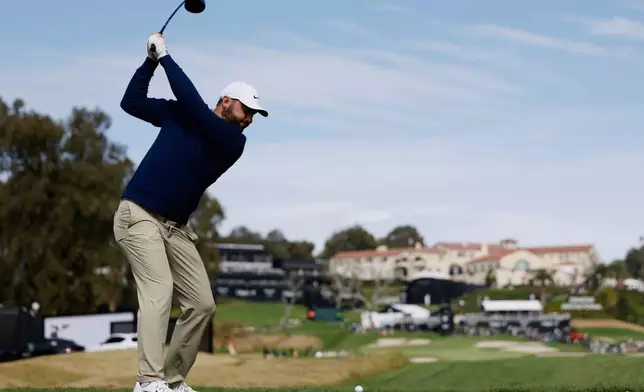
Scottie Scheffler hits from the ninth tee during the second round of the Genesis Invitational golf tournament at Riviera Country Club, Friday, Feb. 20, 2026, in the Pacific Palisades area of Los Angeles. (AP Photo/Caroline Brehman)
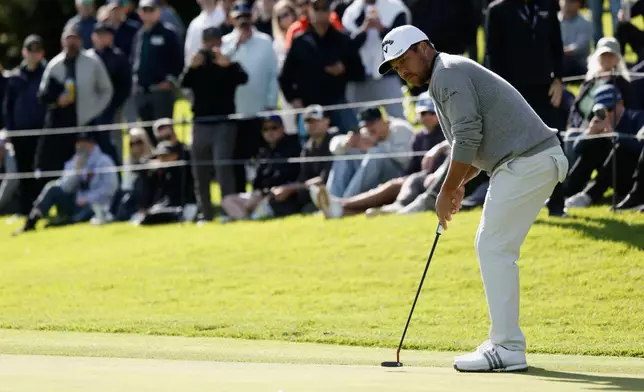
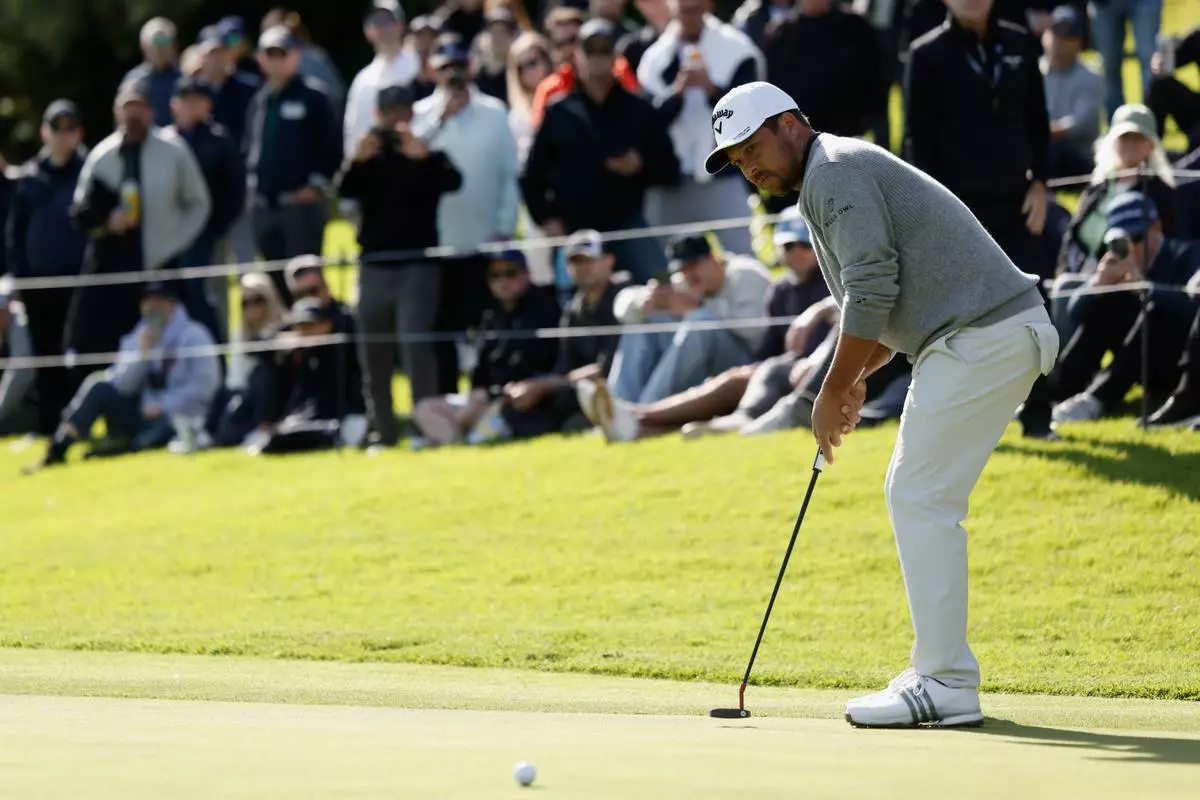
Xander Schauffele putts on the 18th hole during the second round of the Genesis Invitational golf tournament at Riviera Country Club, Friday, Feb. 20, 2026, in the Pacific Palisades area of Los Angeles. (AP Photo/Caroline Brehman)
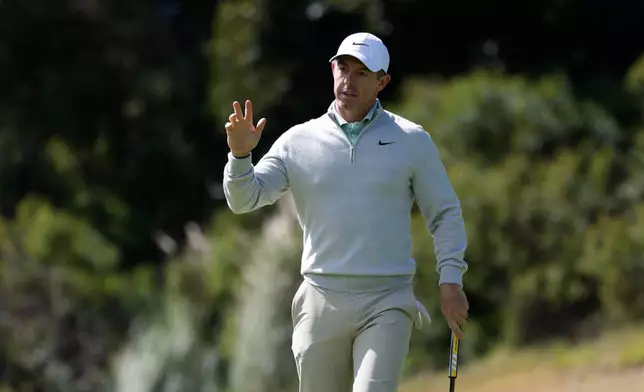
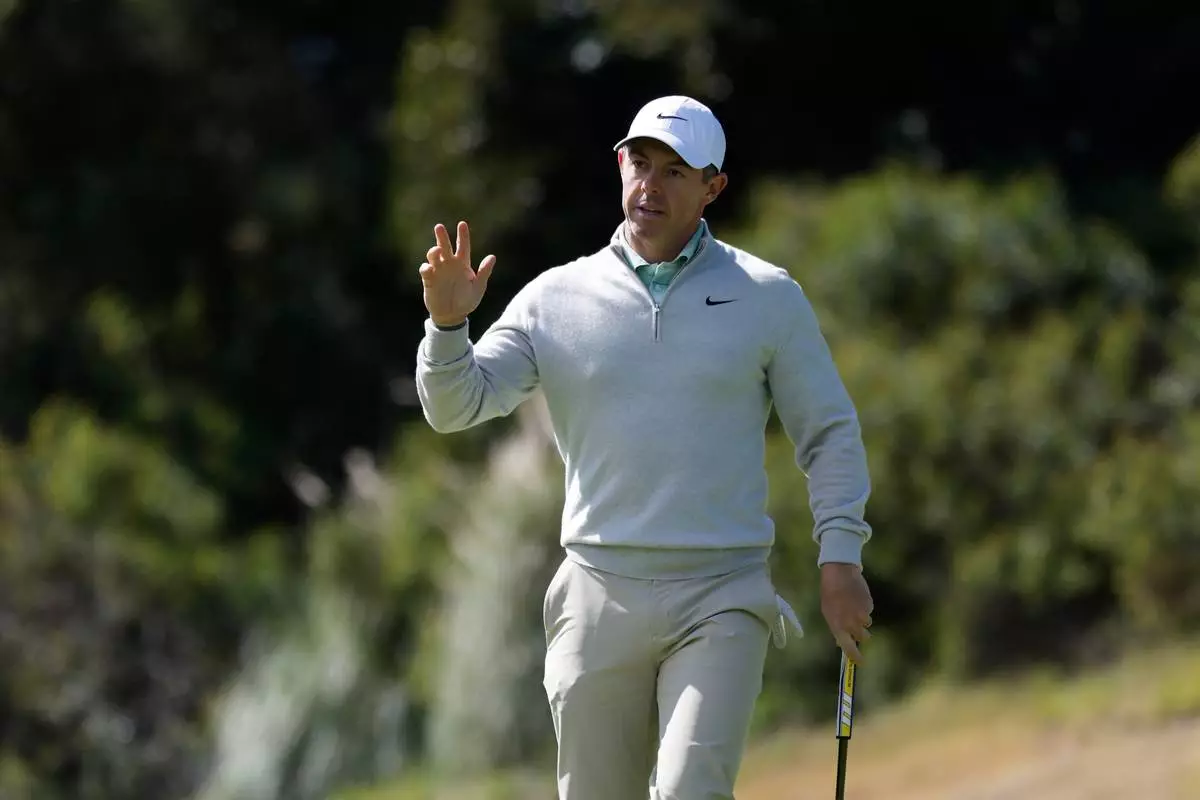
Rory McIlroy, from Northern Ireland, waves after putting on the fourth hole during the second round of the Genesis Invitational golf tournament at Riviera Country Club, Friday, Feb. 20, 2026, in the Pacific Palisades area of Los Angeles. (AP Photo/Caroline Brehman)
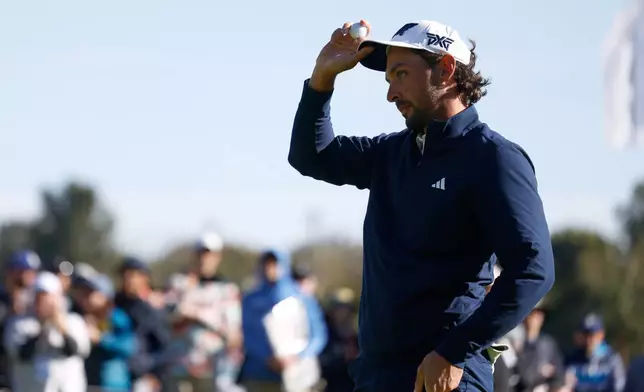
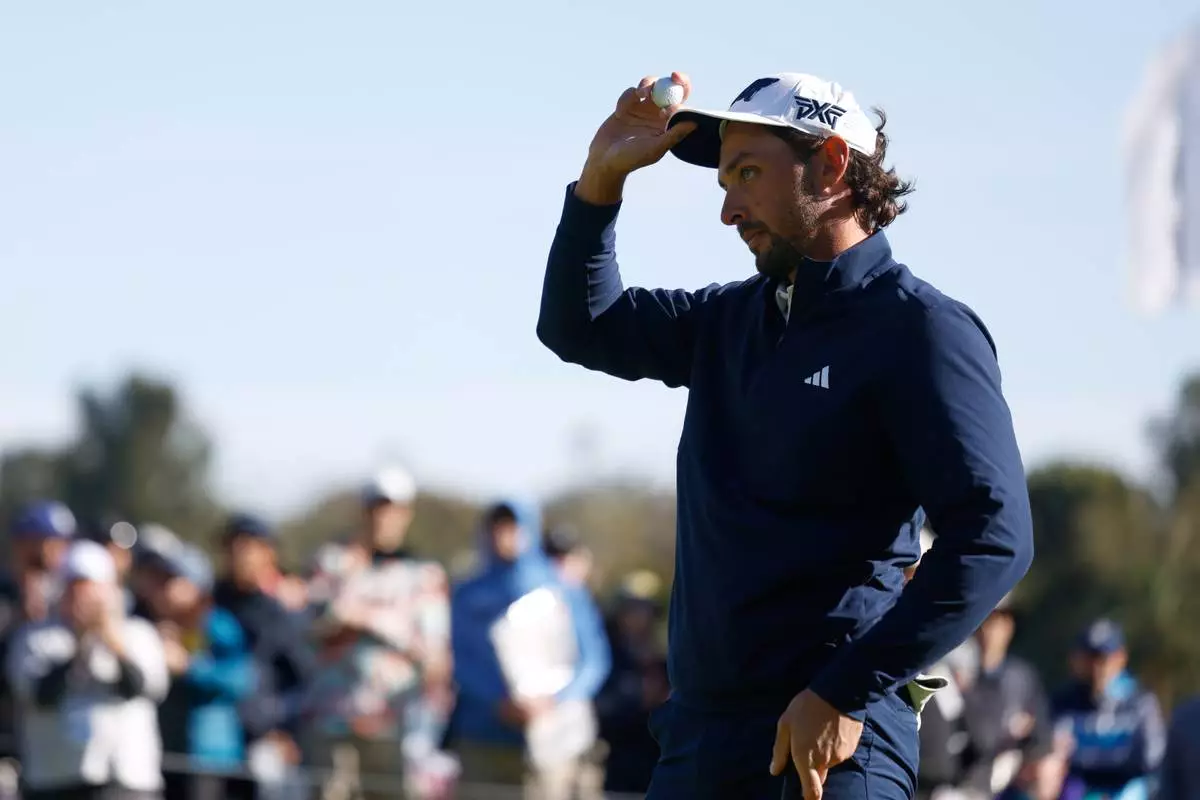
Marco Penge, from England, reacts after putting on the 18th green during the second round of the Genesis Invitational golf tournament at Riviera Country Club, Friday, Feb. 20, 2026, in the Pacific Palisades area of Los Angeles. (AP Photo/Caroline Brehman)
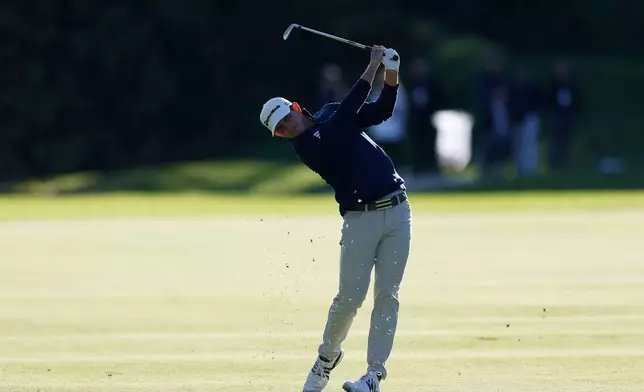
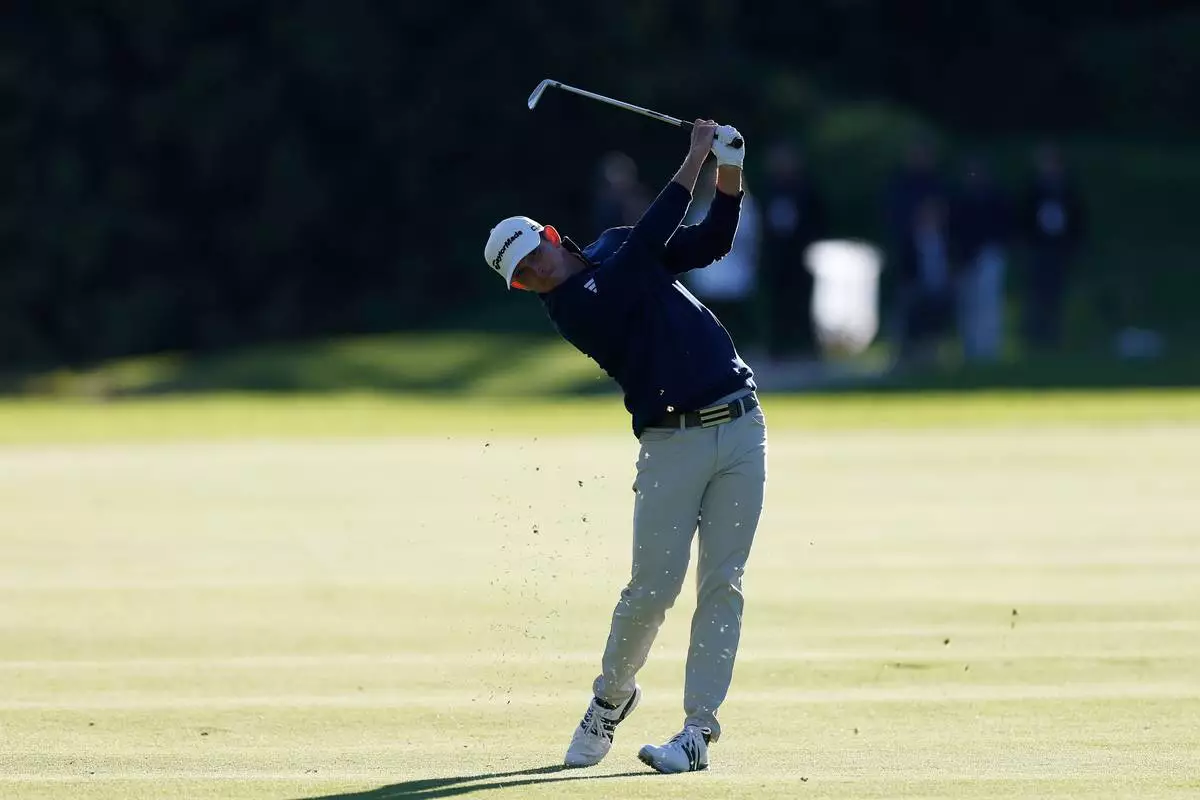
Jacob Bridgeman hits from the 18th fairway during the second round of the Genesis Invitational golf tournament at Riviera Country Club, Friday, Feb. 20, 2026, in the Pacific Palisades area of Los Angeles. (AP Photo/Caroline Brehman)
Penge, the leading player from the European tour to secure a PGA Tour card for this year, pulled away with five birdies over his final seven holes and was the first to post at 12-under 130. More remarkable than his score was keeping his mind on golf — his wife is moving into their new home in Florida and expecting their second child next week.
“It’s been quite tough, to be fair, the last four weeks for me and my family,” Penge said. "She’s been in the U.S. on her own, heavily pregnant, looking after a 1 1/2-year old at the same time with no family or friends around.
“It’s been like a bit of a gamble of me just kind of going to compete and leaving her on her own.”
Bridgeman only played Riviera for the first time Wednesday because of rain. He birdied his last three holes, finishing with a 5-iron into a cool breeze to 8 feet to join Penge.
The former Clemson star has discovered a fondness for poa annua, the strain of grass that get bumpy with spikes and footprints and late afternoon growth, and can be downright terrifying on short par putts when the greens are this fast.
Joe Greiner, a caddie in his group, even asked him, “Are you sure you're not from the West coast?”
“It's shocking how soft they are and how fast they are,” Bridgeman said. “I think two or three times today I hit it 6 feet by the hole and was just like, ‘Wow, I don’t know how they’re that fast,’ because you can hit a 5-iron and it will back up. This is probably the most pure poa annua I’ve ever seen.”
McIlroy has opened 66-65 and he has only one bogey on his card through 36 holes, quite a change from last week at Pebble Beach when he had three double bogeys and a triple bogey that ruined his chances to contend.
He played the three par 5s with two birdies and an eagle on the 11th, and he birdied the par-3 fourth for the second straight day. The hole was lengthened to 273 yards, which McIlroy called a “horrible change” at the start of the year. The PGA Tour has yet to use that tee.
The biggest change was keeping mistakes out of his round.
“There’s no Pacific Ocean to hit it into around this golf course, so that helps,” McIlroy said. “I still hit some loose shots, but the course setup is in a way that you can get away with it a little bit more. But I’ve hit it well, I’ve controlled my distance well for the most part, and I’ve holed some nice putts from inside 8 feet for pars when I've needed to.”
Xander Schauffele showed more strides toward sharpness with a 65 that left him three shots behind, along with two-time Riviera winner Adam Scott, who had the low round of the day at 63. Scott was 9 under through 13 until spending the final hour scrambling for par and only failing to do that on the last hole.
This is one of three signature events that has a 36-hole cut to top 50 and ties, and anyone within 10 shots of the lead. Scheffler, who had to rally Friday morning for a 74 to complete the rain-delayed first round, was well aware where he stood. He was on the ropes, 4-over par for the tournament, 10 holes to play, figuring he needed to get to even par.
The world's No. 1 player promptly made three straight birdies around the turn, the last two the product of his exquisite short game, and picked up another on the par-5 17th. But he got steep on a simple chip at the 18th and lightly pumped his fist when the 7-footer for par curled into the cup.
It was the third straight week he failed to break par in the opening round — something he hasn't done since his rookie season in 2020 — and he rallied in Phoenix and Pebble Beach to give himself a chance to win. This was about giving himself a chance to play, and he was delighted.
“I started the day not where I wanted to,” Scheffler said. “But yeah, battled and it looks like I get another couple rounds to see what I can do.”
AP golf: https://apnews.com/hub/golf
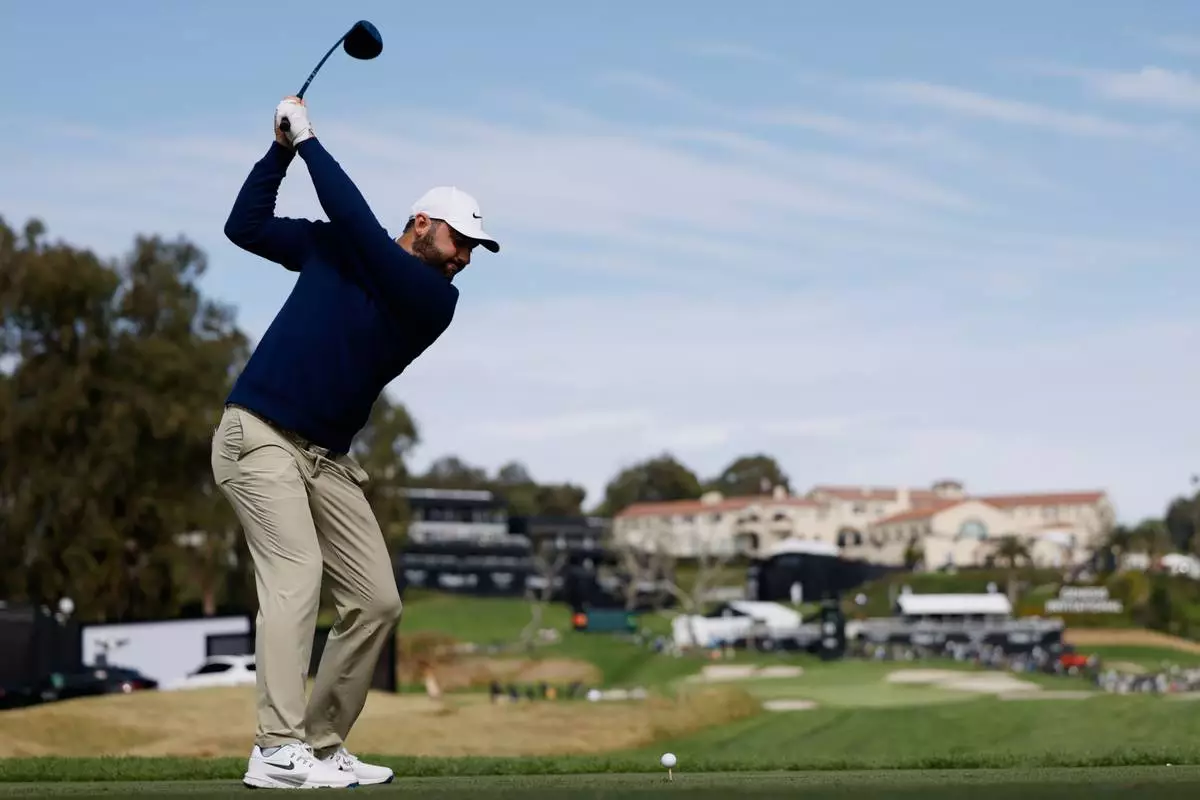
Scottie Scheffler hits from the ninth tee during the second round of the Genesis Invitational golf tournament at Riviera Country Club, Friday, Feb. 20, 2026, in the Pacific Palisades area of Los Angeles. (AP Photo/Caroline Brehman)
Xander Schauffele putts on the 18th hole during the second round of the Genesis Invitational golf tournament at Riviera Country Club, Friday, Feb. 20, 2026, in the Pacific Palisades area of Los Angeles. (AP Photo/Caroline Brehman)
Rory McIlroy, from Northern Ireland, waves after putting on the fourth hole during the second round of the Genesis Invitational golf tournament at Riviera Country Club, Friday, Feb. 20, 2026, in the Pacific Palisades area of Los Angeles. (AP Photo/Caroline Brehman)
Marco Penge, from England, reacts after putting on the 18th green during the second round of the Genesis Invitational golf tournament at Riviera Country Club, Friday, Feb. 20, 2026, in the Pacific Palisades area of Los Angeles. (AP Photo/Caroline Brehman)
Jacob Bridgeman hits from the 18th fairway during the second round of the Genesis Invitational golf tournament at Riviera Country Club, Friday, Feb. 20, 2026, in the Pacific Palisades area of Los Angeles. (AP Photo/Caroline Brehman)