Chinese tech giant Alibaba is harnessing artificial intelligence (AI) and cloud computing to deliver immersive fan experiences at the Milano Cortina 2026 Winter Olympics, blending interactive showcases, personalized retail solutions, and advanced broadcasting technologies.
On Feb. 7, during a ceremony attended by International Olympic Committee (IOC) President Kirsty Coventry and Alibaba Group Chairman Joe Tsai, Worldwide Olympic Partner Alibaba unveiled "Wonder on Ice", an interactive public installation designed to demonstrate how digital innovation can transform Olympic engagement.
Located in Milan's Piazza del Castello against the backdrop of the medieval Castello Sforzesco, the showcase highlights how AI agents can personalize shopping journeys and virtual retail experiences.
"It's a very new journey about Alibaba using AI technology to help the visitors understand how AI agents can help us during the shopping part," said Chen Yan, head of Olympics marketing with Alibaba Group.
"Alibaba's support of Milano Cortina 2026 includes cloud-powered broadcasting solutions to improve efficiency and reduce carbon footprint, AI-enhanced 360-degree replays to elevate the viewing experience, and AI-powered sustainability tools enabling smarter energy and carbon management across venues," said the IOC website.
According to the IOC, Alibaba's support for Milano Cortina 2026 includes cloud-powered broadcasting to boost efficiency and cut carbon emissions.
"We do have a 360-degree replay system, which is happening in the venues. All the visitors and spectators can see the highlight moments generated by AI," said Chen.
"It's a world platform to show how we are capable of using technology to help the visitors live better. So, I think it's a very good opportunity for our business and our branding as well," said Chen.

AI, cloud tech drive Alibaba's immersive fan experience at Winter Olympics
International tourists are no longer just passing through China's transit cities during the Spring Festival, as festive experiences, innovative tourism products and convenient services are prompting more travelers to stay longer.
In Wanzhou District, southwest China's Chongqing Municipality, the benefit of the country's visa-free policies is increasingly visible. While the district has traditionally served as a transfer point for tourists boarding Yangtze cruises or switching to high-speed rail, this year's holiday saw a significant shift as visitors chose to stay and experience the local festive atmosphere of the Chinese New Year.
"I've really been enjoying Wanzhou. The food here is exceptional, the steamed lamb is very good, the BBQ fish, the zajiang noodles. I like them a lot. The river is very beautiful, there's lots to do and the mountains are also very beautiful. The next few days I plan to visit Wanzhou's waterfall and also enjoy Chinese New Year," said a tourist from South Africa.
To accommodate the growing number of inbound travelers, particularly those in transit overnight, local authorities launched the Pinghu Night Tour. The initiative features drone light shows, roasted fish night markets, and 24-hour intangible cultural heritage performances, successfully transforming Wanzhou from a mere stopover into a primary destination.
Data from the local tourism department shows that inbound travel orders in Wanzhou surged by 40 percent year-on-year during the Spring Festival holiday.
At Beijing Capital International Airport, a newly launched free half-day tour program for international transit passengers has seen high demand during the holiday, with an average of over 100 daily registrations. The program whisks travelers away to iconic landmarks such as the Temple of Heaven and Qianmen Street, allowing them to make the most of their layover.
"It's really awesome getting to go to the old temple. I think that's really, really cool to see a bit of Chinese history," said a tourist from New Zealand.
The festive warmth has also reached China's maritime gateways. In the port city of Shantou, south China's Guangdong Province, a new policy allows foreign crew members to bypass traditional waiting times and head directly to local scenic spots. Border inspection officials now send invitation emails to vessels in advance, enabling crew members to clear customs quickly and join the New Year celebrations.
"All these impressions that I received in China are gift for me," said a Russian sailor.
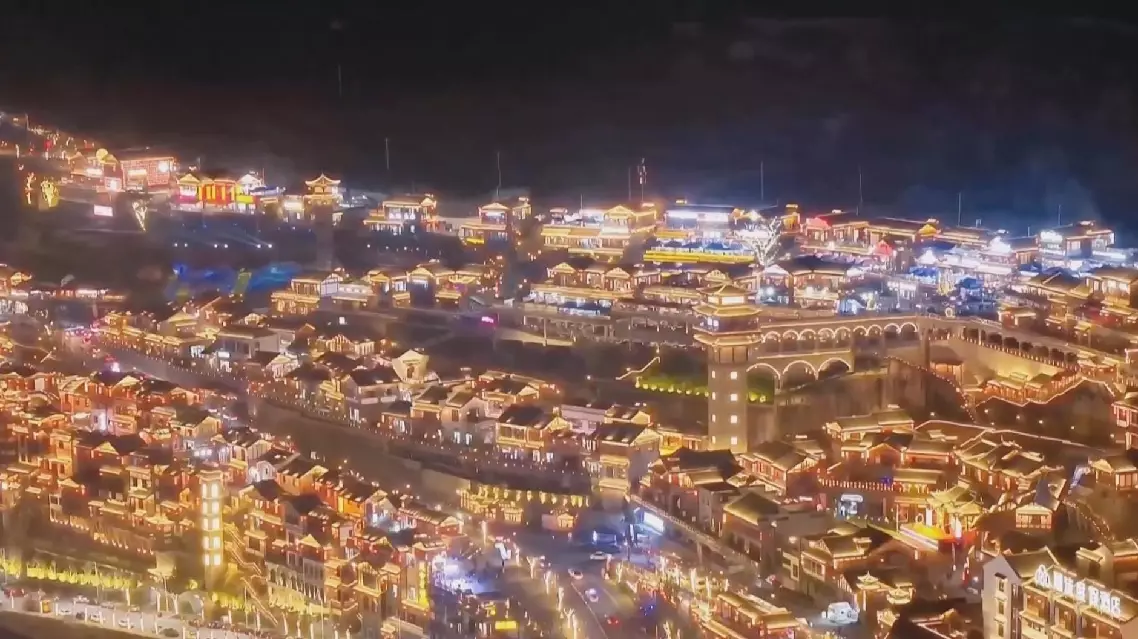
China’s transit cities emerge as popular destinations for global tourists during Spring Festival