The U.S. state of Florida has long been known as an affordable retirement haven, but rising housing costs, skyrocketing insurance, and corporate buyouts of mobile home parks are pushing lower-income seniors to the breaking point.
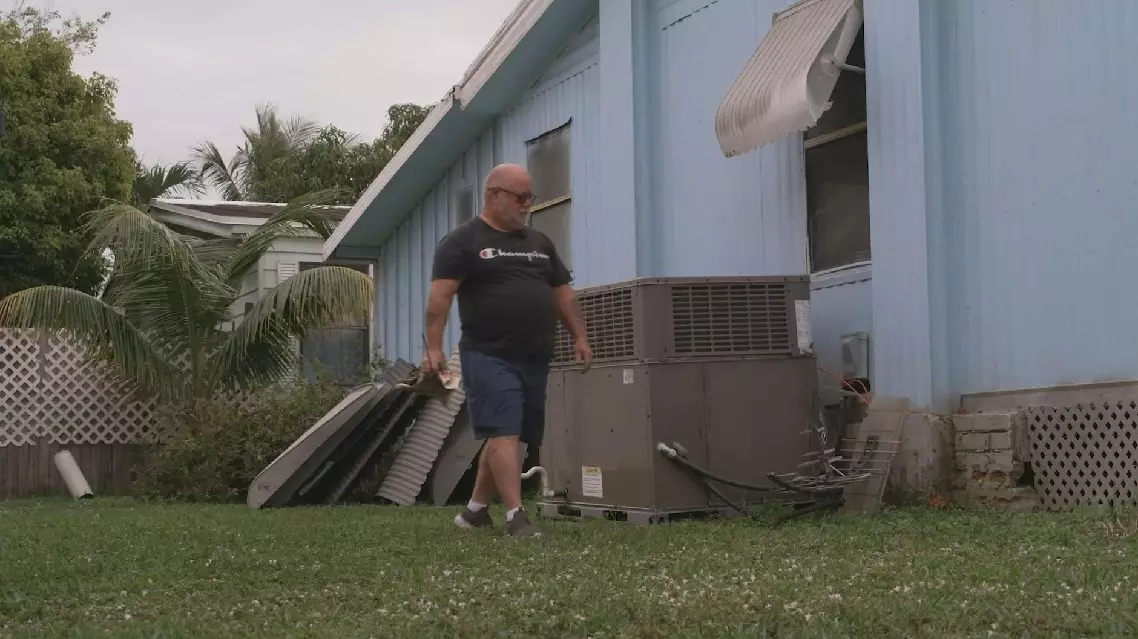
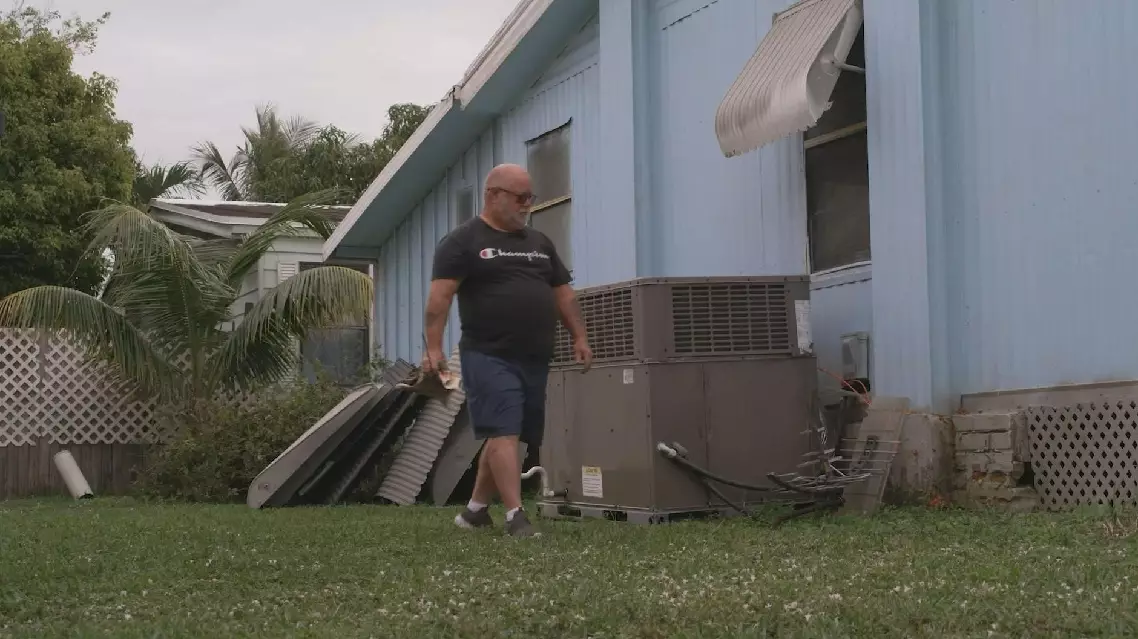
Sixty-eight-year-old Jack Teachman was born at Hialeah Hospital and has lived in Florida his entire life. He worked as an exterminator for 25 years and retired there. Now, he is considering leaving the state he has always called home.
"Because I can't afford it here. It's costing too much money," Teachman explained.
"When I first got in, the lot rent was 435, and we weren't paying any land tax. Now it's up to almost 900 U.S. dollars a month, and now we're paying land tax for the last few years. It's not easy," he said.
In addition to the higher monthly lot rent, he also pays 341 U.S. dollars a year in land taxes and 251 U.S. dollars for electricity. However, his only source of income is Social Security.
"I get 2,700 for Social Security. My biggest fear is, what's going to happen when next year comes along and they want to raise the lot rent again, and then they want to raise the land taxes again. You're making 2,700 bucks a month. You're spending a thousand dollars for a lot rent, plus you're spending for the land tax. What are you going to live on?" he said.
Although he owns his mobile home, the land beneath it is not his, which means he cannot qualify for a loan to cover repairs. The roof alone carries a cost of 8,500 U.S. dollars.
So he does the repair work himself. He recently tore down and replaced all the drywall inside his home, learning how from YouTube.
"To pay somebody to come in and put drywall is 4,000 or 5,000 dollars. So you can't afford it, but you got to do the best you can with what you got," Teachman stated.
His monthly Social Security income is too high to meet the eligibility threshold for food assistance, even as his living costs continue to rise, said Teachman, who also noted that his adult children are unable to provide financial support, as they are raising families of their own and managing their own household expenses.
"Look, I'm 68 years old. I have to take care of myself. And now they're having their family. They got to take care of themselves. So what are you going to do? I mean, honestly, can't do anything," he said.
In addition, Citizens Insurance quoted him 3,000 dollars a year for homeowners coverage.
"If things get worse, I may have no choice but to put it up for sale and move, go somewhere else. But Again, where are you going to come with the money? Then if you want to sell it, how much can you really get from it for somebody to buy it? You're in a catch-22 situation," he said.
Lower-income US seniors struggle as expenses climb
Lower-income US seniors struggle as expenses climb