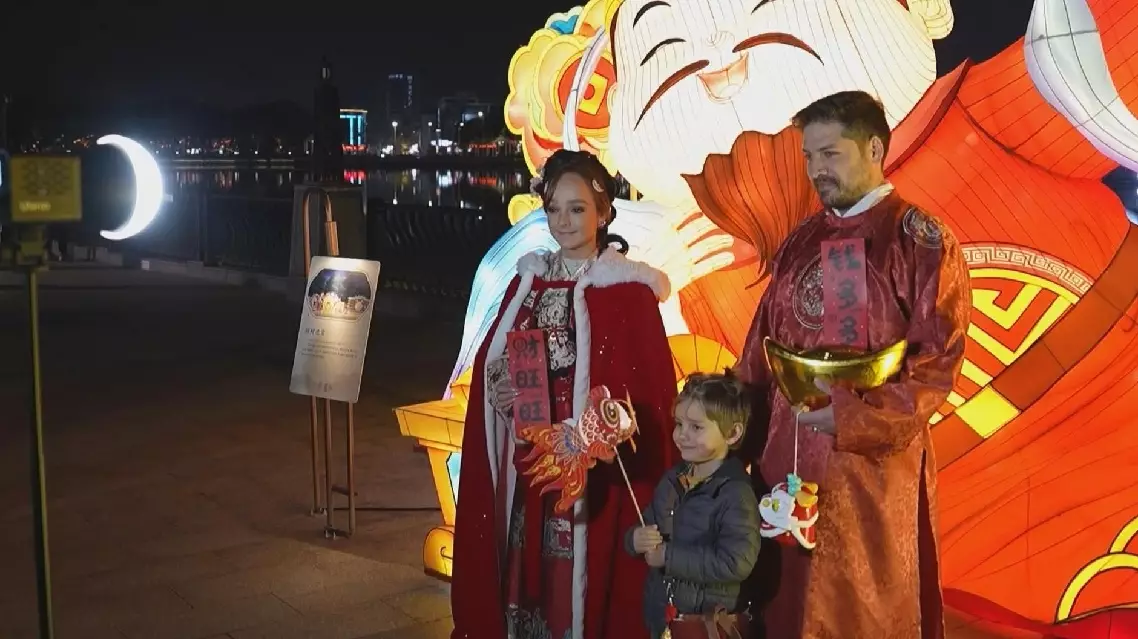
China saw the average daily travel volume during the Spring Festival holiday increase by 3.5 percent year on year, according to Wu Tong Big Data of China Mobile.
Most people chose to travel from Feb. 19 to 21, or the third to fifth day of the Year of the Horse, after greeting the Spring Festival, also known as the Chinese New Year, with their family on Feb. 17, according to the data.
Over 50 percent of the Chinese holiday-makers traveled within one provincial-level region, and the daily number of Chinese tourists touring two provincial-level regions or more increased by 6.8 percent on average compared with the Spring Festival holiday in 2025, the data showed.
The average daily growth in the time of staying in cities with strong festive atmosphere and rich folk activities was 21.6 percent from the Spring Festival holiday last year, indicating that the holiday-makers spent more time on in-depth experience of local customs.
Tourists from more than 160 countries and regions visited more than 300 cities in China during the Spring Festival holiday this year, and the average daily increases in the numbers of tourists from Sweden, Italy, Malaysia and France exceeded 30 percent, the data showed.
"The number of overseas tourists rose by 10.1 percent daily on average compared with the same period last year, with that of overseas tourists visiting second-tier cities and lower up 12 percent daily on average. These tourists' destinations gradually extended from first-tier cities to small and medium-sized cities with their own characteristics," said Zhang Weifang, deputy general manager of the big data smart application center of China Mobile.
China sees average daily travel volume up 3.5 pct during Spring Festival holiday
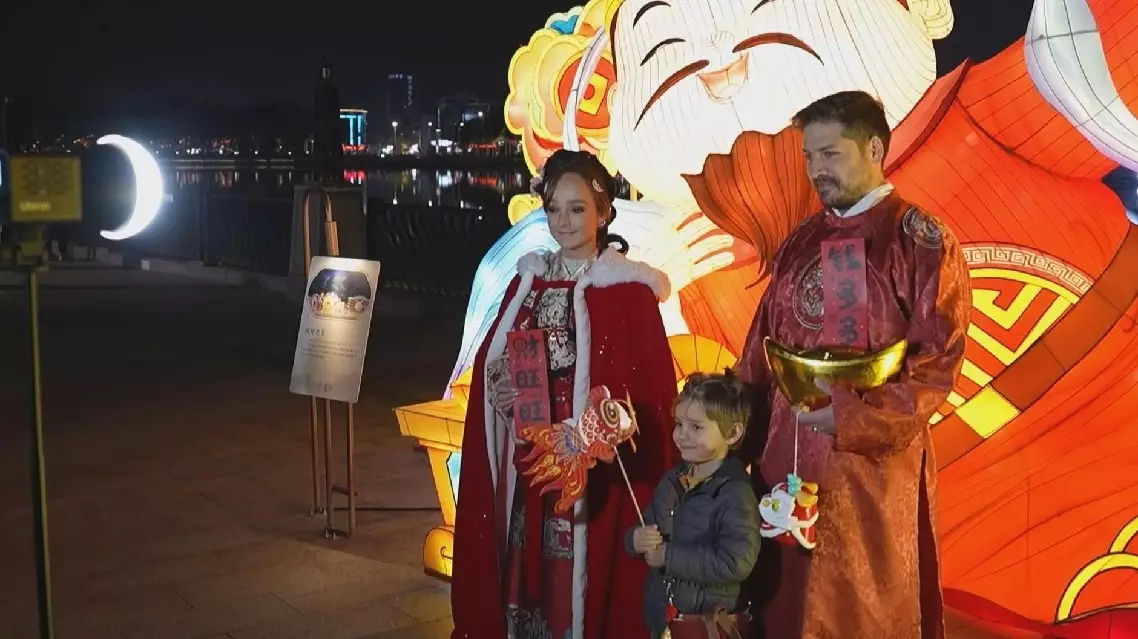
China sees average daily travel volume up 3.5 pct during Spring Festival holiday
Nicaragua's co-foreign minister Valdrack Jaentschke has warned that militarism must never be allowed to rise again, as Japan's recent moves to lift its arms export ban and revise the pacifist Constitution continue to draw international concern.
This year marks the 80th anniversary of the opening of the Tokyo Trials, where Japan's Class-A war criminals from World War II were brought to justice.
In an interview with China Global Television Network (CGTN), Valdrack Jaentschke voiced his concern that today's world order is being undermined by interventionism and other challenges.
"It is necessary for us to remember that after the end of World War II, countries worked hard to build a new international order based on international law. However, regrettably, more than 80 years later, we are seeing that this once explored and attempted order is being challenged by interventionism, a confrontational mindset, and tendencies like 'might makes right.' These are precisely the conditions that gave rise to fascism and militarism in the past, which ultimately led to the tragedy of World War II," he said.
He said the international community has a responsibility to pursue a new international order -- one fundamentally grounded in peace.
"Looking back at the history more than eight decades ago and comparing it with today's reality, it is our responsibility to recognize that the world should, and must, build a new international order that is more just, fairer, rooted in international law, based on a logic of mutual benefit and shared success, and fundamentally grounded in peace," said the minister.
"Today, as we revisit the Tokyo Trials, it is meant to remind the world that such a tragedy must never be repeated -- and that we must do everything in our power to prevent it from happening again. We must stop that dark world -- born from militarism, interventionism, and fascism -- from ever returning," he said.
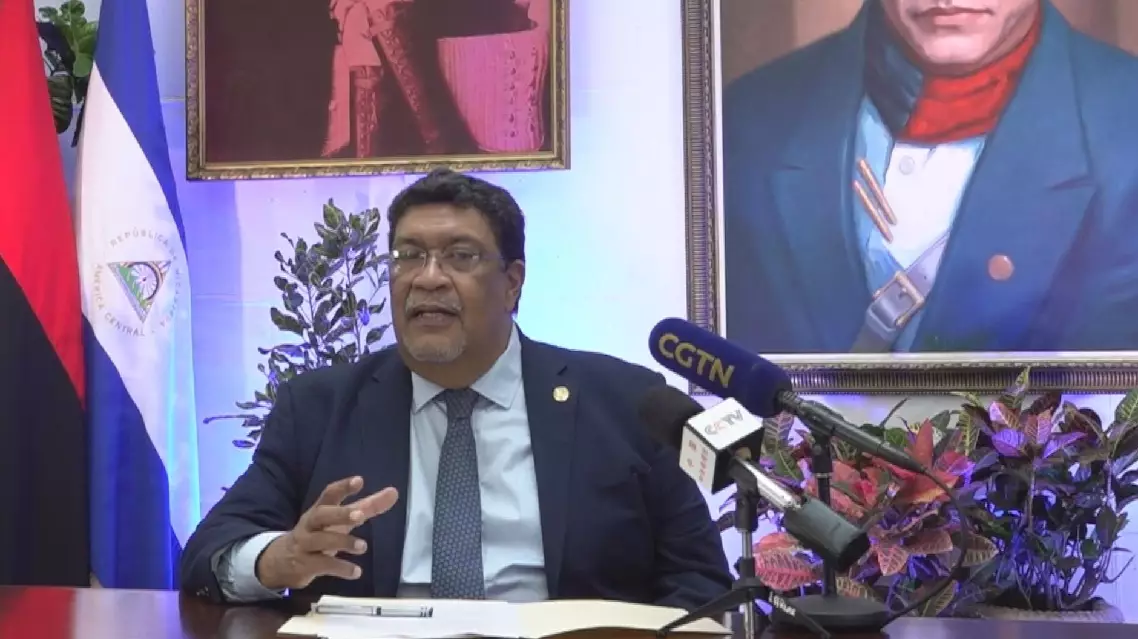
Nicaraguan FM warns of militarism revival