A snowfall hit Urumqi City, Xinjiang Uygur Autonomous Region in northwest China, on Tuesday, affecting local transportation as many residents returned to work after the nine-day Spring Festival holiday, which concluded on Monday.
At an overpass in downtown Urumqi, traffic remains heavy although the morning rush hour has passed. Vehicles moved at reduced speeds, with drivers keeping safe distances from one another.
Daytime temperatures in Urumqi had risen to around three degrees Celsius in recent days, causing existing snow across the city to gradually melt. Passing vehicles turned the road's snow into watery slush, making the surface wet and slippery, with drivers seen proceeding with extra caution.
To address the situation, the city's traffic police launched an emergency response to severe weather on Tuesday morning, deploying officers at key intersections to direct traffic and ease congestion. Thanks to these measures, traffic during the morning peak remained relatively smooth overall.
The snow also affected other parts of Xinjiang. In the Ili River Valley in northwest Xinjiang, heavy snow hit the Guozigou section of the G30 Lianyungang–Khorgos Expressway since Monday afternoon. Local traffic police promptly activated emergency plans, stepped up patrols, and imposed temporary traffic controls on the highway. They also assisted drivers involved in minor accidents caused by slippery roads. By around 10:00 Tuesday, snowfall in the Guozigou section had largely subsided, and traffic was gradually restored.
According to the Xinjiang Meteorological Center, snowfall and a temperature drop are expected to continue until Tuesday night and may persist until early Wednesday morning in some mountainous areas. The local meteorological center has issued a yellow alert, the third-highest level, for road icing, reminding drivers on the road or returning to work to stay updated on weather conditions and plan their travel accordingly.
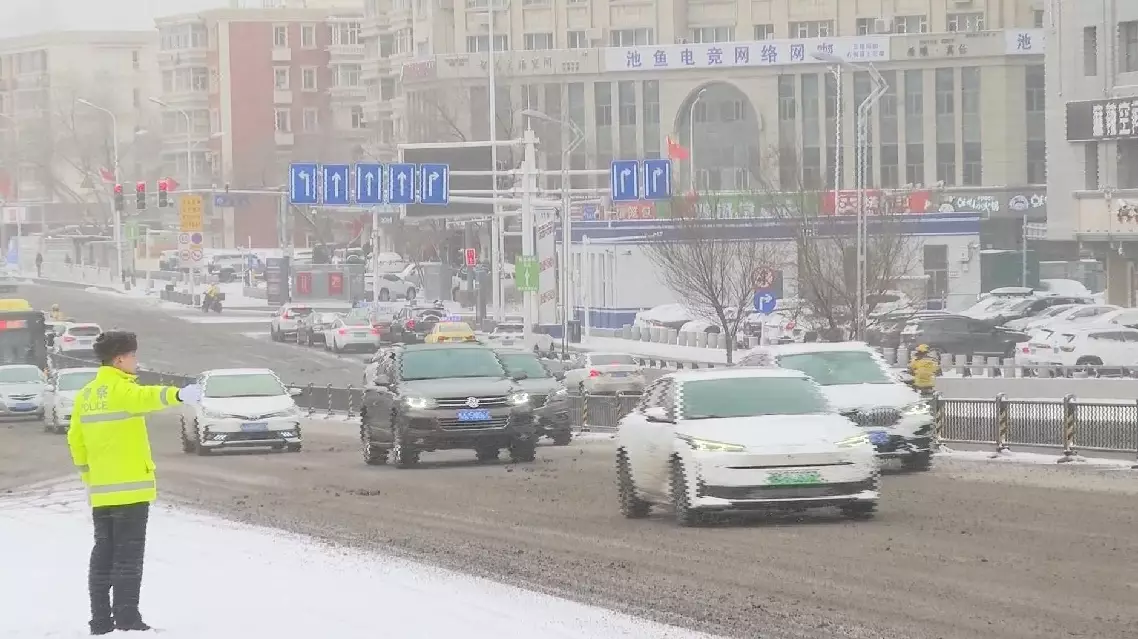
Snow impacts traffic in Xinjiang as work resumes after Spring Festival holiday
The Japanese society should do soul-searching regarding its history of aggression and adhere to the pacifist constitution, said Shiradori Hiroshi, a professor of the Hosei University, in an interview with China Central Television (CCTV) in Tokyo on April 30.
He said the government's recent move to discuss revising the three security documents deserve particular attention as the country's foreign and security policies have already witnessed major changes.
"People outside of the country hold that Japan's post-war image as a 'peace state' is now facing a major shift. Against the backdrop of tremendous changes in its foreign and security policies, the revision of the three security documents deserves particular attention. There lacks public debate in terms of the procedure, with policy changes decided unilaterally at Cabinet meetings. It is necessary to fully explain to the public as to whether such a practice is proper," said Hiroshi.
The Japanese government held its first expert panel meeting to discuss revisions to the three security documents at the Prime Minister's Office on April 27, local media reported.
Japan's current National Security Strategy and two related documents, formulated in 2022, were designed to cover the next 10 years, but the government led by Prime Minister Sanae Takaichi has decided to move up the timetable to accelerate the revision process.
Increasing defense spending is one of the key topics of the meeting, according to Kyodo News.
Hiroshi said this year marks the 80th anniversary of the opening of the International Military Tribunal for the Far East, or Tokyo Trials, and the Japanese society must do soul-searching regarding its history of aggression in WWII, when it brought enormous catastrophes on Asian countries.
"Eighty years have passed since the opening of the Tokyo Trials. Japan inflicted enormous suffering on Asian countries during WWII, which should serve as an opportunity for the soul-searching. It is exact on the basis of countless sacrifices that Japan's post-war pacifism and its identity as a 'peace state' took shape. On this 80th anniversary, it is necessary for Japan to re-examine and do soul-searching regarding its history," said Hiroshi.
The Japanese government's effort to revise the pacifist constitution is widely opposed by the public.
On Sunday, around 50,000 people gathered at Tokyo Rinkai Disaster Prevention Park, chanting slogans and holding banners against the government's push for constitutional revision and military expansion, the largest turnout of its kind in recent years.
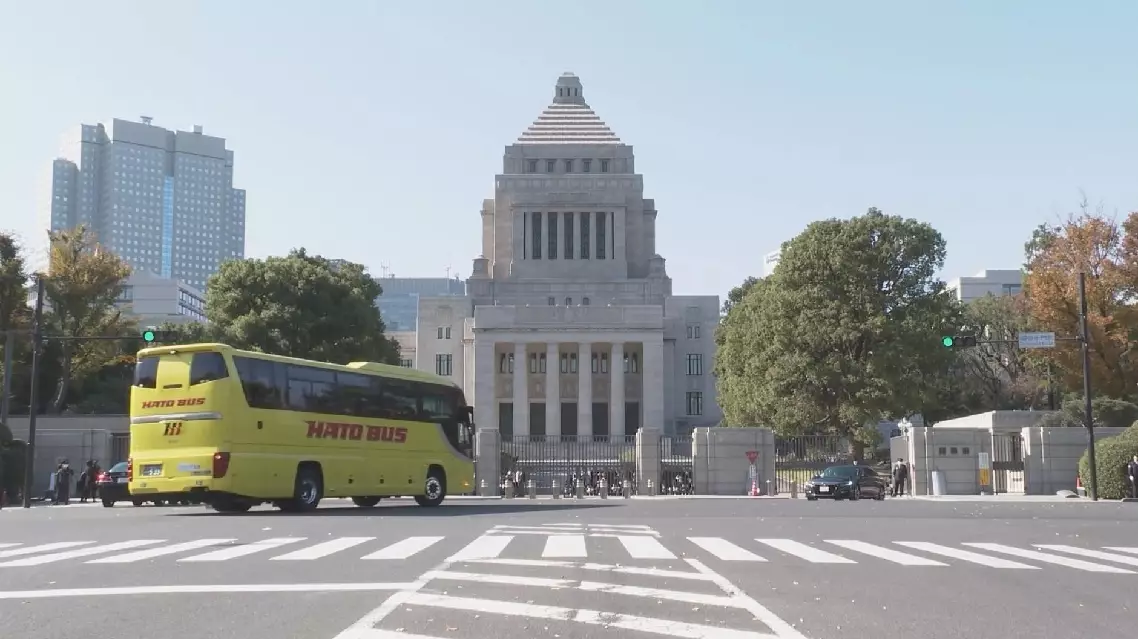
Japan should adhere to pacifist constitution: scholar