Hospital Authority welcomes 2026-27 Budget
The following is issued on behalf of the Hospital Authority:
The Hospital Authority (HA) Chairman, Mr Henry Fan, welcomed the 2026-27 Budget announced by the Financial Secretary, Mr Paul Chan, at the Legislative Council today (February 25). The 2026-27 annual subvention for the HA will be $103.1 billion (including $101.8 billion recurrent), having increased by 2.9 per cent compared to the 2025-26 revised provision.

The Hospital Authority (HA) Chairman, Mr Henry Fan, Photo source: FB of HA
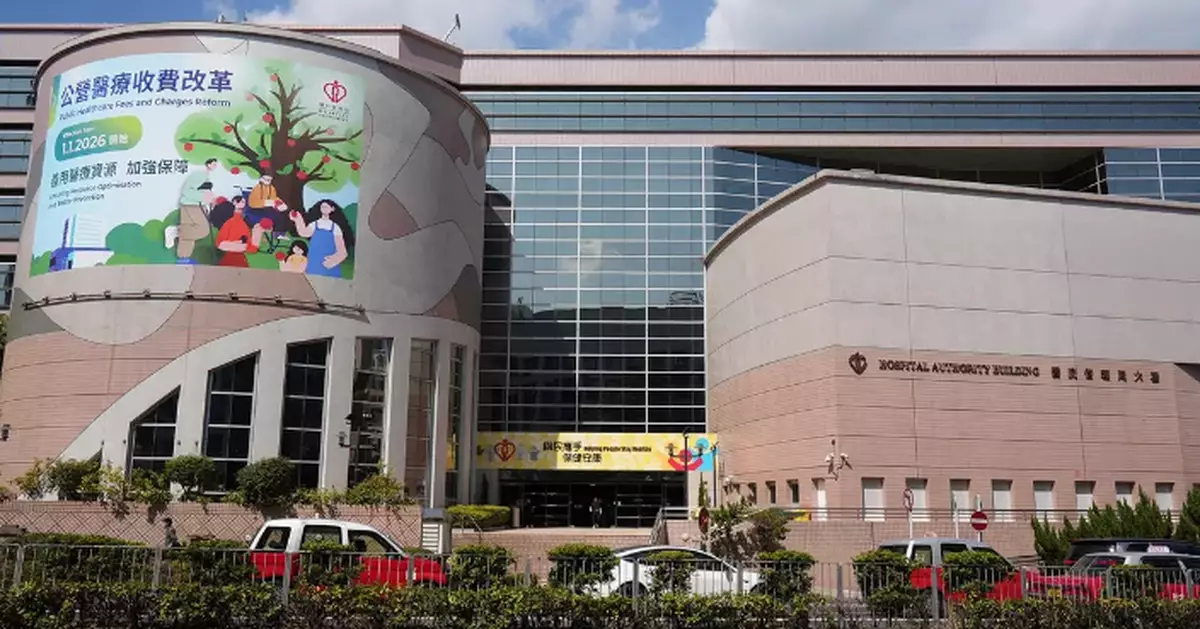
Mr Fan expressed his gratitude to the Government for the continuous increase to the subvention for the HA in order to support the enhancement of public healthcare services. The Public Healthcare Fees and Charges Reform has been fully implemented and has shown initial success. The HA will continue to make optimal use of resources and ensure their proper allocation so that public resources are used effectively to promote the sustainable development of public healthcare services. Enhancing healthcare protection for the "poor, acute, serious, critical" patients on all fronts will ensure that the resources of the public healthcare system can be directed in a targeted manner to help those patients most in need, and fulfil the healthcare system's role as a safety net.
Mr Fan said, "With the staunch support of our nation and the Hong Kong Special Administrative Region (HKSAR) Government, the HA will continue to strengthen its services to provide patients with timely treatment and care. The HA will continue to strive to provide high-quality medical services to the public. The HA is conducting accreditation for various public hospitals, and is setting up a third stroke centre in accordance with national accreditation standards."
The HA Chief Executive, Dr Libby Lee, thanked the HKSAR Government for supporting the continuous enhancement of public hospital services. "The HA will continue to strengthen its service capacity to meet the needs of the community, which includes enhancing service quality, streamlining processes, reducing patient waiting times and optimising hospital environments. The HA is committed to provide patient-centred clinical services with warmth, so that patients could receive appropriate medical treatment in a well-maintained environment," said Dr Lee.
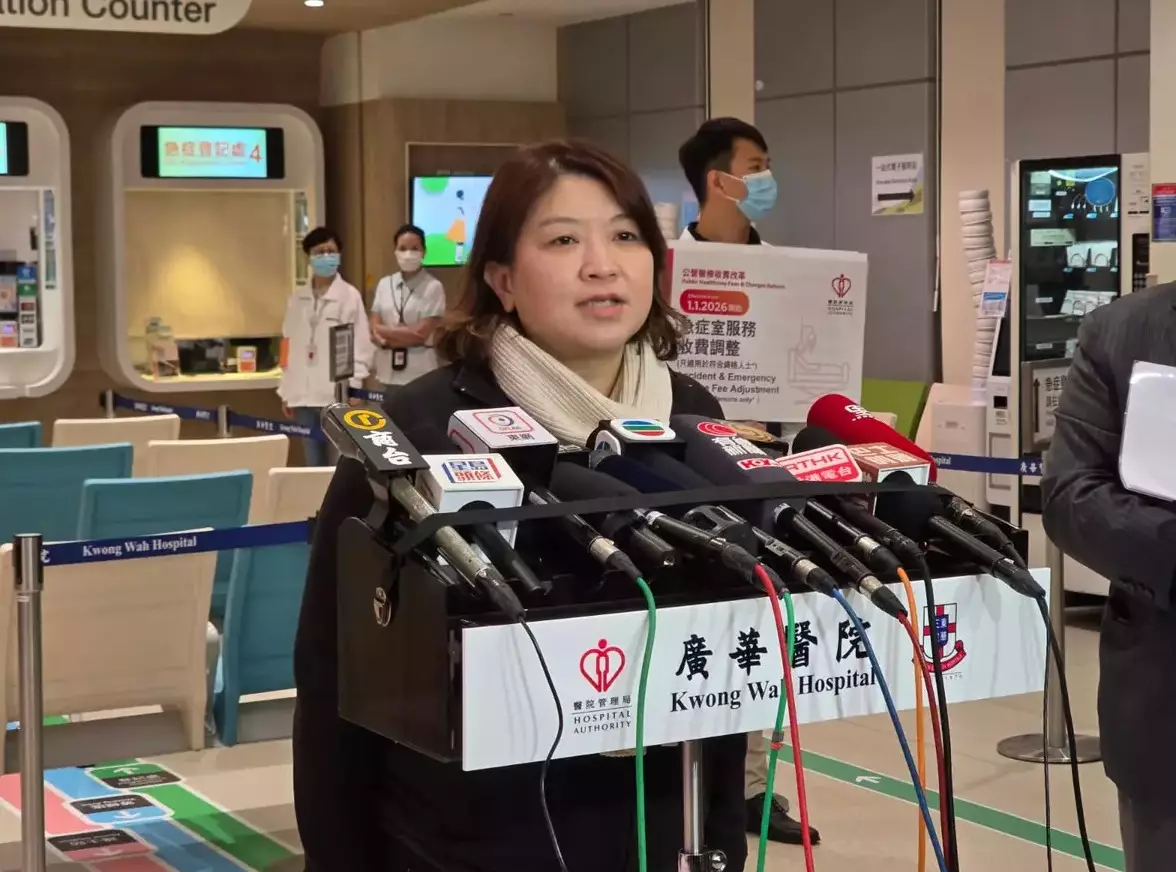
The HA Chief Executive, Dr Libby Lee, Photo by Bastille Post
The HA will continue to execute various measures for the sustainable development of public healthcare and align with the policy on primary healthcare, including the enhancement of Family Medicine Integrated Centres and Family Medicine Clinics in different districts. In the coming financial year, over 200 additional public hospital beds will be opened and continuous improvements will be made to specialist out-patient clinics and radiology services, as well as the provision of additional operating theatre sessions. Meanwhile, ophthalmology services will also be strengthened by increasing the service capacity of cataract, eye surgery and other treatment procedures.
The HA will reinforce holistic care for cancer patients utilising AI to improve the accuracy and efficiency of cancer diagnoses, and increasing cancer-related genetic and genomic testing. The HA will provide fast-track diagnostic services to patients with suspected lung cancer and implement a cancer case manager programme to provide timely treatment tailored to patient needs. Additionally, the HA will continue to enhance palliative and end-of-life care services to enable terminally ill patients to die with dignity.
Mr Fan and Dr Lee once again thanked the HKSAR Government for its support of public healthcare services. The HA will utilise the subvention properly and strive to implement relevant measures for the benefit of patients.
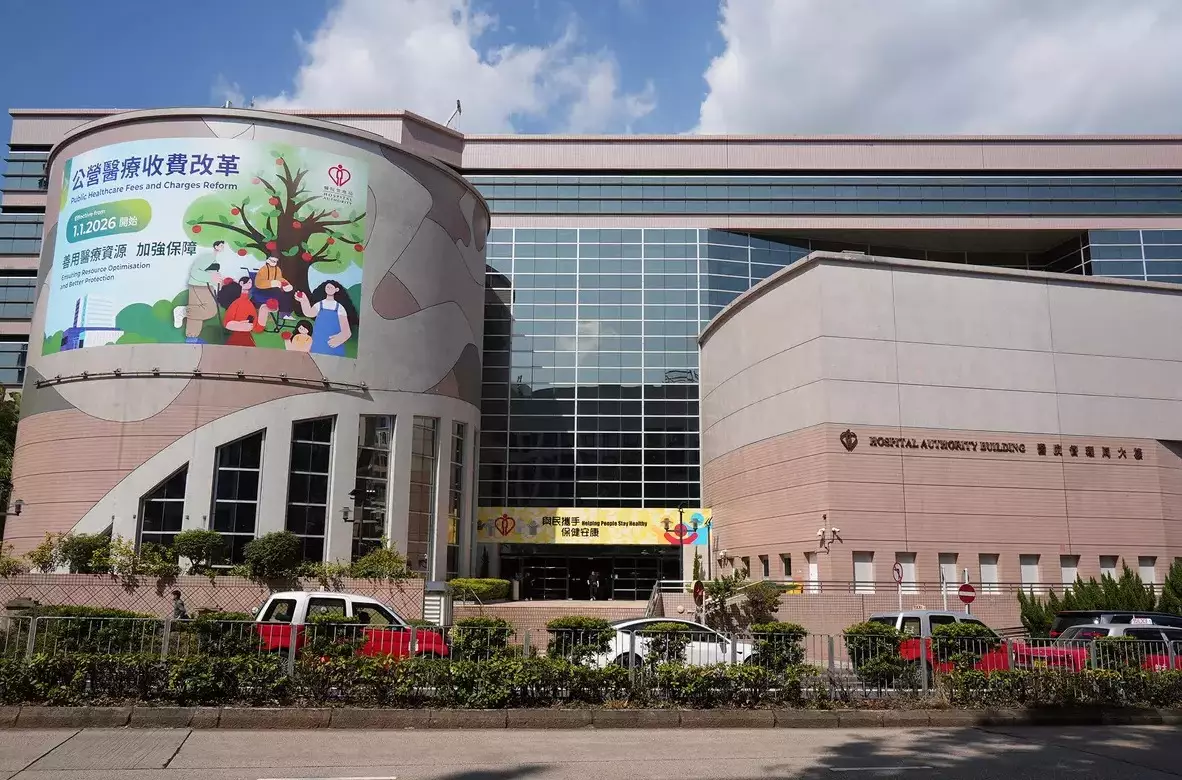
The Hospital Authority (HA), Photo by Bastille Post
FEHD releases fourth batch of gravidtrap indexes for Aedes albopictus in May
The Food and Environmental Hygiene Department (FEHD) today (May 21) released the fourth batch of gravidtrap indexes and density indexes for Aedes albopictus in May, covering 12 survey areas, as follows:
District |
Survey Area |
May 2026 |
First Phase Gravidtrap Index |
First Phase Density Index |
Eastern |
Shau Kei Wan and Sai Wan Ho |
9.1% |
1.4 |
Islands |
Tung Chung |
2.0% |
1.0 |
Kowloon City |
Hung Hom and To Kwa Wan |
6.7% |
1.5 |
Tai Po |
Tai Po East |
2.2% |
2.0 |
Tai Po West |
15.5% |
1.0 |
Tuen Mun |
Tuen Mun South |
9.1% |
1.4 |
District |
Survey Area |
May 2026 |
Area Gravidtrap Index |
Area Density Index |
Central and Western |
Kennedy Town and Shek Tong Tsui |
16.8% |
1.3 |
Eastern |
Chai Wan |
15.4% |
1.0 |
North Point and Quarry Bay |
18.9% |
1.4 |
Southern |
Aberdeen and Ap Lei Chau |
20.8% |
1.7 |
Sha Tin |
Sha Tin Town Centre and Fo Tan |
18.3% |
1.4 |
Tsuen Wan |
Tsuen Wan Town |
6.9% |
2.3 |
The fourth batch of gravidtrap indexes for Aedes albopictus in May includes First Phase Gravidtrap Indexes covering six survey areas and Area Gravidtrap Indexes covering six survey areas. Among which, six survey areas recorded gravidtrap indexes above 10 per cent, while Aberdeen and Ap Lei Chau in Southern District recorded a gravidtrap index above 20 per cent. Meanwhile, the gravidtrap indexes of six survey areas, namely Kennedy Town and Shek Tong Tsui in Central and Western District; North Point and Quarry Bay in Eastern District; Shau Kei Wan and Sai Wan Ho in Eastern District; Aberdeen and Ap Lei Chau in Southern District; Tai Po East in Tai Po District; and Tuen Mun South in Tuen Mun District, have recorded a decrease as compared to the indexes recorded in the last survey period, reflecting the progress of relevant mosquito control work.
With reference to the data from the past few years, the gravidtrap indexes start to rise from April or May every year. The actual timing and extent of the rise are affected by factors like weather conditions and rainfall. The average temperature and rainfall recorded in April this year were higher than those in the same period last year, creating favourable conditions for mosquito growth and breeding. As a result, the rise in gravidtrap indexes occurred earlier this year. With the increase in rainfall in May, the gravidtrap indexes are expected to rise further.
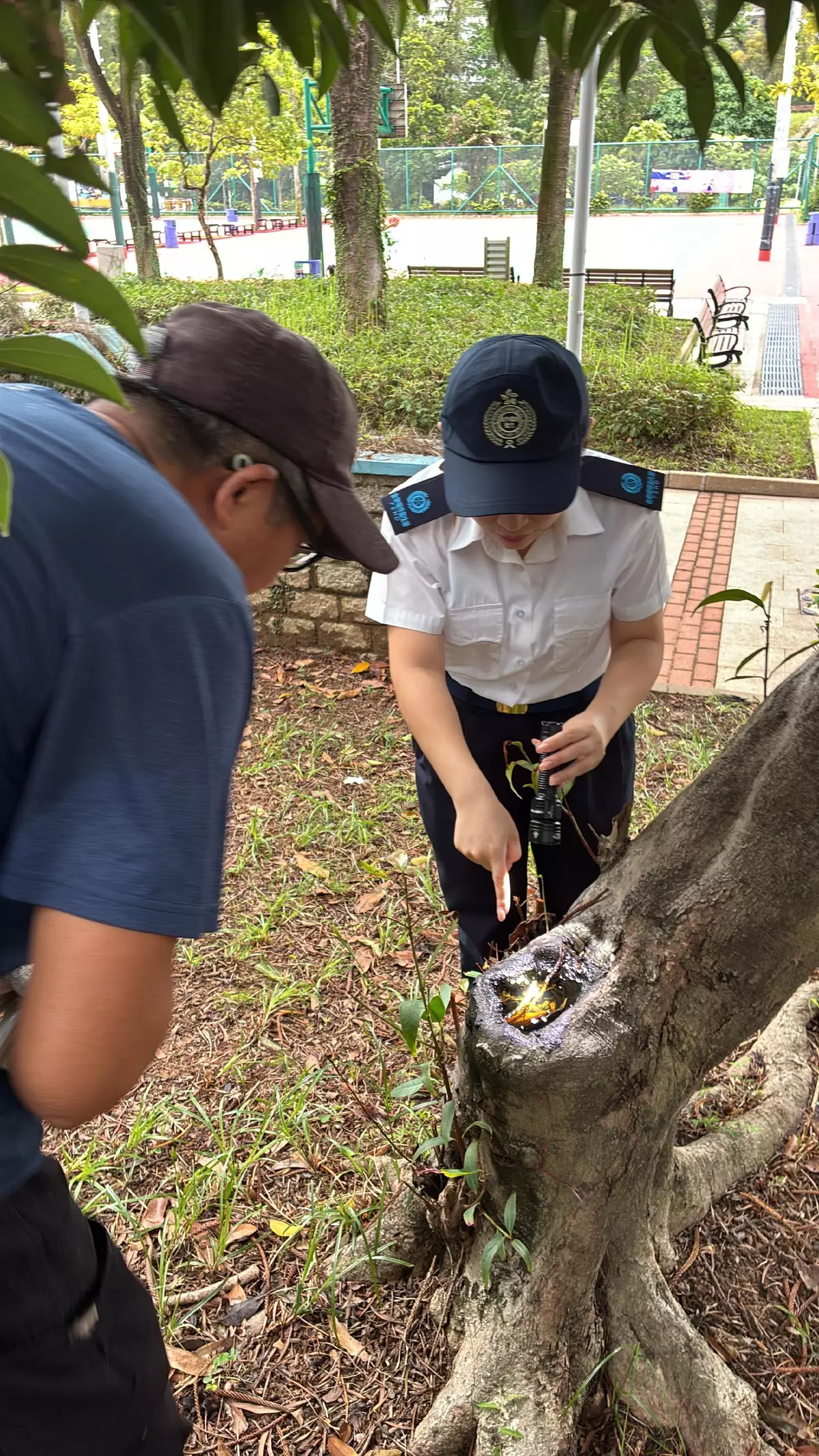
For survey areas which recorded indexes exceeding 10 per cent, in accordance with the mechanism implemented by the FEHD in response to the chikungunya fever (CF) situation (i.e. strengthening mosquito control work in areas with a gravidtrap index between 10 per cent and 20 per cent, instead of 20 per cent or above under the original mechanism), the FEHD is collaborating with relevant departments and stakeholders to identify locations with high mosquito infestations and carry out intensive and targeted mosquito control measures. The FEHD has initiated two prosecutions against the relevant construction site contractors following the discovery of mosquito breeding at construction sites in Tai Po District and Southern District. Moreover, following the discovery of stagnant water or stagnant water containers in a park, a construction site, a private housing estate, a clinic and a private premises in Tai Po District, Central and Western District, as well as Southern District, the FEHD has issued five statutory notices to the responsible persons-in-charge, requiring the clearance of such items within a specified timeframe. The FEHD, the relevant departments and stakeholders are following up on the mosquito control work, and will also organise exhibitions, distribute leaflets and posters, and notify residential estates that have subscribed to the gravidtrap Rapid Alert System, advising property management agents and residents to stay vigilant and work together in taking mosquito prevention and elimination measures. In addition, the FEHD will strengthen the monitoring of the gravidtrap index in the areas to review the effectiveness of the mosquito control work.
Public participation is crucial to the effective control of mosquito problems. The FEHD appeals to members of the public to continue to work together in strengthening personal mosquito control measures, including:
tidy up their premises and check for any accumulation of water inside the premises;
remove all unnecessary water collections and eliminate the sources;
check household items (those placed in outdoor and open areas in particular), such as refuse containers, vases, air conditioner drip trays, and laundry racks to prevent stagnant water;
change water in flower vases and scrub their inner surfaces thoroughly, and remove water in saucers under potted plants at least once a week;
properly cover all containers that hold water to prevent mosquitoes from accessing the water;
properly dispose of articles that can contain water, such as disposable meal boxes and empty cans; and
scrub drains and surface sewers with alkaline detergent at least once a week to remove any mosquito eggs.
Starting in August 2025, following the completion of the surveillance of individual survey areas, and once the latest gravidtrap index and the density index are available, the FEHD has been disseminating relevant information through press releases, its website and social media. It aims to allow members of the public to quickly grasp the mosquito infestation situation and strengthen mosquito control efforts, thereby reducing the risk of CF transmission.
Following recommendations from the World Health Organization and taking into account the local situation in Hong Kong, the FEHD sets up gravidtraps in districts where mosquito-borne diseases have been recorded in the past, as well as in densely populated places such as housing estates, hospitals and schools to monitor the breeding and distribution of Aedes albopictus mosquitoes, which can transmit CF and dengue fever. At present, the FEHD has set up gravidtraps in 62 survey areas of the community, with a surveillance period of two weeks. During the surveillance period, the FEHD will collect the gravidtraps once a week. After the first week of surveillance, the FEHD will immediately examine the glue boards inside the retrieved gravidtraps for the presence of adult Aedine mosquitoes to compile the Gravidtrap Index (First Phase) and Density Index (First Phase). At the end of the second week of surveillance, the FEHD will instantly check the glue boards for the presence of adult Aedine mosquitoes. Data from the two weeks of surveillance will be combined to obtain the Area Gravidtrap Index and the Area Density Index. The gravidtrap and density indexes for Aedes albopictus in different survey areas, as well as information on mosquito prevention and control measures, are available on the department's webpage (www.fehd.gov.hk/english/pestcontrol/dengue_fever/Dengue_Fever_Gravidtrap_Index_Update.html#).
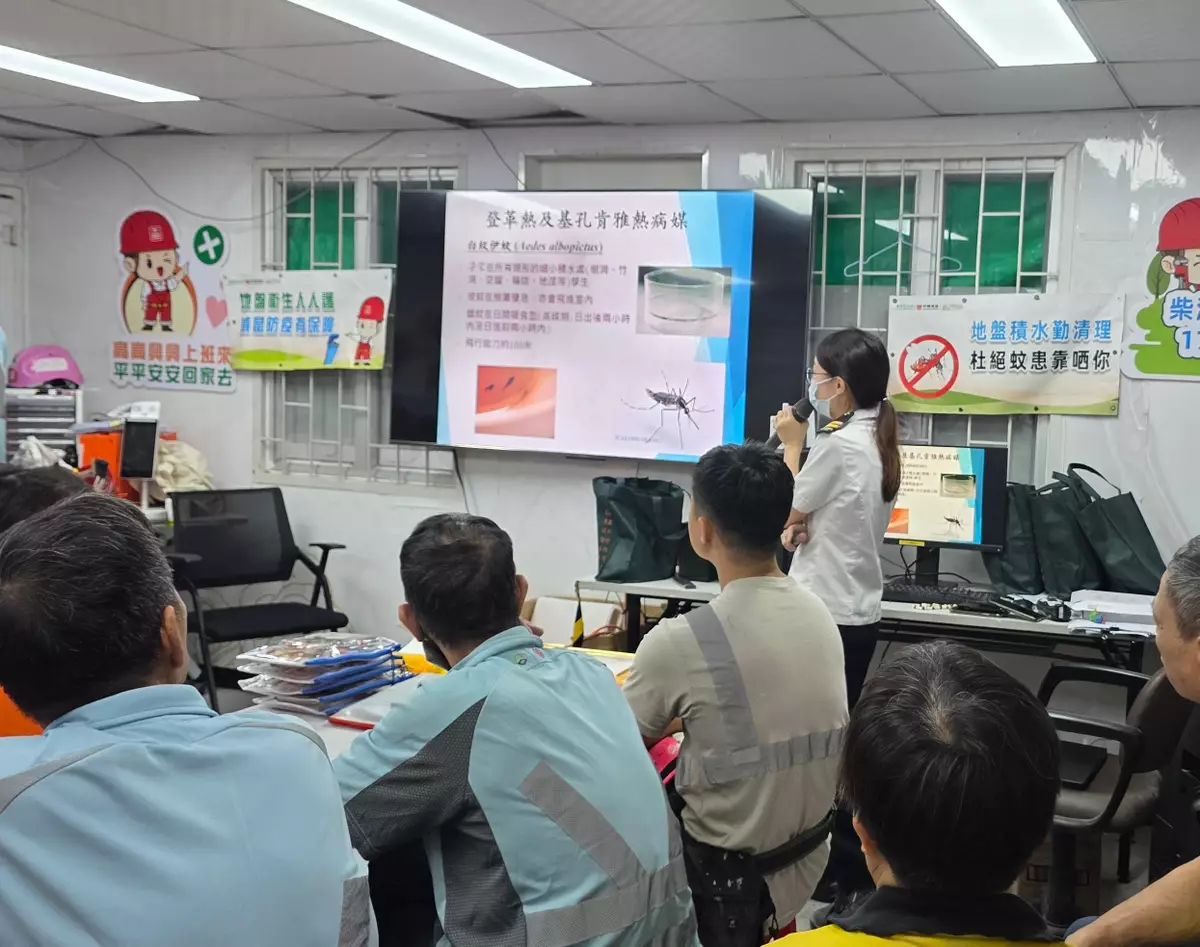
FEHD releases fourth batch of gravidtrap indexes for Aedes albopictus in May Source: HKSAR Government Press Releases
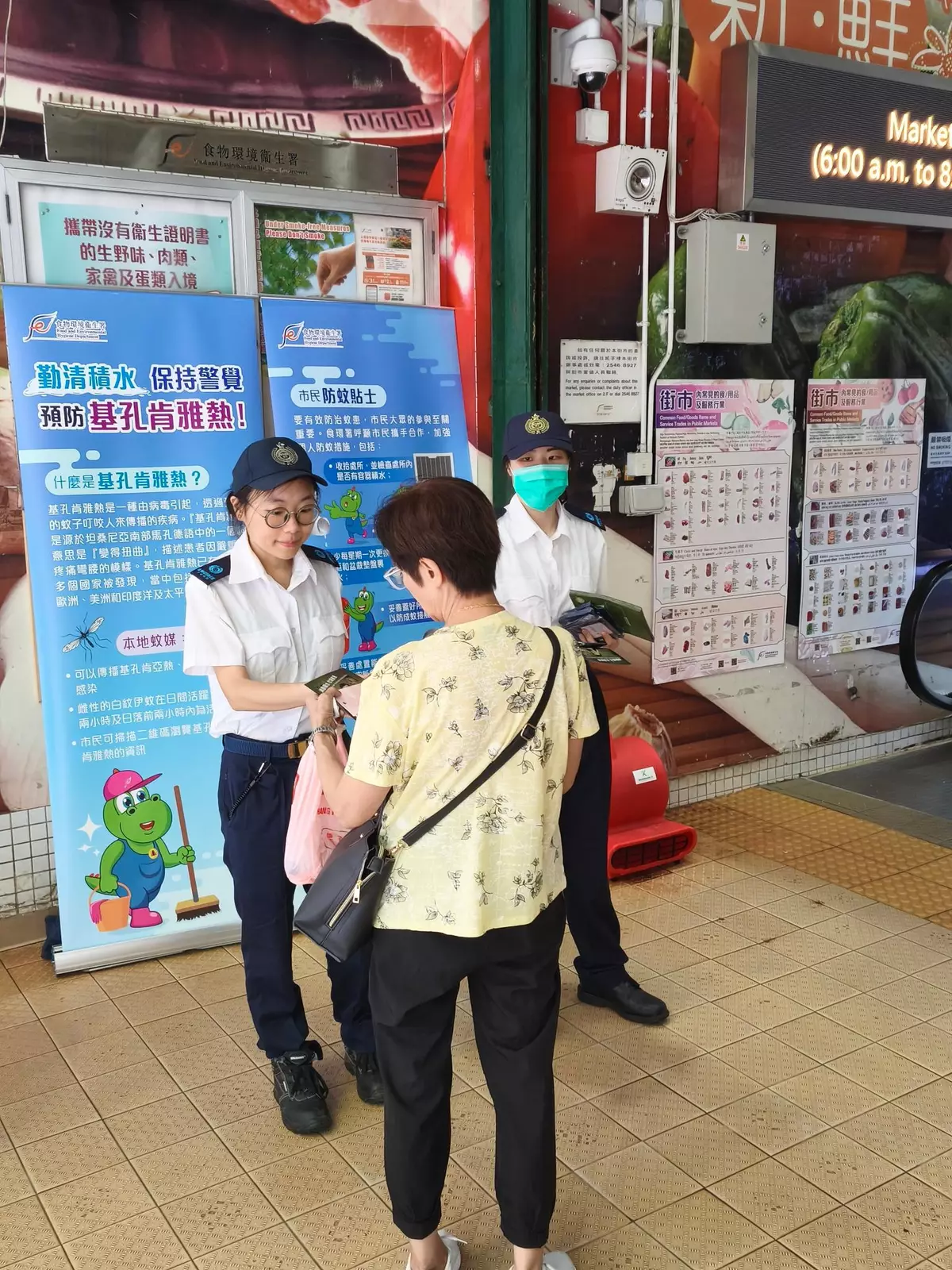
FEHD releases fourth batch of gravidtrap indexes for Aedes albopictus in May Source: HKSAR Government Press Releases
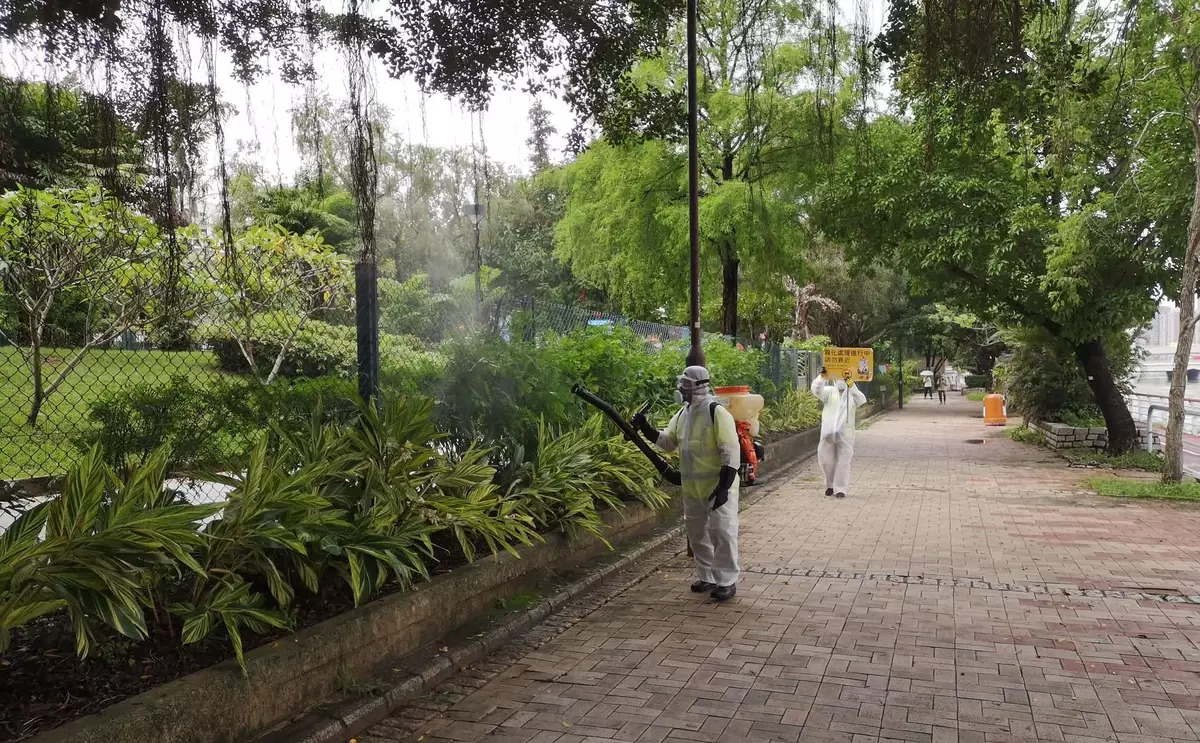
FEHD releases fourth batch of gravidtrap indexes for Aedes albopictus in May Source: HKSAR Government Press Releases
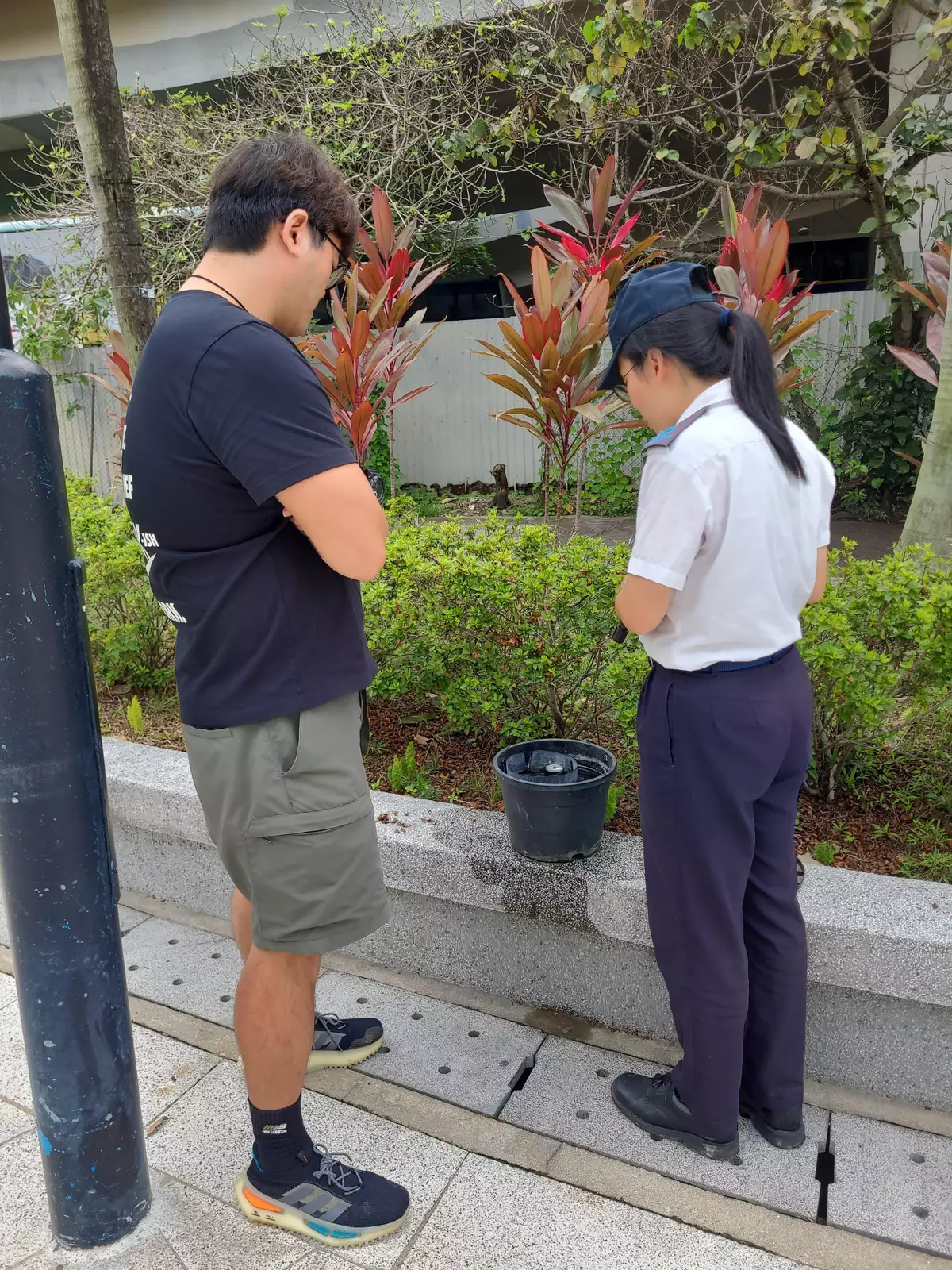
FEHD releases fourth batch of gravidtrap indexes for Aedes albopictus in May Source: HKSAR Government Press Releases
FEHD releases fourth batch of gravidtrap indexes for Aedes albopictus in May Source: HKSAR Government Press Releases