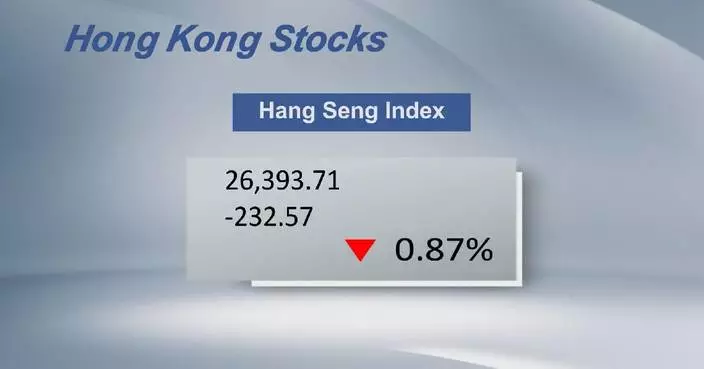
Hong Kong's stock market ended higher Wednesday with the benchmark Hang Seng Index up 0.44 percent to close at 26,706.77 points.
The Hang Seng China Enterprises Index rose 0.20 percent to end at 9,026.02 points, and the Hang Seng Tech Index fell 0.28 percent to end at 5,256.01 points.
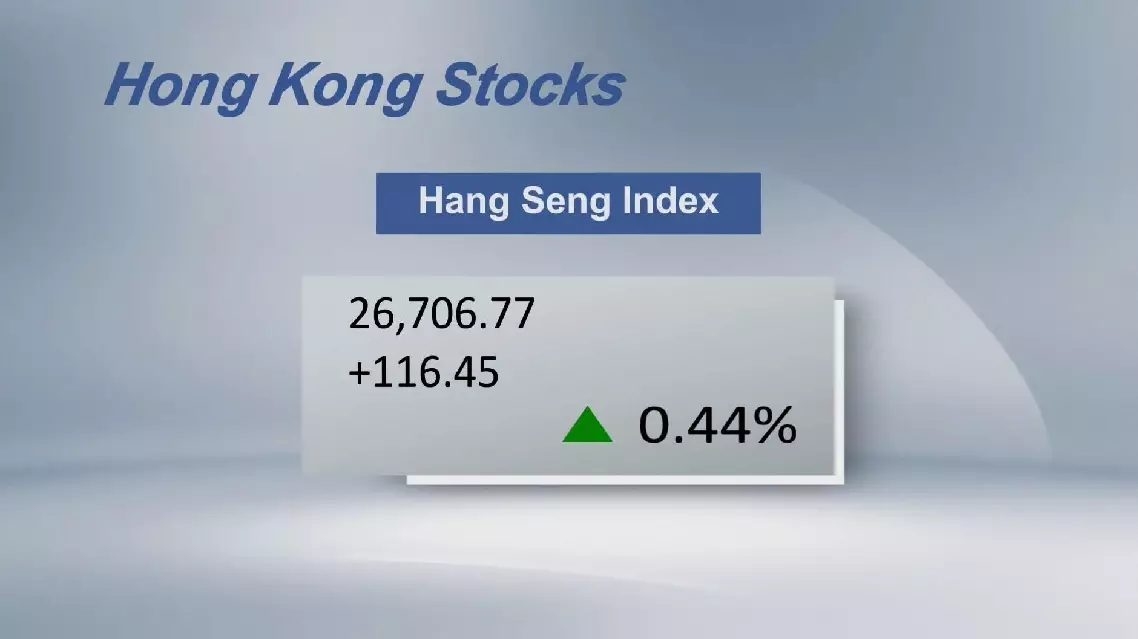
Hong Kong's Hang Seng Index closes 0.44 pct higher
The Kasubi Tombs, the powerful symbol of African heritage situated on a quiet hill overlooking Uganda's capital of Kampala and reduced to ashes in a fire 16 years ago, are coming back to life and open again to the public after restoration.
After years of rebuilding, this sacred site is now welcoming visitors and reconnecting a nation with its storied past.
Built in the 19th century as a royal palace, the tombs later became the burial ground for four kings of the Buganda Kingdom, one of the largest and oldest traditional kingdoms in East Africa.
Buganda's current king, who serves as a cultural leader of the region today, has already been back here, walking through the restored grounds and reconnecting with a place of deep historical and spiritual meaning.
After its destruction in 2010, what followed were years of careful rebuilding, using traditional materials, skills and cultural rituals passed down through generations.
"In the fire, we lost a lot. And among what we lost, we have a lot of irreplaceable artifacts, some of them we can never have them back. Things which displayed our heritage and culture, authority in the kingdom, daily tools, and items, the beautiful lantern lamp Kabaka Mutesa received from Queen Victoria of England was one of the items we lost," said Elvis Ssekibuule, a caretaker of the tombs.
Inside the main structure, culture is not just preserved, it is lived. Songs, rituals and quiet moments like these continue to connect the present with the past.
Recognized by UNESCO as a World Heritage Site, the Kasubi Tombs are more than architecture, but a living cultural space, where tradition, spirituality and identity meet and where there is a connection between the living and ancestral spirits.
In the Muzibu Azaala Mpanga, the heart of the Kasubi Tombs, rituals are still performed here. And for many, this remains a direct link between the living and their ancestors. From the woven grass roofs to the royal drums, which once signaled the King's presence, every detail carries meaning. And as visitors walk through the site, they are not just observing. Instead, they are stepping into a tradition that continues to this day.
"When you come inside, it feels like you release everything, just calm down, you can sit, rest, mind your thoughts, and it's very relaxing and very peaceful," said Eric Albani, a tourist.
For Uganda, the reopening is more than a cultural milestone. It is also an invitation to the world to experience a heritage that is both historic and deeply personal.
"Culture is our identity, especially here in Africa. If you don't preserve or protect your culture, then you cannot tell where you are heading. Our past we need to protect it," said Ssekibuule.
From tragedy to renewal, the Kasubi Tombs stand once again, strong, sacred and enduring. A reminder that even in the face of loss, culture can be rebuilt, and some stories are never lost.
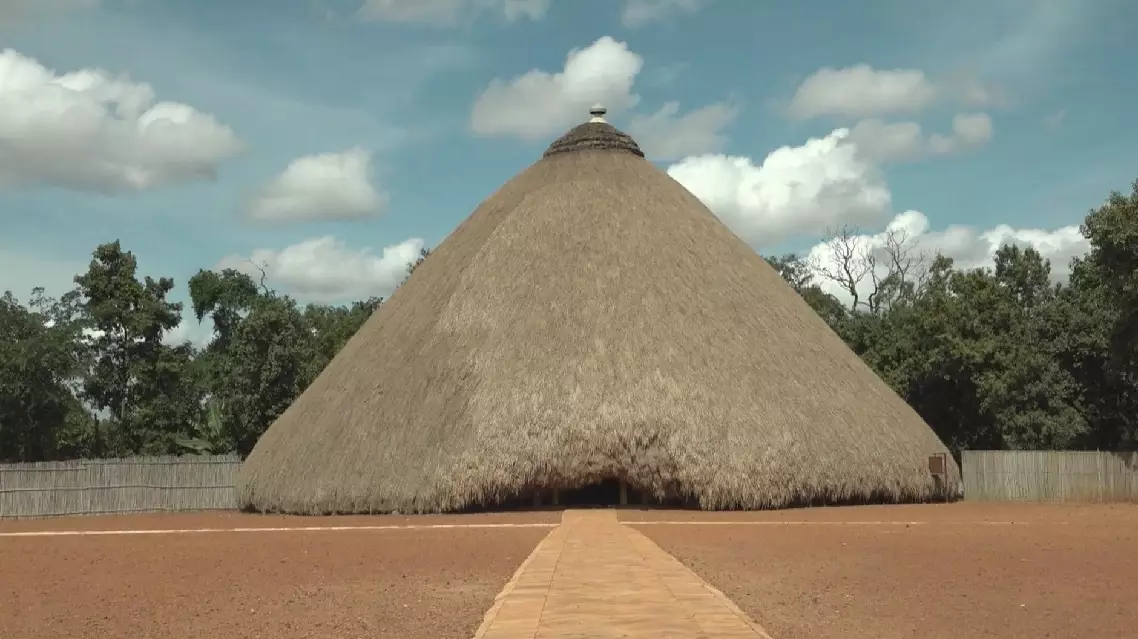
Restored Kasubi tombs in Uganda reopen to public 16 years after fire