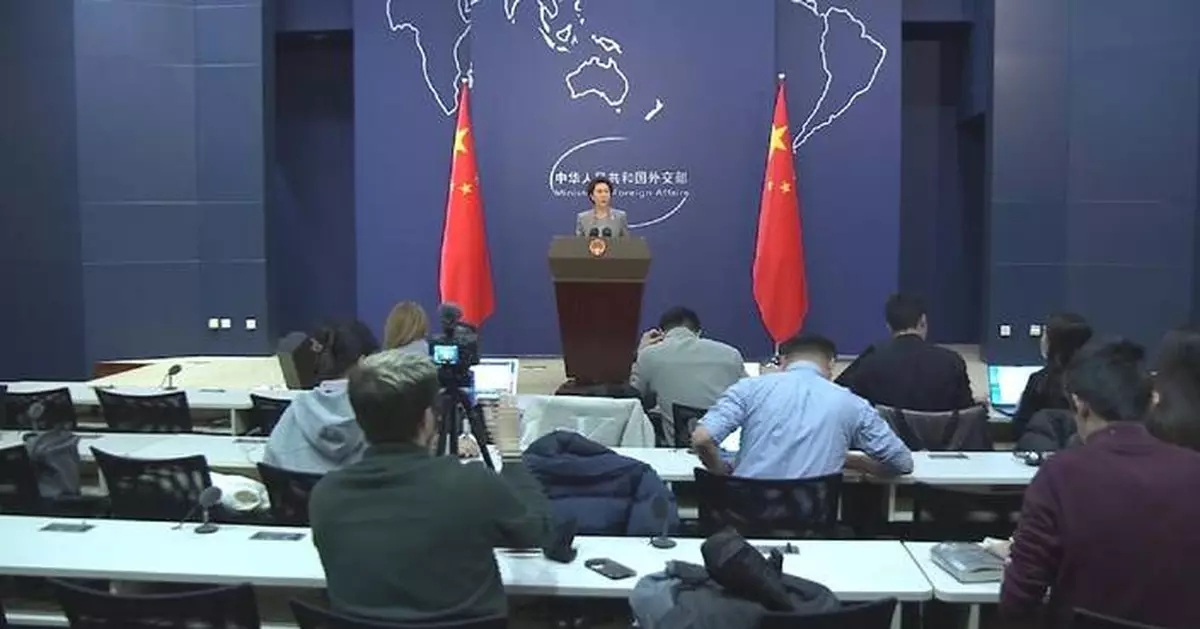
China-Germany cooperation is mutually beneficial and brings tangible benefits to the two peoples, said Foreign Ministry spokeswoman Mao Ning at a regular press briefing in Beijing on Wednesday.
Mao made the statement in response to a question about German Chancellor Friedrich Merz's visit to China.
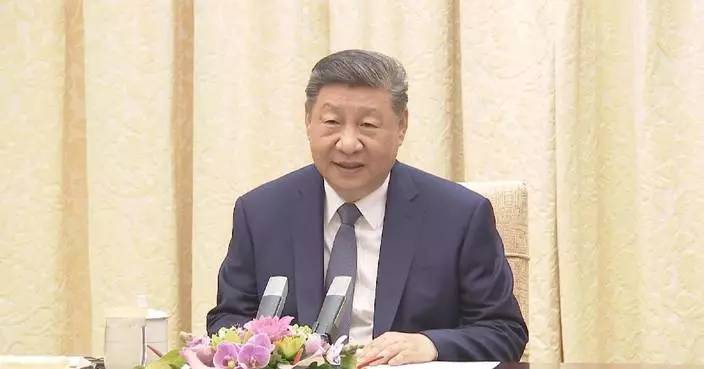
Merz arrived in Beijing on Wednesday for a two-day official visit to China, his first since taking office last May. The chancellor will hold talks with Chinese President Xi Jinping and Premier Li Qiang, during which the leaders will exchange views on bilateral relations and discuss issues of mutual interest.
"China and Germany are comprehensive strategic partners and have accumulated successful practices of healthy competition and integrated development. China-Germany cooperation is mutually beneficial and brings tangible benefits to the two peoples. The two sides should uphold the principles of mutual respect, equality, mutual benefit, promote greater development of China-Germany relations, and jointly make greater contributions to global peace and prosperity," said Mao.
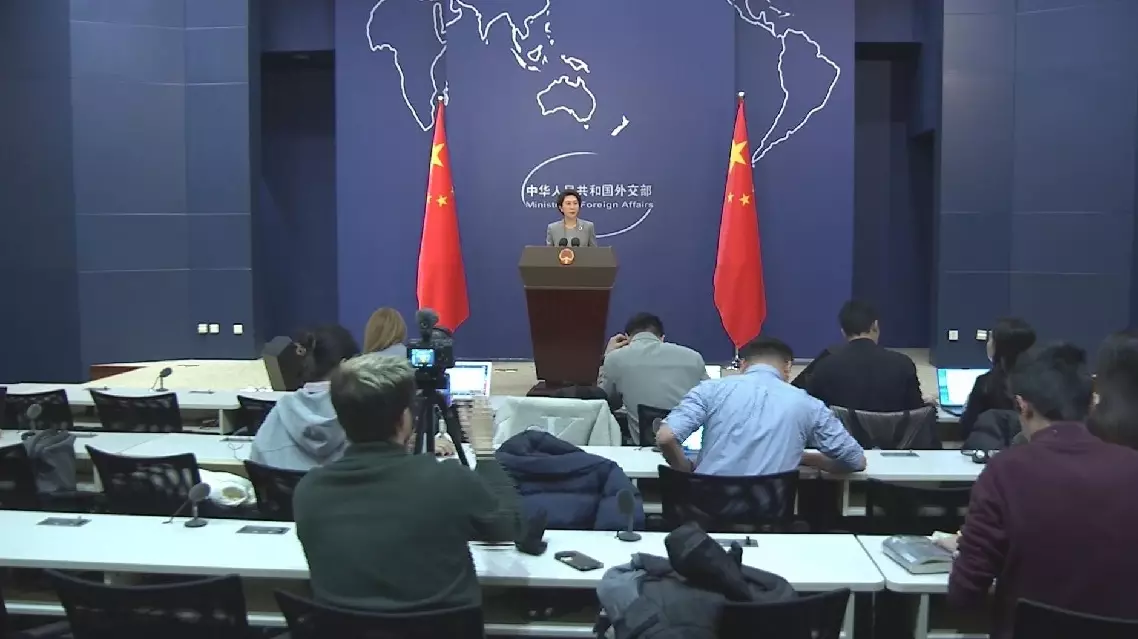
China-Germany cooperation brings tangible benefits to two peoples: spokeswoman
China-Germany cooperation brings tangible benefits to two peoples: spokeswoman
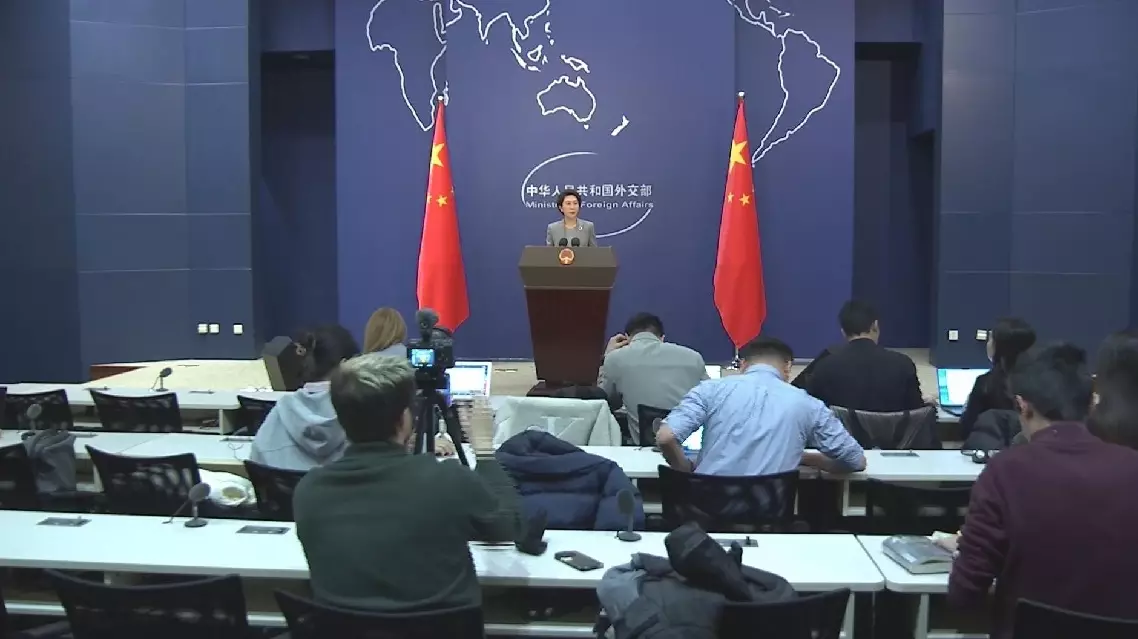
China-Germany cooperation brings tangible benefits to two peoples: spokeswoman
The direction of dialogue between the U.S. and Iran is increasingly determined not by words spoken at the negotiating table, but by military actions, according to military analyst Hossein Kanani Moghaddam.
After a week of intensive behind-the-scenes diplomatic maneuvering, a new round of U.S.-Iran talks is scheduled for Thursday in Geneva and is expected to focus on Iran's nuclear program.
Meanwhile, tensions are escalating between the negotiations and the realities in the region. The recent deployment of a U.S. Navy aircraft carrier to the region has raised concerns. While some see it as a deterrent, Iran views it as a threat.
In an interview with China Global Television Network (CGTN), Moghaddam said the key question is where any potential strike could originate.
"Arab countries in the region continue to assert that they will not permit the U.S. to use military bases on their soil for strikes against Iran. In my view, the deployment of U.S. aircraft carriers to the region is intended precisely to avoid reliance on those regional bases," said military analyst Hossein Kanani Moghaddam, who is also the former commander of Iran's Islamic Revolutionary Guard Corps (IRGC). He also said that Iran views its red line for any attack as absolute.
"If the U.S. attacks facilities inside Iran or targets the country's Supreme Leader, the entire region will inevitably be drawn into war. Iran has already made it clear to the Americans that, before targeting their regional bases, 2,000 missiles will be launched toward Israel," he said.
With a wide gap between Tehran's red lines and Washington's demands, the outlook for a deal appears increasingly uncertain, said the military expert.
"It seems we are approaching the zero hour as the countdown has begun. War or an agreement lies ahead, either the U.S. will back down, or Iran will offer major concessions," he said.
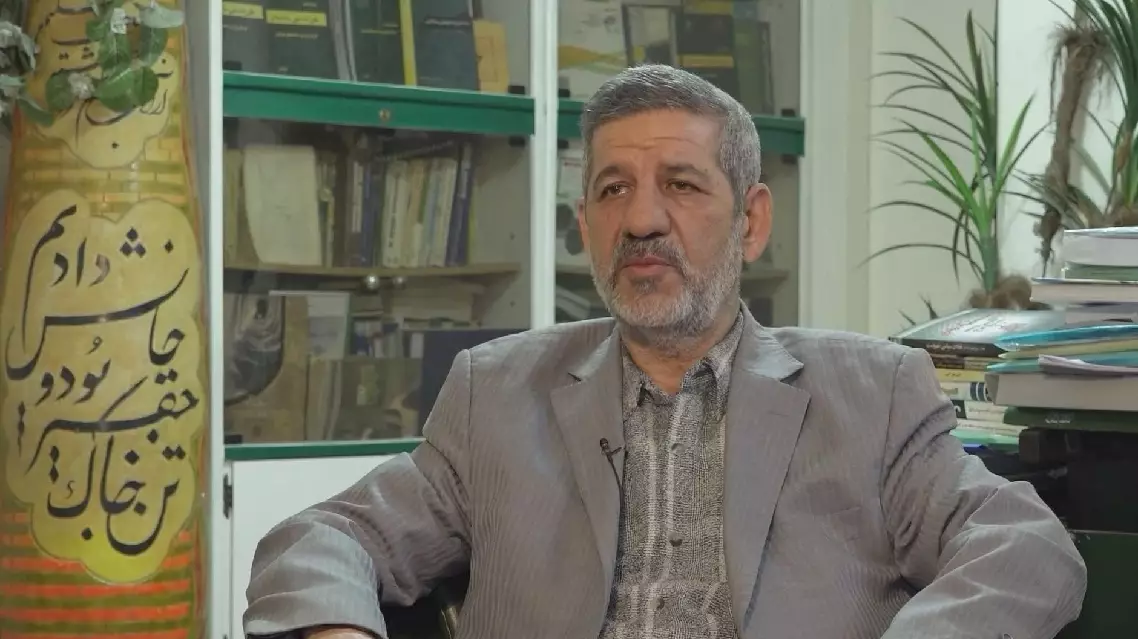
Direction of Iran-US talks determined by military actions away from negotiating table: analyst