COLOMBO, Sri Lanka (AP) — A counterattacking 80-run partnership for the seventh wicket between captain Mitchell Santner and Cole McChonchie guided New Zealand to a 61-run win that knocked host Sri Lanka out of the Twenty20 World Cup on Wednesday.
Sri Lanka captain Dasun Shanaka won the toss and elected to bowl and New Zealand reached a competitive 168-7 thanks to Santner’s 47 runs off 26 deliveries and McConchie’s 31 off 23 deliveries which salvaged the innings.
Click to Gallery
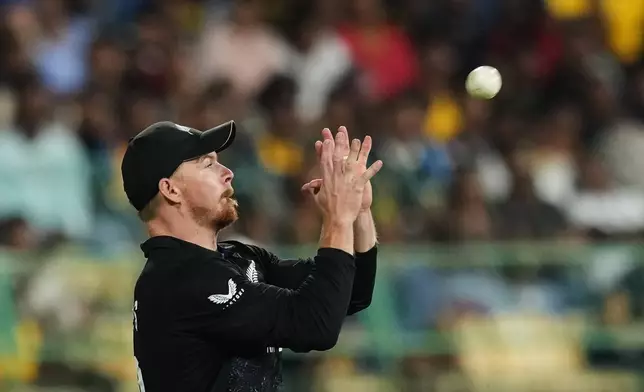
New Zealand's Glenn Phillips takes the catch to get Sri Lanka's Kamindu Mendis during the T20 World Cup cricket match between Sri Lanka and New Zealand in Colombo, Sri Lanka, Wednesday, Feb. 25, 2026. (AP Photo/Eranga Jayawardena)
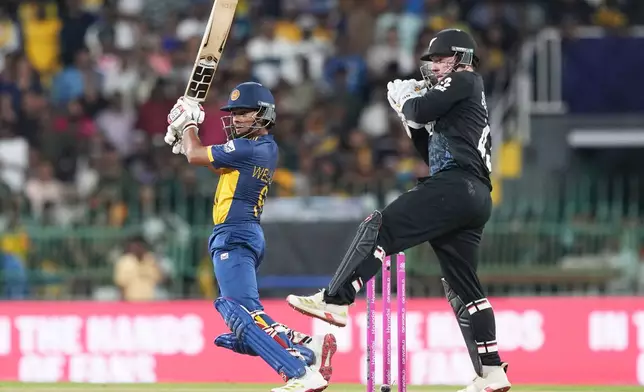
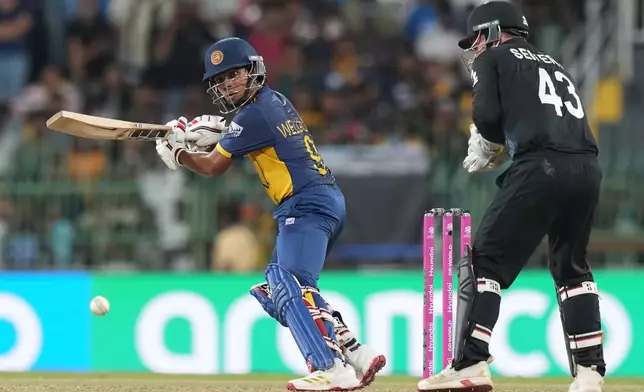
Sri Lanka's Dunith Wellalage plays a shot during the T20 World Cup cricket match between Sri Lanka and New Zealand in Colombo, Sri Lanka, Wednesday, Feb. 25, 2026. (AP Photo/Eranga Jayawardena)
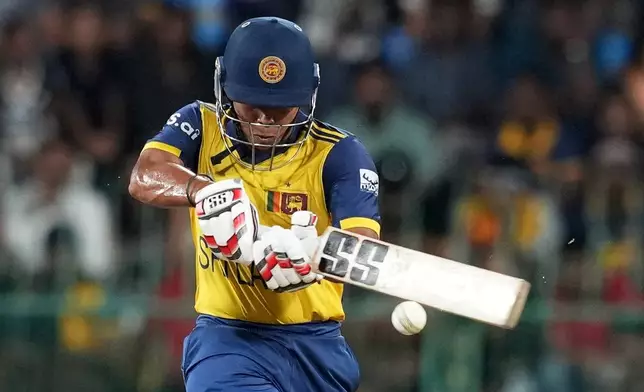
Sri Lanka's Dunith Wellalage plays a shot during the T20 World Cup cricket match between Sri Lanka and New Zealand in Colombo, Sri Lanka, Wednesday, Feb. 25, 2026. (AP Photo/Eranga Jayawardena)
Sri Lanka's Dunith Wellalage plays a shot during the T20 World Cup cricket match between Sri Lanka and New Zealand in Colombo, Sri Lanka, Wednesday, Feb. 25, 2026. (AP Photo/Eranga Jayawardena)
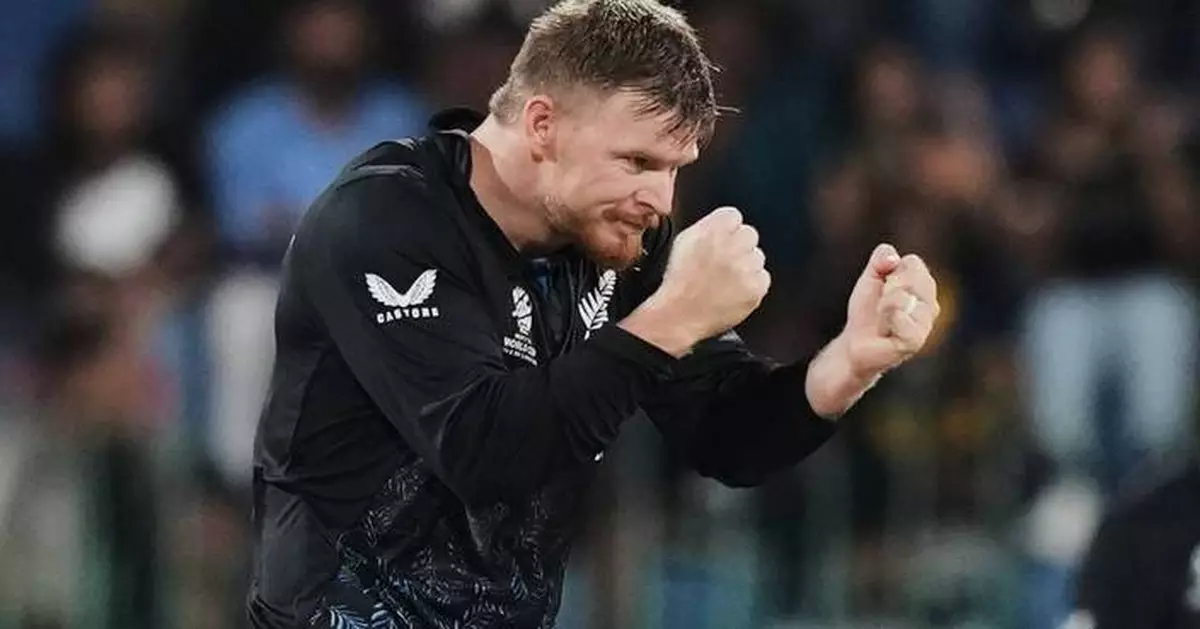
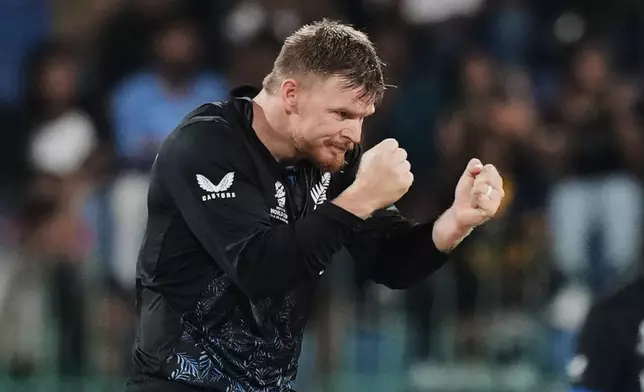
New Zealand's Glenn Phillips celebrates the wicket of Sri Lanka's Dunith Wellalage during the T20 World Cup cricket match between Sri Lanka and New Zealand in Colombo, Sri Lanka, Wednesday, Feb. 25, 2026. (AP Photo/Eranga Jayawardena)
Sri Lanka could on score 107-8 in reply.
The Sri Lankan bowlers had restricted New Zealand to 84-6 and had their opponents at 90-6 after 15 overs when the No. 7 pair started counterattacking. McChonchie scored 18 runs in the 17th over bowled by fast bowler Dushmantha Chameera and spinner Maheesh Theekshana conceded 21, including two wides, in the 18th.
When Santner was out in the last ball the pair had added 80 runs off 43 deliveries.
Santner hit four sixes and two boundaries while McChonchie hit two sixes and three boundaries.
Chameera and Theekshana took three wickets each.
New Zealand fast bowler Matt Hendry bowled opener Pathum Nissanka in the first ball and Charith Asalanka, who had been recalled for the match, soon departed to Sri Lanka 6-2.
Then the spinners tightened the screws by bowling slow through the air and curtailing runs and taking wickets when the batters tried to attack.
Left-arm spinner Rachin Ravindra took a career-best 4-27 while Henry took two wickets for three runs.
Kamindu Mendis top scored for Sri Lanka with 31.
The game was a must-win for Sri Lanka to have any hope of reaching the semifinals after losing to England in its Group 2 opener.
England is the only team already through to the semifinals after defeating Pakistan on Tuesday to make it two wins from two games in Group 2.
New Zealand now stands second with three points after their match against Pakistan was abandoned because of rain and the two teams shared a point each.
Pakistan will have to win against Sri Lanka by a big margin to have any hope of advancing because both England and New Zealand maintain high net run rates.
AP cricket: https://apnews.com/hub/cricket
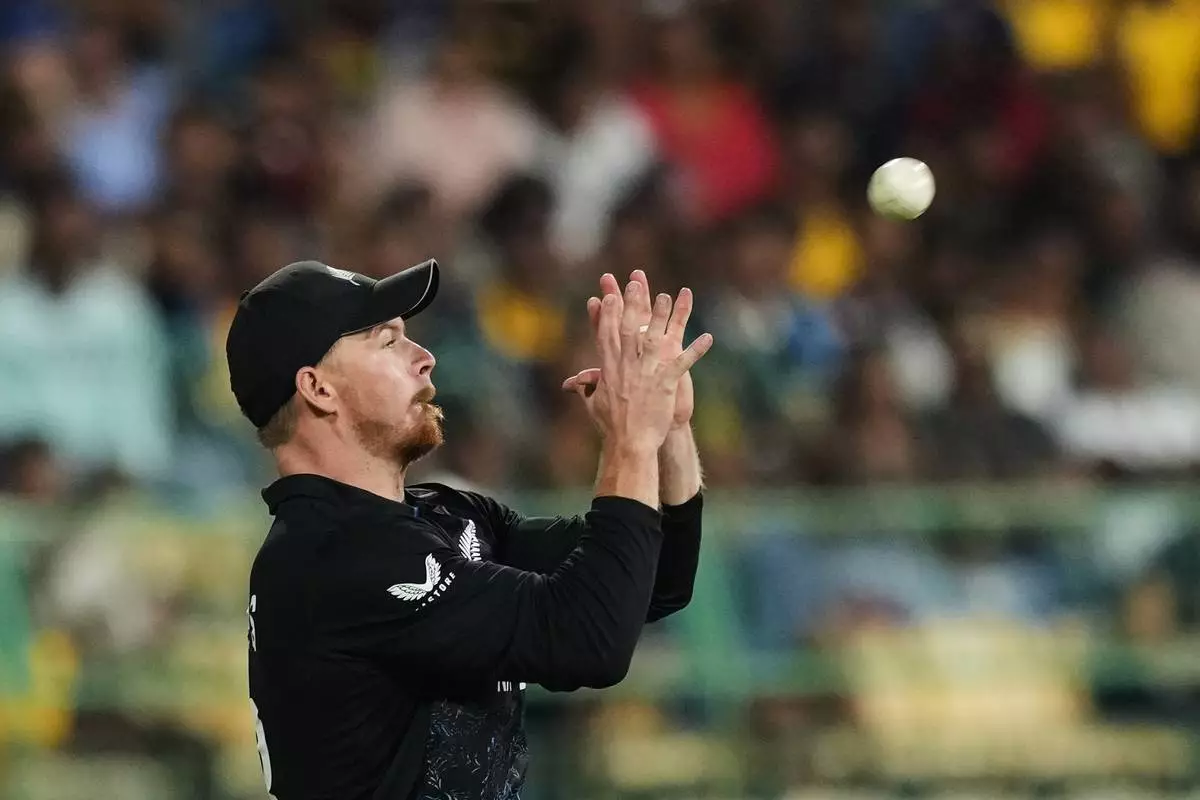
New Zealand's Glenn Phillips takes the catch to get Sri Lanka's Kamindu Mendis during the T20 World Cup cricket match between Sri Lanka and New Zealand in Colombo, Sri Lanka, Wednesday, Feb. 25, 2026. (AP Photo/Eranga Jayawardena)
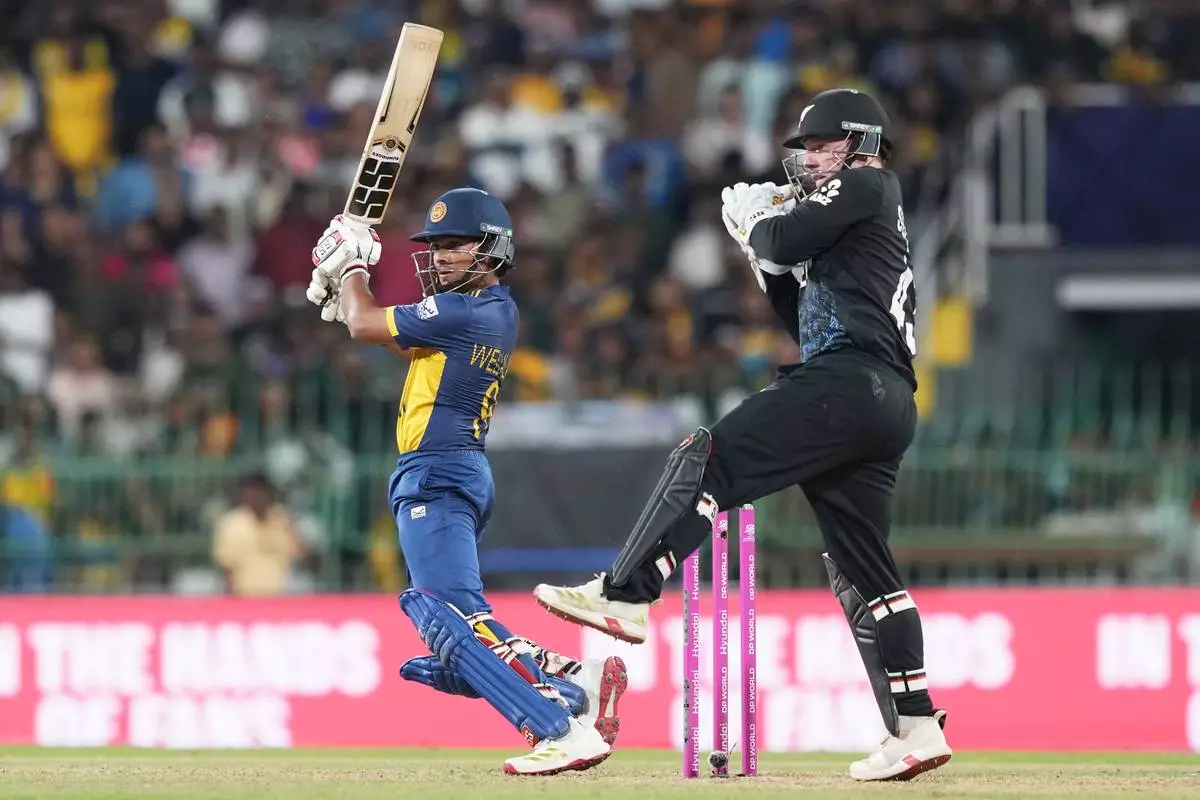
Sri Lanka's Dunith Wellalage plays a shot during the T20 World Cup cricket match between Sri Lanka and New Zealand in Colombo, Sri Lanka, Wednesday, Feb. 25, 2026. (AP Photo/Eranga Jayawardena)
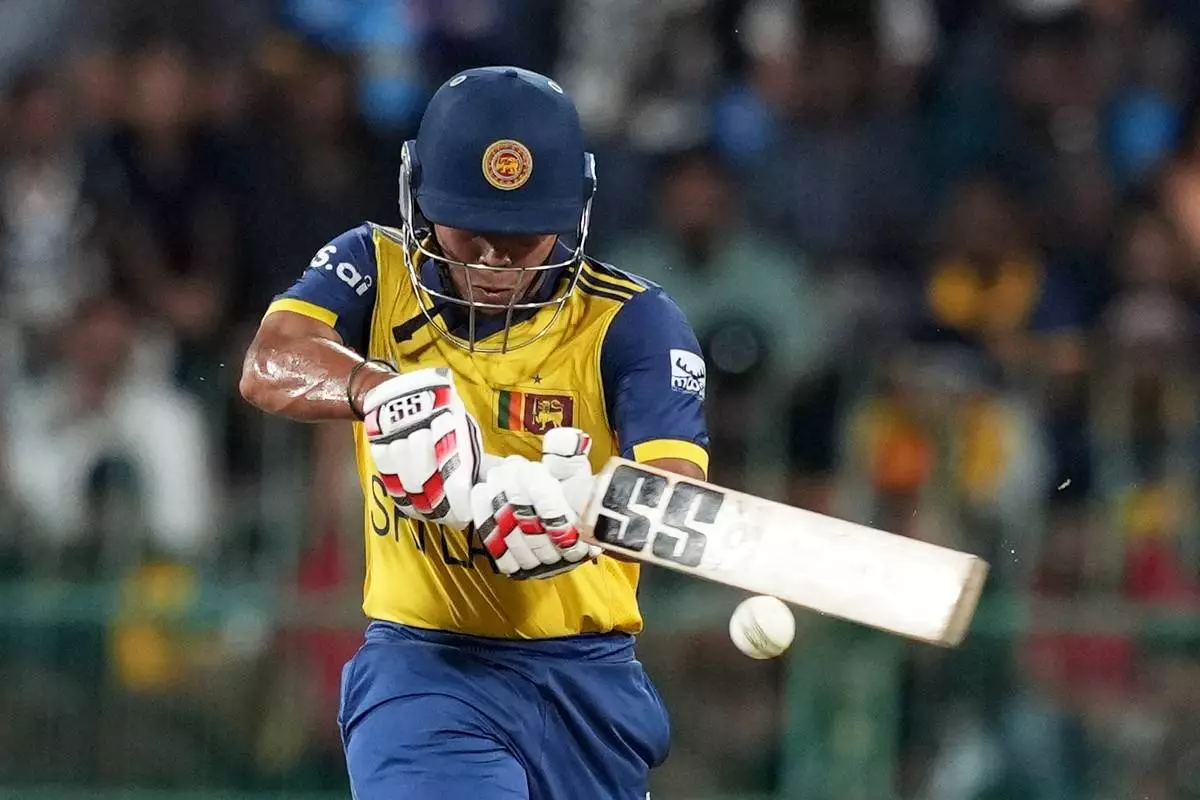
Sri Lanka's Dunith Wellalage plays a shot during the T20 World Cup cricket match between Sri Lanka and New Zealand in Colombo, Sri Lanka, Wednesday, Feb. 25, 2026. (AP Photo/Eranga Jayawardena)
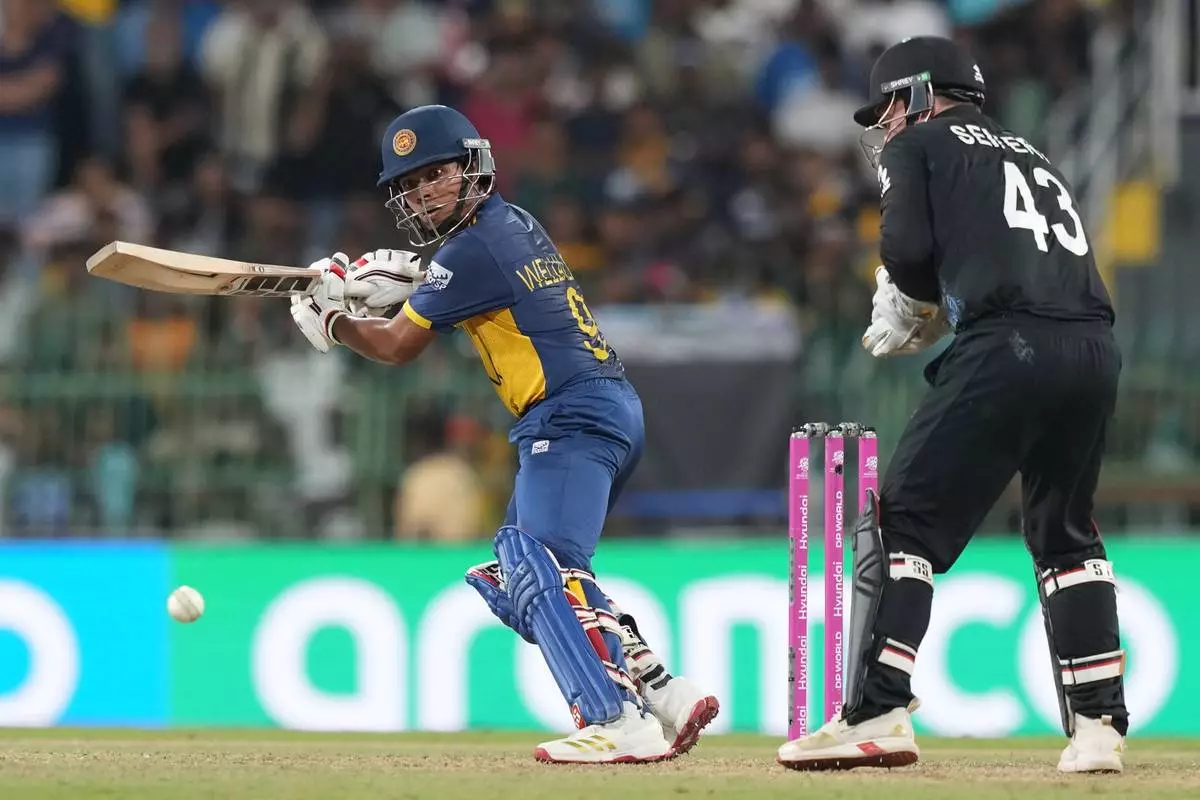
Sri Lanka's Dunith Wellalage plays a shot during the T20 World Cup cricket match between Sri Lanka and New Zealand in Colombo, Sri Lanka, Wednesday, Feb. 25, 2026. (AP Photo/Eranga Jayawardena)
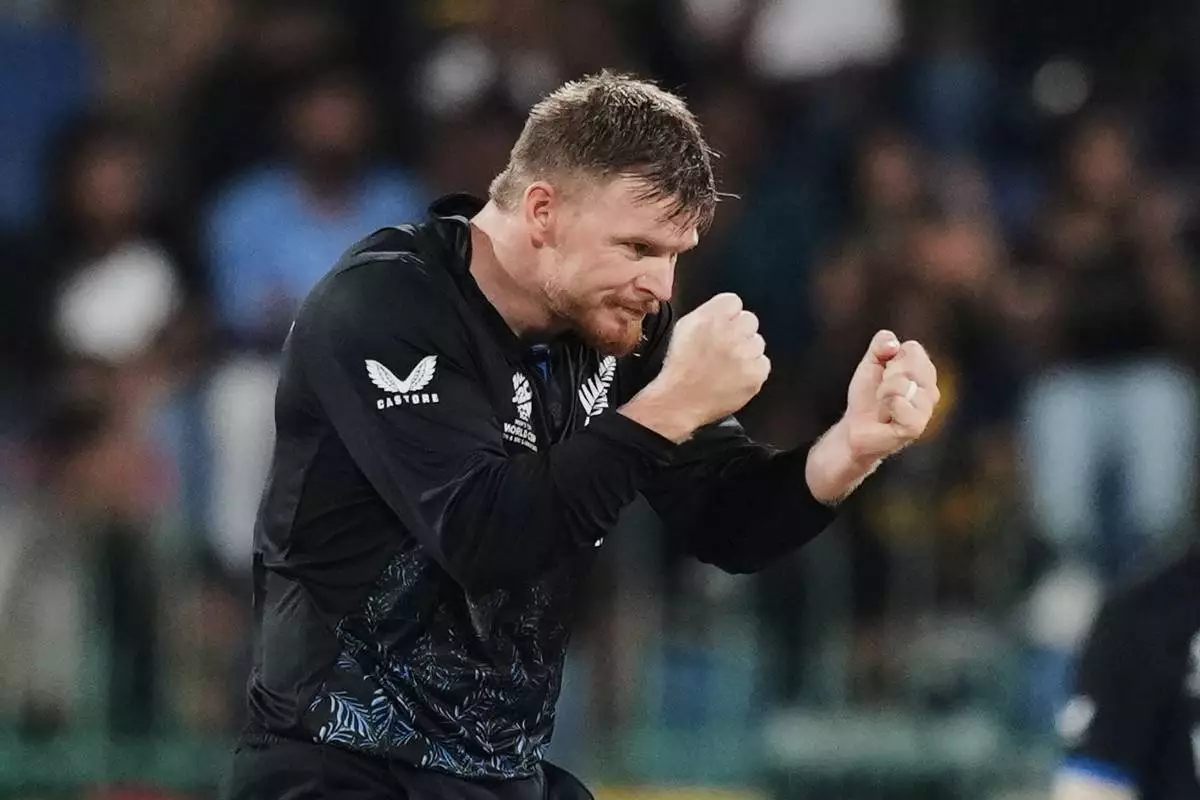
New Zealand's Glenn Phillips celebrates the wicket of Sri Lanka's Dunith Wellalage during the T20 World Cup cricket match between Sri Lanka and New Zealand in Colombo, Sri Lanka, Wednesday, Feb. 25, 2026. (AP Photo/Eranga Jayawardena)
OBBUERGEN, Switzerland (AP) — Iran’s foreign minister early Monday praised Pakistan and Qatar for their mediation after talks in Switzerland, saying that they “delivered major progress.”
Abbas Araghchi wrote the message on X.
Pakistan, Qatar and Iran all have acknowledged the end of the first round of high-level talks. The U.S. hasn’t comment.
In his message, Araghchi said the first real test of the understandings reached would be a deconfliction method created over the fighting between Israel and the Iranian-backed militia Hezbollah in Lebanon.
Iran has tied success in the talks to the end of the fighting there. Israel insists it will continue to occupy Lebanese territory and that it must have a free hand to fight Hezbollah, which has launched attacks into northern Israel.
THIS IS A BREAKING NEWS UPDATE. AP’s earlier story follows below.
High-level negotiations in Switzerland seeking a permanent end to the Iran war have ended, mediators said early Monday, while technical talks will go on there for the rest of the week.
Pakistan and Qatar, the two mediators there, issued a statement making the announcement. The United States did not immediately acknowledge it. Iran, through Foreign Ministry spokesman Esmail Baghaei speaking to the state-run IRNA news agency, said “good progress was made.”
The talks mark the start of diplomacy in a 60-day process seeking to reach a permanent deal over the Iran war. But fighting between Israel and the Iranian-back militia Hezbollah in Lebanon continues to threaten the diplomacy.
Meanwhile, Iran insisted it had again shut the Strait of Hormuz over the weekend, the narrow mouth of the Persian Gulf crucial to energy shipments. The U.S. said traffic continued.
Negotiators worked through the night after high-level U.S.-Iran talks on their interim deal to end the war had a tense start Sunday in Switzerland, when Tehran took offense at U.S. President Donald Trump's threat to attack and his warning that Iran's president should watch what he says.
The comments from afar — on social media and to news outlets — complicated efforts by Vice President JD Vance and mediators Pakistan and Qatar to keep Iran engaged in discussions meant to address thorny issues like Tehran's nuclear program, the Strait of Hormuz and the unfreezing of billions of dollars in Iranian assets.
Before anything, however, Iran wants to discuss Lebanon, where Israel's military has been fighting the Iranian-backed Hezbollah militant group, since the deal halts conflict on all fronts.
“Iran must immediately stop their highly paid PROXIES in Lebanon from causing trouble,” Trump said on social media. “If they don’t, we’ll hit Iran very hard again, just like we did last week, only harder!!!”
“They would do better to be careful about their statements," Iran's lead negotiator, Mohammad Bagher Qalibaf, said on X after Trump's comments. "Our armed forces are prepared to respond to them in a different manner. They may keep talking, it is we who act.”
Iranian state media said talks had entered a “difficult phase” and recessed after the “publication of an insulting message by the U.S. President.” The Iranian delegation then met with Qatari mediators and left the negotiating site, state media said.
Vance and U.S. negotiators including Steve Witkoff and Jared Kushner, Trump’s son-in-law, had met with Qalibaf and Foreign Minister Abbas Araghchi for what Iranian state media said was about 80 minutes.
It was not clear when they might meet again. Negotiators were anticipating working through the night, according to a senior U.S. diplomat engaged in the talks.
The diplomat, speaking on condition of anonymity to describe private discussions, said talks included clarifying what Iran meant by recent statements about the Strait of Hormuz. Negotiators also discussed “mechanisms” to ensure the strait remains open and that a ceasefire in southern Lebanon is enforced, along with “robust” discussions on the nuclear issue.
Negotiators are in a 60-day sprint to reach an agreement on the technical details that hold massive implications for the world economy and global security.
“The question before us now is how much more can we accomplish together? Can we turn over a new leaf?” Vance said as the talks began, and asked whether they could “change relations in the Middle East permanently.”
The U.S. wants Iran locked into negotiations over its nuclear program amid concerns it may be used for military purposes, which Iran denies. Vance also wants Tehran to commit to keeping open the Strait of Hormuz, which Iran on Saturday claimed to close. The U.S. has disputed that, saying shipping traffic continued Sunday.
But Iranian Foreign Ministry spokesperson Esmail Baghaei told the state news agency that Tehran first wants talks to focus on the conflict in Lebanon.
A renewed ceasefire in Lebanon, brokered on Saturday, appeared to be holding, and Israel's military said it would lift movement restrictions for residents near the border with Lebanon on Monday morning — another sign of calm.
But neither Israel nor Hezbollah is a signatory to the U.S.-Iran deal, and Israeli Prime Minister Benjamin Netanyahu has vowed to keep his forces in southern Lebanon until any threat to Israel is eliminated. Hezbollah has refused to halt attacks unless Israel commits to withdrawing.
The agreement signed by Trump and Iranian President Masoud Pezeshkian immediately allows Tehran to sell its oil freely and paves the way for Iran to tap into billions of dollars in assets that are currently frozen. A member of Iran's negotiating team told state television that draft wording was reached about “temporary sanctions waivers for oil and petroleum derivatives."
The agreement also calls for Iran to dilute its stockpile of highly enriched uranium, believed to be buried under nuclear sites that were targeted in U.S. strikes a year ago.
Pezeshkian, however, declared Sunday that "we will never back down from the right to enrich uranium, and the other side is also forced to accept it,” according to Iran’s state media.
Trump, in a telephone interview with Fox News, later warned that the Iranian president should watch what he says and threatened to take over Iran, in comments relayed by a Fox correspondent.
Iran had cautiously approached the talks given its previous experience with U.S. negotiations on the nuclear issue, which twice in the past year were interrupted by military strikes.
Vance has said he planned to be in Switzerland for “a day or two,” leaving much of the detailed negotiations to be led by Witkoff and Kushner. His role in the talks has heightened scrutiny at a time when he's considering a 2028 presidential campaign.
Trump and Vance have come under searing criticism from parts of their own party for the deal, with Republican hard-liners unfavorably likening it to the nuclear agreement signed by the Obama administration that Trump and Republicans have insisted did nothing to terminate Iran’s nuclear program.
The new agreement says commercial vessels can pass through the Strait of Hormuz for 60 days without charge, but does not preclude future fees imposed by Iran. Trump made his own threat Saturday to levy U.S. tolls if there is no deal with Iran in 60 days, insisting that the money would be for “services rendered as the Guardian Angel to the countries of the Middle East.”
The Trump administration has been working to reassure global markets that the war has been merely a blip on oil prices, as Americans complain about high gasoline prices ahead of peak summer travel. After the deal was announced, oil futures dropped almost 8%.
Markets are expected to closely track the progress of talks when they open for trading Sunday evening.
Kim reported from Washington. Associated Press writers Munir Ahmed in Islamabad, Amir Vahdat in Tehran, Iran, and Melanie Lidman in Tel Aviv, Israel, contributed to this report.
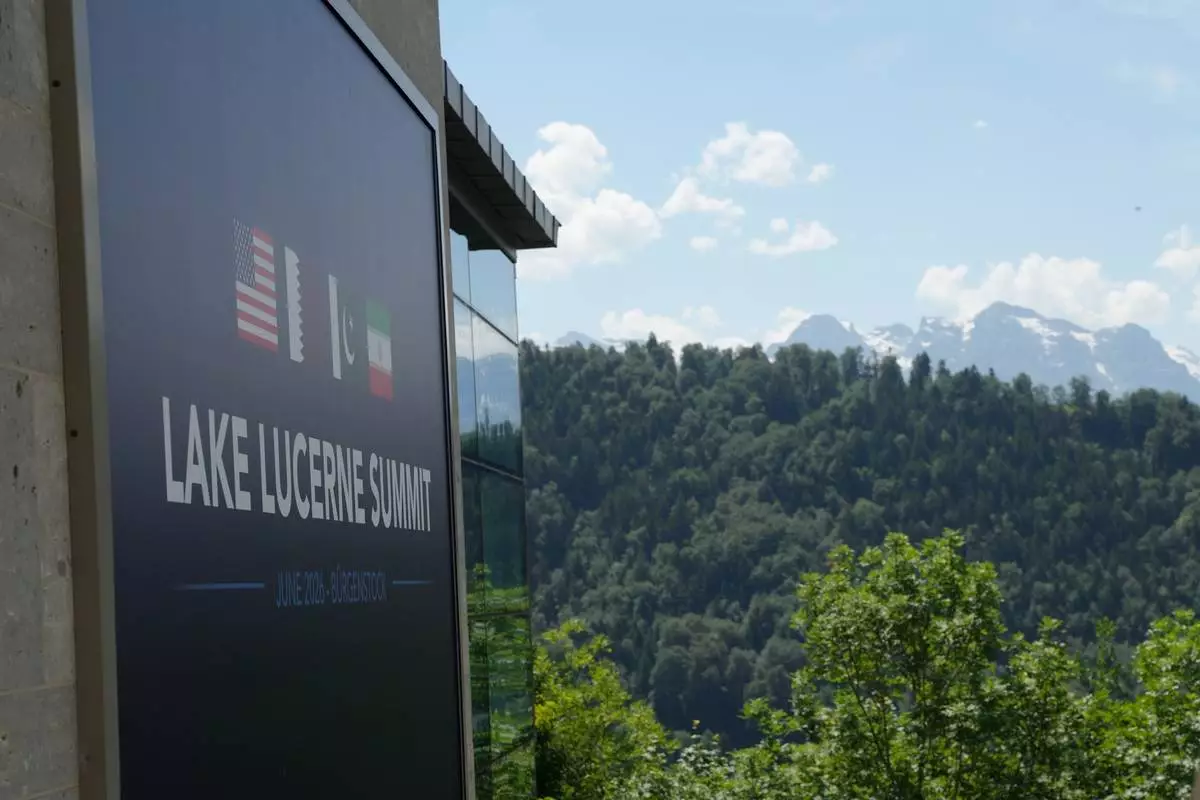
A sign for the Lake Lucerne Summit at the Bürgenstock during a meeting between U.S. Vice President JD Vance and Pakistan's Prime Minister Shehbaz Sharif for high-level talks aimed at advancing a deal to end the Middle East conflict, in Obbuergen, Switzerland, Sunday, June 21, 2026. (Nathan Howard/Pool Photo via AP)
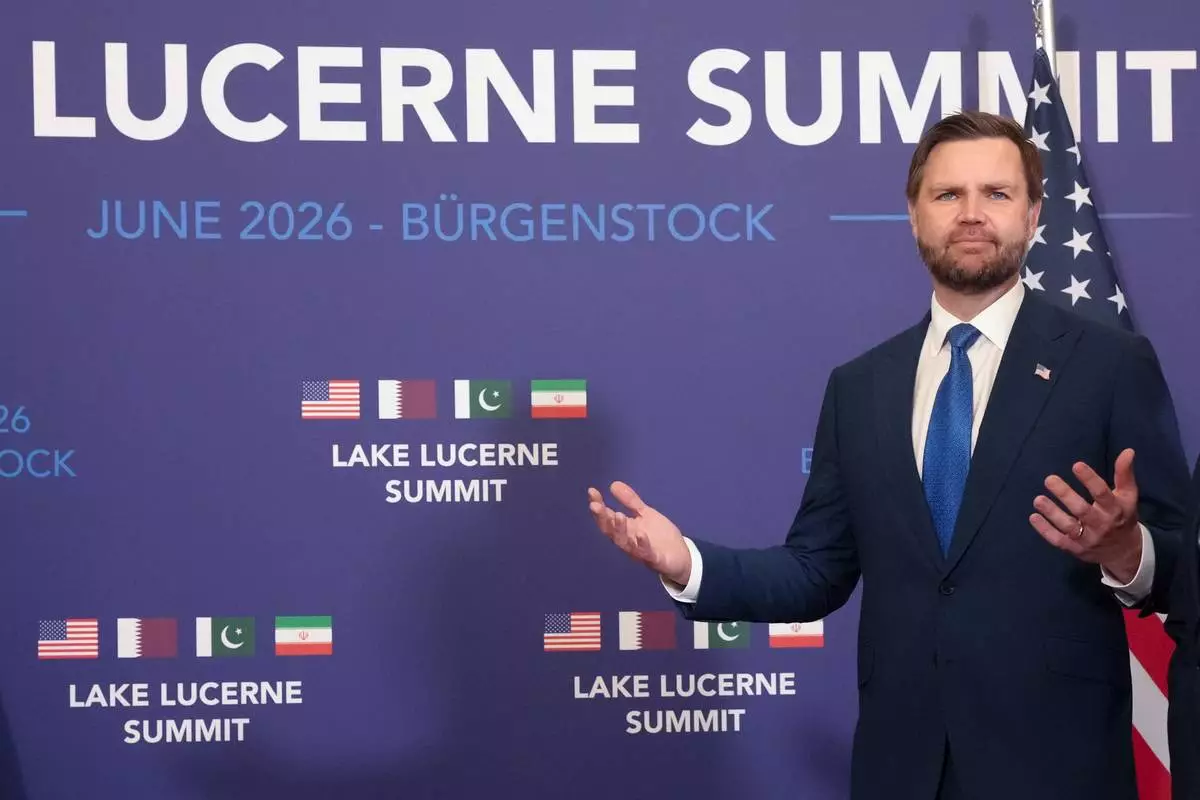
U.S. Vice President JD Vance waits to meet with Pakistan's Prime Minister Shehbaz Sharif during high-level talks aimed at advancing a deal to end the Middle East conflict, at the Bürgenstock Resort in Obbuergen, Switzerland, Sunday, June 21, 2026. (Nathan Howard/Pool Photo via AP)
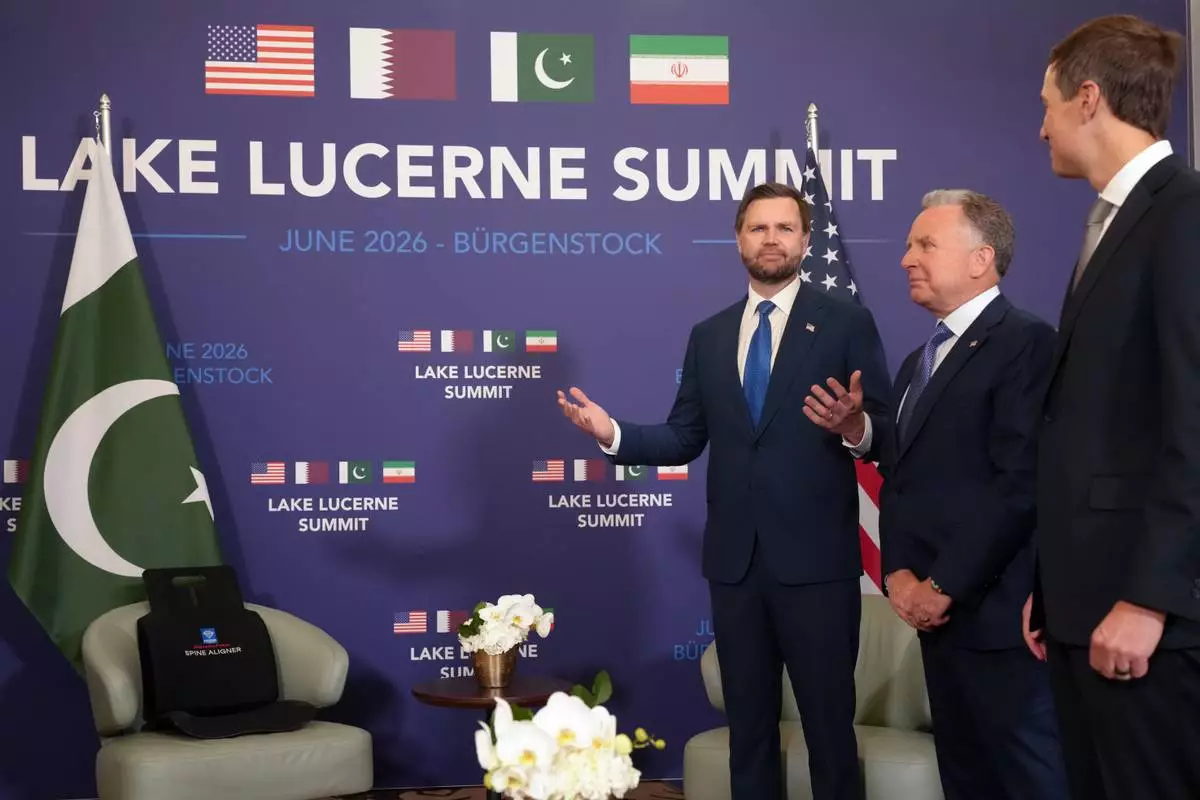
U.S. Vice President JD Vance, left, reacts next to U.S. President Donald Trump's envoys Steve Witkoff, second right, and Jared Kushner, right, while waiting to meet with Pakistan's Prime Minister Shehbaz Sharif for high-level talks aimed at advancing a deal to end the Middle East conflict, at the Bürgenstock Resort in Obbuergen, near Lucerne, in Switzerland, Sunday, June 21, 2026. (Nathan Howard/Pool Photo via AP)
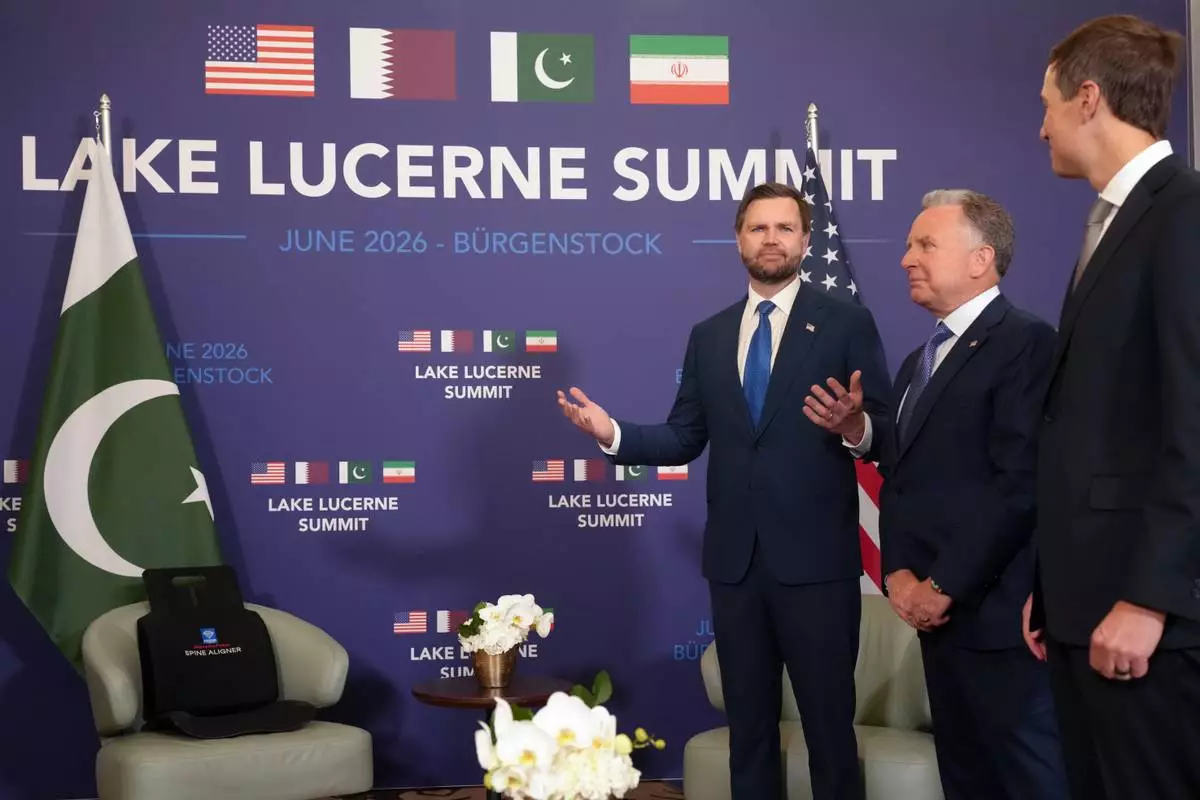
U.S. Vice President JD Vance, left, reacts next to U.S. President Donald Trump's envoys Steve Witkoff, second right, and Jared Kushner, right, while waiting to meet with Pakistan's Prime Minister Shehbaz Sharif for high-level talks aimed at advancing a deal to end the Middle East conflict, at the Bürgenstock Resort in Obbuergen, near Lucerne, in Switzerland, Sunday, June 21, 2026. (Nathan Howard/Pool Photo via AP)
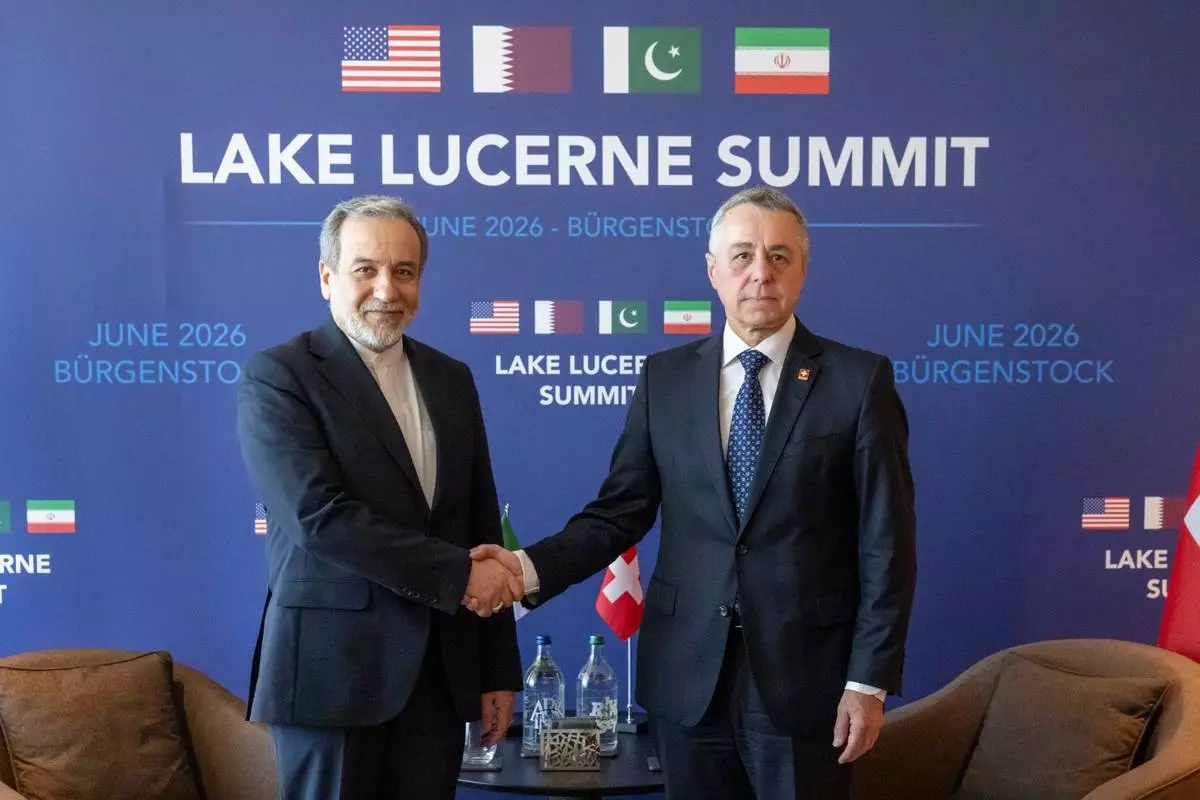
Iran’s Foreign Minister Abbas Araghchi, left, and Switzerland's Foreign Minister Federal councillor Ignazio Cassis, right, shake hands at bilateral discussions at the Buergenstock resort in Obbuergen, near Lucerne, Switzerland, Sunday, June 21, 2026. (Urs Flueeler/Keystone via AP)
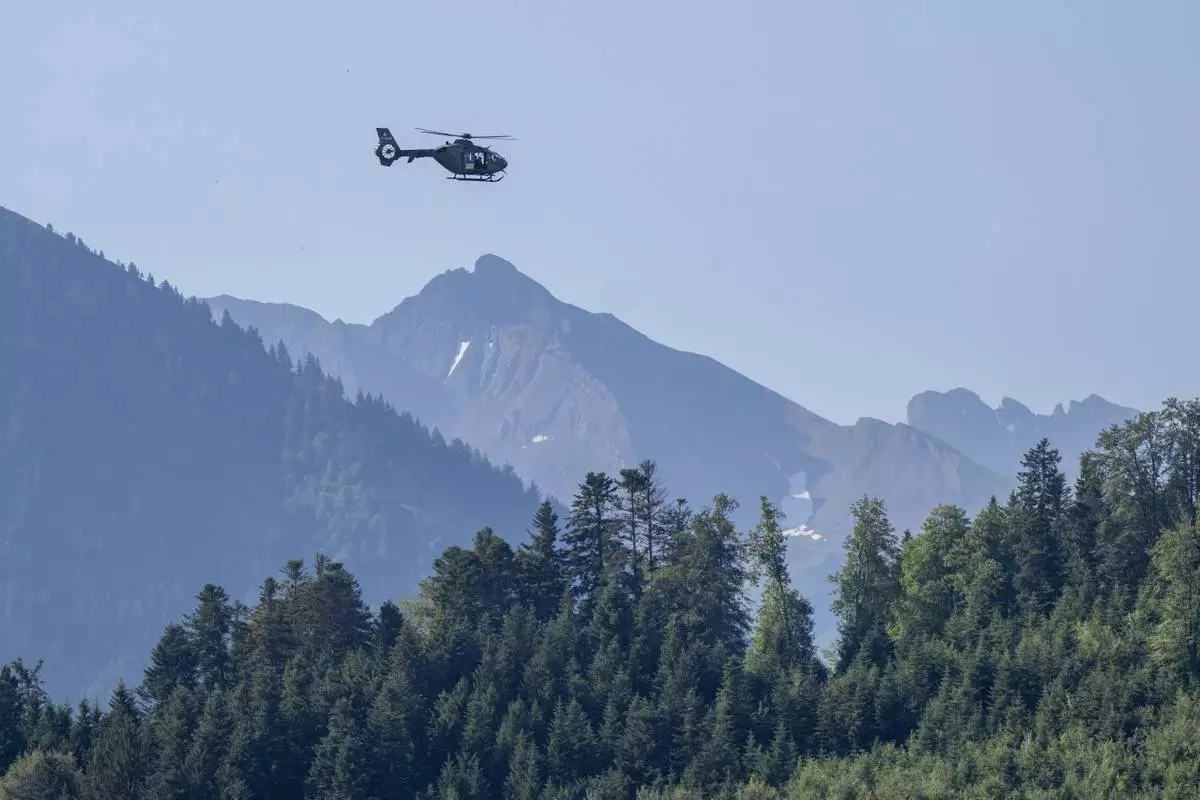
A Swiss Army Helicopter flies around the Buergenstock resort in Obbuergen, near Lucerne, Switzerland, Sunday, June 21, 2026. (Urs Flueeler/Keystone Pool via AP)
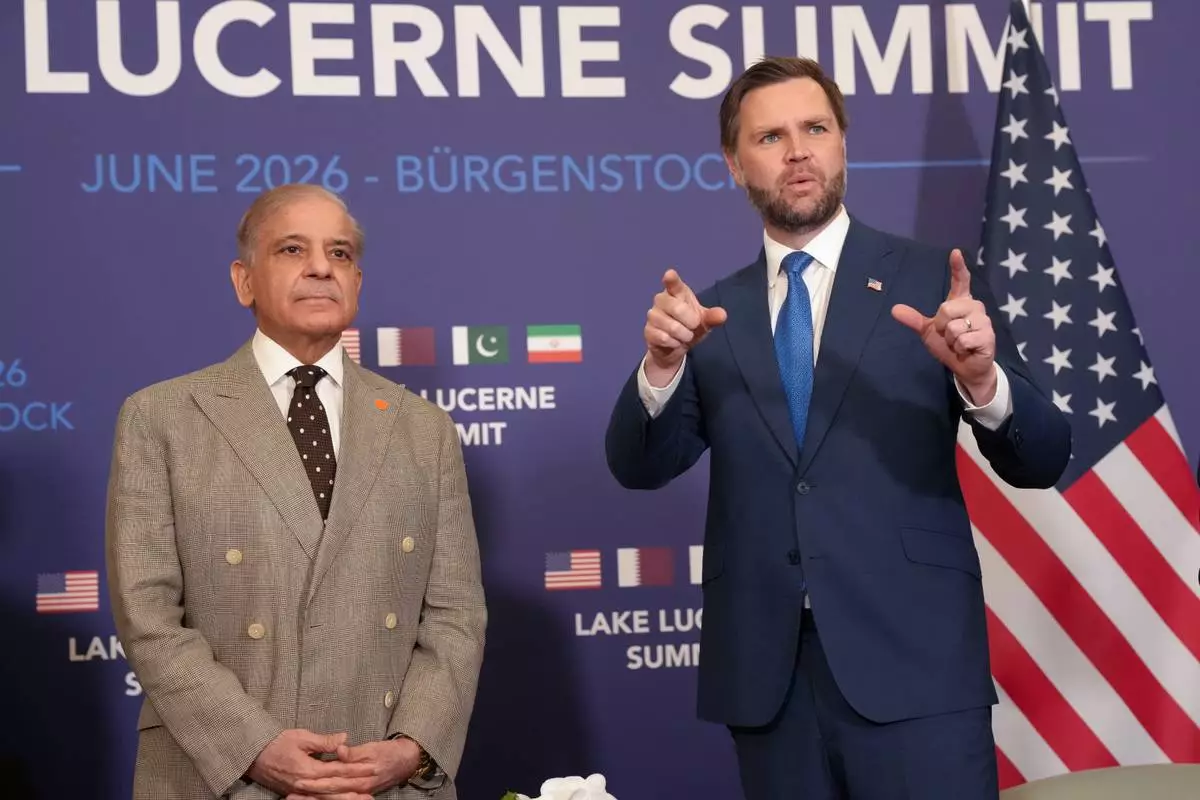
U.S. Vice President JD Vance, right, meets with Pakistan's Prime Minister Shehbaz Sharif, during high-level talks aimed at advancing a deal to end the Middle East conflict, at the Bürgenstock Resort in Obbuergen, near Lucerne, in Switzerland, Sunday, June 21, 2026. (Nathan Howard/Pool Photo via AP)
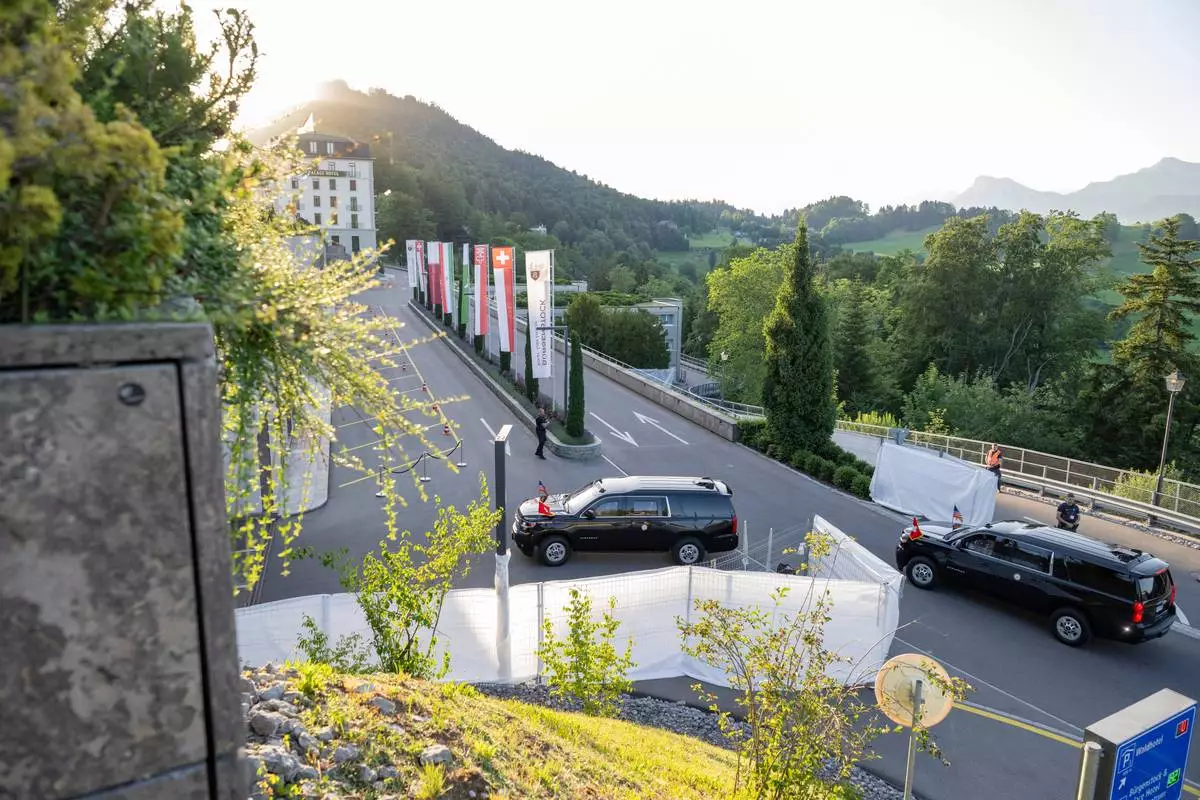
A convoy with U.S. Vice President JD Vance arrives at the Bürgenstock Resort in Obbuergen, near Lucerne, in Switzerland Sunday, June 21, 2026. (Urs Flueeler/Keystone, Pool Photo via AP)
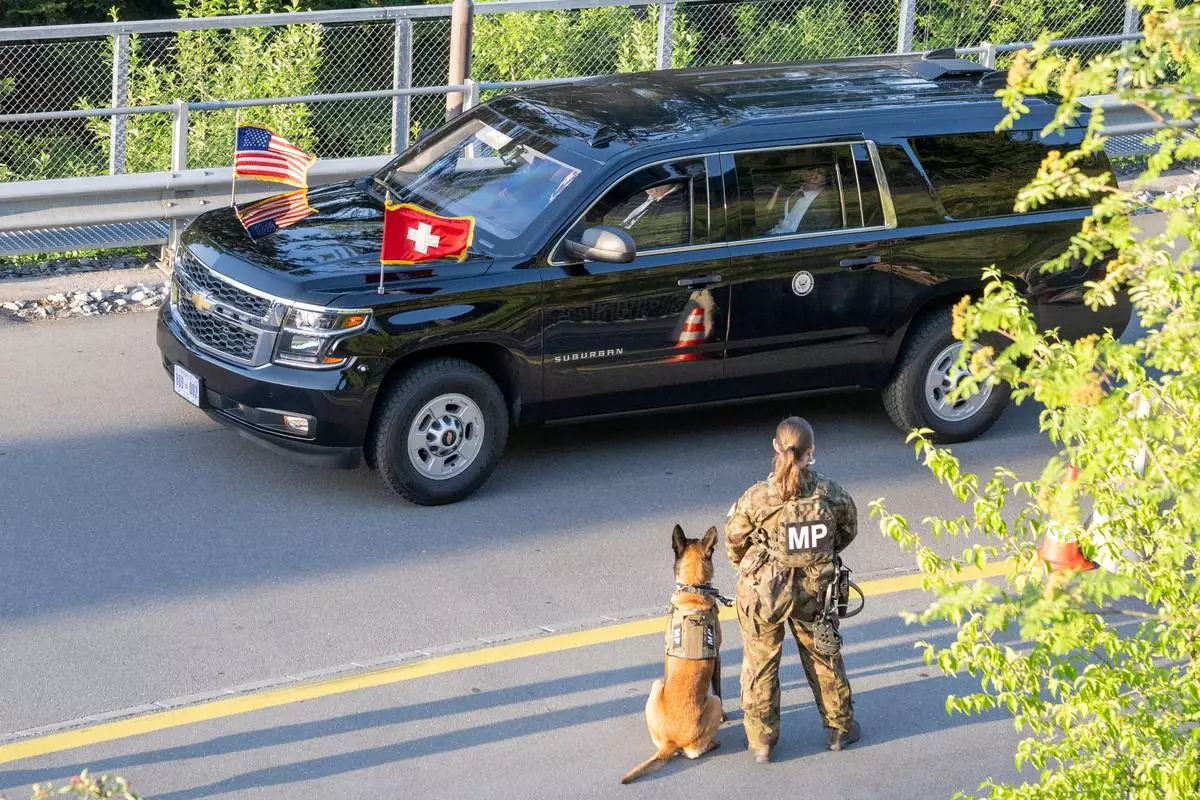
A convoy with U.S. Vice President JD Vance arrives at the Bürgenstock Resort in Obbuergen, near Lucerne, in Switzerland Sunday, June 21, 2026. (Urs Flueeler/Keystone, Pool Photo via AP)
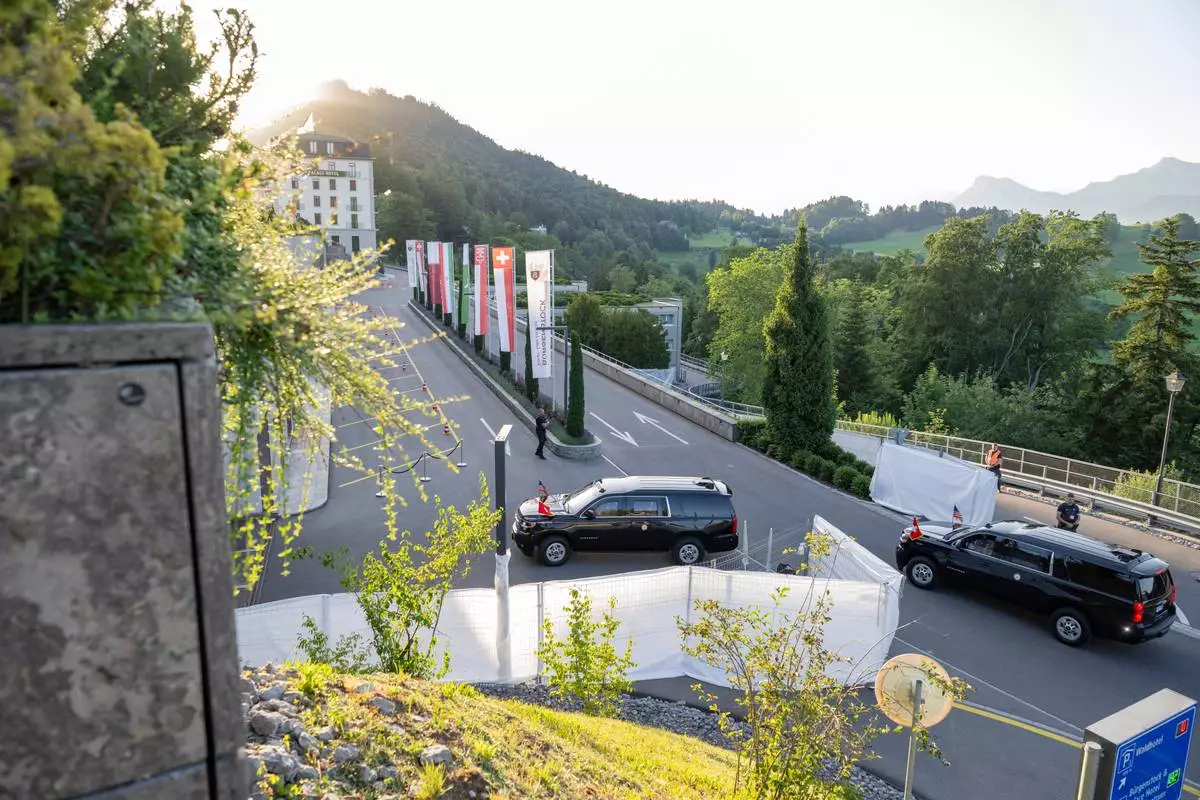
A convoy with U.S. Vice President JD Vance arrives at the Bürgenstock Resort in Obbuergen, near Lucerne, in Switzerland Sunday, June 21, 2026. (Urs Flueeler/Keystone, Pool Photo via AP)
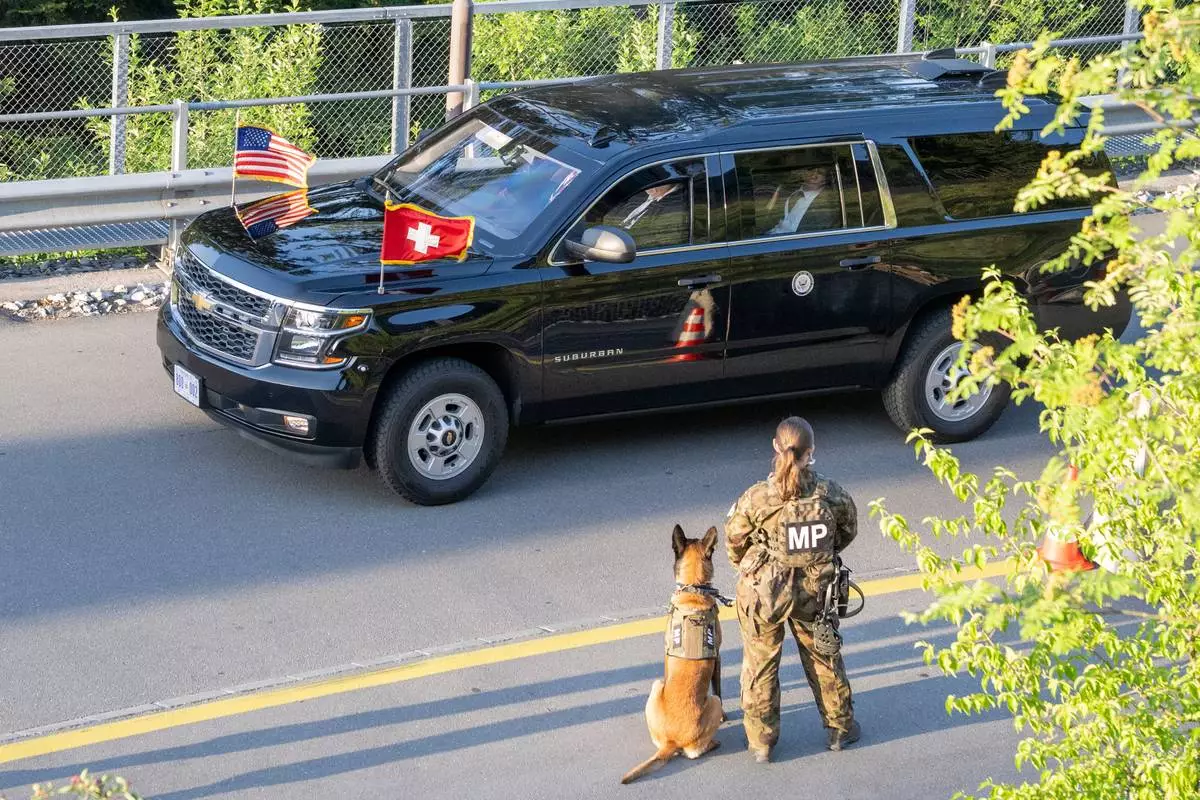
A convoy with U.S. Vice President JD Vance arrives at the Bürgenstock Resort in Obbuergen, near Lucerne, in Switzerland Sunday, June 21, 2026. (Urs Flueeler/Keystone, Pool Photo via AP)
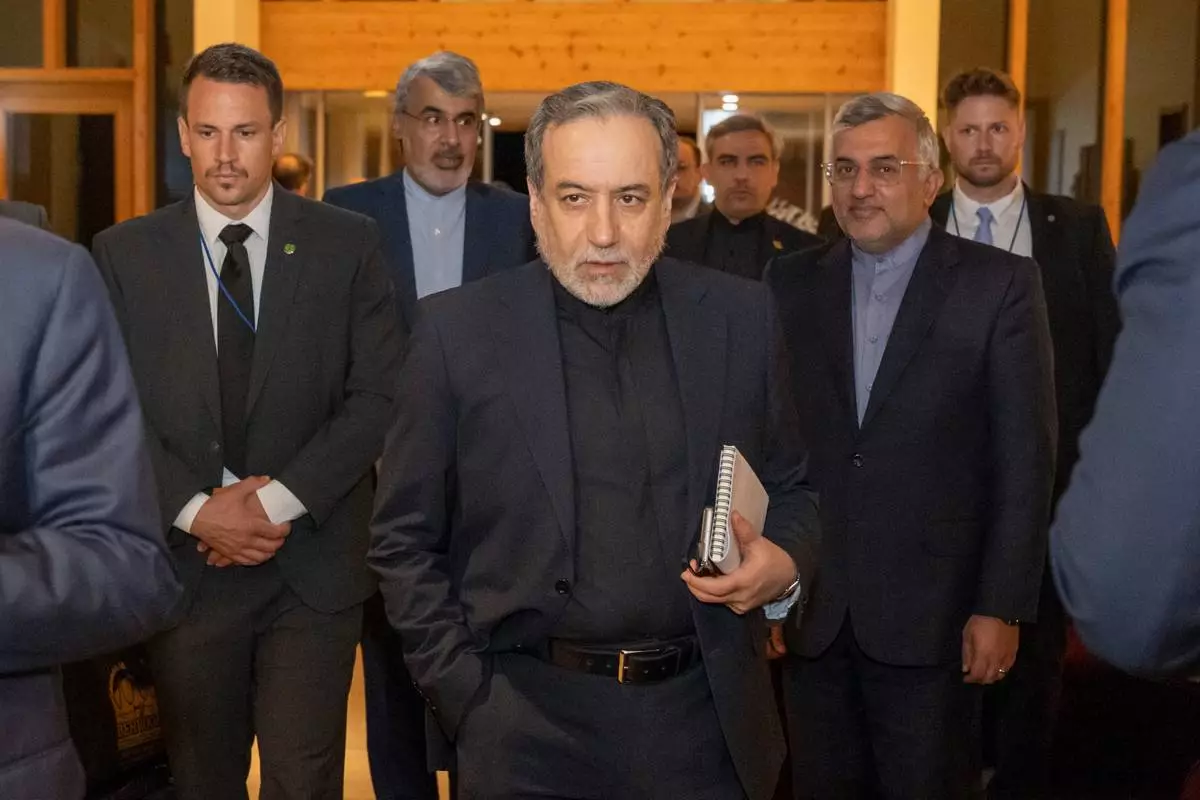
Iranian Foreign Minister Seyyed Abbas Araghchi, center, arrives at the Buergenstock resort in Obbuergen, near Lucerne, Switzerland, early Sunday, June 21, 2026. (Urs Flueeler/Keystone, Pool via AP)

Air Force Two, with Vice President JD Vance and second lady Usha Vance on board, departs Joint Base Andrews, Md., Saturday, June 20, 2026, en route to Switzerland. (Elizabeth Frantz/Pool Photo via AP)
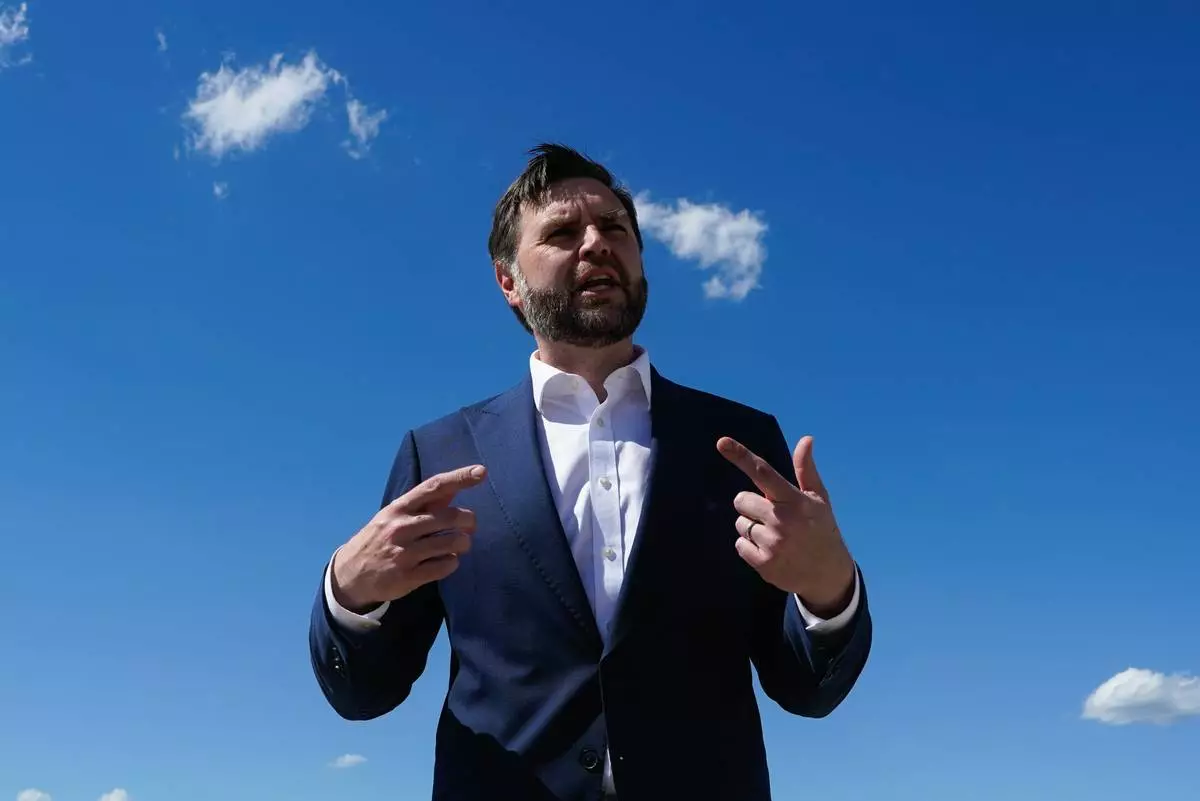
Vice President JD Vance speaks to reporters at Joint Base Andrews, Md., Saturday, June 20, 2026, en route to Switzerland. (Elizabeth Frantz/Pool Photo via AP)