The German business community remains confident in the mid- to long-term potential of China's economy and hopes the German Chancellor's visit will deliver positive outcomes for bilateral cooperation, said Oliver Oehms, Executive Director and Board Member of the German Chamber of Commerce in North China.
At the invitation of Chinese Premier Li Qiang, German Chancellor Friedrich Merz is paying his first official visit to China since taking office accompanied by a delegation of senior business leaders.
Despite the visit's brief schedule, Oehms said German businesses expect the chancellor and his delegation to send strong and positive signals about future cooperation between the two countries.
"My very personal hope and expectation is that his individual personal learning curve is very steep. So hopefully it will take back home some of the messages that we consider to be right messages, be it coming from his entourage or his accompanying delegation, or be it from the many people that he's meeting in the next two days here in China. Technically, we have some issues. We certainly are going to talk about it in the next couple of minutes, where we hope for a kind of breakthrough, be it the topic of export controls, etc.," he said.
German companies, he said, remain broadly optimistic about China's medium- and long-term market prospects and are committed to continuing cooperation and investment.
"German companies are as affected by the overall market environment as their Chinese competitors and peers are. Therefore, we all would love to see a more dynamic domestic development. To some extent, the Chinese market is, let's say, behaving or performing like our market back home in Germany. It's not always in the hands of political decision makers, with all due respect, to trigger consumer and industry confidence. We have been observing similar efforts in Germany for the last couple of years. Therefore, we know the market is the way it is. We would love for the market to be more dynamic, maybe in the next 2 years. And I think this overall sentiment of optimism, at least when it comes to the mid to long term perspective of the Chinese market, it still is very high within the German community," said the business advocate.
Beyond economic ties, Oehms underscored the importance of sustained diplomatic, political and cultural exchanges in fostering a favorable environment for business cooperation.
"I'm not really sure if it's impacting individual corporate performance here in China, but definitely it has an impact on the overall sentiment within the Chinese community, be it of clients, peers, consumers or partners. Any kind of discussion meeting personnel exchange helps to get better, maybe deeper understanding of the needs, also interests of the partner sitting on the other side of the table. Therefore, it's important that the Chancellor comes that he engages in in-depth discussions with his Chinese partners, as much as previous Ministers or members of his (parliament) office and government did in the last couple of weeks and months," he said.
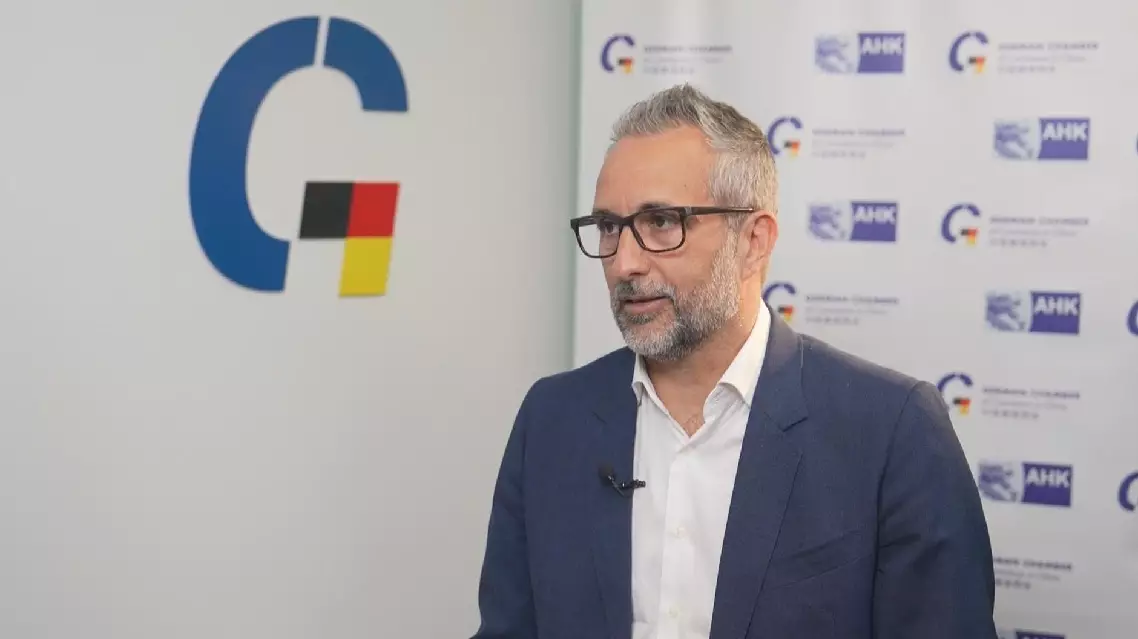
German business community stays optimistic about Chinese market in long term: chamber director