Skip to Content Facebook Feature Image

Soaring cost of food and other staples squeezes Iranians as threat of US attack looms

News

Soaring cost of food and other staples squeezes Iranians as threat of US attack looms
News

News

Soaring cost of food and other staples squeezes Iranians as threat of US attack looms

2026-02-26 03:40 Last Updated At:03:50

TEHRAN, Iran (AP) — Every day, Iranians go to stores and find prices rising. Some post photos on social media of the shrinking contents of their shopping carts as they struggle to buy enough basic staples for their families. The mounting cost of living is an extra weight bearing down as Iranians prepare for a possible war with the U.S. and wrestle with the aftermath of protests that swept the country last month.

“Everybody is under pressure: merchants, civil servants, laborers," said Ebrahim Momeni, a 52-year-old retired civil servant. "The weaker class of people is being crushed.”

More Images
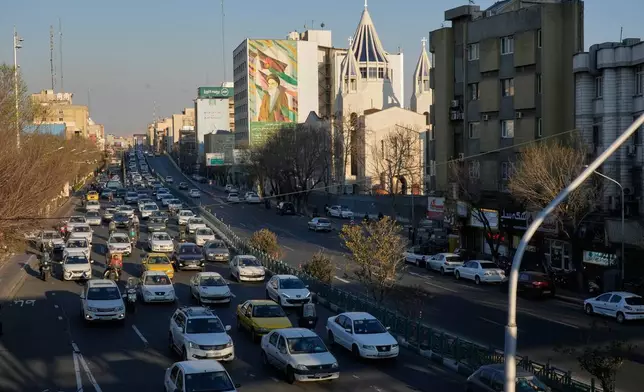
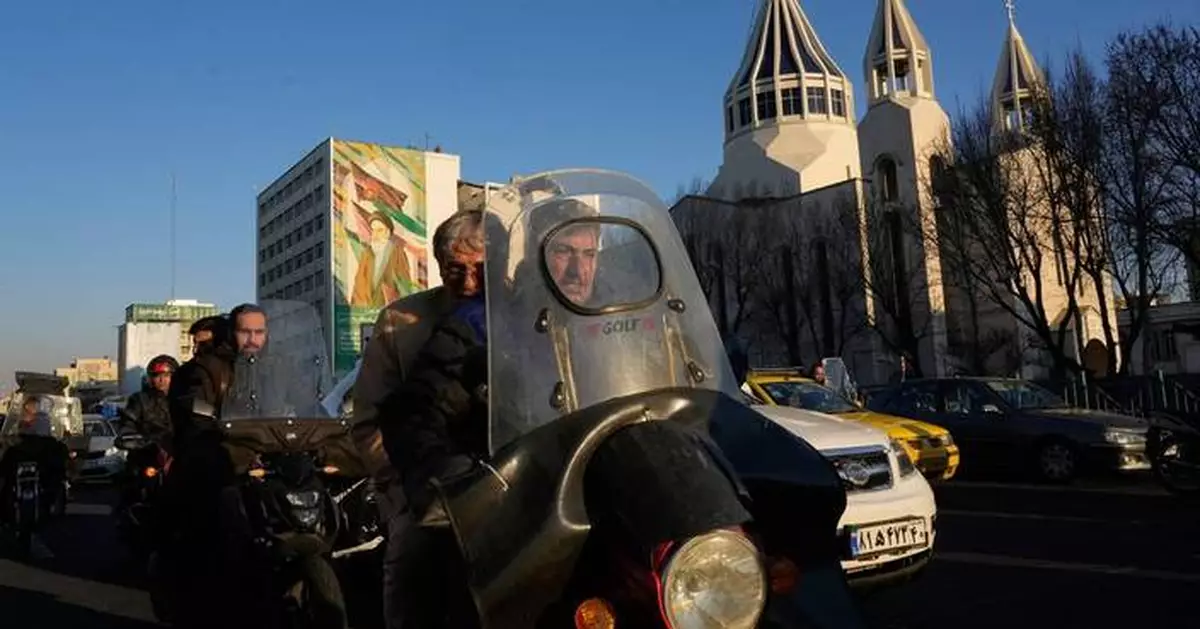
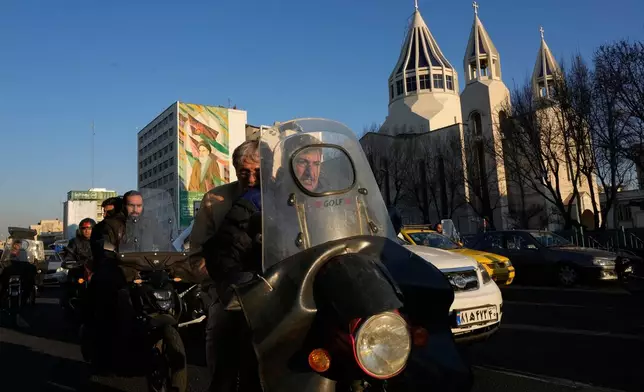
Vehicles drive past the Saint Sarkis church and a painting of the late Iranian revolutionary founder Ayatollah Khomeini in downtown Tehran, Iran, Wednesday, Feb. 25, 2026. (AP Photo/Vahid Salemi)
Vehicles drive past the Saint Sarkis church and a painting of the late Iranian revolutionary founder Ayatollah Khomeini in downtown Tehran, Iran, Wednesday, Feb. 25, 2026. (AP Photo/Vahid Salemi)

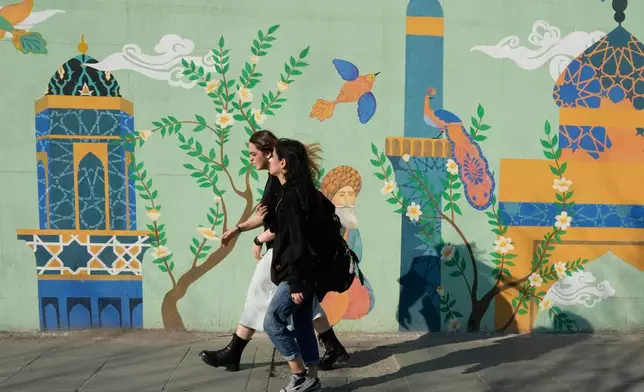
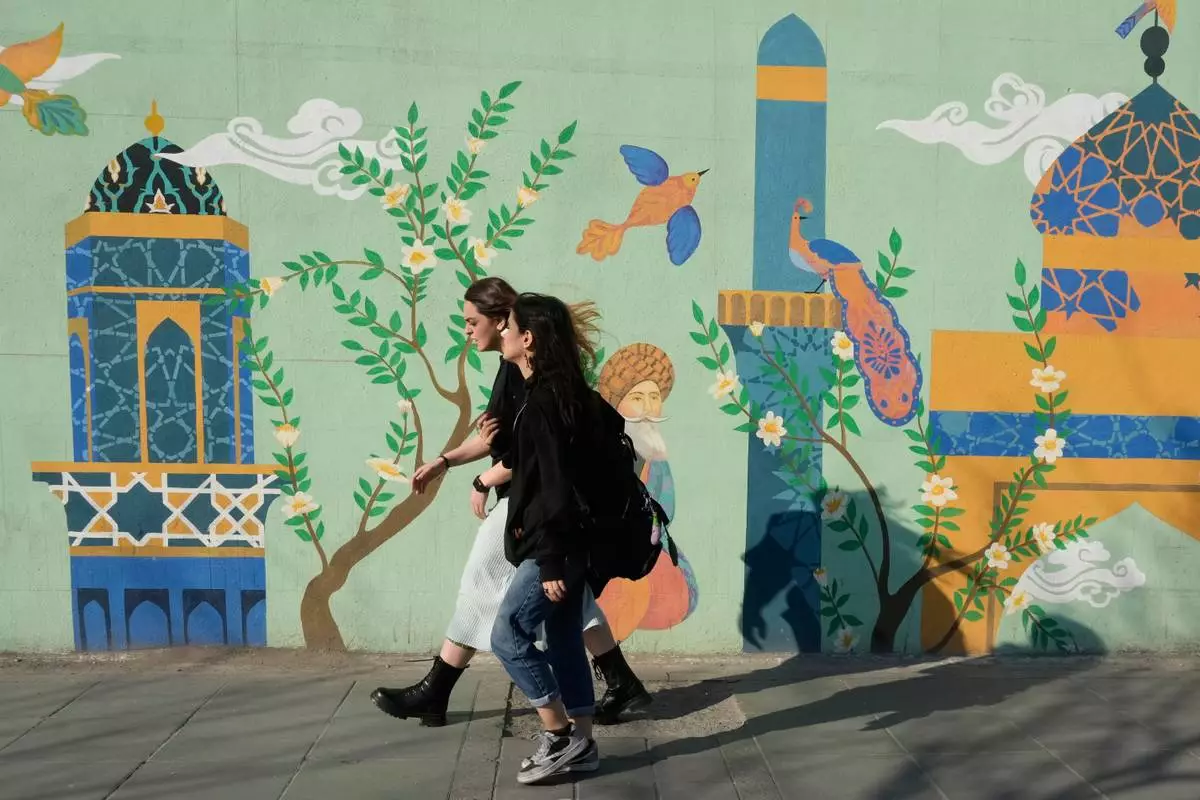
Women walk past an Islamic-themed painting on a wall at Enqelab-e-Eslami, or Islamic Revolution, street in downtown Tehran, Iran, Wednesday, Feb. 25, 2026. (AP Photo/Vahid Salemi)
Women walk past an Islamic-themed painting on a wall at Enqelab-e-Eslami, or Islamic Revolution, street in downtown Tehran, Iran, Wednesday, Feb. 25, 2026. (AP Photo/Vahid Salemi)

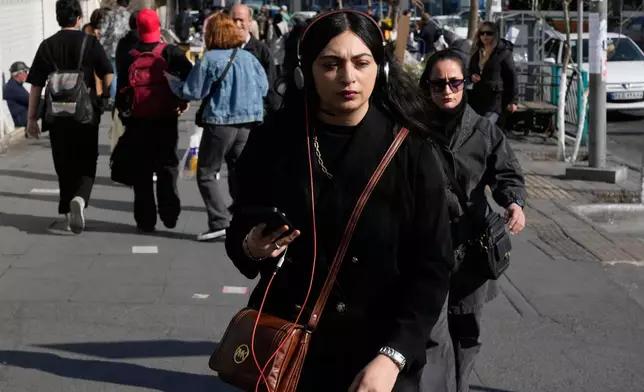
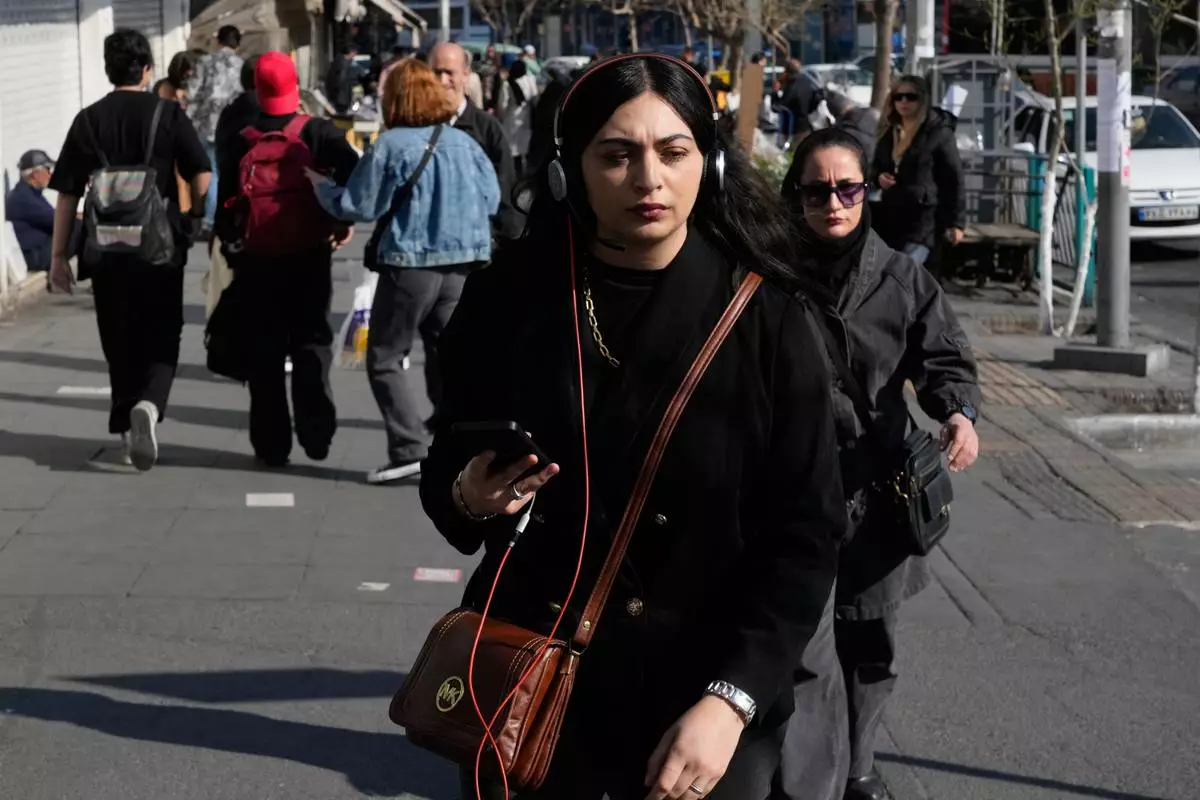
People walk on a sidewalk at Enqelab-e-Eslami, or Islamic Revolution, square in downtown Tehran, Iran, Wednesday, Feb. 25, 2026. (AP Photo/Vahid Salemi)
People walk on a sidewalk at Enqelab-e-Eslami, or Islamic Revolution, square in downtown Tehran, Iran, Wednesday, Feb. 25, 2026. (AP Photo/Vahid Salemi)

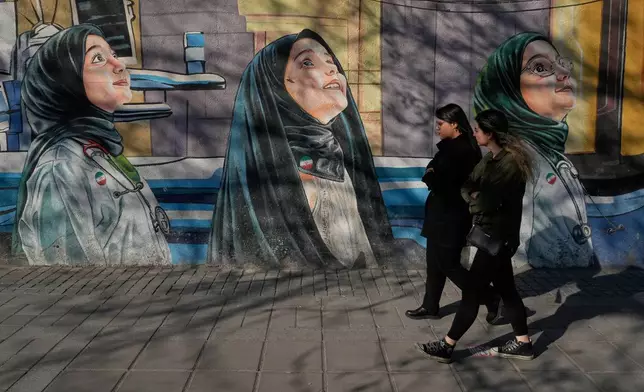
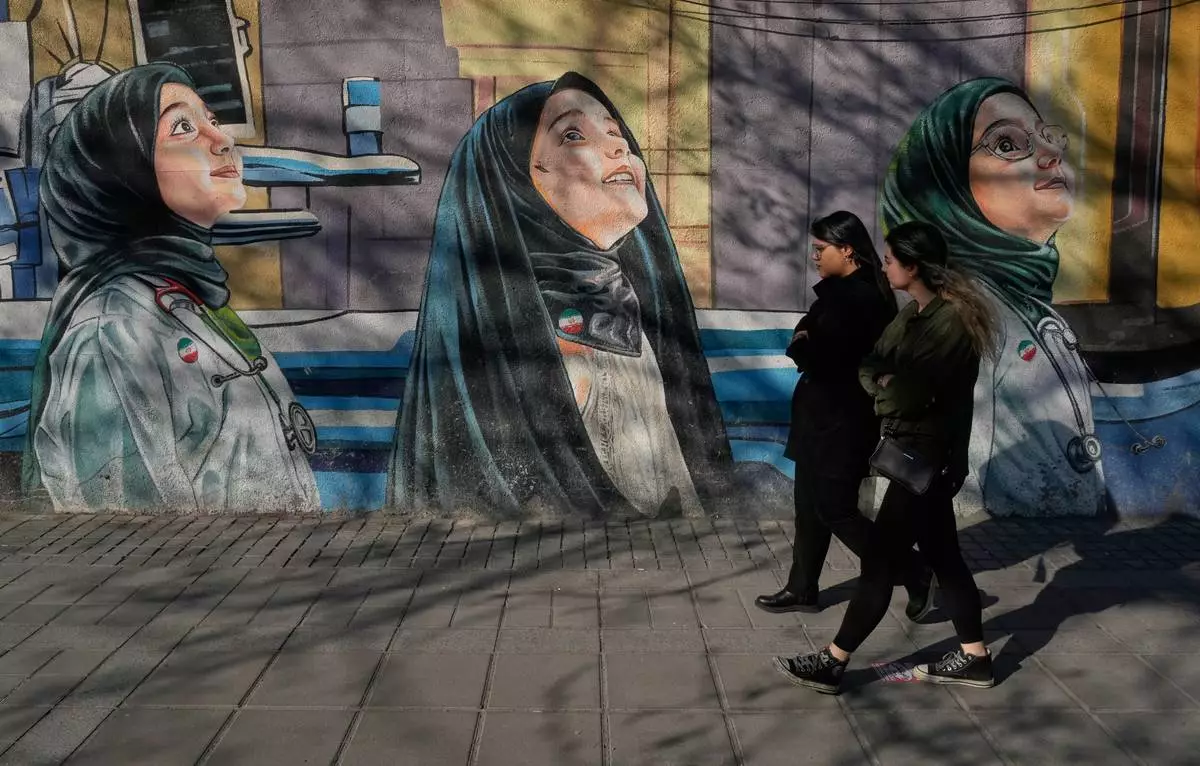
Women walk past a mural at a girls school at Enqelab-e-Eslami, or Islamic Revolution Street in downtown Tehran, Iran, Wednesday, Feb. 25, 2026. (AP Photo/Vahid Salemi)
Women walk past a mural at a girls school at Enqelab-e-Eslami, or Islamic Revolution Street in downtown Tehran, Iran, Wednesday, Feb. 25, 2026. (AP Photo/Vahid Salemi)

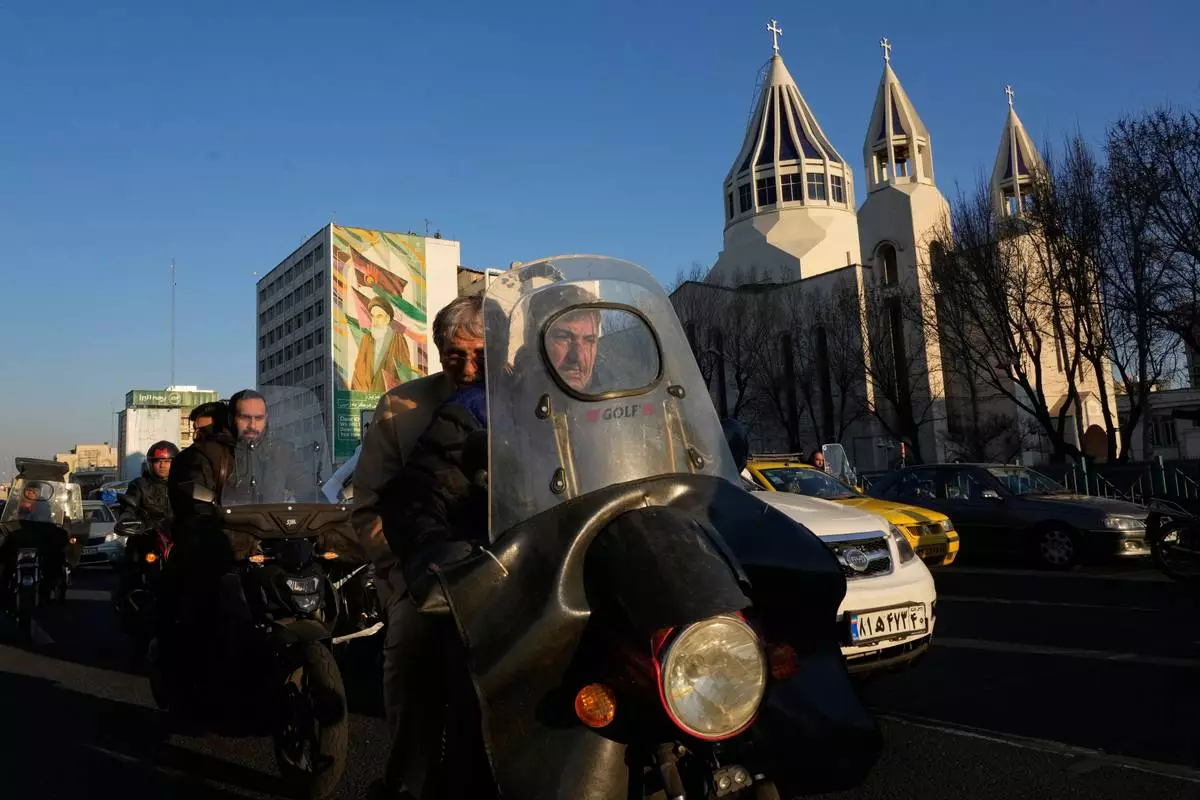
Commuters drive past Saint Sarkis church and a mural of the late Iranian revolutionary founder Ayatollah Khomeini in downtown Tehran, Iran, Wednesday, Feb. 25, 2026. (AP Photo/Vahid Salemi)

Commuters drive past Saint Sarkis church and a mural of the late Iranian revolutionary founder Ayatollah Khomeini in downtown Tehran, Iran, Wednesday, Feb. 25, 2026. (AP Photo/Vahid Salemi)

Iran's economy has struggled for years because of international sanctions and mismanagement.

It experienced some relief under a 2015 nuclear deal that lifted many sanctions, until U.S. President Donald Trump unilaterally withdrew from the accord in 2018. Since coming back into office more than a year ago, Trump revived a “maximum pressure” campaign, expanding sanctions that target Iran’s financial sector and energy exports. On Wednesday, his administration imposed new sanctions on 30 people and companies accused of enabling Iran’s production of ballistic missiles and drones, and illicit oil sales.

The pressure has accelerated the devaluation of Iran's currency, the rial. In 2015, when the nuclear deal was signed, the rial traded at about 32,000 to the dollar. In late December, it was at 1.3 million to the dollar. On Wednesday, it had reached a new low at 1.65 million rials to the dollar — worsened by fears of a U.S. attack.

Inflation has surpassed 46% compared with January of last year. Economists warn that the rial’s accelerating decline risks feeding a vicious cycle of higher prices and reduced purchasing power. They expect double-digit inflation to plague Iran’s economy — which also suffers from high unemployment among younger people — for years to come.

The plunging value of the rial was one trigger for protests that began in late December in Tehran’s main bazaar and then spiraled nationwide.

Prices for everyday items, from groceries to toiletries, are soaring.

Momeni said he makes about 700 million rials (about $540) a month. Just in the past month, a kilo (2.2 pounds) of red meat increased from 13 million rials ($10) to 22 million rials ($17). In the same period, the price of a liter of milk (a quarter of a gallon) doubled from 520,000 rials to 1.1 million rials, and a box of pasta rose from 340,000 rials to 570,000 rials.

“Those with lower incomes and fixed salaries are suffering because of the price hikes,” said Farhad Panahirad, a 44-year-old taxi driver. Together, he and his wife make about 600 million rials (about $460) a month, he said.

Several people in the markets on Wednesday explained how they try to deal with rising financial pressures — they check social media every day to see news about the latest prices, or go shopping at night, when some produce is marked down to half price to get rid of inventory before it spoils.

Fearing the U.S. could launch strikes at any time, Iranians are also scrambling to purchase emergency supplies. That includes flashlights, small gas ovens, and tape for securing windows against explosions, said the owner of a tool shop in central Iran, who spoke on condition of anonymity for fear of retaliation.

Some try to purchase bulk amounts of beans, bread, rice and canned food despite the high prices. “I am not happy to buy this much stuff, but my wife said we had to be prepared for uncertainty in the coming days,” said Saeed Ebrahimi, 43, an electrical technician and father of two.

Even items such as washing machines, vacuum cleaners, and refrigerators have doubled in price, according to Iranian media.

Tehran-based economist Farbod Molavi wrote in the independent Dona-e-Eghtesad newspaper that prices are higher because of uncertainty in the market and the rising costs of raw materials. Iran is suffering from both a recession and high unemployment, he added.

Unemployment was officially around 7.8% in October, up from 7.2% for the same period in 2024, and runs as high as 20% among young people. About 24 million Iranians are between 15 and 34 years old, according to official statistics.

Acknowledging the suffering, the government in January began distributing payments of 10 million rials a month each to some 70 million people, about 75% of the population, to spend on food. It has promised to increase the payments if prices go higher.

But the strain appears likely to continue. Trump has threatened strikes on Iran if it doesn't agree to a new accord curtailing its nuclear program. He has massed the largest buildup of warships and aircraft in the region in decades. The two sides have held two rounds of negotiations in recent weeks and a third is expected to be held in Geneva on Thursday.

Panahirad, the taxi driver, said he is pessimistic the negotiations will bring any relief for those struggling to buy food. “(Trump) is bullying them, to some extent. After all, he is a superpower and says what he wishes must be done,” he said,

“Wherever you go now people are talking about war. If you go to a bakery to buy bread you see people talking about war,” said Momeni. "This state of limbo is worse than war.”
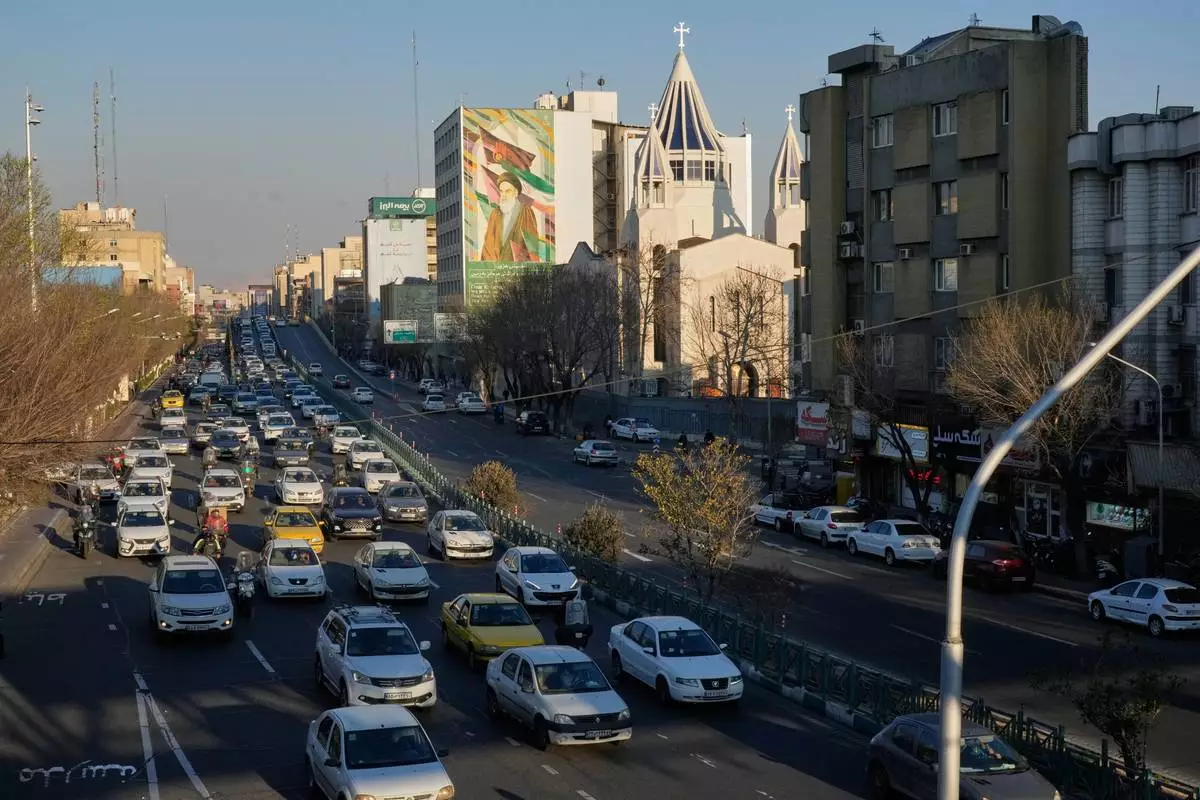
Vehicles drive past the Saint Sarkis church and a painting of the late Iranian revolutionary founder Ayatollah Khomeini in downtown Tehran, Iran, Wednesday, Feb. 25, 2026. (AP Photo/Vahid Salemi)
Vehicles drive past the Saint Sarkis church and a painting of the late Iranian revolutionary founder Ayatollah Khomeini in downtown Tehran, Iran, Wednesday, Feb. 25, 2026. (AP Photo/Vahid Salemi)

Women walk past an Islamic-themed painting on a wall at Enqelab-e-Eslami, or Islamic Revolution, street in downtown Tehran, Iran, Wednesday, Feb. 25, 2026. (AP Photo/Vahid Salemi)
Women walk past an Islamic-themed painting on a wall at Enqelab-e-Eslami, or Islamic Revolution, street in downtown Tehran, Iran, Wednesday, Feb. 25, 2026. (AP Photo/Vahid Salemi)

People walk on a sidewalk at Enqelab-e-Eslami, or Islamic Revolution, square in downtown Tehran, Iran, Wednesday, Feb. 25, 2026. (AP Photo/Vahid Salemi)
People walk on a sidewalk at Enqelab-e-Eslami, or Islamic Revolution, square in downtown Tehran, Iran, Wednesday, Feb. 25, 2026. (AP Photo/Vahid Salemi)

Women walk past a mural at a girls school at Enqelab-e-Eslami, or Islamic Revolution Street in downtown Tehran, Iran, Wednesday, Feb. 25, 2026. (AP Photo/Vahid Salemi)
Women walk past a mural at a girls school at Enqelab-e-Eslami, or Islamic Revolution Street in downtown Tehran, Iran, Wednesday, Feb. 25, 2026. (AP Photo/Vahid Salemi)

Commuters drive past Saint Sarkis church and a mural of the late Iranian revolutionary founder Ayatollah Khomeini in downtown Tehran, Iran, Wednesday, Feb. 25, 2026. (AP Photo/Vahid Salemi)
Commuters drive past Saint Sarkis church and a mural of the late Iranian revolutionary founder Ayatollah Khomeini in downtown Tehran, Iran, Wednesday, Feb. 25, 2026. (AP Photo/Vahid Salemi)
WASHINGTON (AP) — A helicopter pilot wounded in the raid that captured then-Venezuelan President Nicolás Maduro received the Medal of Honor during President Donald Trump's State of the Union address Tuesday evening.

Trump said Army Chief Warrant Officer 5 Eric Slover, who appeared using a walker, was the pilot of the lead CH-47 Chinook helicopter that descended on the “heavily protected military fortress” where Maduro was staying. The raid, while successful, left seven U.S. service members with gunshot wounds and shrapnel-related injuries.

“While preparing to land, enemy machine guns fired from every angle, and Eric was hit very badly in the leg and hip, one bullet after another,” Trump said, adding that Slover “absorbed four agonizing shots, shredding his leg into numerous pieces.”

Months of covert planning led to the brazen operation that plunged the South American country’s capital into darkness as troops infiltrated Maduro’s home and whisked him to the United States to face drug trafficking charges.

Trump's description of Slover's actions that night offer a new, detailed glimpse into the military action that has been largely shrouded in secrecy since it was carried out in the early hours of Jan. 3.

As Slover prepared to land his helicopter, he was confronted with “two machine gunners who escaped the wrath of the previous planes,” according to Trump.

“Eric maneuvered his helicopter with all of those lives and souls to face the enemy and let his gunners eliminate the threat," Trump said, “saving the lives of his fellow warriors from what could have been a catastrophic crash deep in enemy territory.”

The president said “the success of the entire mission and the lives of his fellow warriors hinged on Eric’s ability to take searing pain.”

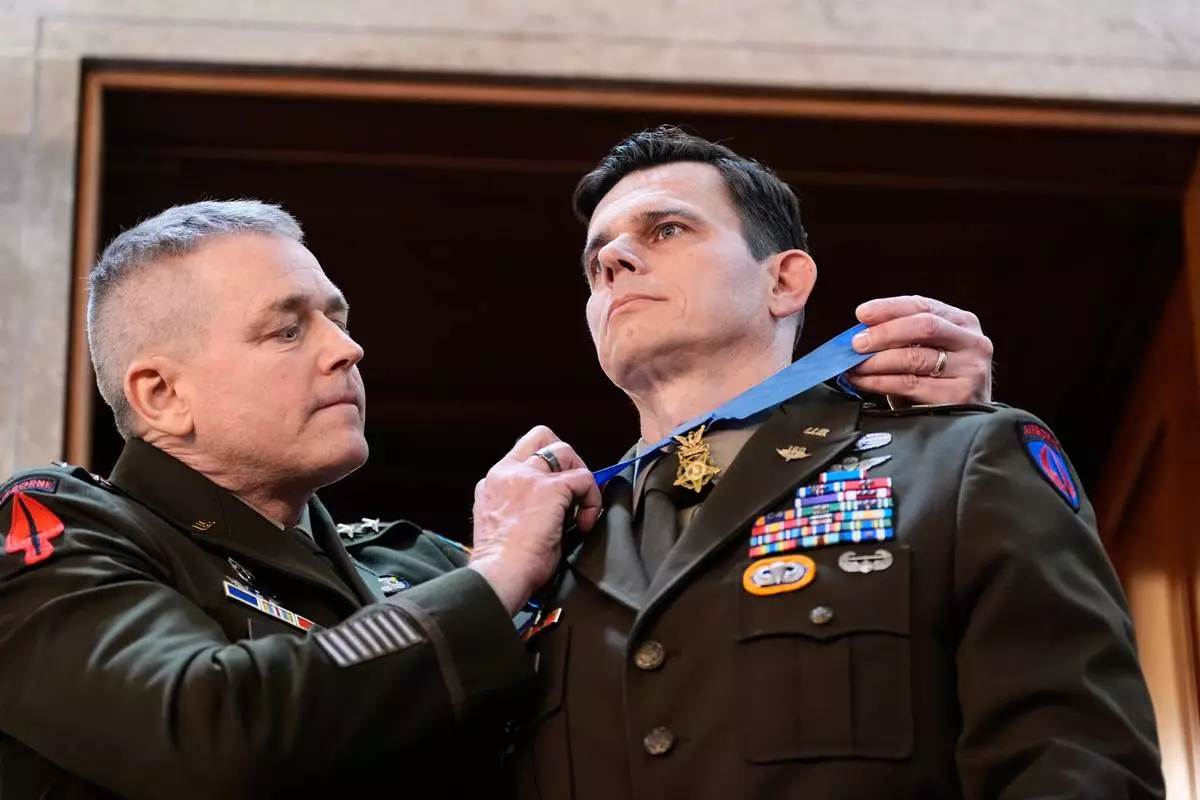
Lt. Gen. Jonathan Braga, commander of Joint Special Operations Command, presented Slover with the Medal of Honor in the gallery overlooking the House chamber.

Slover, 45, was in his dress uniform and used a walker to steady himself. Trump said the soldier was still recovering from his wounds.

Lt. Col. Allie Scott, a spokeswoman for Army Special Operations Command, told The Associated Press on Wednesday that Slover enlisted in the U.S. Army in August of 2005 and, after completing basic training, attended Warrant Officer Candidate School and flight school, where he became a Chinook pilot.

In his career of more than 20 years, Slover was given multiple, prestigious awards for his service. They include two Distinguished Flying Crosses — including one with a V Device for valor — two Bronze Stars, two Meritorious Service Medals, and two Air Medals, among other awards and decorations, according to records provided by Scott.

Slover's records also say he has been awarded a Purple Heart.

Trump said 10 other service members who took part in the operation will be receiving medals at a private ceremony soon to be held at the White House.

The military typically shies away from publicly identifying service members who serve in special operations units, often going so far as to blur faces of troops undergoing training for admission into the elite units.

In addition to Slover, Trump also presented the Medal of Honor to retired Capt. E. Royce Williams, a Navy pilot who shot down multiple Soviet jets during the Korean War, upgrading his existing award of a Navy Cross.

Trump called the 100-year-old former fighter pilot “one of the last living legends.”

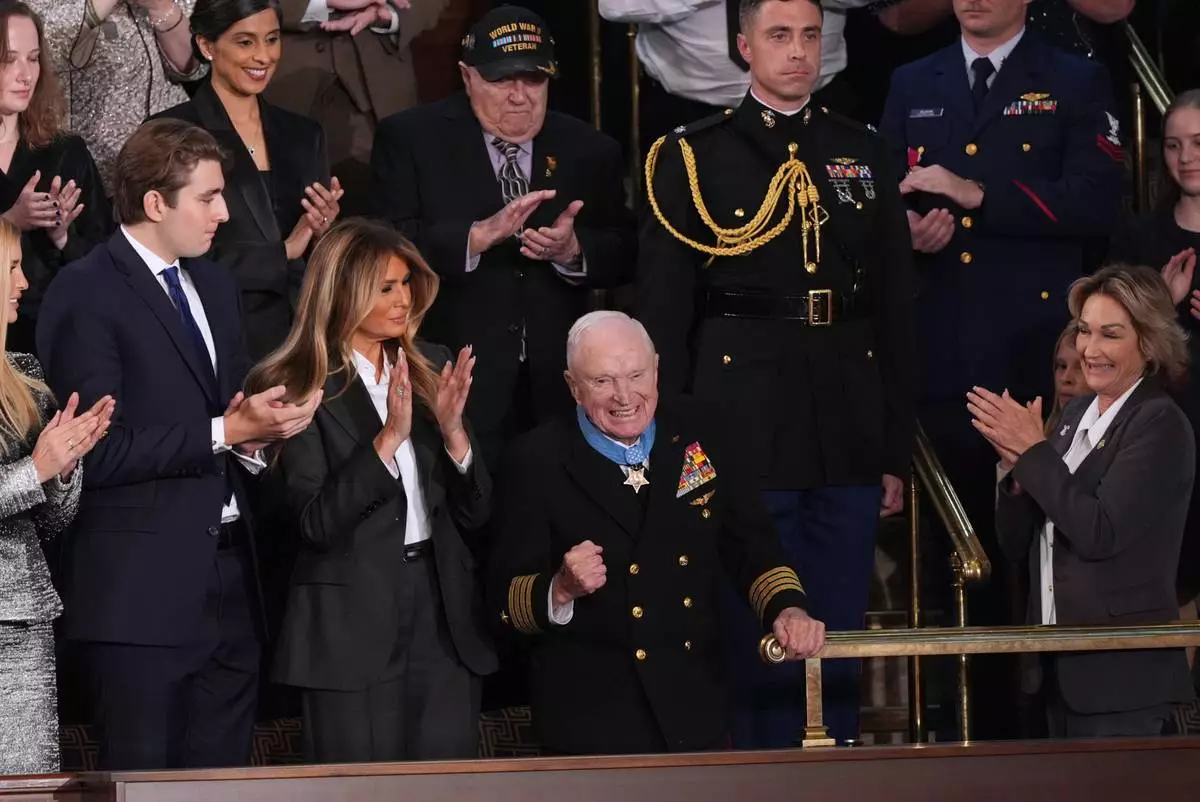
First lady Melania Trump applauds after presenting the Congressional Medal of Honor to World War II Navy Pilot Capt. Royce Williams during President Donald Trump's State of the Union address to a joint session of Congress in the House chamber at the U.S. Capitol in Washington, Tuesday, Feb. 24, 2026.(AP Photo/J. Scott Applewhite)

First lady Melania Trump applauds after presenting the Congressional Medal of Honor to World War II Navy Pilot Capt. Royce Williams during President Donald Trump's State of the Union address to a joint session of Congress in the House chamber at the U.S. Capitol in Washington, Tuesday, Feb. 24, 2026.(AP Photo/J. Scott Applewhite)

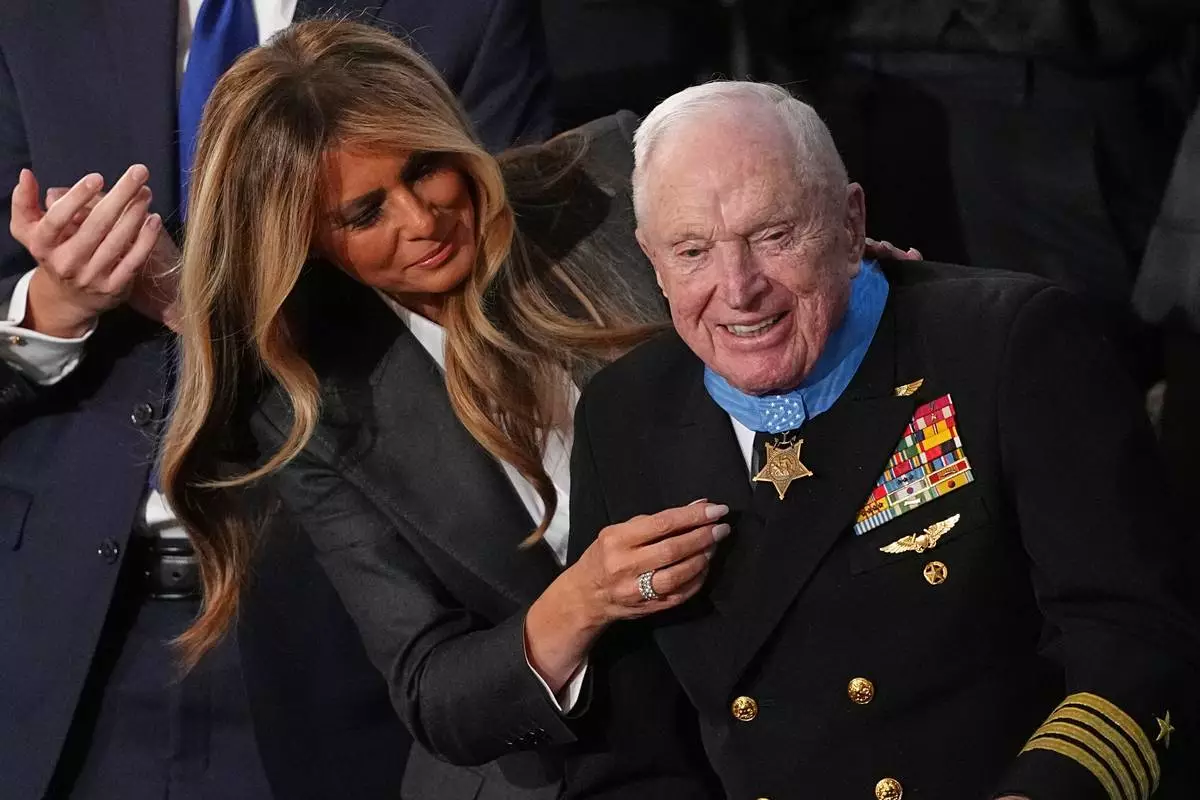
First lady Melania Trump presents the Congressional Medal of Honor to World War II Navy pilot Capt. Royce Williams as President Donald Trump delivers the State of the Union address to a joint session of Congress in the House chamber at the U.S. Capitol in Washington, Tuesday, Feb. 24, 2026. (AP Photo/Matt Rourke)

First lady Melania Trump presents the Congressional Medal of Honor to World War II Navy pilot Capt. Royce Williams as President Donald Trump delivers the State of the Union address to a joint session of Congress in the House chamber at the U.S. Capitol in Washington, Tuesday, Feb. 24, 2026. (AP Photo/Matt Rourke)

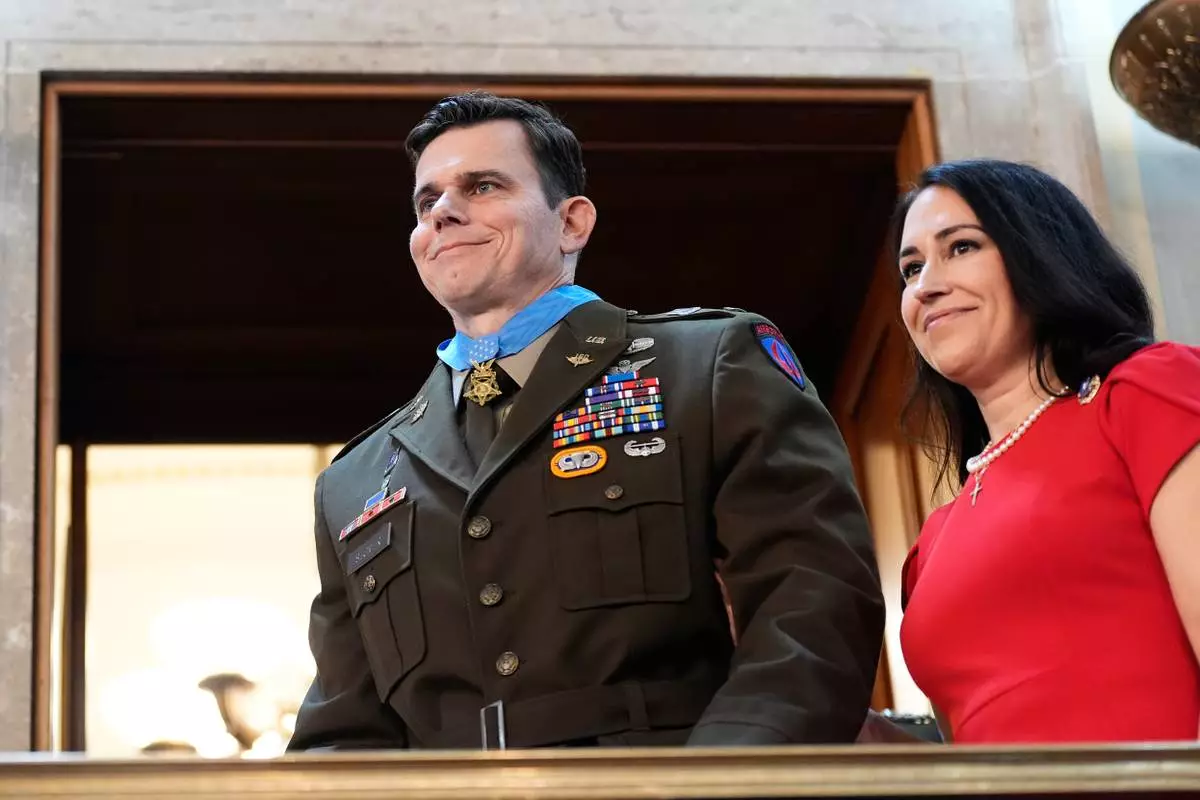
U.S. Army Chief Warrant Officer Eric Slover receives a Medal of Honor during President Donald Trump's State of the Union address to a joint session of Congress in the House chamber at the U.S. Capitol in Washington, Tuesday, Feb. 24, 2026. (AP Photo/Alex Brandon)

U.S. Army Chief Warrant Officer Eric Slover receives a Medal of Honor during President Donald Trump's State of the Union address to a joint session of Congress in the House chamber at the U.S. Capitol in Washington, Tuesday, Feb. 24, 2026. (AP Photo/Alex Brandon)

U.S. Army Chief Warrant Officer Eric Slover receives a Medal of Honor during President Donald Trump's State of the Union address to a joint session of Congress in the House chamber at the U.S. Capitol in Washington, Tuesday, Feb. 24, 2026. (AP Photo/Alex Brandon)

U.S. Army Chief Warrant Officer Eric Slover receives a Medal of Honor during President Donald Trump's State of the Union address to a joint session of Congress in the House chamber at the U.S. Capitol in Washington, Tuesday, Feb. 24, 2026. (AP Photo/Alex Brandon)

Recommended Articles