The central parity rate of the Chinese currency renminbi, or the yuan, stayed flat at 6.9228 against the U.S. dollar Friday, according to the China Foreign Exchange Trade System.
In China's spot foreign exchange market, the yuan is allowed to rise or fall by 2 percent from the central parity rate each trading day.
The central parity rate of the yuan against the U.S. dollar is based on a weighted average of prices offered by market makers before the opening of the interbank market each business day.
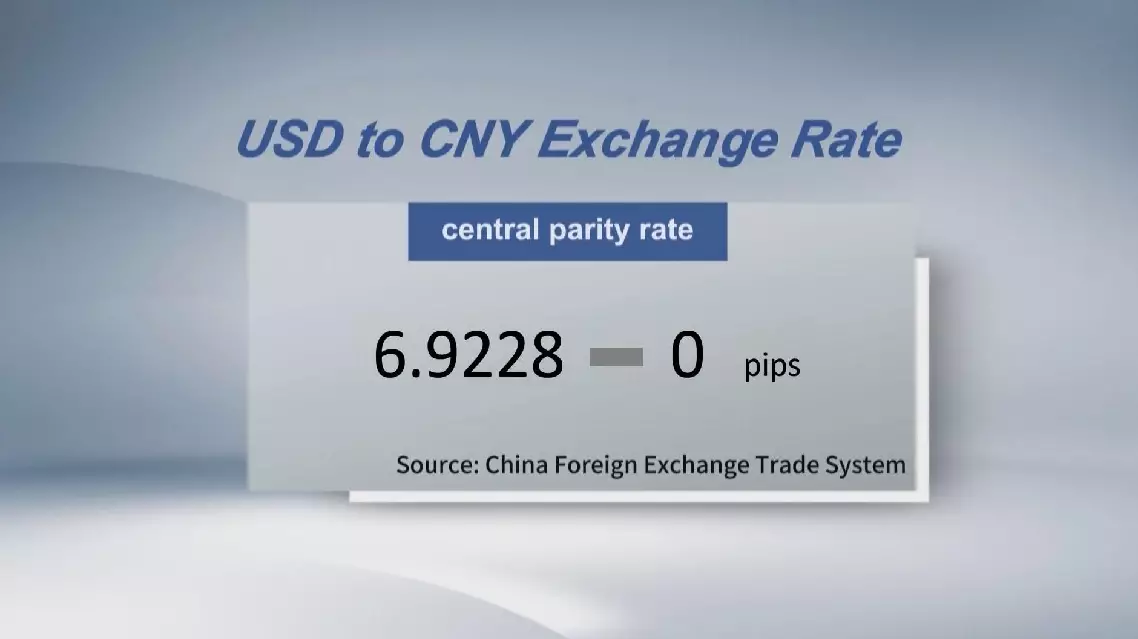
Chinese yuan flats at 6.9228 against USD Friday
China's Minister of Commerce Wang Wentao outlined the key priorities of the 32nd Asia-Pacific Economic Cooperation (APEC) Ministers Responsible for Trade Meeting, which opened on Friday in Suzhou, East China's Jiangsu province.
In an interview with CGTN ahead of the two-day meeting, Wang said free trade, digital cooperation and green economy are high on the agenda of the meeting.
"The key areas include advancing regional economic integration and the Free Trade Area of the Asia-Pacific, supporting the World Trade Organization (WTO) in strengthening digital cooperation and developing green economy. At present, the international situation is marked by intertwined turbulence and chaos, with intensified geopolitical instability. The rise of unilateralism and protectionism poses serious challenges to the international economic and trade order, disrupting global and Asia-Pacific development. Against this backdrop, all parties have higher expectations for this trade ministers' meeting, hoping that it can build consensus and deliver outcomes," Wang said.
This year marks China's third time hosting the APEC meetings and the 35th anniversary of its membership.
By 2025, China had become the largest trading partner of 13 APEC economies. Trade between China and APEC economies reached 3.7 trillion U.S. dollars, accounting for 57.8 percent of China's total foreign trade.
China has signed 24 free trade agreements or economic and trade arrangements with 31 countries and regions, including 15 APEC economies. In recent years, China has also completed upgrades of free trade agreements with APEC economies such as Singapore and Peru.
The minister said that China has always been a firm supporter and an important contributor to APEC.
"We have actively shared our vast market and development opportunities with all parties. China's door to the world will only open wider and wider. Facing the common challenges, China will continue to fulfill its responsibilities as a major country, further deepen reform, expand high-standard opening-up, and continue to provide new opportunities for the Asia-Pacific region and the world with its new achievements in Chinese modernization," the minister said.
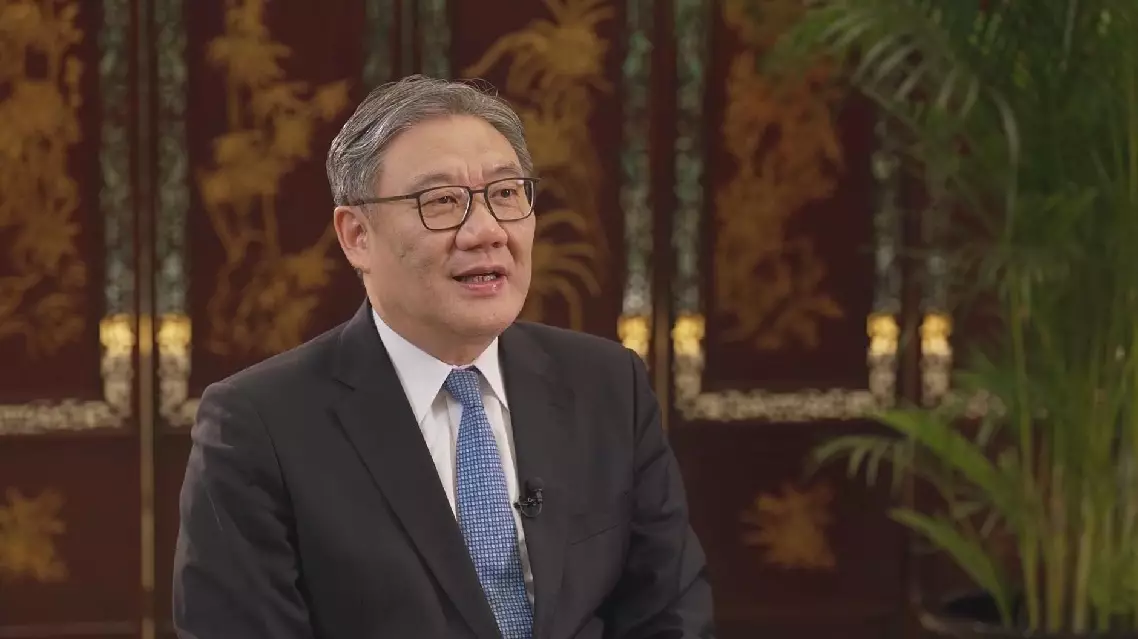
China's Commerce Minister outlines priorities for 32nd APEC trade ministers' meeting