WASHINGTON (AP) — President Donald Trump just can’t seem to choose among friends in the Texas Senate Republican primary.
So when he travels to the state on Friday for his first post- State of the Union trip, where he plans to promote his energy and economic policies, Trump will have all three candidates in the competitive race join him — just days before his party casts ballots in the primary race.
Click to Gallery
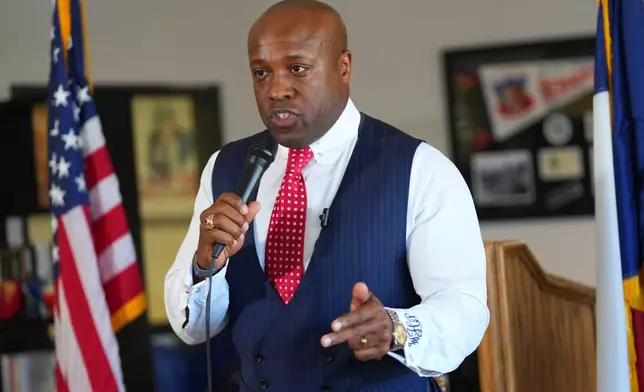
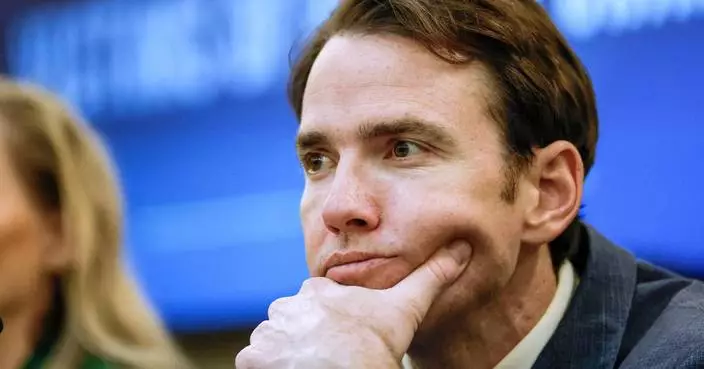
U.S. Rep. Wesley Hunt, R-Texas, speaks at a campaign event, Monday, Feb. 16, 2026, in Dallas. (AP Photo/Julio Cortez)
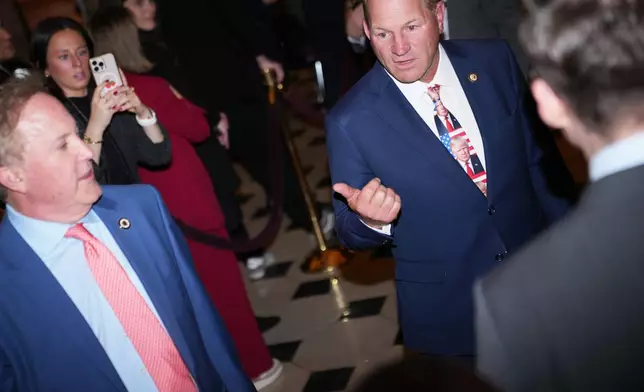
Texas Attorney General Ken Paxton and Rep. Troy Nehls, R-Texas, arrive before President Donald Trump delivers the State of the Union address to a joint session of Congress in the House chamber at the U.S. Capitol in Washington, Tuesday, Feb. 24, 2026. (AP Photo/Allison Robbert)
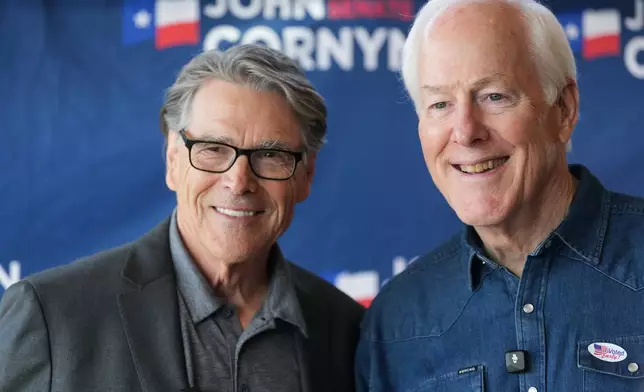
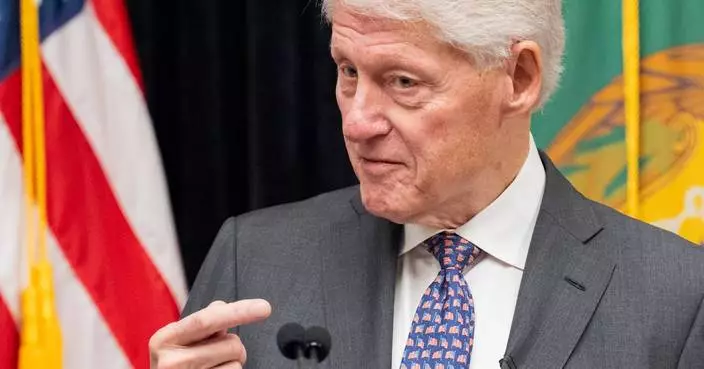
Sen. John Cornyn, R-Texas, right, is joined by former Texas Gov. Rick Perry, left, during a campaign stop in Austin, Texas, Tuesday, Feb. 17, 2026. (AP Photo/Eric Gay)
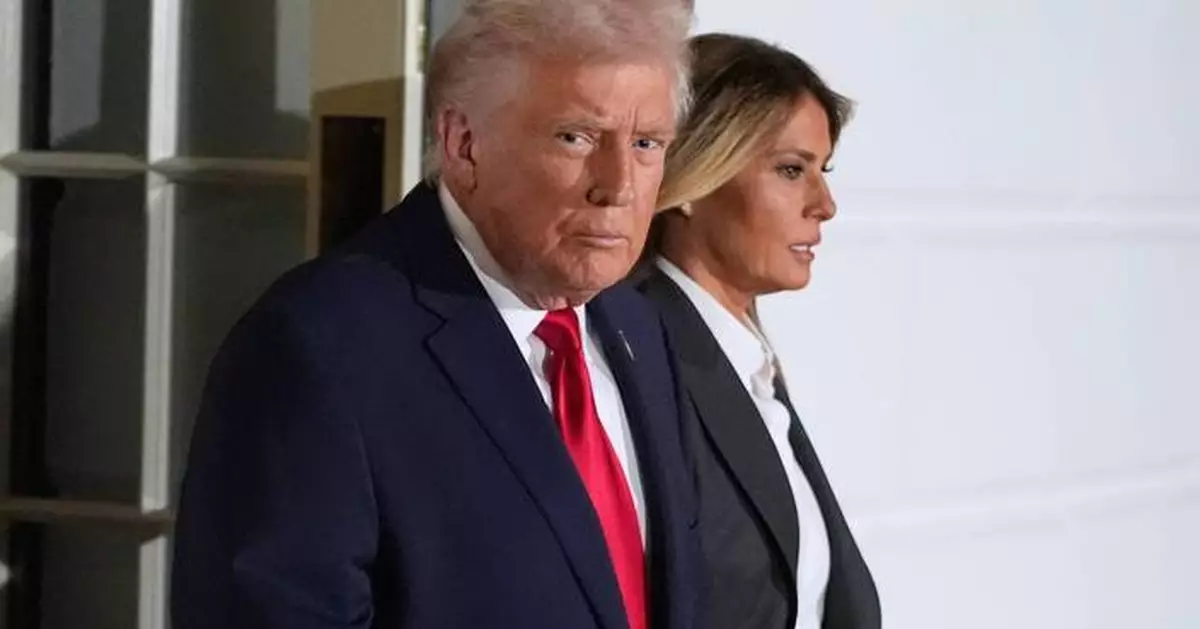
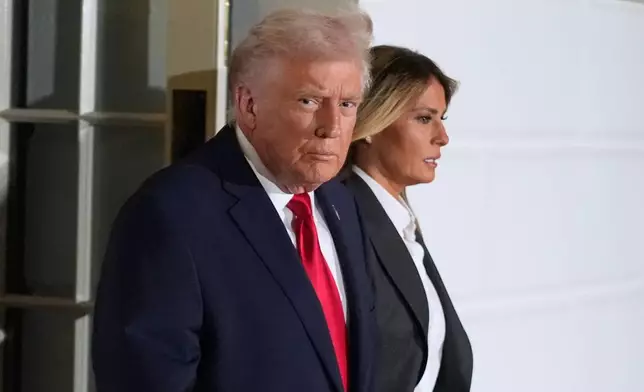
President Donald Trump and first lady Melania Trump, walk out of the White House, Tuesday, Feb. 24, 2026, to travel to the U.S. Capitol where he will deliver the State of the Union address to a joint session of Congress in the House chamber, in Washington. (AP Photo/Manuel Balce Ceneta)
Sen. John Cornyn is battling for his fifth term and is being challenged by state Attorney General Ken Paxton and Rep. Wesley Hunt in a primary fight that has become viciously personal. And all three men, missing the coveted endorsement from Trump, have been trying to highlight their ties to him as they ramp up their campaigning ahead of Tuesday’s vote.
For his part, Trump will be seeking to ride the message of his State of the Union address from Tuesday, where he declared a return to economic prosperity and a more secure America — two centerpiece arguments for Republicans as they campaign to keep their congressional majorities this fall.
Trump’s hesitation to endorse in the Texas Senate primary speaks to the tricky dynamics of the race.
Cornyn is unpopular with a segment of Texas’ GOP base, in part for his early dismissiveness of Trump’s 2024 comeback campaign and for his role in authoring tougher restrictions on guns after the 2022 school shooting in Uvalde, Texas. But Senate GOP leadership and allied groups see Cornyn as the stronger general election candidate, in light of a series of troubles that have shadowed Paxton.
Paxtonbeat impeachment on fraud charges in 2023, and has faced allegations of marital infidelity by his wife, state Sen. Angela Paxton.
Senate Majority Leader John Thune and South Carolina Sen. Tim Scott, chairman of the National Republican Senatorial Committee, have urged Trump to endorse Cornyn. They and allied campaign groups argue that the seat would cost the party hundreds of millions more to defend with Paxton as the candidate.
“It is a strong possibility we cannot hold Texas if John Cornyn is not our nominee,” Scott told Fox News on Wednesday.
Hunt, a second-term Houston-area representative, was a later entry to the race, but claims a kinship with Trump, having endorsed him early in the 2024 race. Hunt campaigned regularly for Trump and earned a prime-time speaking slot at the Republican National Convention in Milwaukee.
If no candidate reaches 50% in Tuesday’s primary, the top two finishers will advance to a May 26 runoff.
Cornyn’s campaign and a half-dozen allied groups have poured more than $63 million into the race since last fall, chiefly trying to slow Paxton but recently attacking Hunt in an effort to keep him from making it to the runoff.
Earlier this month, Trump feinted toward weighing in on the race when he said he was taking “a serious look” at endorsing in the Texas primary. He has since reaffirmed his neutrality.
Still, you wouldn’t know it from watching TV in Texas. Cornyn has been airing ads since last year touting his support for Trump's agenda, even though his relationship with the president has been cool at times. Paxton and Hunt both have ads airing now featuring them standing with Trump.
“I like all three of them, actually. Those are the toughest races. They’ve all supported me. They’re all good. You’re supposed to pick one, so we’ll see what happens. But I support all three,” Trump said earlier this month.
The GOP battle comes as Democrats have a contested primary of their own in Texas between state Rep. James Talarico, a self-described policy wonk who regularly quotes the Bible, and progressive favorite U.S. Rep. Jasmine Crockett.
Trump hasn’t been shy about wading into other contested Republican primaries in the state. Parts of Corpus Christi fall within Texas’ 34th congressional district, where former Rep. Mayra Flores is fighting to reclaim her seat against the Trump-endorsed Eric Flores. (The two are not related.) The winner of the primary will face off against Democratic Rep. Vicente Gonzalez, long a target of the GOP, whose district was redrawn to make it easier for a Republican to win.
Eric Flores will be at the Trump event at the Port of Corpus Christi, which technically is located in a neighboring district.
Elsewhere in the state, the president has also endorsed Rep. Tony Gonzales, who is fighting calls from his own party to resign from Congress after reports of an alleged affair with a former staffer who later died after she set herself on fire. Gonzales is refusing to step down and has said that there will be “opportunities for all of the details and facts to come out” and that the stories about the situation do not represent “all the facts.”
Gonzales is facing a primary challenge from Brandon Herrera, a gun manufacturer and gun rights influencer who Gonzales defeated by fewer than 400 votes in their 2024 runoff. The White House did not return a request for comment on Thursday on whether Trump stands by his endorsement of Gonzales.
Beaumont reported from Des Moines, Iowa. Associated Press writer Jonathan J. Cooper in Phoenix contributed to this report.
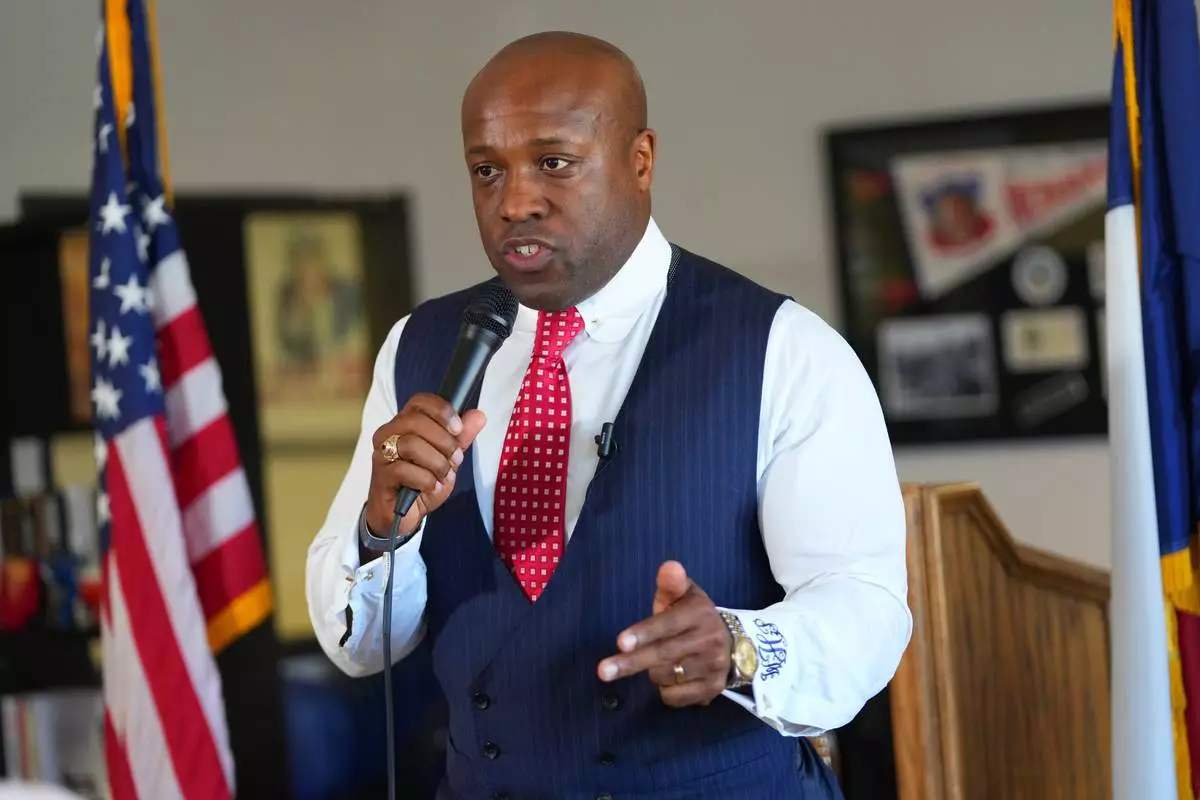
U.S. Rep. Wesley Hunt, R-Texas, speaks at a campaign event, Monday, Feb. 16, 2026, in Dallas. (AP Photo/Julio Cortez)
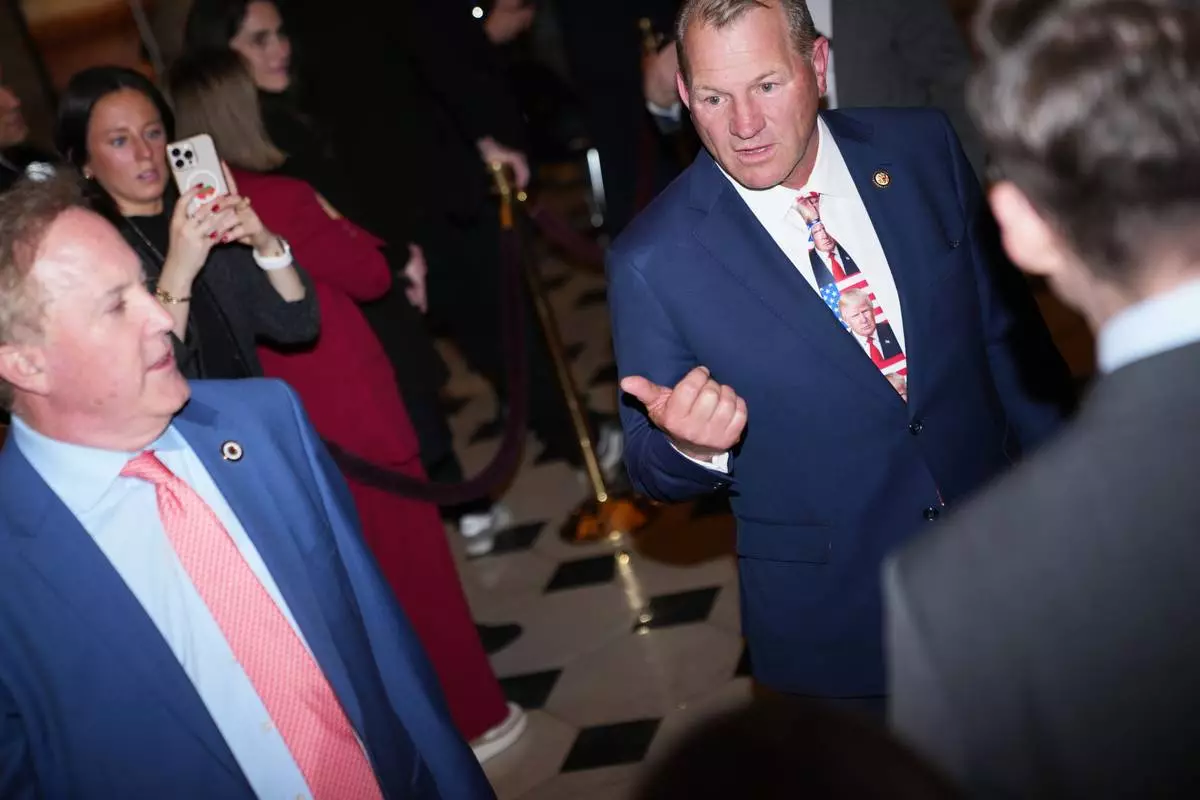
Texas Attorney General Ken Paxton and Rep. Troy Nehls, R-Texas, arrive before President Donald Trump delivers the State of the Union address to a joint session of Congress in the House chamber at the U.S. Capitol in Washington, Tuesday, Feb. 24, 2026. (AP Photo/Allison Robbert)
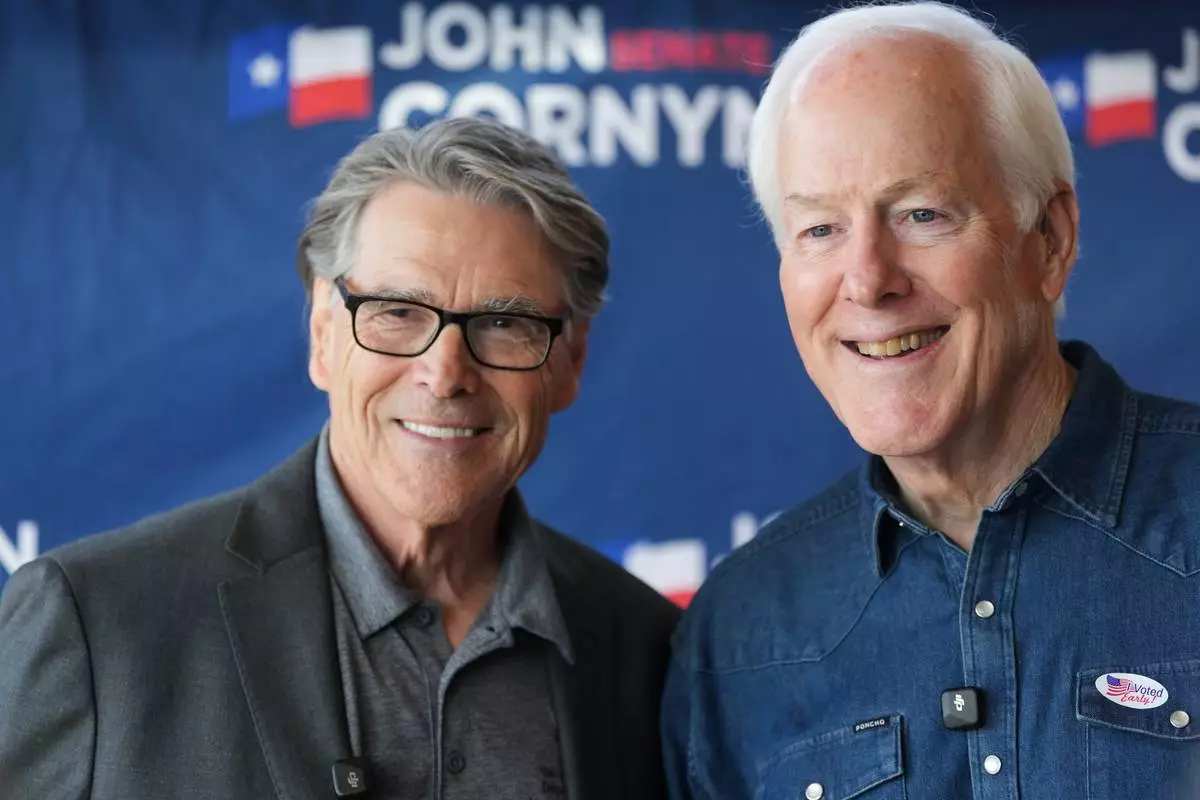
Sen. John Cornyn, R-Texas, right, is joined by former Texas Gov. Rick Perry, left, during a campaign stop in Austin, Texas, Tuesday, Feb. 17, 2026. (AP Photo/Eric Gay)
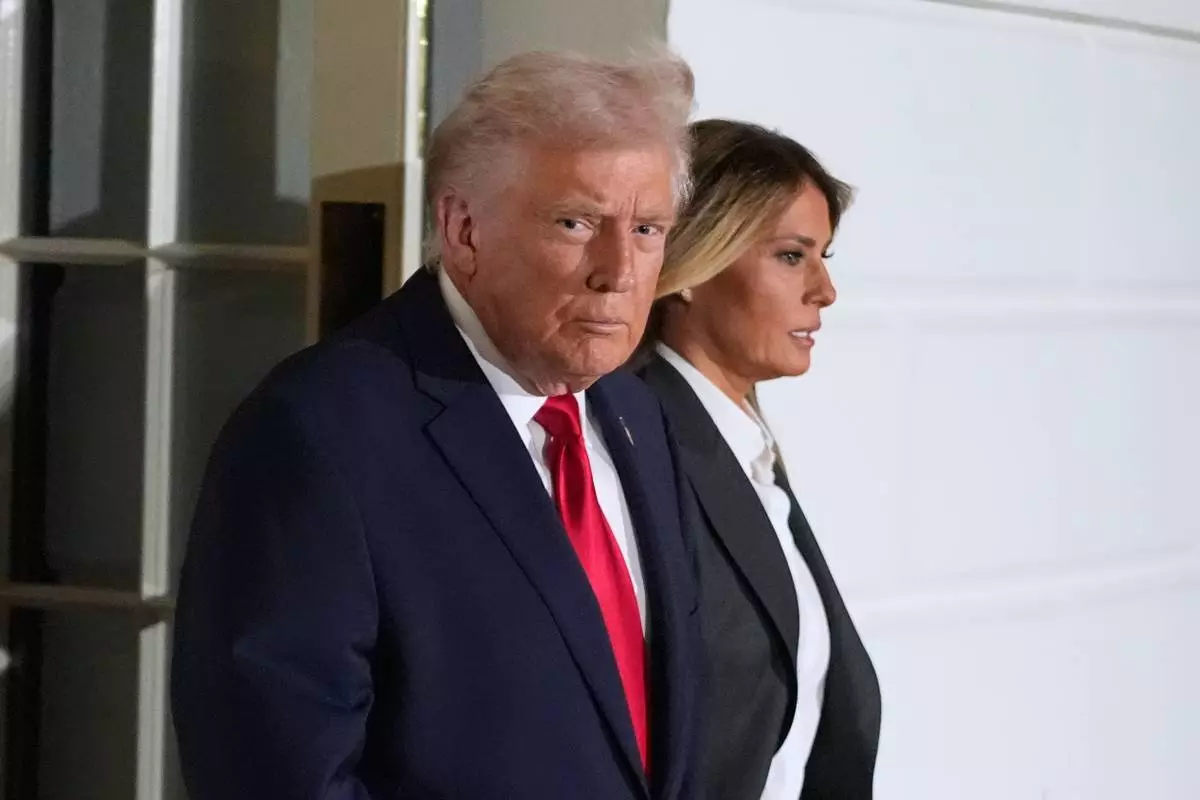
President Donald Trump and first lady Melania Trump, walk out of the White House, Tuesday, Feb. 24, 2026, to travel to the U.S. Capitol where he will deliver the State of the Union address to a joint session of Congress in the House chamber, in Washington. (AP Photo/Manuel Balce Ceneta)
BEIRUT (AP) — As wounded anti-government protesters poured into an Iranian hospital during last month’s crackdown, a young doctor hurried to the emergency room to help treat a man in his 40s who had been shot in the head at close range.
When the doctor and others tried to resuscitate the man, a group of armed, plainclothes security agents blocked their way, pushing some back with their rifles, the doctor told The Associated Press.
“They surrounded him and didn’t allow us to move further,” the doctor in the northern city of Rasht said.
Minutes later, the man was dead. The agents put his body in a black body bag. Later, they piled it and other bodies into the back of a van and drove away.
This wasn't an isolated incident.
Over the course of a few days in early January, plainclothes agents swarmed hospitals in multiple cities treating the thousands wounded by Iranian security forces who fired on crowds to quash massive protests against the 47-year-old Islamic Republic. These agents monitored and sometimes obstructed care to protesters, intimidated staff, seized protesters and took away the dead in body bags. Dozens of doctors were arrested.
This story is based on AP interviews with three doctors in Iran and six Iranian medical professionals living abroad who are in contact with colleagues on the ground; reports from human rights groups; and AP's verification of more than a dozen videos posted on social media. All of the doctors inside Iran spoke on condition of anonymity for fear of retaliation.
The AP worked with Mnemonic, a Berlin-based organization, to identify online videos, posts and other material relating to violence in hospitals.
The doctors in Iran and abroad said the level of brutality and militarization of health facilities was unprecedented in a country that for decades has experienced crackdowns on dissent and surveillance of public institutions. In at least one instance, snipers on the roof of a hospital in the northern town of Gorgan shot at approaching patients, according to a witness’ account provided by IIPHA, a U.S.-based association of Iranian health care professionals.
The Iran Human Rights Center, based in Oslo, has documented multiple accounts from inside hospitals of security agents preventing medical care, removing patients from ventilators, harassing doctors and detaining protesters.
“It is systematic," said Amiry-Moghaddam, an Iranian-Norwegian neuroscientist who founded the group. "And we have not experienced this pattern before.”
The government has blamed the protests and ensuing violence on armed foreign-backed “terrorists.”
Health Ministry spokesman Hossein Kermanpour denied reports of treatment being prevented or protesters being taken from hospitals, calling them “untrue, but also fundamentally impossible.” He was quoted in state media as saying all injured were treated “without any discrimination or interference over political opinions.” The Iranian mission at the United Nations did not immediately reply to a request for comment on the doctors' accounts.
The crackdown, which reached its height on Jan. 8 and 9, was the deadliest since the Islamic Republic took power in 1979. A complete toll of casualties and other details have been slow to emerge because of internet restrictions imposed by authorities.
The Human Rights Activists News Agency says it confirmed more than 7,000 deaths and that it is investigating thousands more. The government has acknowledged more than 3,000 killed, though it has undercounted or not reported fatalities from past unrest.
Once the crackdown began, the doctor in Rasht said he worked through 66 hours of hell, moving each day to a different facility to help with the wounded — first a trauma center, then a hospital and finally a private clinic.
On Jan. 8, “every 15 to 30 minutes, the entire emergency ward would be emptied and then refilled with new patients,” the doctor said.
It got worse on Jan. 9, as wounds from live ammunition became more common and security agents became more menacing.
Agents brought in wounded protesters and stood watch over them as staff worked, the doctor said. They burst into wards, armed with automatic rifles, threatening staff and filming patients and checking documents.
When it came time to discharge a patient, he said, “they would take anyone who was confirmed to be a protester.”
At one point, security agents brought in the body of a dead man with his hands shackled in front of his body. He had pellet shots to his abdomen and chest and a clear bullet wound to the head, he said.
He recognized the man immediately. Only moments earlier, his family had been showing his photo around the hospital, asking if he had been admitted.
Amnesty International has received credible reports that targeted, close-range shootings of protesters took place, and “at a far greater scale” than in past crackdowns on protests, said the group’s Iran researcher Raha Bahereini. Two videos verified by AP show the bodies of protesters with close-range shots and medical equipment connected to their bodies.
The doctor said he and other staff tried to hide wounded protesters by recording false diagnoses in hospital records. Gunshots to the abdomen were identified as abdominal pain; broken bones were recorded as a falling accident. One patient who had been shot in the genitals was identified as a urology patient.
“We knew that no matter what we did for the patients, they wouldn’t be safe once they stepped out of the hospital,” he said.
The AP could not independently confirm the doctor’s account of events at the hospital in Rasht. But it conformed with AP’s other reporting.
The AP verified videos posted from four hospitals as a snapshot of the Iranian security forces’ activity. Mnemonic gathered dozens of videos, posts and other accounts it says showed forces were present in and around nine hospitals, in some cases firing guns and tear gas. Mnemonic has been preserving digital evidence of human rights violations in Iran since 2022, creating with partners an archive of more than 2 million documents.
One video verified by AP shows security agents breaking through glass entrance doors into Imam Khomeini Hospital in the western city of Ilam. They then barged through the halls with their guns, yelling at people.
The Health Ministry told state media it was investigating the incident, saying it was committed to protecting medical centers, staff and patients.
Other videos verified by AP show a heavy presence of security forces surrounding three hospitals in Tehran, firing tear gas and chasing protesters.
Other doctors worked in clandestine centers to treat the wounded away from authorities.
On the night of Jan. 8, a 37-year-old general surgeon was out for dinner in Tehran when he received a call from a professional friend he hadn’t heard from in years. The friend, an ophthalmologist, spoke in vague terms, but the fear in her voice made clear she needed his help urgently. She gave him an address.
Just before midnight, he drove to the address, a clinic for cosmetic procedures. Inside, he found the lobby transformed into a trauma ward, with more than 30 wounded men, women, children and elderly on the couches and blood-covered floor, shouting and crying,
The surgeon spent nearly four days there, treating more than 90 people, he estimates, as volunteers brought in more wounded. At first, it was just him, the ophthalmologist, a dentist and two nurses.
He used cardboard boxes and pieces of soft metal as splints for broken bones. With no anesthesia or strong painkillers, he used weaker suppository analgesics. The clinic had no blood supplies or transfusion capabilities, so he administered IV drips to rehydrate them and raise their blood pressure, a process that took hours.
At some point that night, phone lines were cut off and for 12 hours, he couldn’t call for more help. They couldn’t send patients to hospitals for fear they’d be arrested.
One woman, in her 30s, had been hit by bird shot at close range, destroying the roof of her mouth and the area around her nose and below her eyes, the surgeon recalled.
A young man in his 20s had been shot with live ammunition in his elbow, shattering it. The surgeon sutured the wounds but knew the arm would have to be amputated.
A family of four — a mother, father and their 8- and 10-year-old children — were all riddled with pellets, the surgeon said. The older boy had dozens of pellets in his face, but amazingly none hit his eyes.
On the morning of Jan. 9, the phone lines started working again, and the surgeon reached out to doctors he trusted to refer patients to them. First he had to make sure to remove all bullets and pellets from their bodies so they wouldn’t be detained at the hospital. He wrote referral letters saying the patients had been in car accidents.
The surgeon summoned three other doctors to help in the hidden clinic. When new wounded were brought in, the patients who had been stabilized applauded and flashed victory signs to them, he said.
“They started to make the atmosphere happy through their pain. … I just couldn’t believe that moment,” the surgeon said, his voice breaking. “It was so human.”
None of the wounded died at the clinic, though two dead bodies with gunshot wounds to the head were brought in, he said. The AP could not independently confirm the surgeon's account of events at the clinic.
Since Jan. 9, at least 79 health care professionals have been detained, including a dozen medical students, according to Homa Fathi, an Iranian dentist pursuing a Ph.D. in Canada and member of IIPHA who has been monitoring Iranian government action against health professionals since 2022. Many of those detained were accused of resisting security agents’ orders or other charges connected to providing medical care to protesters, said Fathi.
Around 30 have been released, most on bail, but many of them still face charges, including one accused of “waging war against God,” a charge that carries a death penalty, Fathi said. Authorities are also keeping some doctors under surveillance at home to ensure they don’t receive or visit wounded protesters — an unprecedented level of control, she said.
The surgeon who treated protesters at the secret clinic said he was surprised security forces never stormed that location to make arrests.
But arrests have come since. Two health care workers who volunteered at the clinic were seized from their homes, the surgeon said.
“I am waiting, too.”
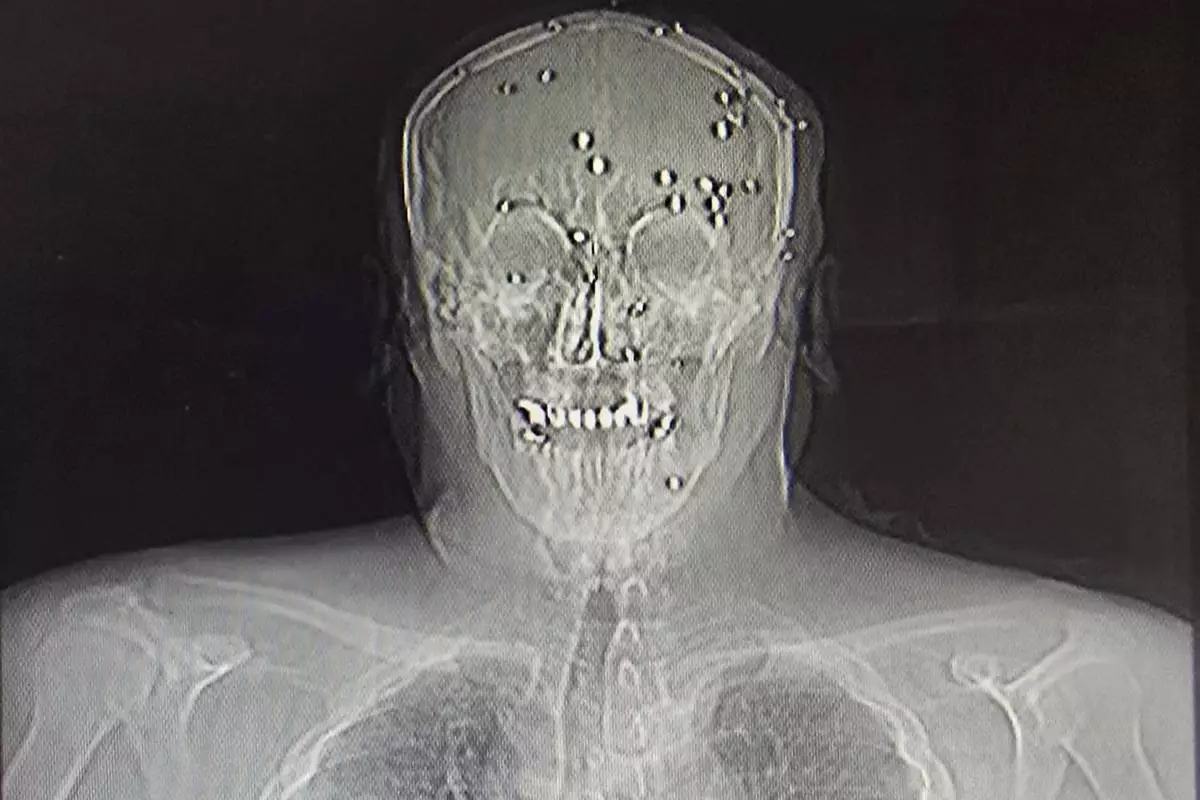
This is a photo of an X-ray image taken Jan. 9, 2026, obtained outside Iran, showing an Iranian protester who was hit in the face by pellets in Rasht, northern Iran. (UGC via AP)
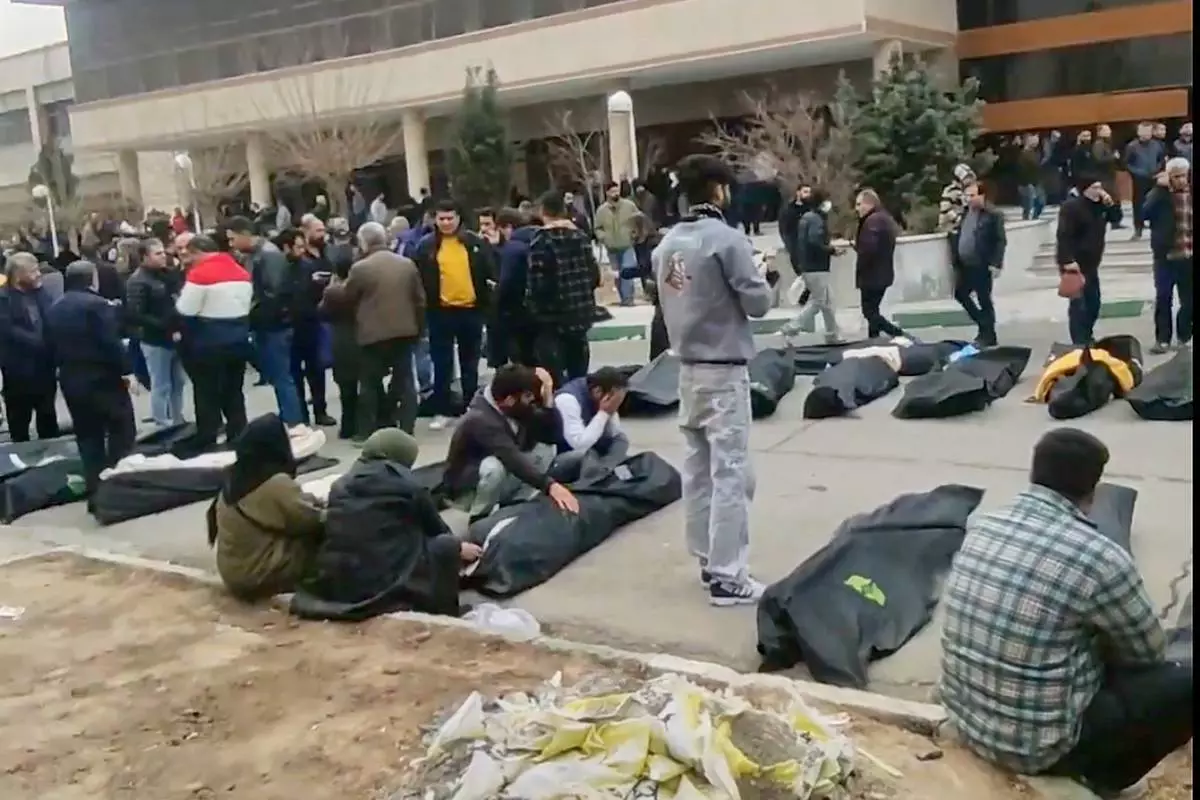
FILE - This image from video taken between Jan. 9 and Jan. 11, 2026, and verified by AP, shows bodies and mourners outside a morgue in Iran, following a crackdown on protests in Kahrizak, Tehran province. (UGC via AP, File)
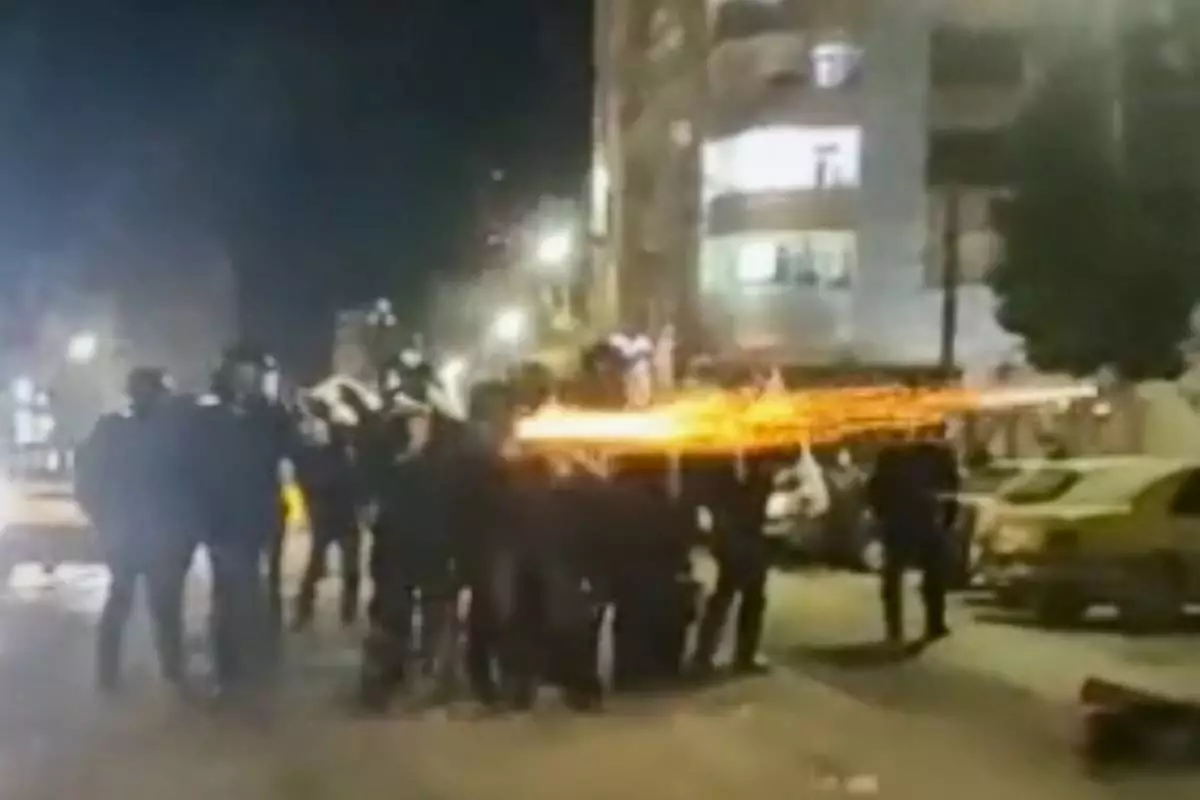
FILE - This image from a video verified by AP shows Iranian security forces shooting into the courtyard outside the Imam Khomeini Hospital, in Ilam, Iran, Jan. 4, 2026. (UGC via AP, File)
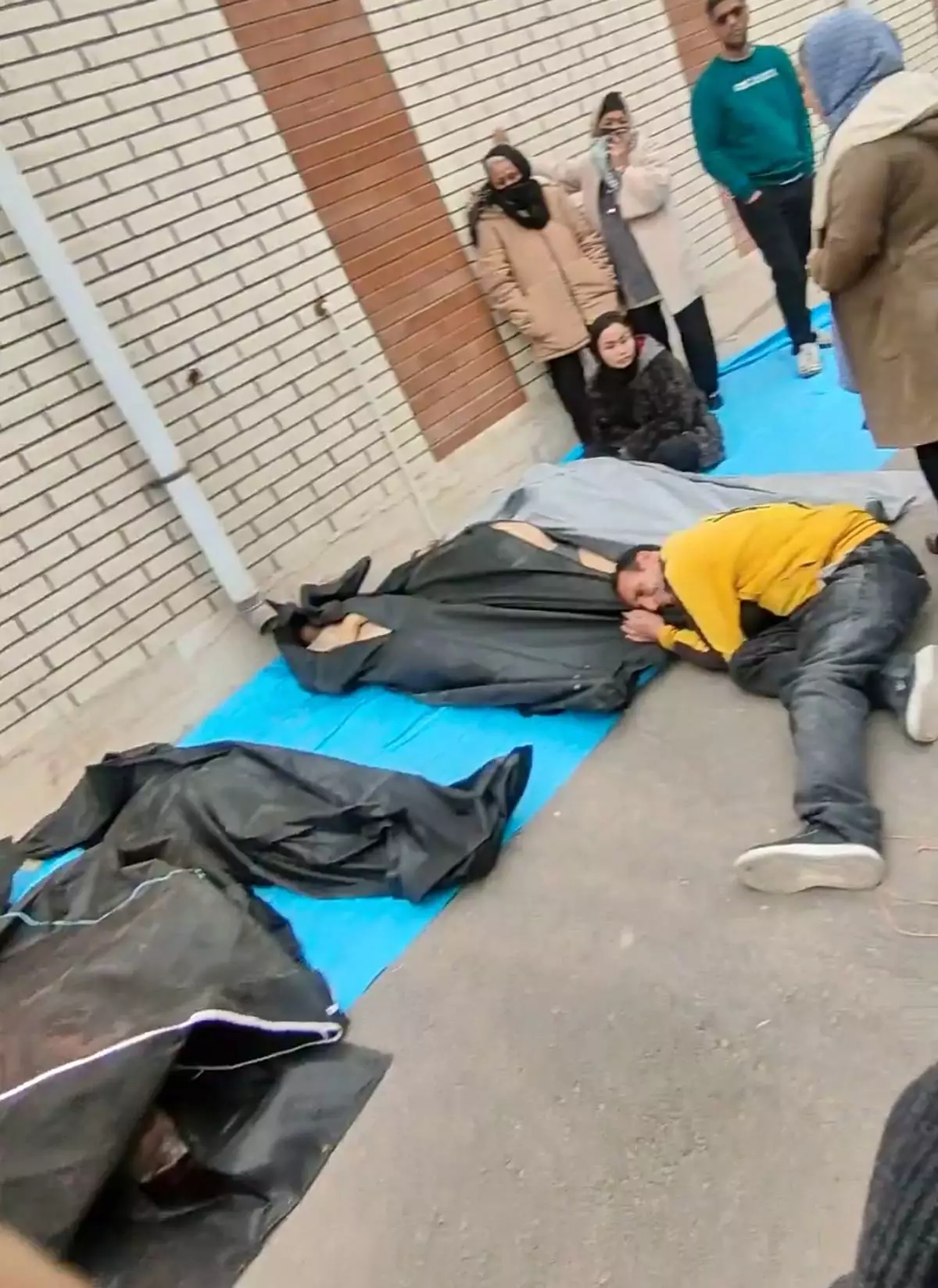
FILE - This image from video taken between Jan. 9 and Jan. 11, 2026, and verified by AP, shows bodies and mourners outside a morgue in Iran, following a crackdown on protests in Kahrizak, Tehran province. (UGC via AP, File)
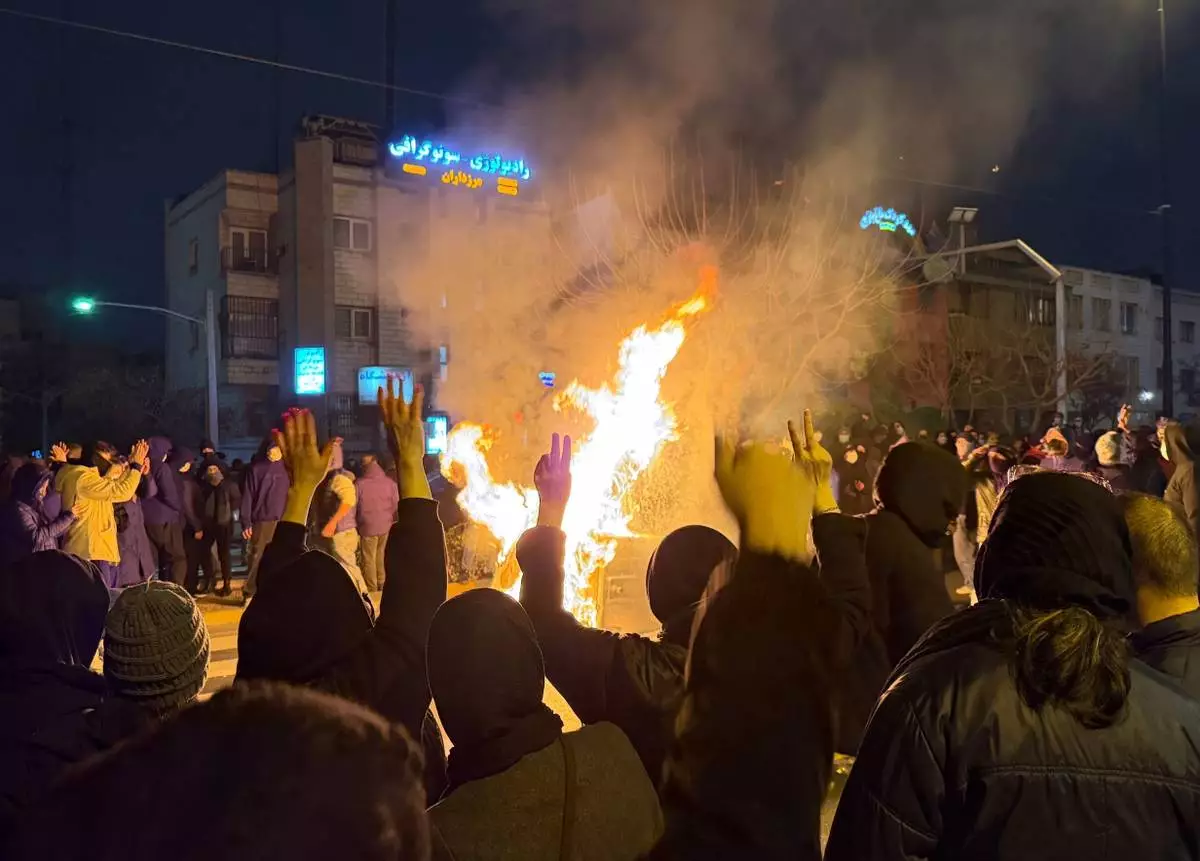
FILE - In this photo obtained by The Associated Press, Iranians attend an anti-government protest in Tehran, Iran, Jan. 9, 2026. (UGC via AP, File)