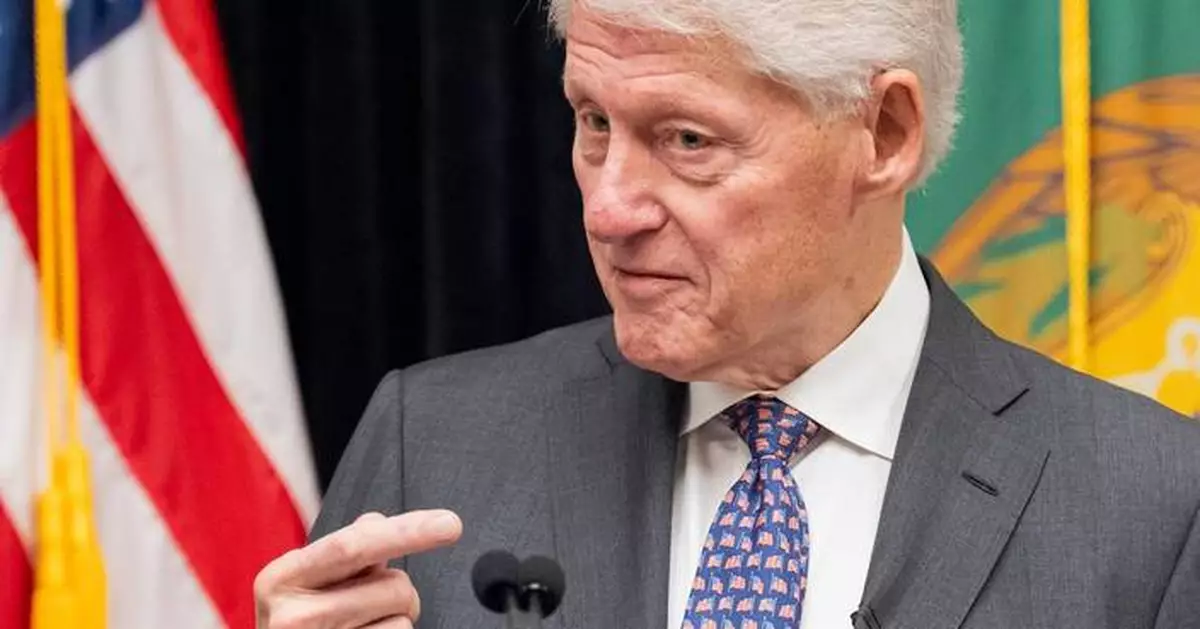
WASHINGTON (AP) — Former President Bill Clinton told members of Congress on Friday that he “did nothing wrong” in his relationship with Jeffrey Epstein and saw no signs of his abuse, yet he faced hours of grilling from lawmakers over his connections to the disgraced financier from more than two decades ago.
“I saw nothing, and I did nothing wrong,” the former Democratic president said in an opening statement he shared on social media at the outside of the deposition.
Click to Gallery
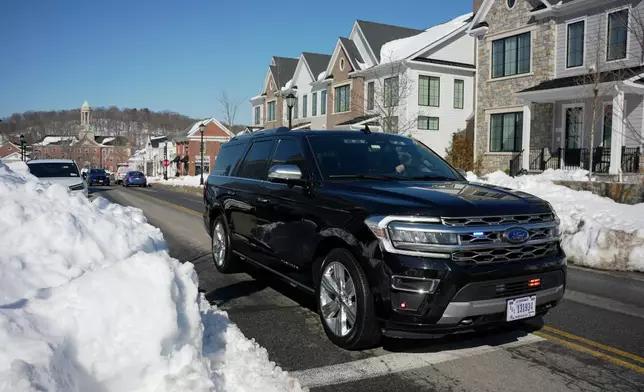
A motorcade carrying former President Bill Clinton approaches the Chappaqua Performing Arts Center where Clinton is scheduled to testify before U.S. House lawmakers as part of a congressional investigation into convicted sex offender Jeffrey Epstein, Friday, Feb. 27, 2026, in Chappaqua, N.Y. (AP Photo/Angelina Katsanis)
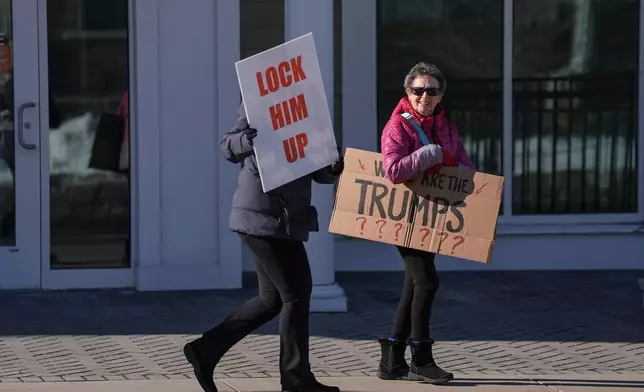
Demonstrators walk around outside the Chappaqua Performing Arts Center while awaiting the arrival of former President Bill Clinton who is testifying before U.S. House lawmakers as part of a congressional investigation into convicted sex offender Jeffrey Epstein, , Friday, Feb. 27, 2026, in Chappaqua, N.Y. (AP Photo/Angelina Katsanis)
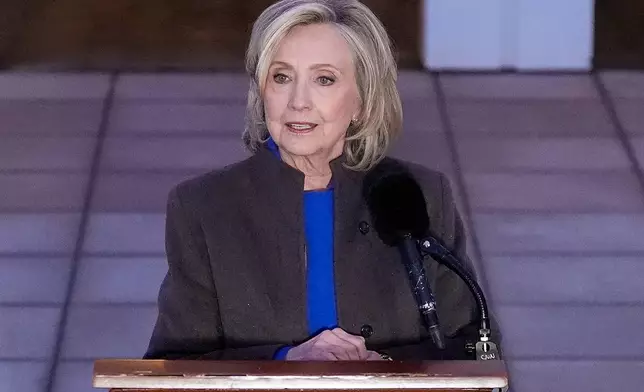
Former Secretary of State Hillary Clinton speaks outside the Chappaqua Performing Arts Center, after testifying before U.S. House lawmakers as part of a congressional investigation into convicted sex offender Jeffrey Epstein, Thursday, Feb. 26, 2026, in Chappaqua, N.Y. (AP Photo/Yuki Iwamura)
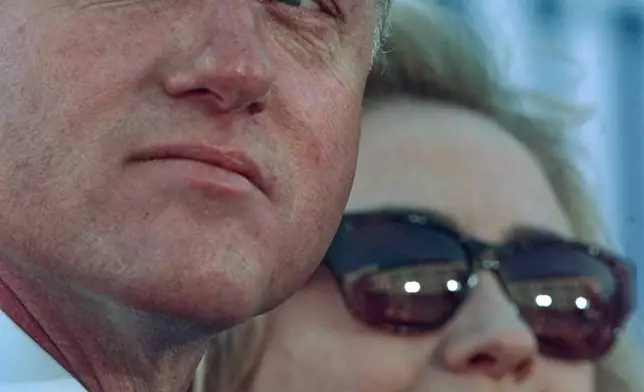
FILE - President Clinton sits with first lady Hillary Clinton during a campaign rally in San Antonio, Nov. 2, 1996. (AP Photo/Greg Gibson, file)
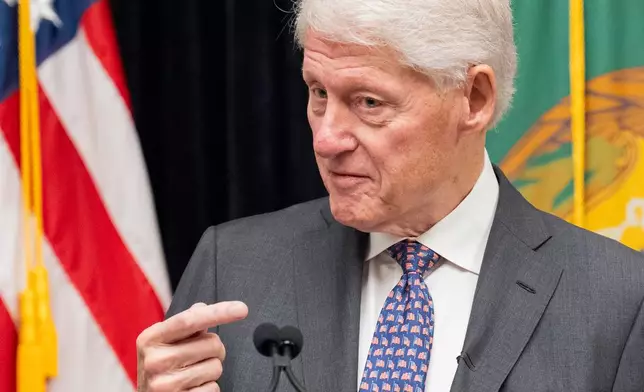
FILE - Former President Bill Clinton speaks in the Cash Room of the Treasury Department during an event for the anniversary of the Community Development Financial Institutions Fund,, Nov. 21, 2024, in Washington. (AP Photo/Jacquelyn Martin, File)
The closed-door deposition in Chappaqua, New York, marks the first time a former president has been compelled to testify to Congress. It came a day after Clinton's wife, former Secretary of State Hillary Clinton, sat with lawmakers for her own deposition.
Bill Clinton has also not been accused of any wrongdoing. Yet lawmakers are grappling with what accountability in the United States looks like at a time when men around the world have been toppled from their high-powered posts for maintaining their connections with Epstein after he pleaded guilty in 2008 to state charges in Florida for soliciting prostitution from an underage girl.
“Men — and women for that matter — of great power and great wealth from all across the world have been able to get away with a lot of heinous crimes and they haven’t been held accountable and they have not even had to answer questions,” said Republican Rep. James Comer, the chair of the House Oversight Committee, before the deposition began Friday.
Hillary Clinton told lawmakers Thursday that she had no knowledge of how Epstein had sexually abused underage girls and had no recollection of even meeting him. But Bill Clinton will have to answer questions on a well-documented relationship with Epstein and his former girlfriend Ghislaine Maxwell, even if it was from the late 1990s and early 2000s.
Hillary Clinton said Thursday that she expected her husband to testify that he had no knowledge of Epstein's sexual abuse at the time they knew each other.
Republicans were relishing the opportunity to scrutinize the former Democratic president under oath.
“No one’s accusing anyone of any wrongdoing, but I think the American people have a lot of questions,” Comer said.
Republicans have wanted to question Bill Clinton about Epstein for years, especially as conspiracy theories arose following Epstein's 2019 suicide in a New York jail cell while he faced sex trafficking charges.
Those calls reached a fever pitch late last year when several photos of the former president surfaced in the Department of Justice's first release of case files on Epstein and Maxwell, a British socialite who was convicted of sex trafficking in December 2021 but maintains she's innocent. Bill Clinton was photographed on a plane seated alongside a woman, whose face is redacted, with his arm around her. Another photo showed Clinton and Maxwell in a pool with another person whose face was redacted.
Epstein also visited the White House several times during Clinton's presidency, and the pair later made several international trips together for their humanitarian work. Comer claimed the committee has collected evidence that Epstein visited the White House 17 times and that Bill Clinton flew on Epstein's airplane 27 times.
In the lead-up to the deposition, Bill Clinton has insisted he had limited knowledge about Epstein and was unaware of any sexual abuse he committed.
“I think the chronology of the connection that he had with Epstein ended several years before anything about Epstein's criminal activities came to light,” Hillary Clinton said at the conclusion of her deposition Thursday.
Comer has pledged extensive questioning of the former president. He claimed that Hillary Clinton had repeatedly deferred questions about Epstein to her husband.
The committee was working to publish a transcript and video recording of her deposition.
Democrats, who have supported the push to get answers from Bill Clinton, are arguing that it sets a precedent that should also apply to President Donald Trump, a Republican who had his own relationship with Epstein.
“I think that President Trump needs to man up, get in front of this committee and answer the questions and stop calling this investigation a hoax,” said Rep. Robert Garcia, the top Democrat on the committee, on Friday.
Comer has pushed back on that idea, saying that Trump has answered questions on Epstein from the press.
Democrats are also calling for the resignation of Trump's Commerce Secretary Howard Lutnick. Lutnick was a longtime neighbor of Epstein in New York City but said on a podcast that he severed ties with Epstein following a 2005 tour of Epstein’s home that disturbed Lutnick and his wife.
The public release of case files showed that Lutnick actually had two engagements with Epstein years later. He attended a 2011 event at Epstein's home, and in 2012 his family had lunch with Epstein on his private island.
“He should be removed from office and at a minimum should come before the committee,” Garcia said of Lutnick.
Republican Rep. Nancy Mace questioned Hillary Clinton about Lutnick's relationship to Epstein during the deposition on Thursday. On Friday morning, Mace joined in calling for the commerce secretary to come before the committee.
“I believe we will have the votes to subpoena him,” Democratic Rep. Ro Khanna said.
Follow the AP's coverage of Jeffrey Epstein at https://apnews.com/hub/jeffrey-epstein.
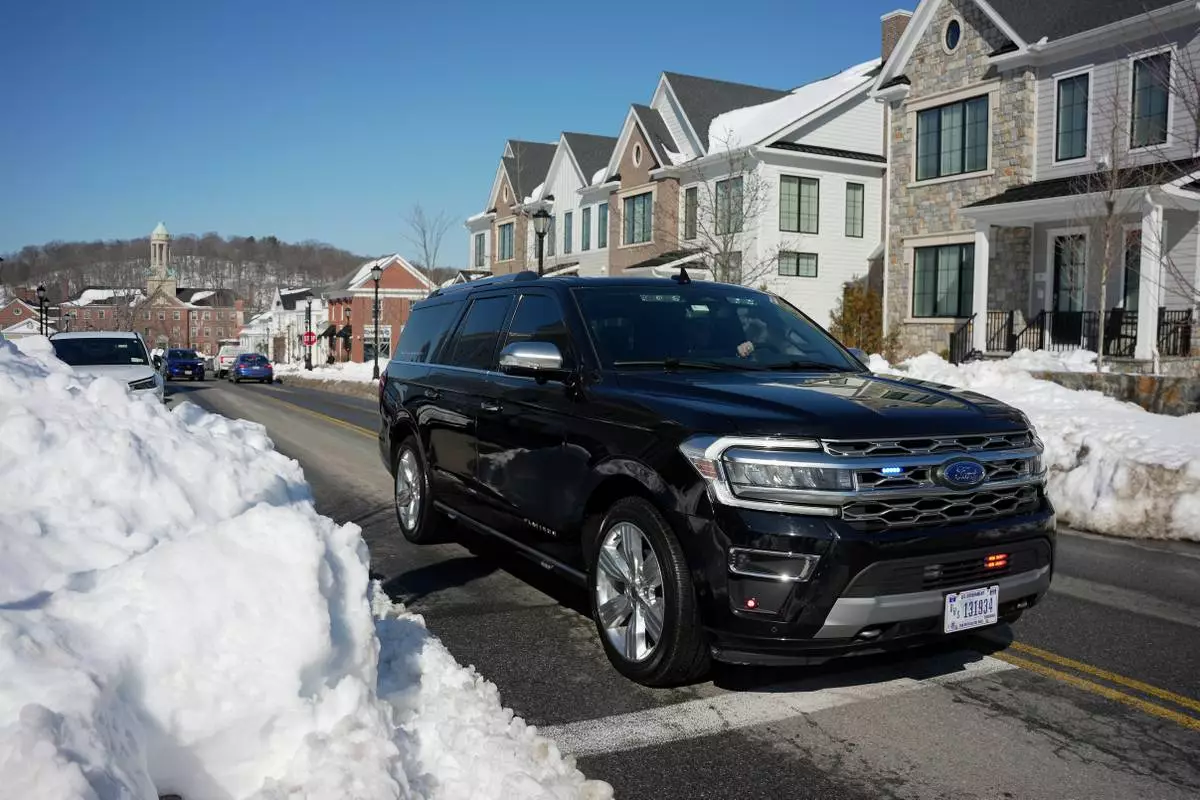
A motorcade carrying former President Bill Clinton approaches the Chappaqua Performing Arts Center where Clinton is scheduled to testify before U.S. House lawmakers as part of a congressional investigation into convicted sex offender Jeffrey Epstein, Friday, Feb. 27, 2026, in Chappaqua, N.Y. (AP Photo/Angelina Katsanis)
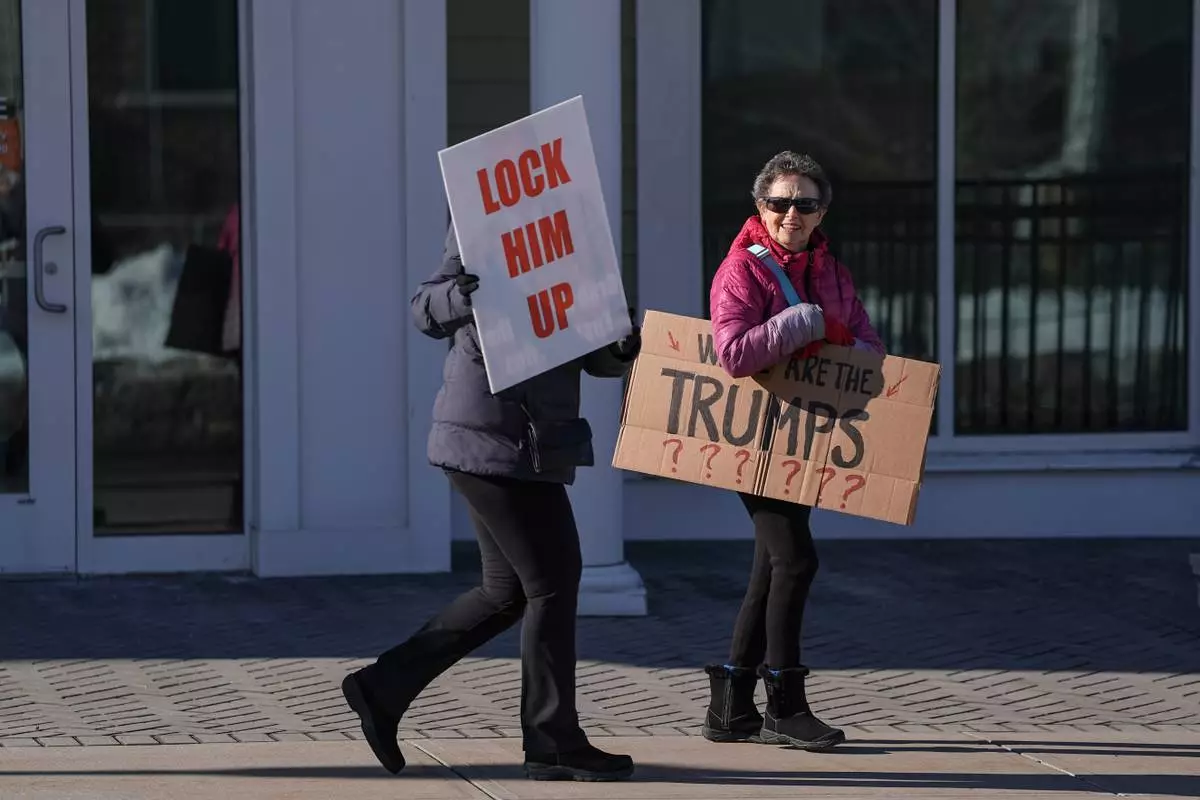
Demonstrators walk around outside the Chappaqua Performing Arts Center while awaiting the arrival of former President Bill Clinton who is testifying before U.S. House lawmakers as part of a congressional investigation into convicted sex offender Jeffrey Epstein, , Friday, Feb. 27, 2026, in Chappaqua, N.Y. (AP Photo/Angelina Katsanis)
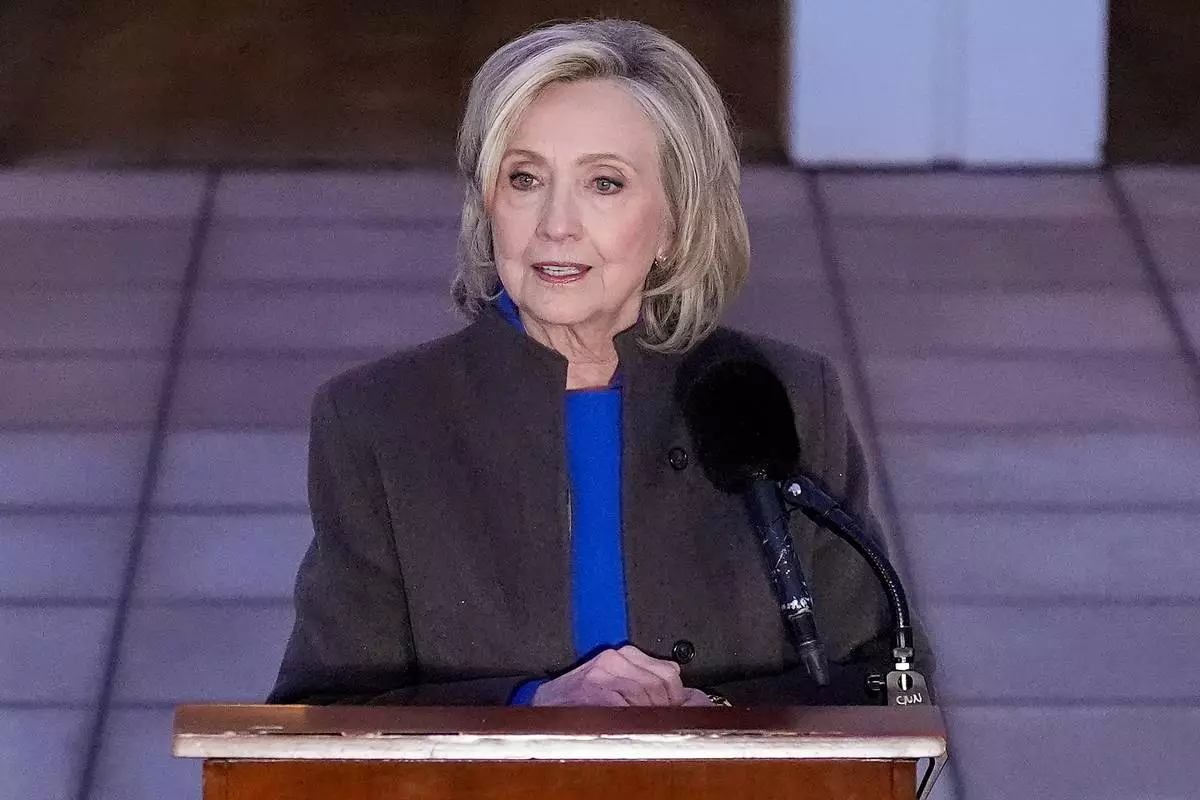
Former Secretary of State Hillary Clinton speaks outside the Chappaqua Performing Arts Center, after testifying before U.S. House lawmakers as part of a congressional investigation into convicted sex offender Jeffrey Epstein, Thursday, Feb. 26, 2026, in Chappaqua, N.Y. (AP Photo/Yuki Iwamura)
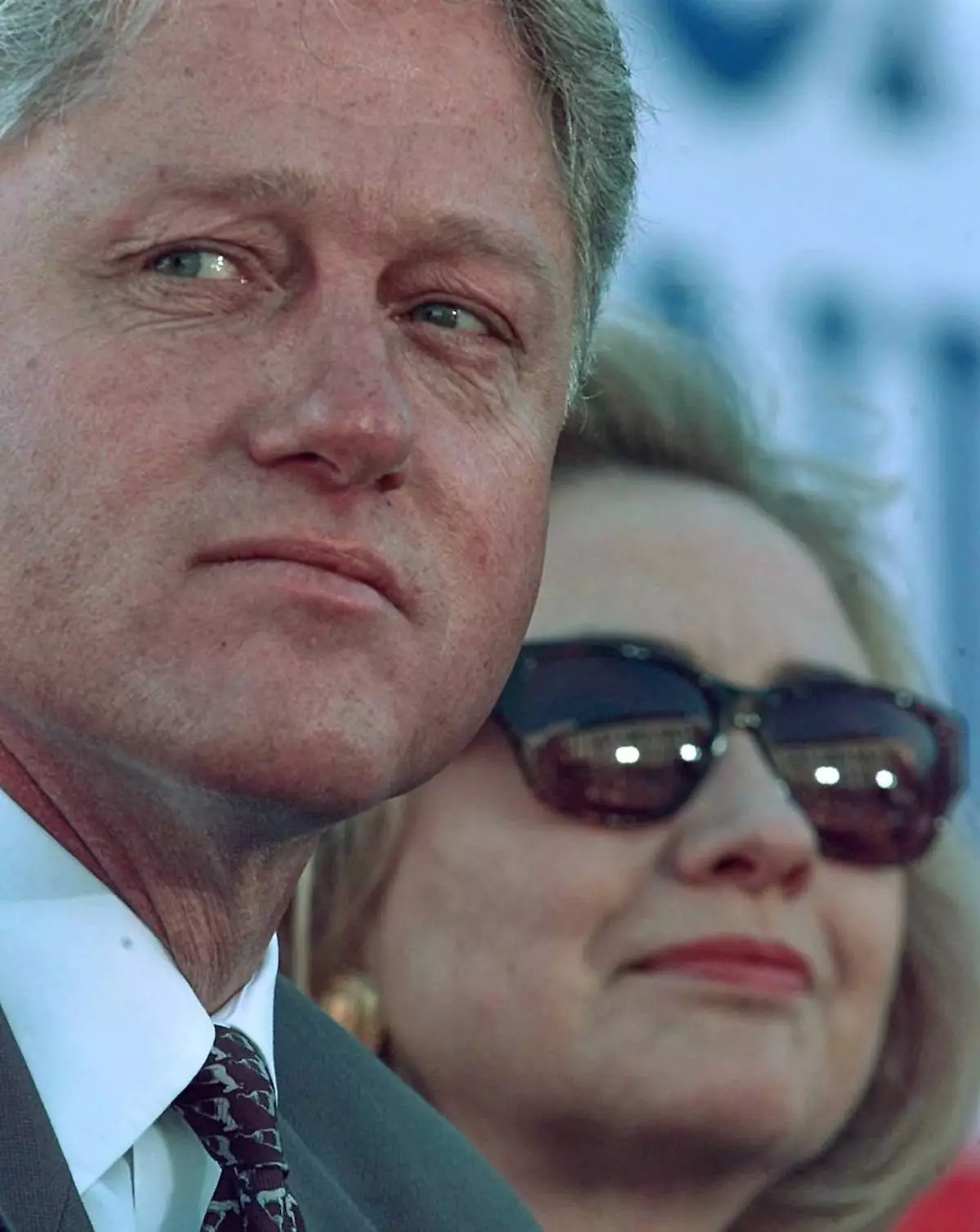
FILE - President Clinton sits with first lady Hillary Clinton during a campaign rally in San Antonio, Nov. 2, 1996. (AP Photo/Greg Gibson, file)
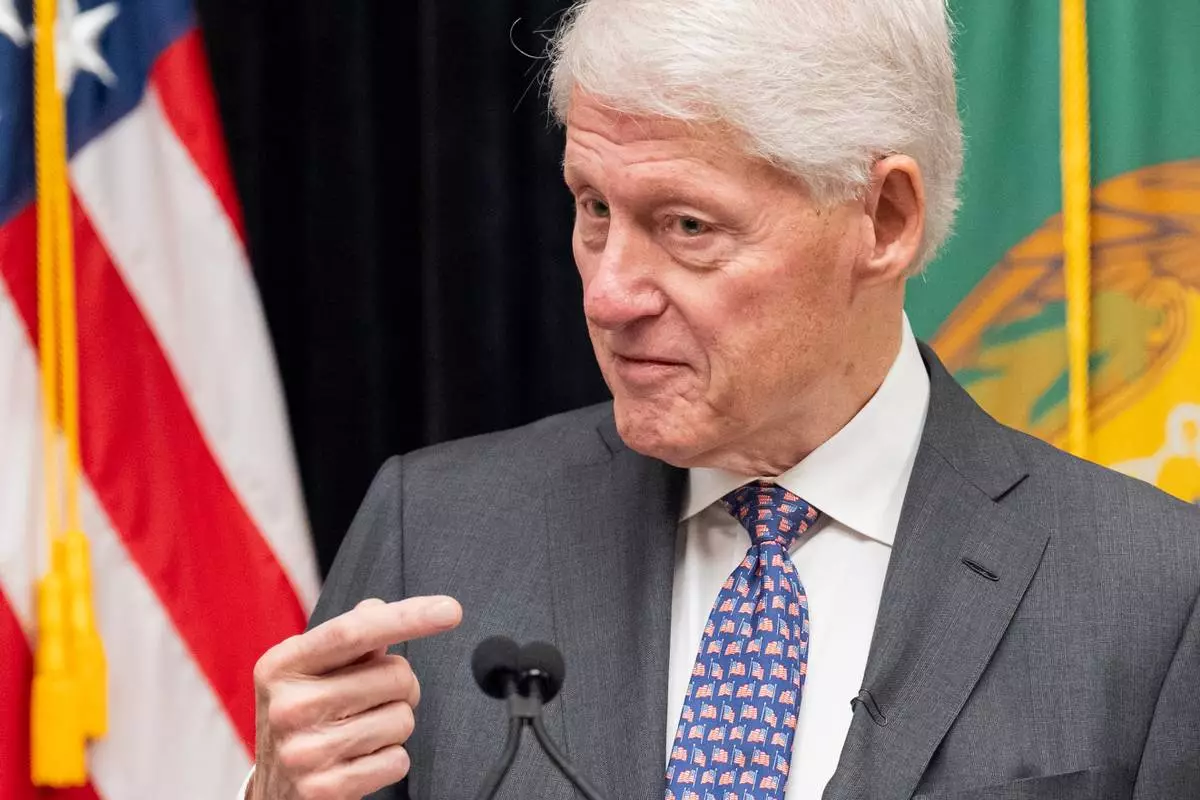
FILE - Former President Bill Clinton speaks in the Cash Room of the Treasury Department during an event for the anniversary of the Community Development Financial Institutions Fund,, Nov. 21, 2024, in Washington. (AP Photo/Jacquelyn Martin, File)