KOYA, Iraq (AP) — Public tensions have surfaced between the exiled son of Iran’s last shah and a coalition of Kurdish Iran dissident groups in recent days.
The frictions have highlighted cracks in the Iranian opposition in the wake of mass anti-government protests and a brutal crackdown and as the country faces a potential war if negotiations with the U.S. to reach a nuclear deal fail.
Click to Gallery
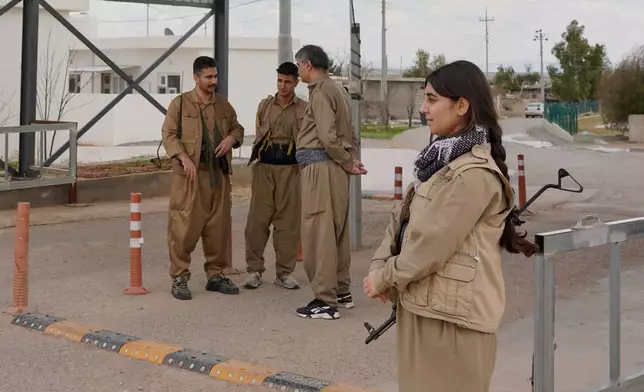
Members of the Democratic Party of Iranian Kurdistan PDKI stand at a checkpoint leading to their base in the Koya district of Irbil, Iraq, Friday, Feb. 27, 2026. (AP Photo/Rashid Yahya)
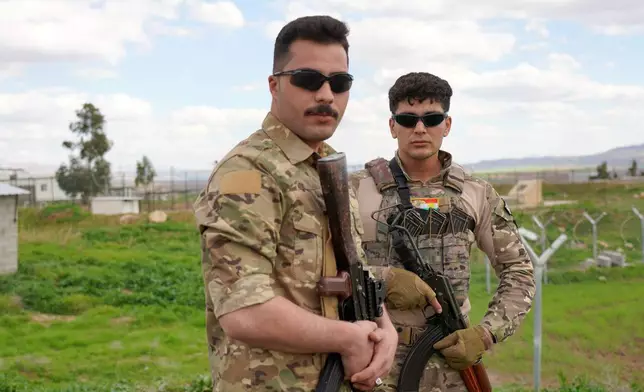
Members of the Democratic Party of Iranian Kurdistan PDKI stand at a checkpoint leading to their base in the Koya district of Irbil, Iraq, Friday, Feb. 27, 2026. (AP Photo/Rashid Yahya)
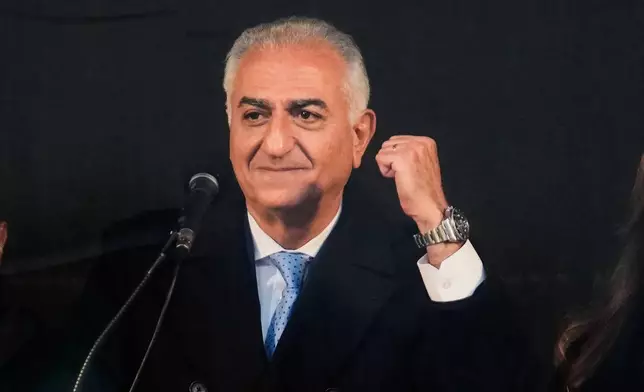
Iran's exiled Crown Prince Reza Pahlavi, speaks to supporters at a demonstration during the Munich Security Conference in Munich, Germany, Saturday, Feb. 14, 2026. (AP Photo/Ebrahim Noroozi)
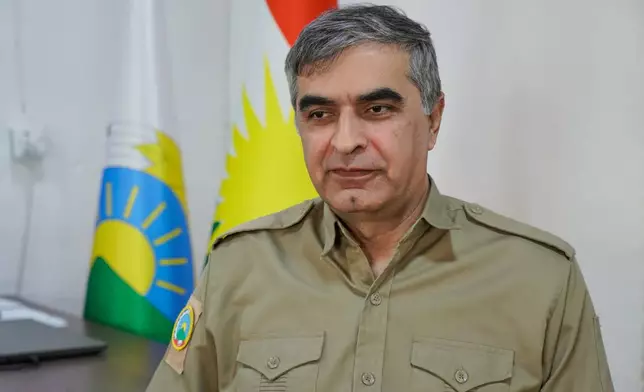
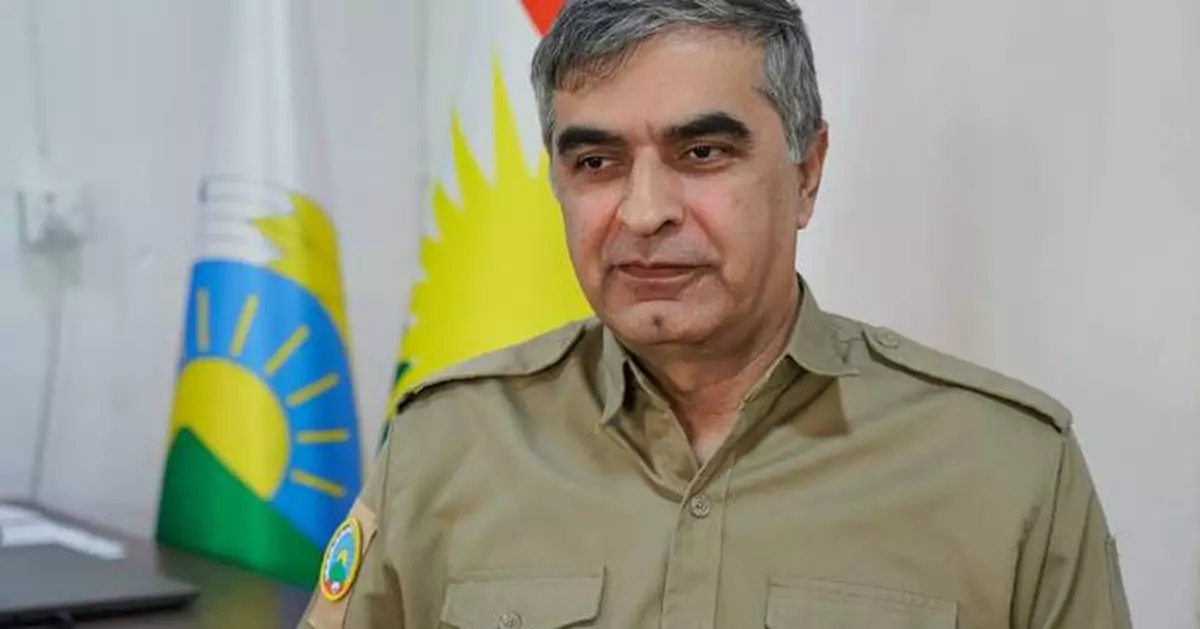
Karim Parwizi, member of the leadership council of the Democratic Party of Iranian Kurdistan, PDKI, gives an interview in Irbil, Iraq, Friday, Feb. 27, 2026. (AP Photo/Rashid Yahya)
On Sunday, five Kurdish groups announced the formation of the Coalition of Political Forces of Iranian Kurdistan. The group said in a statement that it aims to “struggle for the overthrow of the Islamic Republic of Iran, to achieve the Kurdish people’s right to self-determination, and to establish a national and democratic entity based on the political will of the Kurdish nation in Iranian Kurdistan.”
The statement drew condemnation from the crown prince, Reza Pahlavi, who has been in exile for nearly 50 years and is now trying to position himself for a return should Iran’s Shiite theocracy fall.
Despite their common interest in bringing about the ouster of the country’s current rulers, there is little love lost between Pahlavi and the Kurds. During the rule of Pahlavi’s father, Shah Mohammad Reza Pahlavi, Kurds were marginalized and repressed. Pahlavi and his supporters, meanwhile, have accused Kurdish groups of wanting to carve up Iran.
After the Kurdish groups announced their alliance, Pahlavi wrote on X, “In recent days, several separatist groups — some of whose records include collaboration with both Khomeini and Saddam — have made baseless and contemptible claims against the territorial integrity and national unity of Iran.” He was referring to the founder of the Islamic Republic, Ayatollah Ruhollah Khomenei, and former Iraqi dictator Saddam Hussein.
He added that “Iran’s territorial integrity is the ultimate red line.”
The Kurdish coalition called Pahlavi's comments “hysterical and hateful” and said his family's dynasty was known for the “massacre of civilians and suppression of democratic freedoms of the Iranian people, especially the oppressed nations of this country.”
“Why do they think that people oppressed by the dictatorship of the Islamic Republic are willing to bow to him and other like-minded people as part of the alternative for the future Iran?” it said.
After Iran’s 1979 Islamic Revolution, its fledgling theocracy battled Kurdish insurgents. Iranian forces destroyed Kurdish towns and villages in fighting that killed thousands over several months.
“We have been through ethnic cleansing and persecution and dictatorship (both) under the Pahlavi regime and under the Islamic Republic," said Karim Parwizi, a senior official of the Kurdistan Democratic Party of Iran, one of the groups forming the new alliance.
He spoke to The Associated Press in an interview at a camp housing the group's members in northern Iraq on Thursday.
Referring to Pahlavi, he said that should the theocracy fall, “There’s a threat of fascism returning to Iran, and we’re thinking about how to prevent that from happening.”
A handful of Iranian Kurdish dissident or separatist groups — some with armed wings — have long found a safe haven in northern Iraq’s semiautonomous Kurdish region.
At least one of them, the Kurdistan Freedom Party, or PAK, has publicly claimed attacks on Iran’s paramilitary Revolutionary Guard in retaliation for Tehran’s violent crackdown on protests last month.
Parwizi was careful to say that the new alliance has not yet come to a decision to launch armed operations inside of Iran, maintaining that their armed wings are for defensive purposes.
And he denied that the alliance’s aim is to carve out a separate Kurdish state.
“Every ethnic group should have their land, but we haven’t requested this and we haven’t requested to divide Iran,” he said. “We need to work with other ethnic groups to make sure that there will be a place for all of us in the new Iran.”
It’s difficult to gauge support for Pahlavi inside Iran, but some of the biggest protests in years broke out in early January after he called people to the streets, and in videos of recent student protests, some demonstrators could be heard chanting in support of him.
Mehrzad Boroujerdi, an Iran expert and vice provost at Missouri University of Science and Technology, said the open rancor between Pahlavi and the Kurdish groups is a setback to attempts to form a unified Iranian opposition.
“With his open denunciation of these Kurdish groups, I think (Pahlavi) is shooting himself in the foot in that sense, because the Kurds are going to be really an integral part of any serious opposition,” he said.
He noted that the perceptions that he is unable to appeal to all of Iran’s opposition groups have already harmed Pahlavi’s attempts to win support from Washington.
“President (Donald) Trump, for example, was not willing to personally meet with him and sort of validate his campaign because of serious concerns that, this guy, if he is not able to unify the opposition now before there is a regime collapse, how is he going to do that after the fact?” he said.
The Kurdish groups have their own contacts and lobbying operations in Washington. Parwizi said they have been in communication with the U.S. State Department and members of Congress to seek political support for their cause but denied receiving any U.S. funding.
Sewell reported from Beirut.
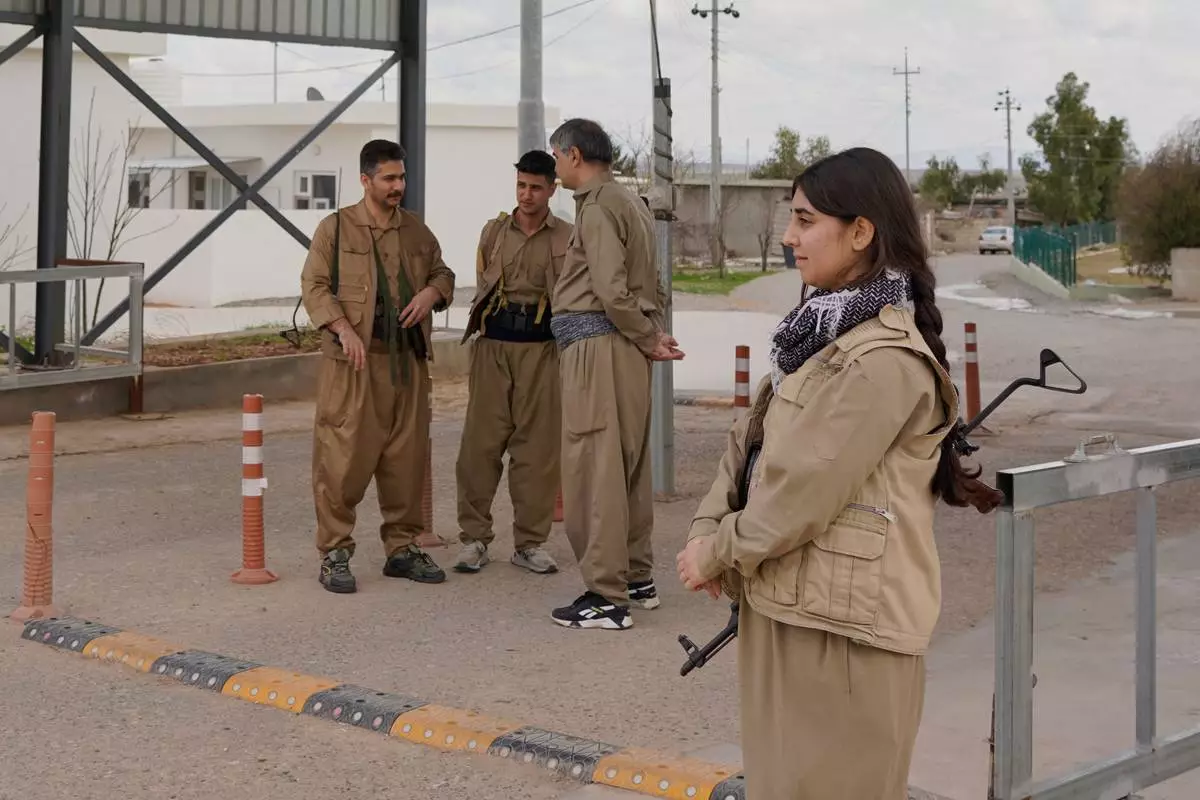
Members of the Democratic Party of Iranian Kurdistan PDKI stand at a checkpoint leading to their base in the Koya district of Irbil, Iraq, Friday, Feb. 27, 2026. (AP Photo/Rashid Yahya)
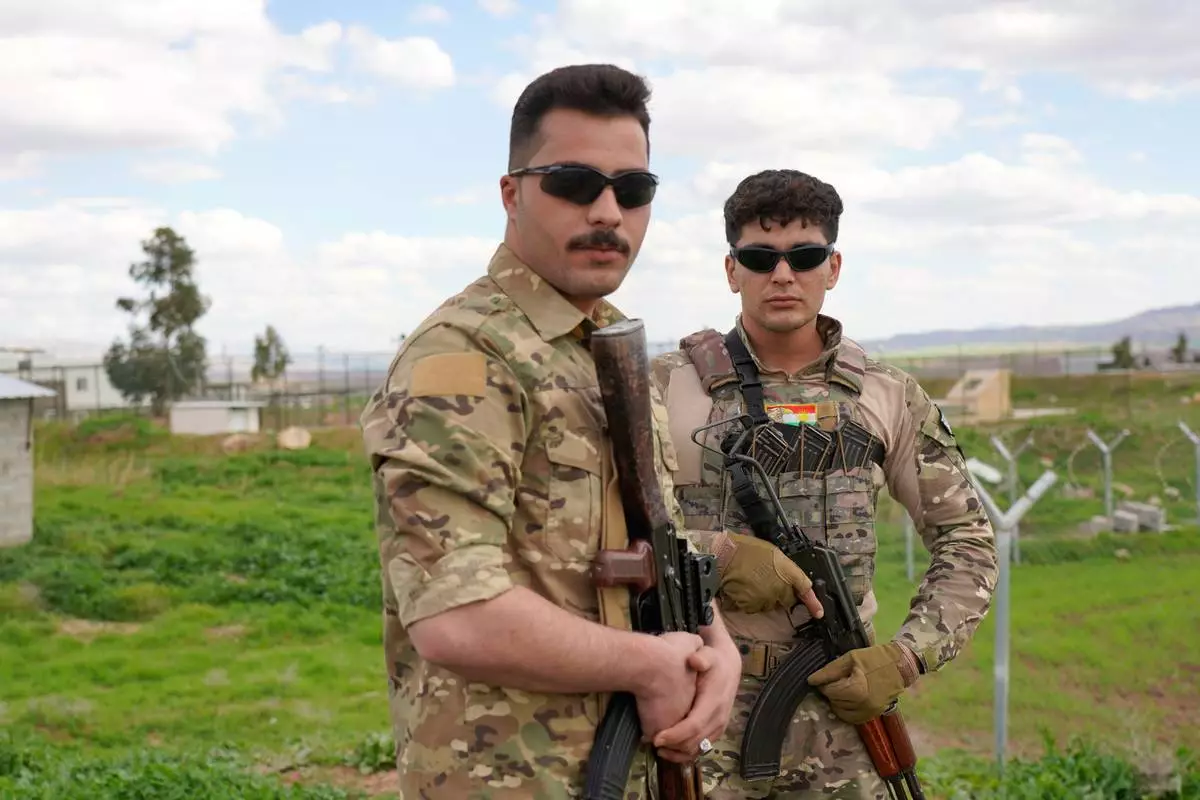
Members of the Democratic Party of Iranian Kurdistan PDKI stand at a checkpoint leading to their base in the Koya district of Irbil, Iraq, Friday, Feb. 27, 2026. (AP Photo/Rashid Yahya)
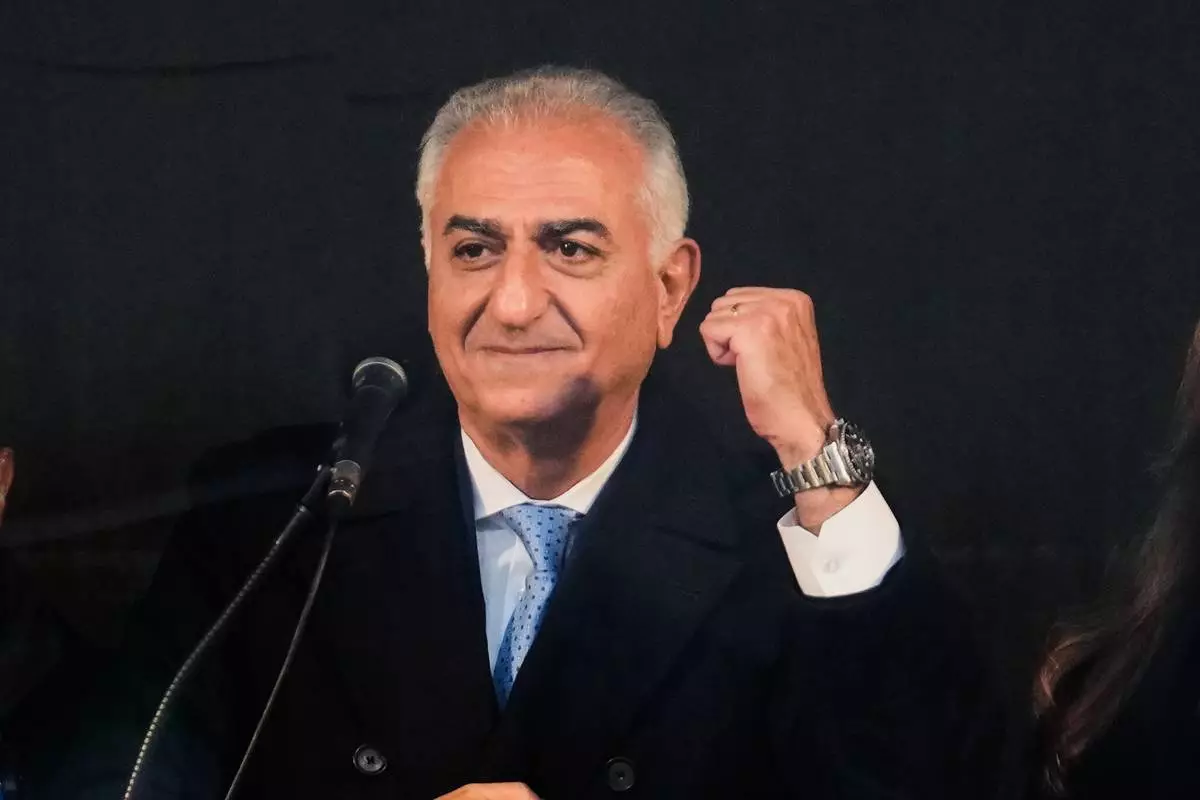
Iran's exiled Crown Prince Reza Pahlavi, speaks to supporters at a demonstration during the Munich Security Conference in Munich, Germany, Saturday, Feb. 14, 2026. (AP Photo/Ebrahim Noroozi)
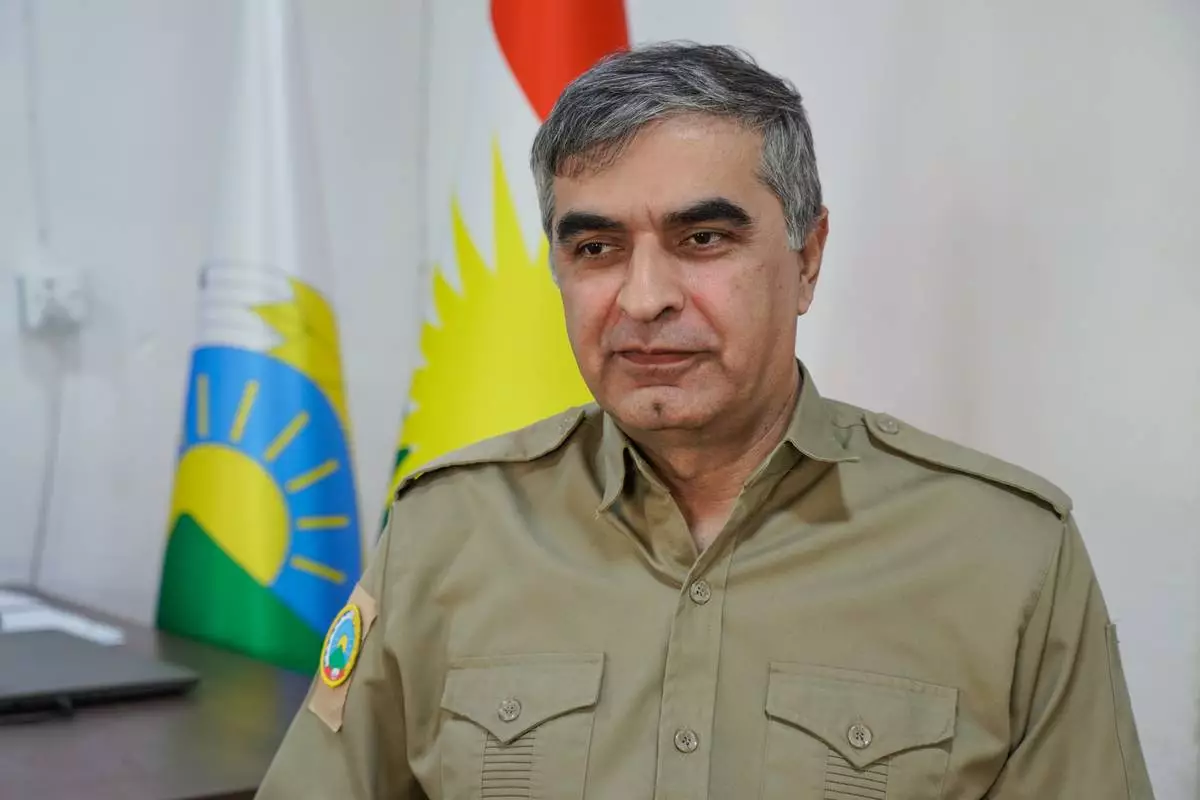
Karim Parwizi, member of the leadership council of the Democratic Party of Iranian Kurdistan, PDKI, gives an interview in Irbil, Iraq, Friday, Feb. 27, 2026. (AP Photo/Rashid Yahya)