ST. PAUL, Minn. (AP) — Their family spent years opposing Venezuela’s socialist system.
The government retaliated by sending men to beat the father, a state oil company worker whom it accused of being uncooperative. Other relatives were threatened.
The situation became so untenable that the family fled the country for the United States in 2021 after it obtained refugee status, according to one of the daughters, a 24-year-old clothing salesperson who was interviewed by The Associated Press.
The six siblings and their parents settled in Minnesota in 2023, living peaceful lives until the Trump administration said it was casting new scrutiny on refugees. One priority is those admitted to the U.S. under former President Joe Biden, whom the government accuses of prioritizing quantity over detailed screening and vetting, with an initial focus on 5,600 refugees who settled in Minnesota and are not yet permanent residents, making them particularly vulnerable.
Last month, three masked officers got out of a black SUV with tinted windows outside a St. Paul apartment complex, handcuffed the Venezuelan woman and her mother and told them their legal status was under review, according to the woman, who asked for anonymity for fear of retaliation.
Overturning years of precedent, immigration authorities have arrested or questioned dozens of refugees in Minnesota, attorneys and advocates say, with more detentions likely to come nationwide.
In January, a federal judge ordered a temporary halt to the arrest and detention of refugees in Minnesota while a lawsuit challenging the “revetting” continues. The judge ordered the immediate release of all refugees detained in Minnesota, and those taken to Texas. On Friday, the judge extended the order protecting refugees in Minnesota from detention, saying the Trump administration policy turns the “American Dream into a dystopian nightmare.”
A group of refugees in other states on Friday also filed a lawsuit seeking to block new DHS policies that could lead to the detention of tens of thousands of refugees who are lawfully in the U.S. but have not yet received permanent residency.
Three refugees told The Associated Press that whatever happens, the rounds of inconclusive interviews with immigration authorities well after they thought their status was safe has them questioning their futures in the U.S. and living in constant fear.
The young woman from Venezuela hasn't returned to her job at a clothing factory. A man who fled persecution in Myanmar won’t walk on the streets of Minneapolis without a letter from his church appealing for immigrants to “be treated humanely.” A Congolese refugee arrested in St. Paul despite her refugee status says “everything that’s happened feels like a movie.”
Welcoming refugees has been a source of bipartisan agreement in the U.S. since Congress passed the Refugee Act with overwhelming support in 1980.
The act helped make refugee applications some of the immigration system's most heavily scrutinized. Government decisions that someone was persecuted for who they are or what they believe are rarely second-guessed, and revisiting refugee status that's already been granted is a major blow to legal tradition, advocates say.
“They’ve been heavily vetted and were admitted by the government with approval,” said Beth Oppenheim, chief executive officer of HIAS, a major refugee aid group.
Once a refugee is admitted to the U.S. through the resettlement program, the only way to strip them of their status is to prove that they should never have been admitted, Oppenheim said. That is why the Trump administration is interviewing people again, she said.
Matthew Tragesser, a spokesman for U.S. Citizenship and Immigration Services, said in a written statement refugees “are REQUIRED to be subject to a full inspection after a year within the United States.”
“This is not novel or discretionary; it is a clear requirement in law,” he wrote.
While it is correct that refugees must apply for green cards one year after admission — a change of status that brings a renewed layer of scrutiny — the administration is breaking with decades of tradition by revisiting initial decisions to admit people as refugees, and then detaining them while they are under review.
“Arresting, detaining, and rescreening refugees are all new changes which will inflict grave harm on vulnerable populations,” said Smita Dazzo, deputy director of U.S. programs at HIAS.
In January, U.S. Immigration and Customs Enforcement took the Venezuelan women to Houston on a flight where migrants were shackled at the wrists and ankles and forbidden from talking. The daughter said she was told she was there for green card interviews and isolated in a cold room with no food, water or anything warm to cover her. She said she refused to sign documents without an attorney present.
“They told us, ‘Your status is worthless. You’re illegal,’” she said. “What we went through is something I wouldn’t wish on anyone … We were supposed to arrive in this country with refugee status, and we thought we would be protected here. But right now, at this moment, it is quite the opposite.”
The women were released after successfully filing habeas corpus petitions in federal court, part of a flood of last-ditch attempts at freedom under a Trump policy denying bond hearings in immigration court. Friends of their attorney drove them back to Minnesota at their own expense. Since then, the younger woman has been too afraid to leave the house.
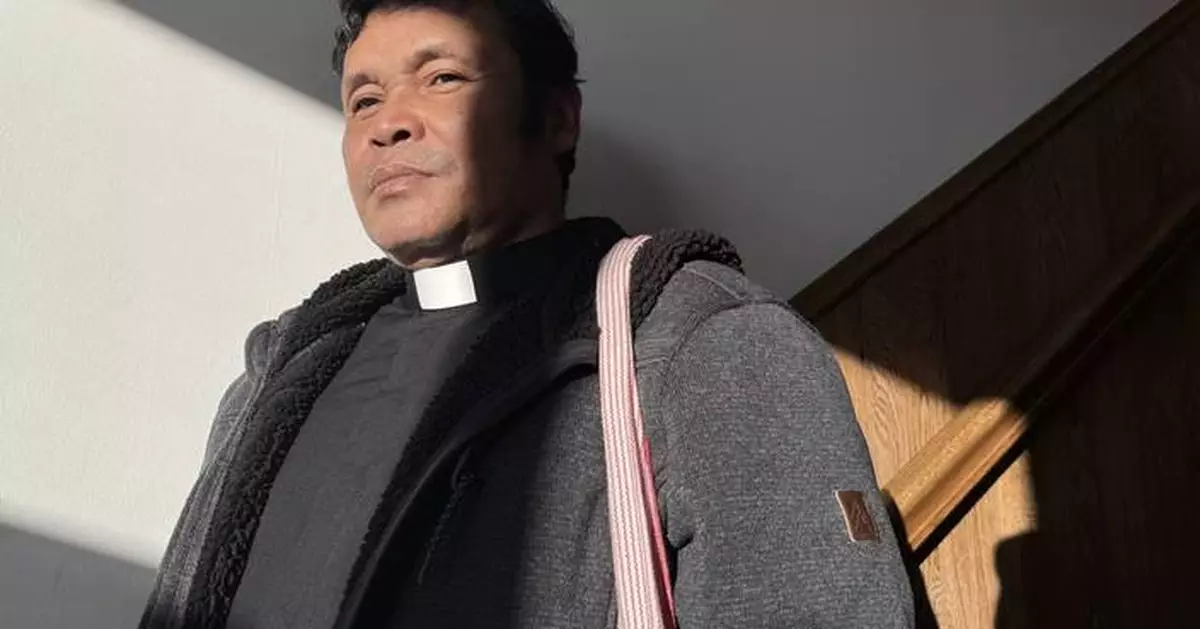
Saw Ba Mya James, a 46-year-old ethnic Karen father of three who fled military persecution in Myanmar, arrived in St. Paul last year after obtaining refugee status with help from a local church.
Despite a pending green card application, the Anglican pastor did not attend church for weeks after friends advised him to avoid going outside.
“I was told to stay at home, so I listened, and I prayed to God with my family,” James said.
James received a letter Feb. 2 ordering a “post-admissions refugee reverification” at the U.S. Citizenship and Immigration Services St. Paul field office, according to a copy reviewed by The Associated Press.
During an interview that lasted several hours, an officer pressed James with questions he said he already addressed extensively before being admitted to the U.S. The officer said the review was needed because an inexperienced employee handled James' initial vetting.
Within two weeks of the interview, James got another letter asking that he and his family provide fingerprints, which his attorney took as a positive sign.
Still, James remains wary of being detained. He faithfully carries his church sponsors' letter appealing for him and other immigrants to “be treated humanely as fellow image-bearers of God.”
A Congolese woman settled in the Twin Cities area in November 2024 with refugee status, working in the hospitality business as the breadwinner for her husband and four children.
She said an immigration officer approached her parked car when she arrived for work at 7 a.m. on Jan. 14 in St. Paul, saying he knew her name and that she was a refugee. After telling her to exit the vehicle to answer questions, he handcuffed her despite her efforts to show a work authorization document and identification.
The woman, who spoke on condition of anonymity because she fears reprisals, was flown to Houston to be questioned in detail about her experiences in the Congo, Uganda and the United States. She and other refugees refused to sign documents to be sent back to their home countries. She was released Jan. 18 without any ID documents to book a flight to Minneapolis. A manager at her company flew to Houston and drove her 17 hours back home.
“If I told you I’m feeling OK, I’d be lying to you,” she said.
Salomon reported from Miami.
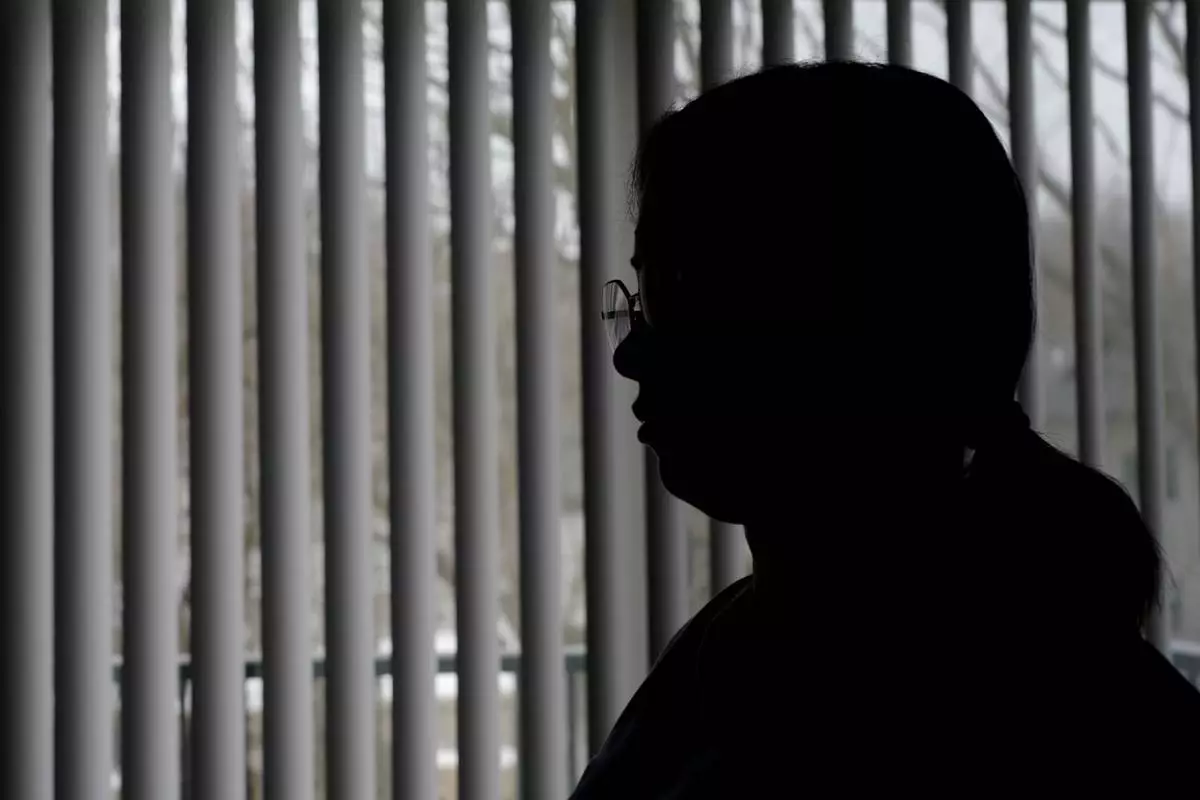
A Venezuelan refugee poses for a photo on Tuesday, Feb. 10, 2026, in Cottage Grove, Minn. (AP Photo/Mark Vancleave)
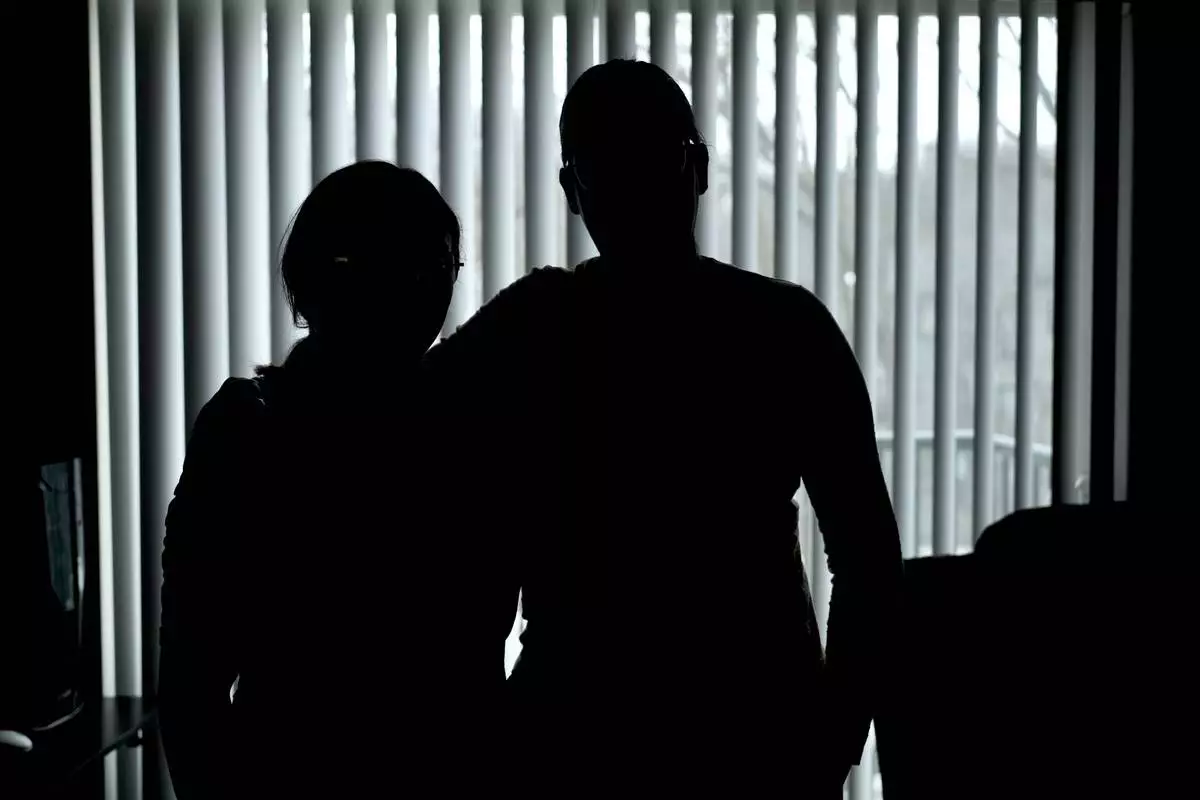
Venezuelan refugees pose for a photo on Tuesday, Feb. 10, 2026, in Cottage Grove, Minn. (AP Photo/Mark Vancleave)
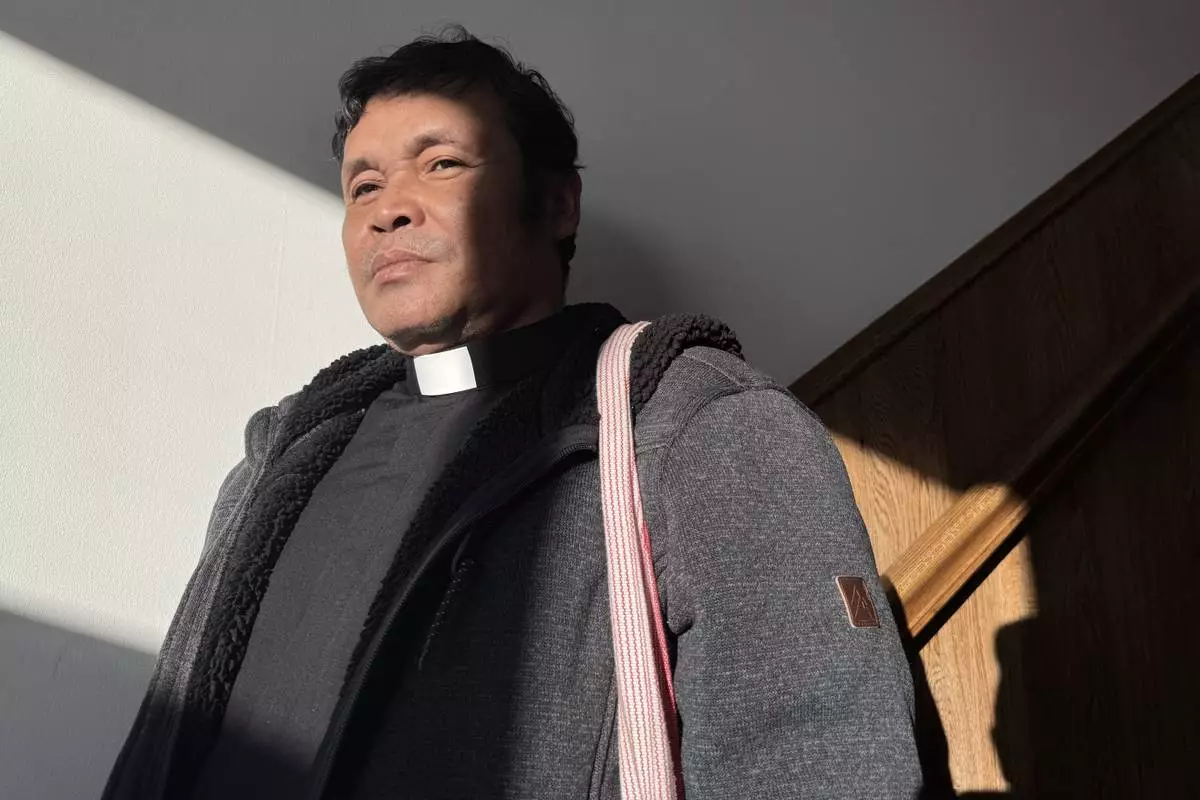
Saw Ba Mya James, an ethnic Karen refugee from Myanmar, stands for a portrait in St. Paul, Minn., on Jan. 28, 2026. (AP Photo/Jack Brook)
WASHINGTON (AP) — President Donald Trump — who has long seemed like he just can’t seem to choose among friends in the Texas Senate Republican primary — says he's “pretty much” decided whom to endorse in the critical March 3 contest.
But as the showman president is wont to do, he left the public — and the candidates themselves — hanging, as he declined on Friday to name who he'll actually support. Instead, during his remarks in Corpus Christi, Texas, Trump made sure to acknowledge each of the three Republicans fighting for the nomination.
“We have a great attorney general, Ken Paxton. Where's Ken? Hi, Ken,” Trump said. He continued, “And we have a great senator, John Cornyn. Hi, John.”
Noting that they're in a “little bit of a race,” Trump added: ‘It’s going to be an interesting one, right? They're both great people.”
Trump mentioned the third candidate, Rep. Wesley Hunt, after running through the long list of Texas lawmakers present: “Another friend of mine who is doing very well, Wesley Hunt. Wesley Hunt, what a good job.”
During his visit Friday, which marked his first out-of-Washington trip since Tuesday's State of the Union, Trump reiterated the highlights from that address about America's economic prosperity and bolstered national security. He boasted of increased oil production and lowered gas prices at the Port of Corpus Christi while diverging into asides about GLP-1s, mockery of Democrats and unsubstantiated claims about voting.
Ahead of Trump’s visit, Energy Secretary Chris Wright authorized a 12% expansion in liquefied natural gas exports at Cheniere Energy’s Corpus Christi terminal — making it the second largest LNG export project in the U.S.
“We brought the country back. We don’t want to lose the midterm. We've got to win the midterms,” Trump implored the crowd, saying his tenure in office marked a return to the “golden age” for the U.S. “We've got to get out. You've got to get out, and we've got to vote. And we’ll keep it all going better even than it is now, as good as it is.”
As affordability and the economy remain top priorities for the broader electorate, Democrats are seizing on the cost of things like electricity, housing and food to attack Republicans for failing to adequately address voters' concerns.
“As Donald Trump calls affordability a ‘fake word’ and ‘hoax’ and spends his time building gilded ballrooms, Texas families are seeing costs rise, health care get more expensive, and jobs disappear at one of the highest rates in the country,” Ken Martin, the chairman of the Democratic National Committee, said after Trump's Corpus Christi remarks.
Cornyn is battling for his fifth term and is being challenged by Paxton and Hunt in a primary fight that has become viciously personal. All three men have been trying to highlight their ties to Trump as they ramp up their campaigning ahead of Tuesday’s vote. Cornyn got a head start on Friday, when he flew on Air Force One for the Texas trip and posted multiple photos of his ride on social media.
Trump’s hesitation to publicly wade into the Texas Senate primary speaks to the tricky dynamics of the race.
Cornyn is unpopular with a segment of Texas’ GOP base, in part for his early dismissiveness of Trump’s 2024 comeback campaign and for his role in authoring tougher restrictions on guns after the 2022 school shooting in Uvalde, Texas. But Senate GOP leadership and allied groups see Cornyn as the stronger general election candidate, in light of a series of troubles that have shadowed Paxton.
Paxtonbeat impeachment on fraud charges in 2023 and has faced allegations of marital infidelity by his wife, state Sen. Angela Paxton.
Senate Majority Leader John Thune and South Carolina Sen. Tim Scott, chairman of the National Republican Senatorial Committee, have urged Trump to endorse Cornyn. They and allied campaign groups argue that the seat would cost the party hundreds of millions more to defend with Paxton as the candidate.
“It is a strong possibility we cannot hold Texas if John Cornyn is not our nominee,” Scott told Fox News on Wednesday.
Hunt, a second-term Houston-area representative, was a late entry to the race, but claims a kinship with Trump, having endorsed him early in the 2024 race. Hunt campaigned regularly for Trump and earned a prime-time speaking slot at the Republican National Convention in Milwaukee.
If no candidate reaches 50% in Tuesday’s primary, the top two finishers will advance to a May 26 runoff.
Cornyn’s campaign and a half-dozen allied groups have poured more than $63 million into the race since last fall, chiefly trying to slow Paxton but recently attacking Hunt in an effort to keep him from making it to the runoff.
The veteran senator has been airing ads since last year touting his support for Trump's agenda, even though his relationship with the president has been cool at times. Paxton and Hunt both have ads airing now featuring them standing with Trump, who has repeatedly said he likes all three men and is friends with them.
The GOP battle comes as Democrats have a contested primary of their own in Texas between state Rep. James Talarico, a self-described policy wonk who regularly quotes the Bible, and progressive favorite U.S. Rep. Jasmine Crockett.
Trump hasn’t been shy about wading into other contested Republican primaries in the state. Parts of Corpus Christi fall within Texas’ 34th congressional district, where former Rep. Mayra Flores is fighting to reclaim her seat against the Trump-endorsed Eric Flores. (The two are not related.) The winner of the primary will face off against Democratic Rep. Vicente Gonzalez, long a target of the GOP, whose district was redrawn to make it easier for a Republican to win.
Eric Flores attended Friday's Trump event at the Port of Corpus Christi, which technically is located in a neighboring district.
Elsewhere in the state, the president has also endorsed Rep. Tony Gonzales, who is fighting calls from his own party to resign from Congress after reports of an alleged affair with a former staffer who later died after she set herself on fire. Gonzales is refusing to step down and has said that there will be “opportunities for all of the details and facts to come out” and that the stories about the situation do not represent “all the facts.”
“Congressman Tony Gonzales is here,” Trump said, noting his presence at his Corpus Christi remarks. “Tony, congratulations.”
It was unclear what Trump was congratulating him for. Gonzales is facing a primary challenge from Brandon Herrera, a gun manufacturer and gun rights influencer, whom Gonzales defeated by fewer than 400 votes in their 2024 runoff.
After the speech, Trump made a stop by a local Whataburger, where he picked up food for Air Force One and insinuated to the gathered patrons that he would buy food for everyone in the restaurant. “Can you handle it? Hamburgers for all!” he announced.
Beaumont reported from Des Moines, Iowa. Associated Press writer Jonathan J. Cooper in Phoenix contributed to this report.
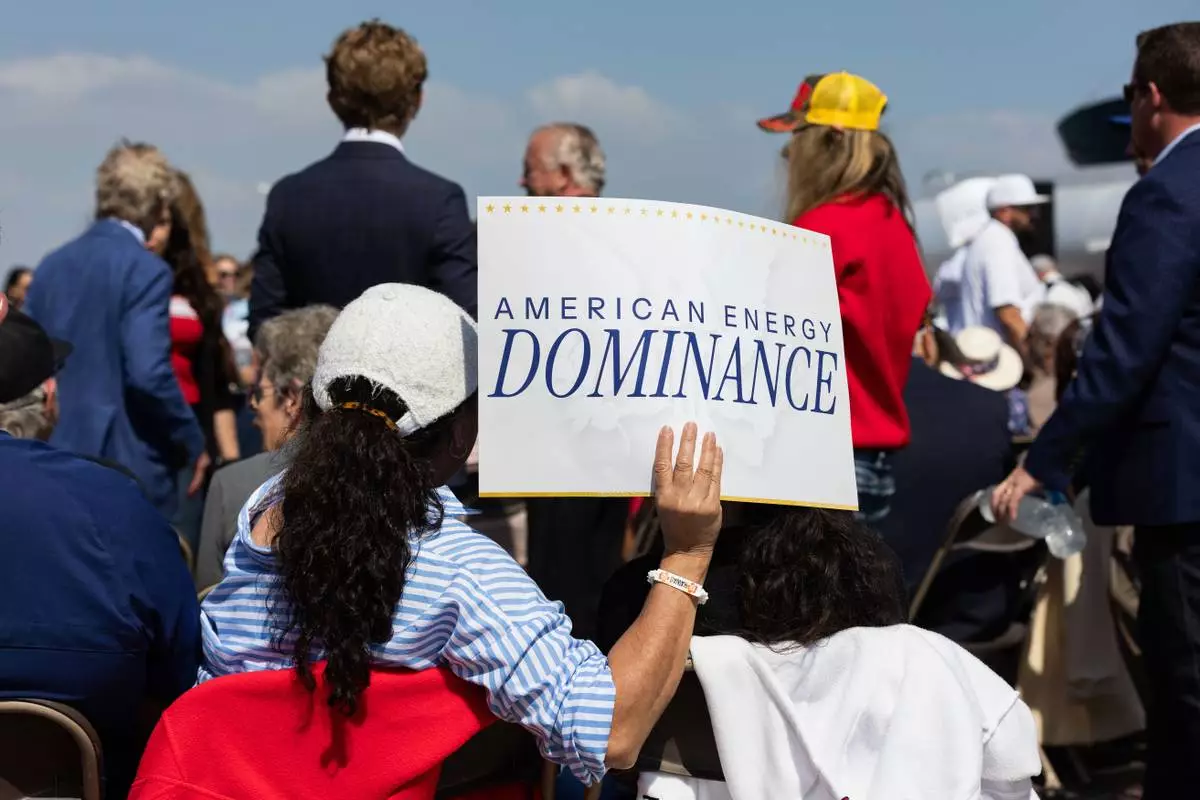
A person waits for President Donald Trump to speak at the Port of Corpus Christi in Corpus Christi, Texas, Friday, Feb. 27, 2026. (AP Photo/Michael Gonzalez)
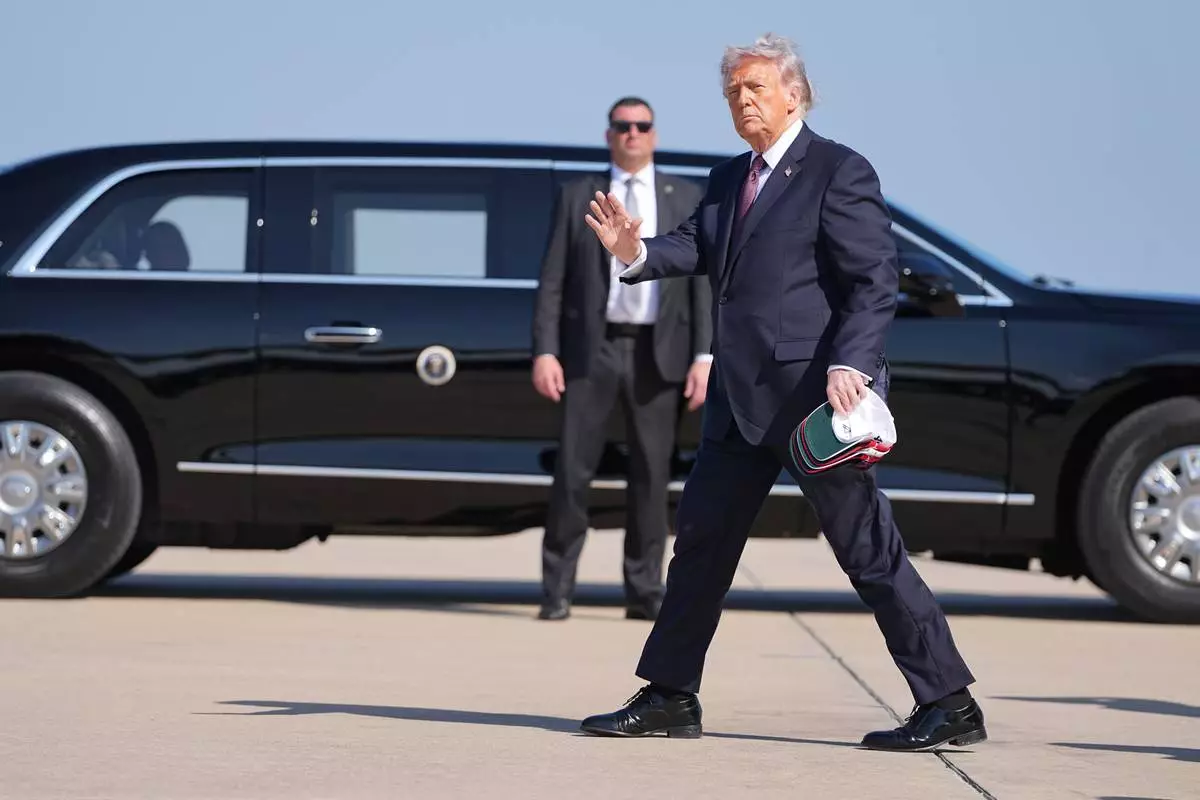
President Donald Trump waves after arriving on Air Force One at Corpus Christi International Airport, in Corpus Christi, Texas, Friday, Feb. 27, 2026. (AP Photo/Matt Rourke)
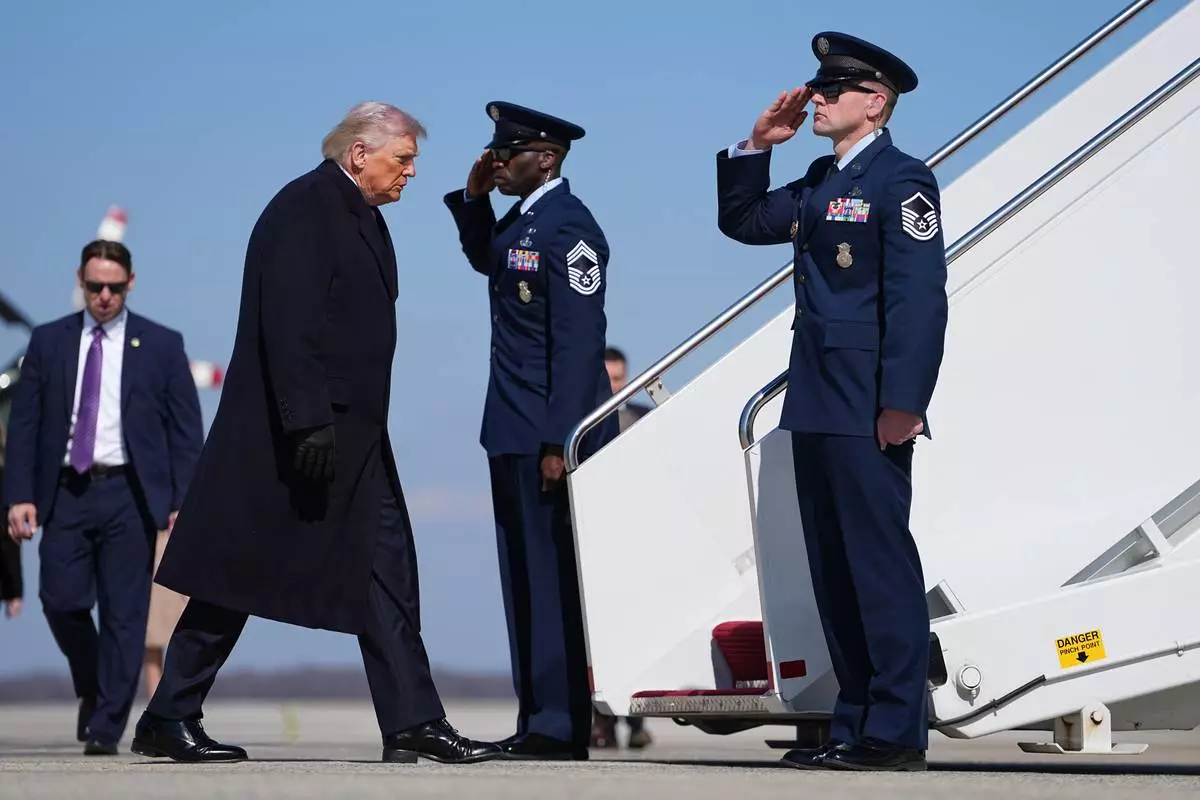
President Donald Trump boards Air Force One at Joint Base Andrews, Md., Friday, Feb. 27, 2026, en route Corpus Christi, Texas. (AP Photo/Matt Rourke)
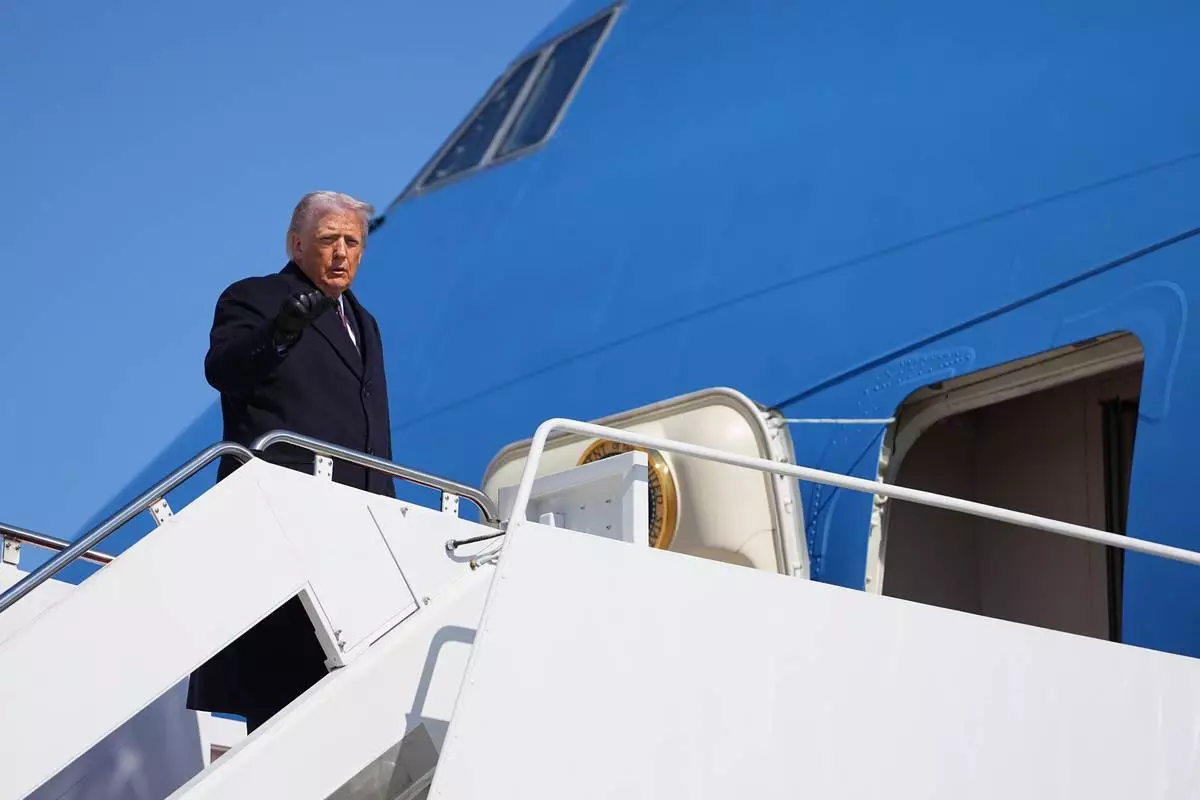
President Donald Trump boards Air Force One at Joint Base Andrews, Md., Friday, Feb. 27, 2026, en route Corpus Christi, Texas. (AP Photo/Matt Rourke)
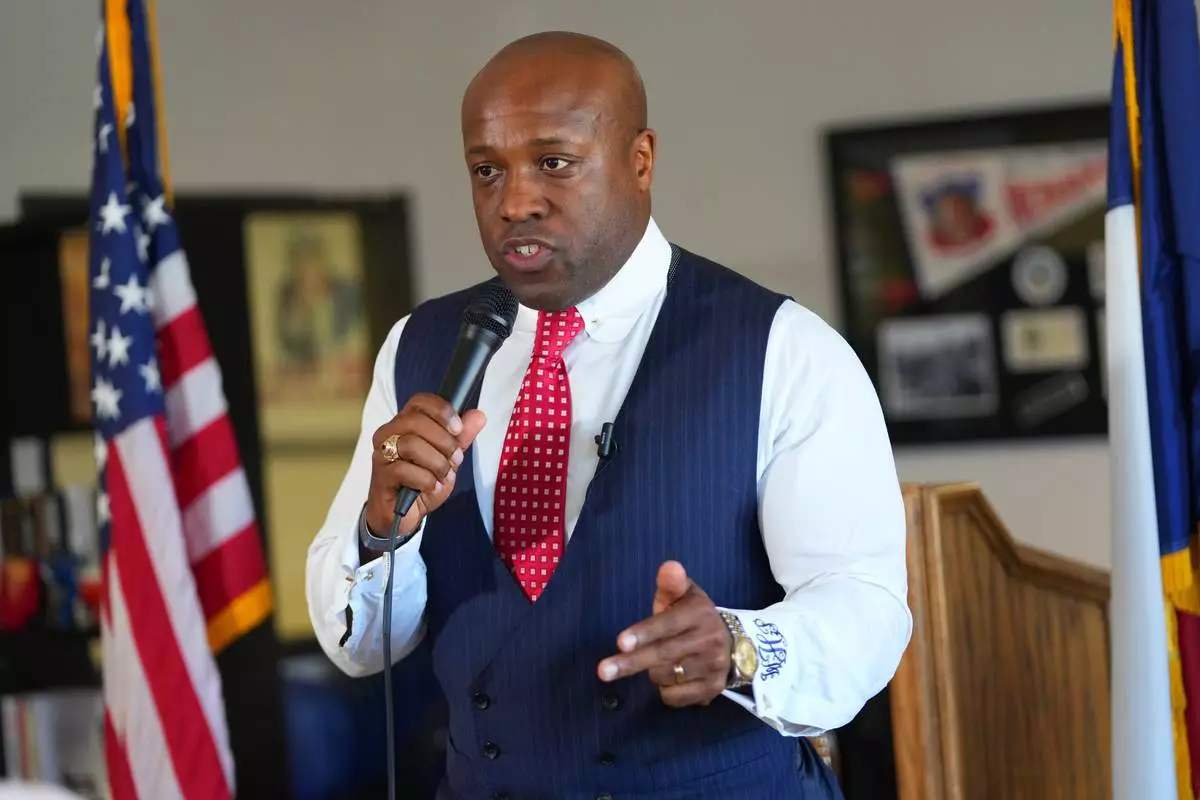
U.S. Rep. Wesley Hunt, R-Texas, speaks at a campaign event, Monday, Feb. 16, 2026, in Dallas. (AP Photo/Julio Cortez)
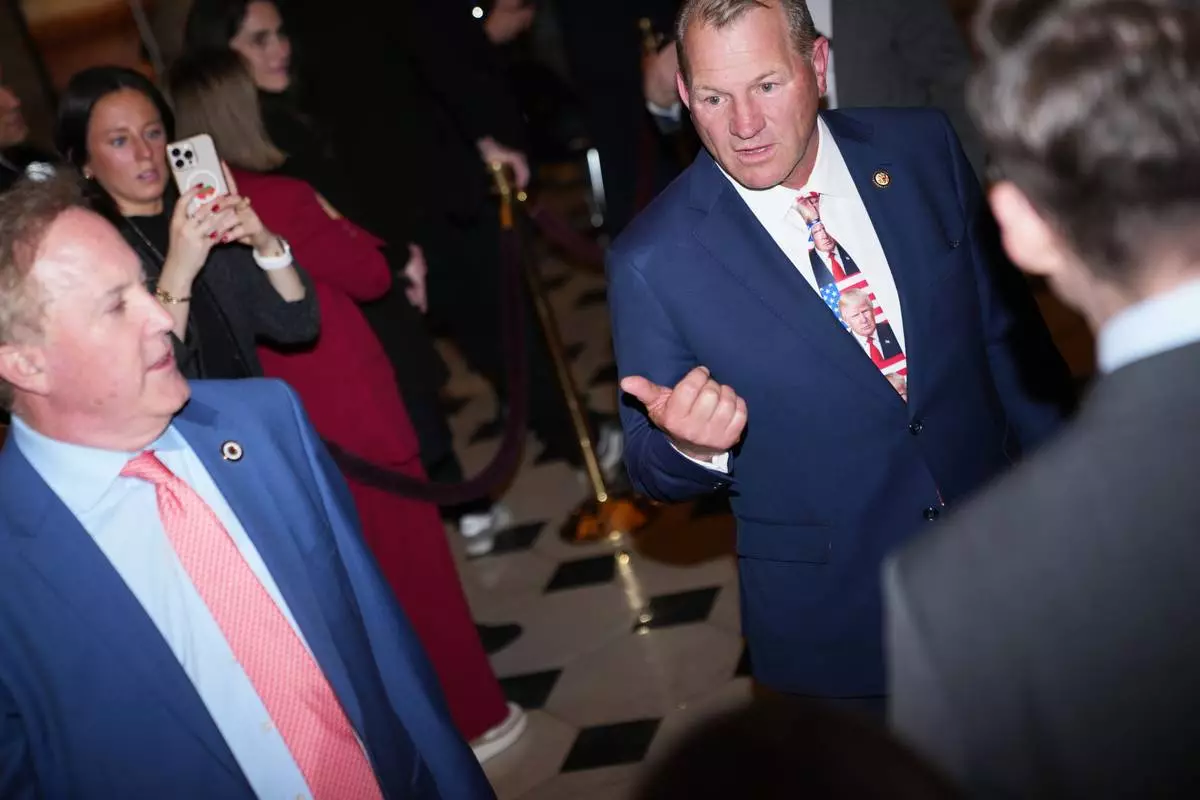
Texas Attorney General Ken Paxton and Rep. Troy Nehls, R-Texas, arrive before President Donald Trump delivers the State of the Union address to a joint session of Congress in the House chamber at the U.S. Capitol in Washington, Tuesday, Feb. 24, 2026. (AP Photo/Allison Robbert)
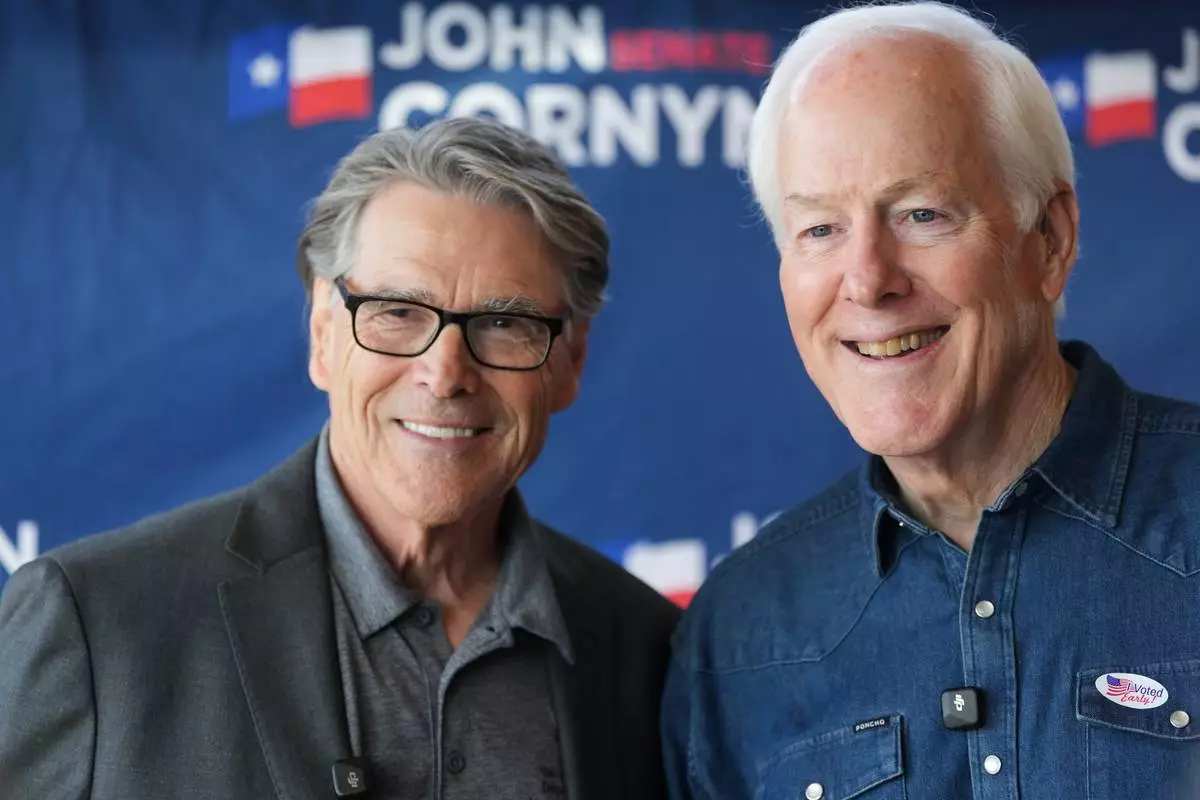
Sen. John Cornyn, R-Texas, right, is joined by former Texas Gov. Rick Perry, left, during a campaign stop in Austin, Texas, Tuesday, Feb. 17, 2026. (AP Photo/Eric Gay)
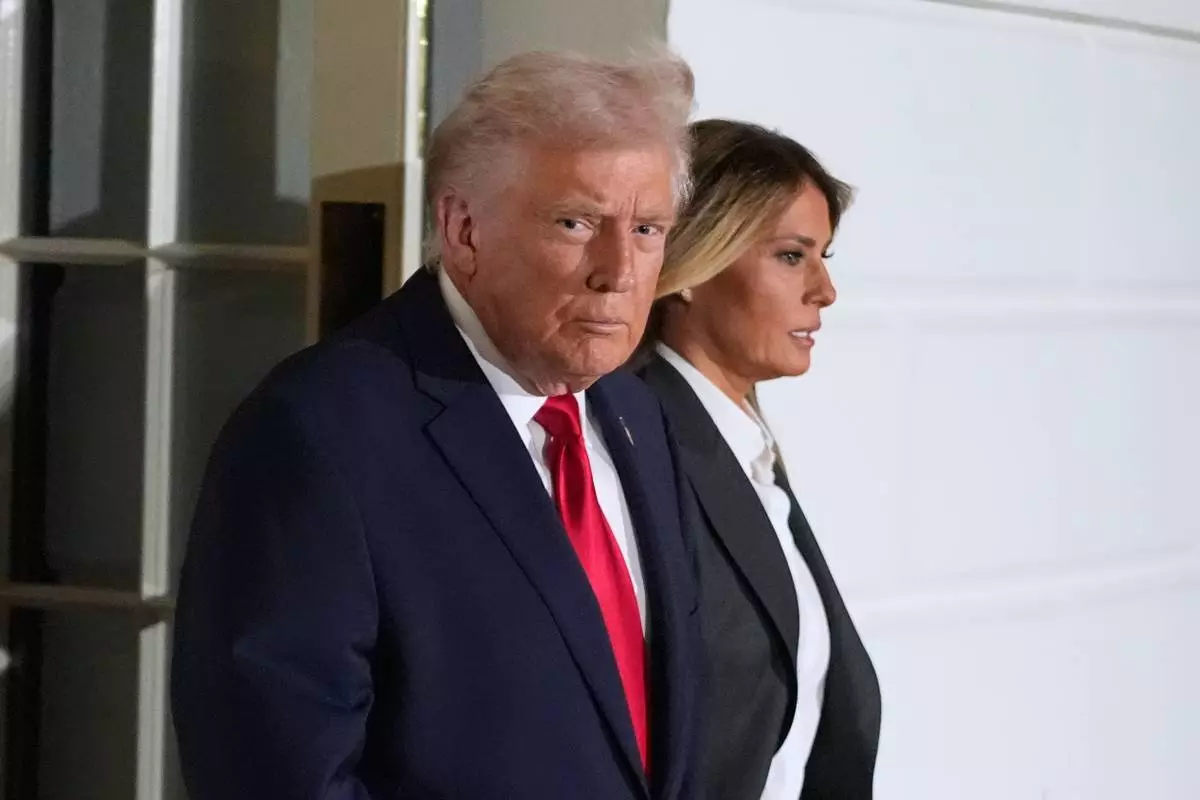
President Donald Trump and first lady Melania Trump, walk out of the White House, Tuesday, Feb. 24, 2026, to travel to the U.S. Capitol where he will deliver the State of the Union address to a joint session of Congress in the House chamber, in Washington. (AP Photo/Manuel Balce Ceneta)