NEW YORK (AP) — In its debut film, Skydance Productions released a special effects-laden World War I drama about fighter pilots with a starring role for an unknown actor, the company’s founder, David Ellison.
It was a box office bomb.
Click to Gallery
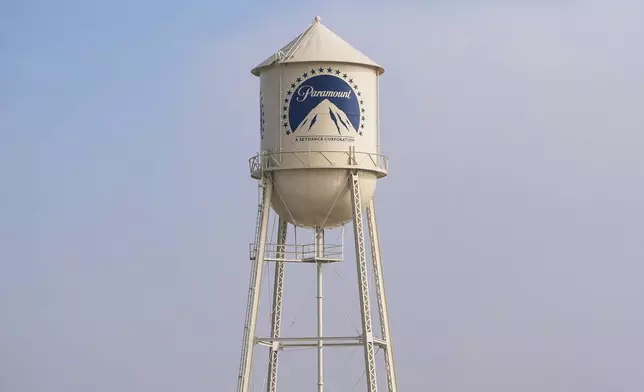
The Paramount Pictures water tower appears in Los Angeles on Dec. 17, 2025.(AP Photo/Jae C. Hong, File)
FILE - The Paramount Pictures water tower is seen in Los Angeles, Dec. 18, 2025, with the Hollywood sign in the distance. (AP Photo/Jae C. Hong, File)
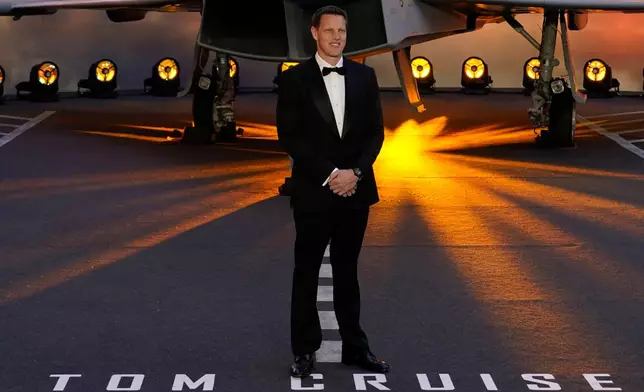
FILE - Producer David Ellison poses during the 'Top Gun Maverick' UK premiere at a central London cinema, on May 19, 2022. (AP Photo/Alberto Pezzali, File)
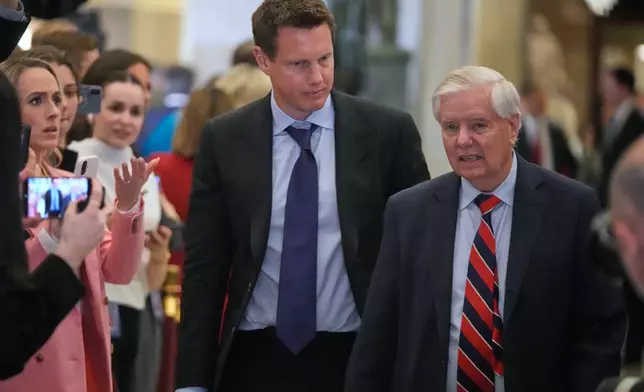
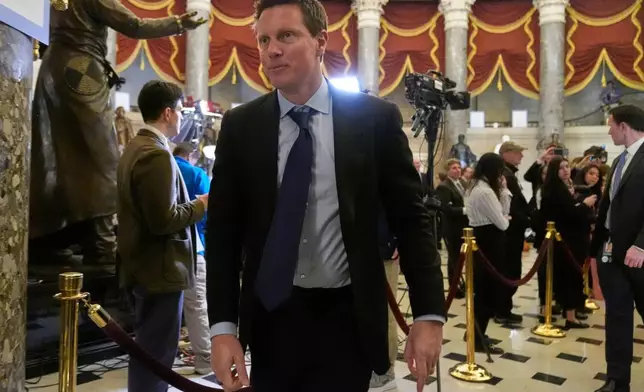
Paramount Skydance chairman and CEO David Ellison arrives with Sen. Lindsey Graham, R-S.C., before President Donald Trump delivers the State of the Union address to a joint session of Congress in the House chamber at the U.S. Capitol in Washington, Tuesday, Feb. 24, 2026. (AP Photo/Mark Schiefelbein)
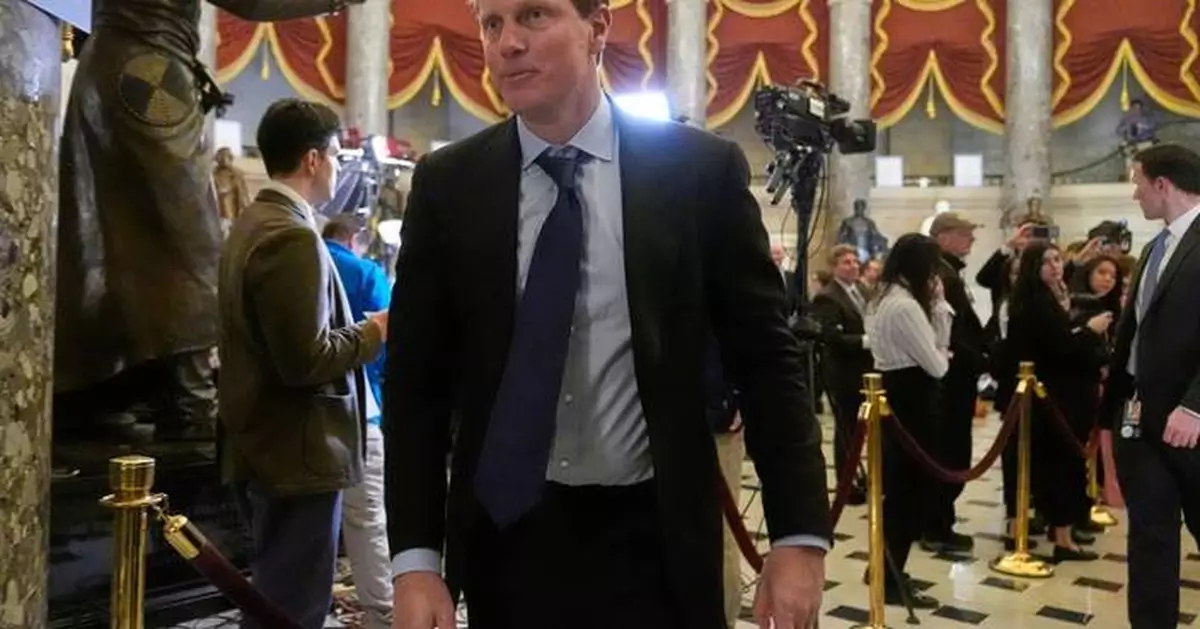
Paramount Skydance chairman and CEO David Ellison arrives before President Donald Trump delivers the State of the Union address to a joint session of Congress in the House chamber at the U.S. Capitol in Washington, Tuesday, Feb. 24, 2026. (AP Photo/Mark Schiefelbein)
Twenty years later, in a twist fit for Hollywood itself, the tiny studio once brushed off as a billionaire scion’s vanity project is poised to be an entertainment behemoth. With that once-unknown actor at its helm and a merger with Paramount already under its belt, Skydance is now on the cusp of another takeover that once seemed unthinkable, this time of storied giant Warner Bros. Discovery.
“It’s only a surprise to those who haven’t been paying attention to the long game,” says Walter Nicoletti, founder of the film production company Voce Spettacolo, noting Skydance’s focus on financing hit movies and accumulating assets while partnering with some of the biggest companies in the business. “This is a sort of a silent takeover. Skydance didn’t start as a predator. It started as an essential partner.”
When Ellison, the son of tech giant Oracle Corp. co-founder Larry Ellison, launched Skydance as a 23-year-old in 2006, the company registered little more than a blip in an industry where he was just another rich newcomer trying to gain a foothold in the warmth of Hollywood's bright lights.
“Flyboys,” the war story it chose as its inaugural feature, did little to raise its profile.
“Cloyingly formulaic,” jeered The Seattle Times. An “inflated wannabe epic,” chimed in The Washington Post. “It’s hard not to giggle,” concluded The Atlanta Journal-Constitution.
The celebrated critic Richard Roeper echoed the panning reviews of his brethren and the lackluster response of audiences in questioning what the movie’s makers were thinking.
“Why make such a corny and incredibly predictable film?” he wrote.
But Ellison plodded on. As the years ticked by, more flops came but he slowly notched successes too. He partnered with some of the biggest names in the business, including Paramount, Netflix and Apple, and unleashed a string of hits that brought in hundreds of millions at the box office. He lured both talent and streams of financing. He even released the rare film to surpass the $1 billion mark, the 2022 blockbuster “Top Gun: Maverick,” with his studio’s most reliable star, Tom Cruise.
Jason Squire, a former studio executive, emeritus professor at the University of Southern California, and host of “The Movie Business Podcast,” is no fan of the deal that has Skydance poised to take over Warner Bros., seeing the consolidation as reducing competition and hurting the industry. But he nonetheless marvels at how Ellison went from being “not high on the radar” in Hollywood to entertainment’s pinnacle.
“One of the traditions of entering the movie business is serious wealth, or access to serious wealth. But once you get a foothold, you have to demonstrate that wealth — by buying things, acquiring projects,” Squire says. “They became a player.”
Money alone didn’t assure Ellison’s success, Squire says, but it sure helped.
“He became a member at the table when these partnerships and the infusion of dollars really set him up on a really strong trajectory,” he says. “It’s quite amazing.”
In time, the failure of “Flyboys” was not what anyone thought of about Skydance. While there have been a few disappointments, including its reboot of the “Terminator” franchise, a string of “Mission: Impossible” flicks continually put Cruise in the limelight and audiences in theater seats. Hits like “Grace and Frankie” on Netflix gave it an entry to streaming television.
A run-up of successes had rumors swirling what giant might gobble Skydance up.
But in the end, Skydance did the gobbling.
After years of partnering with Paramount, the two companies merged last year, and in the months since, Ellison went on a relentless spending spree, announcing agreements on everything from streaming rights for Ultimate Fighting Championship to a deal with the creators of “Stranger Things,” who were lured from Netflix.
Meantime, while the much larger Netflix once seemed a shoo-in to acquire Warner Bros., Ellison’s Skydance was unrelenting in its counterproposal. On Thursday, it emerged the winner. Netflix walked away from its offer, leaving regulators as Skydance’s only potential foil.
“This was absolutely a meteoric rise. Two decades from its formation to its current position to become one of the most powerful media companies in the world is nothing less than incredible,” says Tre Lovell, a Los Angeles media law and entertainment attorney. “What Skydance has done over the past two decades has not been accomplished by any other media company in history.”
Skydance’s merger with Paramount delivered MTV, Comedy Central, Nickelodeon and a host of other channels, including its flagship CBS, where the change in power has brought turmoil to its news division. If the Warner deal is finalized, Ellison will preside over a sprawling empire that would include HBO, HGTV, the Food Network, and another vast expansion into news with CNN, a move that has some of its employees worried about interference from a family seen as an ally of President Donald Trump.
It also delivers to Paramount, which has sputtered recently at the box office, a studio coming off a banner year. Warner Bros. collected 30 Oscar nominations compared with Paramount’s zero, and accounted for 21% of the domestic box office in 2025. Paramount’s market share was just 6%.
All of it now could be Ellison's. What a difference 20 years makes.
The failure of “Flyboys” had Ellison so depressed, he once said, that he suffered atrial fibrillation that required hospitalization. But for someone from a family so rich that his father owns most of a Hawaiian island, and with a look that GQ described as “the golden glow of the genetically sparkling,” his reversal of fortunes may be unsurprising. In this redemption story, Ellison may be straight out of central casting.
Ellison has scored his biggest big-screen wins with familiar stories from popular franchises like “Transformers,” “Scream,” “Sonic the Hedgehog,” and “Paw Patrol.” His own narrative, emerging the unlikely victor, may strike an equally familiar tone.
“Hollywood has seen David-versus-Goliath moments before,” says Vikrant Mathur, co-founder of the streaming company Future Today.
Matt Sedensky can be reached at msedensky@ap.org and https://x.com/sedensky
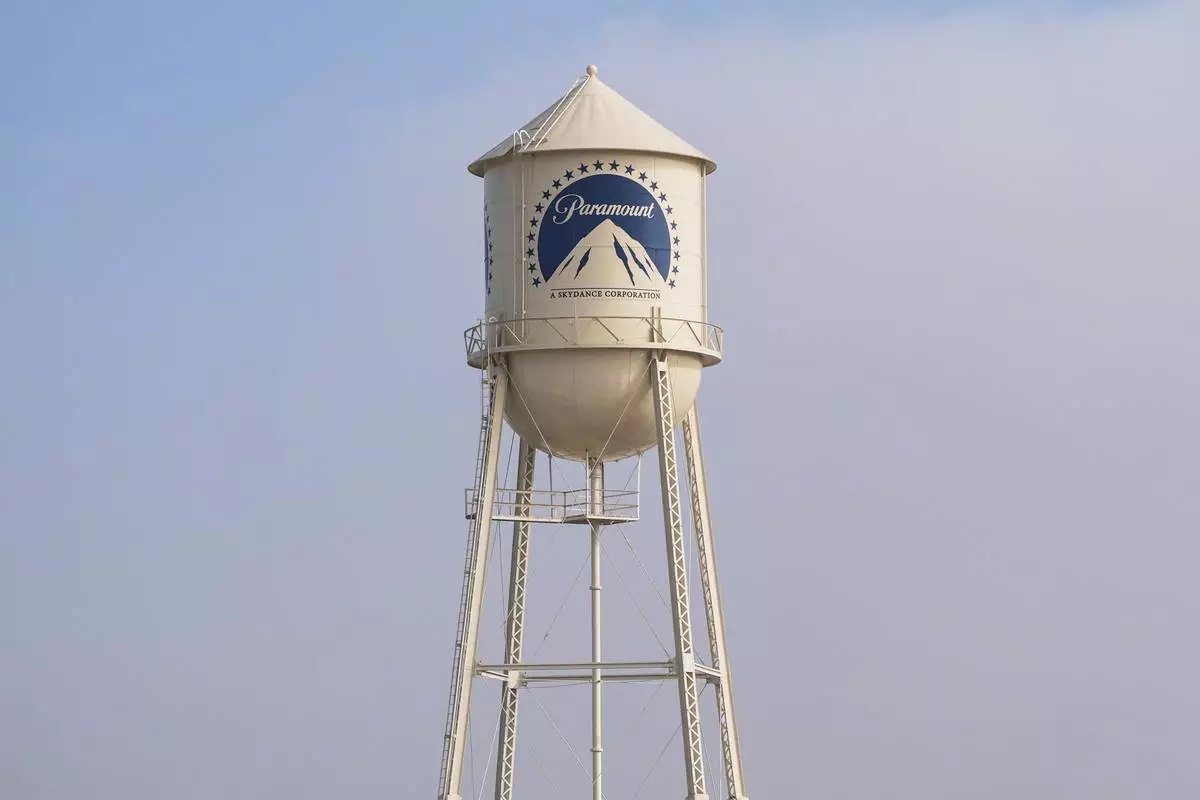
The Paramount Pictures water tower appears in Los Angeles on Dec. 17, 2025.(AP Photo/Jae C. Hong, File)

FILE - The Paramount Pictures water tower is seen in Los Angeles, Dec. 18, 2025, with the Hollywood sign in the distance. (AP Photo/Jae C. Hong, File)
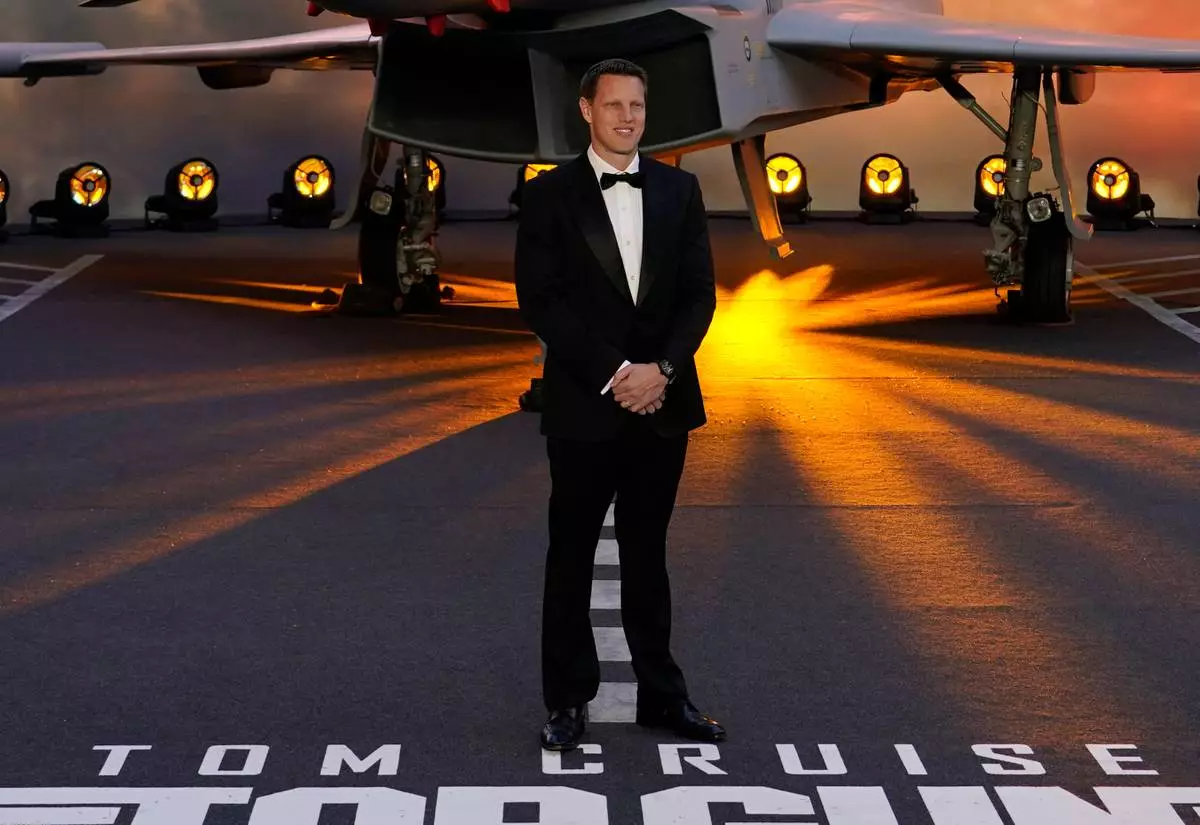
FILE - Producer David Ellison poses during the 'Top Gun Maverick' UK premiere at a central London cinema, on May 19, 2022. (AP Photo/Alberto Pezzali, File)
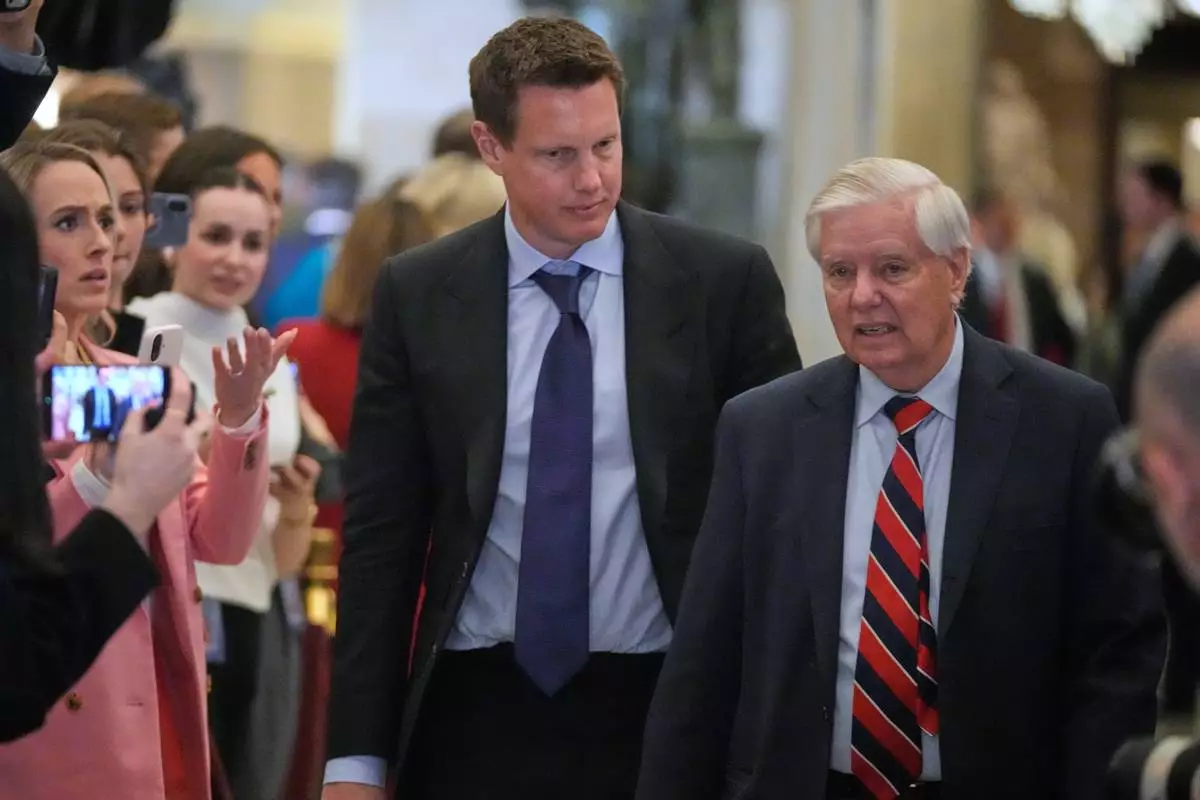
Paramount Skydance chairman and CEO David Ellison arrives with Sen. Lindsey Graham, R-S.C., before President Donald Trump delivers the State of the Union address to a joint session of Congress in the House chamber at the U.S. Capitol in Washington, Tuesday, Feb. 24, 2026. (AP Photo/Mark Schiefelbein)
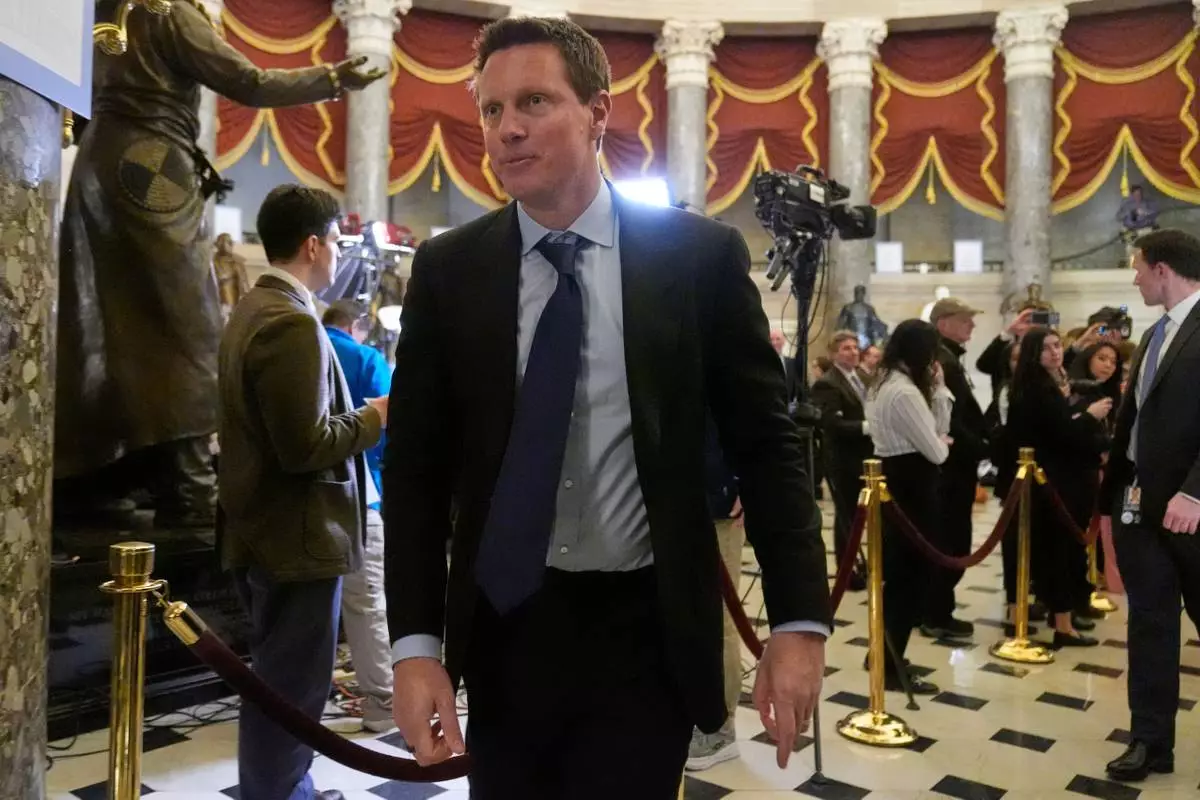
Paramount Skydance chairman and CEO David Ellison arrives before President Donald Trump delivers the State of the Union address to a joint session of Congress in the House chamber at the U.S. Capitol in Washington, Tuesday, Feb. 24, 2026. (AP Photo/Mark Schiefelbein)
The United States and Israel launched an attack Saturday on Iran, with the first apparent strike happening near the offices of Supreme Leader Ayatollah Ali Khamenei.
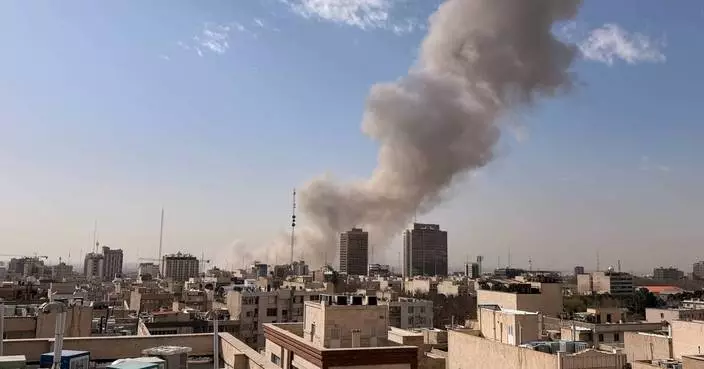
Iranian media reported strikes nationwide, and smoke could be seen rising from the capital.
President Donald Trump said in a video posted on social media that the U.S. had begun “major combat operations in Iran.” He claimed Iran has continued to develop its nuclear program and plans to develop missiles to reach U.S.
Here's the latest:
The U.S. and Israel’s attack on Iran is disrupting flights across the Middle East and beyond. Israel, the United Arab Emirates and Qatar closed their airspace on Saturday. Airspace in southern Syria was also closed.
Some planes that were en route to cities like Tel Aviv and Dubai were diverted or returned to where they took off from.
The situation is changing quickly and airlines urged passengers to check their flight status online before heading to the airport. Many major airlines are canceling flights to and from parts of the region through Sunday or early next week.
Dubai’s airport operator said flights have been halted indefinitely at Dubai International Airport, the world’s busiest airport for international flights, and the Dubai World Central — Al Maktoum International Airport on the Gulf city’s outskirts.
Two people familiar with the operation, including a U.S. official and a person briefed on the attacks, said the targets of the Israeli strikes included members of Iran’s leadership. There was no word on whether the attacks had been successful. They spoke on condition of anonymity because they were discussing classified information on an ongoing operation.
Both Israel and the U.S. are striking military targets in Iran.
By Sam Mednick
Russia’s Foreign Ministry on Saturday condemned the U.S.-Israeli strikes on Iran as “a preplanned and unprovoked act of armed aggression against a sovereign and independent U.N. member state.”
It demanded an immediate halt to the military campaign and a return to diplomacy.
In a statement posted to Telegram, the ministry accused Washington and Tel Aviv of “hiding behind” concerns about Iran’s nuclear program while actually pursuing regime change.
It warned the attacks risked triggering a “humanitarian, economic and possibly radiological catastrophe” in the region and accused the U.S. and Israel of “plunging the Middle East into an abyss of uncontrolled escalation.”
British Prime Minister Keir Starmer chaired a meeting of the government’s emergency committee on Saturday morning and planned to hold calls with allies in the coming hours.
“We do not want to see further escalation into a wider regional conflict,” a U.K. government spokesperson said, reiterating Britain’s support for a negotiated solution to Iran’s nuclear ambitions.
Britain was not involved in the U.S.-Israeli strikes.
The U.K.’s Foreign Office also updated its travel advice to warn against all travel to Israel and Palestine, and urged British nationals in other Middle Eastern countries to “immediately shelter in place.”
In northern Tehran, supermarkets are seeing a surge of customers seeking bread and bottled water. However, supply has been limited, and some of the items most in demand — including bread, eggs, bottled water and milk — are currently unavailable in certain stores.
Long queues have also been observed at gas stations across the city.
State television showed footage from one of Tehran’s highways, Soleimani highway, where extremely heavy traffic was visible on west-to-east routes.
By Amir Vahdat in Tehran.
Pakistan’s Foreign Minister Ishaq Dar on Saturday condemned what he described as “unwarranted attacks” on Iran during a phone call with his Iranian counterpart Abbas Araghchi, Pakistan's Foreign Ministry said in a statement.
It said Dar called for” an immediate halt to escalation through urgent resumption of diplomacy to achieve a peaceful, negotiated resolution to the crisis.”
Kuwait’s national news agency says the Gulf country’s air defenses successfully repelled what it called a “heinous Iranian attack” earlier in the day.
Quoting a statement from the Ministry of Foreign Affairs, the KUNA news agency said Kuwait maintains its right to defend itself.
Smoke rose from a U.S. base near the airport in Irbil, the regional capital of Iraq’s semiautonomous northern Kurdish region Saturday and an Associated Press journalist in the area heard explosions. Local media reported that missiles were shot down. There was no immediate statement from Iraqi officials or from the U.S.
Iran-backed Iraqi militias had previously threatened to strike targets in the Kurdish region in case of an attack on Iran. Earlier Saturday, a drone strike targeted a headquarters of the Iran-allied Kataib Hezbollah militia southwest of Baghdad, killing two.
European Union leaders issued a joint statement Saturday calling for restraint and engaging in regional diplomacy in hopes of “ensuring nuclear safety.”
“Ensuring nuclear safety and preventing any actions that could further escalate tensions or undermine the global non-proliferation regime is of critical importance,” said European Commission President Ursula von der Leyen and European Council President António Costa. “We call on all parties to exercise maximum restraint, to protect civilians, and to fully respect international law."
Both said that the EU has pushed to resolve critical issues through diplomacy but also has in place “extensive sanctions in response to the actions of Iran’s murderous regime and the Revolutionary Guards.”
They said Brussels was working with the EU’s 27 member nations to support the bloc's citizens in the Middle East.
Saudi Arabia strongly condemned the Iranian assaults on the United Arab Emirates, Bahrain, Qatar, Kuwait and Jordan as a breach of their sovereignty.
The Kingdom confirmed that it fully stands by those countries and warned of the “dire consequences of continued breach of sovereignty and violating international principles."
Saudi Arabia also called on the international community to take measures to confront the Iranian assaults that are “undermining” the stability and security of the region.
Strikes on Saturday are targeting a growing list of cities and sites across Iran, according to Iranian state media. Direct strikes on the capital, Tehran, earlier sent plumes of smokes above its skyline, with reports of explosions in or near the major cities of Isfahan, Shiraz and Tabriz.
Blasts were also reported in several western towns as well as around Persian Gulf port cities that are critical to Iran’s major oil trade, including Asaluyeh.
France, whose military has bases and a regular presence in the Mideast, has called on French citizens in the region to exercise extreme caution.
"A military escalation is underway ... It’s not the time for negotiations. We are in a situation of war," junior Defense Minister Alice Rufo told France-2 television Saturday, comparing the situation to the 12-day war in June.
“Our priority is the protection of our citizens and protection of our forces in the region,” she said.
Asked if French forces were involved in the U.S. and Israeli strikes or targeted in retaliatory strikes, French military spokesperson Col. Guillaume Vernet said: “The French armed forces continuously adapt their posture to threats and implement measures to ensure the surveillance and protection of military installations where French soldiers are deployed.”
He would not elaborate.
“Our military presence guarantees France’s independent assessment of the situation,” he told the AP.
Israel’s President Isaac Herzog has welcomed the joint U.S.-Israeli operation against Iran.
Herzog says he hopes the operation “will bring a historic change and a better future for the whole Middle East and the entire world.”
Iran's Supreme Leader Ayatollah Ali Khamenei did not made a public appearance in the days before the attack and hasn’t been immediately seen after. During the 12-day war in June, he was believed to have been taken to a secure location away from his Tehran compound.
Qatar’s Defense Ministry says the military has successfully repelled the second wave of Iranian attacks that targeted several parts of the nation.
The Qatari Foreign Ministry condemned the attacks, calling them a “flagrant violation” of its sovereignty. It added that Qatar has been always among the sides calling for a dialogue with Iran.
The Foreign Ministry said that the targeting of Qatar by a neighbor “cannot be accepted under any justification or pretext” as the gas-rich Gulf nation has always distanced itself from regional conflicts.
A person briefed on the military plans says Saturday’s operation was planned by the U.S. and Israel for months and closely coordinated.
The person says the attacks are expected to continue for several days.
They spoke on condition of anonymity because they were not authorized to discuss the matter with the media.
By Sam Mednick in Tel Aviv.
Iran on Saturday said Israeli-U.S. airstrikes in southern Iran killed five students at a girls’ school, the first confirmed fatalities in the operation.
The state-run IRNA news agency reported the strike happened in Minab in Iran’s Hormozgan province. Iran’s paramilitary Revolutionary Guard has a base in the city.
Neither the U.S. nor Israel has offered any details on the campaign so far.
Israel’s national rescue service MADA said one man was lightly wounded from an impact in northern Israel.
Fire and rescue services said an apartment on the 20th floor of an apartment building suffered a direct hit. It was not clear if it was struck by a missile or debris from an interception.
Iran’s paramilitary Revolutionary Guard says that in its retaliation against Israel and U.S. attacks on Iran, the military struck several facilities in the region.
The Revolutionary Guard said in a statement that in the first phase of retaliation, named “Truthful Promise 4,” Iran’s military struck the command of the U.S. 5th Fleet in Bahrain as well as U.S. bases in Qatar and the United Arab Emirates, and military targets in Israel.
There have been no reports of damage in these areas apart from one death in the United Arab Emirates.
The Guard said Iranian attacks with missiles and drones are continuing and more information will be released later.
Bahrain’s ambassador in the U.S. says attacks occurred against “sites within the Kingdom,” without giving further details. Writing on X, Abdalla Al-Khalifa said the attacks were a “blatant violation of sovereignty.”
Iran has apparently attacked the U.S. 5th Fleet in Bahrain in response to U.S.-Israeli attacks in Tehran. The Bahraini diplomat said that Bahrain “reserves the right to respond” to attack on its territory.
Shrapnel from an Iranian missile attack on the capital of the United Arab Emirates killed one person Saturday, authorities in Dubai said.
The state-run WAM news agency reported the fatality, the first known in the Iranian counterattack after the United States and Israel launched a major airstrike campaign targeting Iran.
Within hours of the joint U.S. and Israeli strike in Iran, Ali Vaez, who directs the Iran Project at the Crisis Group think tank, warned that the war could likely escalate.
Vaez on social media stressed that Iran had been preparing for the conflict and that wider war could break out across the Middle East.
He also stressed that the war could lead to higher energy costs, which would undercut one of Trump’s domestic political messages that gasoline prices have been lower since his return to the White House.
“Iran sits along the Strait of Hormuz, through which roughly a fifth of the world’s oil supply passes,” Vaez posted. “Even limited disruption could spike energy prices, fuel inflation, and rattle global markets.”
The European Union’s top diplomat called the conflict in the Middle East “perilous” and said she was working with Israel and Arab officials to pursue a negotiated peace.
“Iran’s regime has killed thousands. Its ballistic missile and nuclear programmes, along with support for terror groups, pose a serious threat to global security,” said Kaja Kallas, foreign policy chief of the 27-nation bloc, in a post on social media.
She said the EU was evacuating some staff in the region and keeping in place a maritime mission in the Red Sea.
The EU recently put fresh sanctions on Iran and leading figures, prompting retaliatory sanctions by Tehran.
The U.S. Navy’s 5th Fleet command that host nation Bahrain said was targeted by a missile attack is responsible for securing the shipping lanes around the oil-rich Middle East.
Those waters include the Persian Gulf, the Red Sea and parts of the Indian Ocean. The region contains three key chokepoints: the Suez Canal and the Bab al-Mandeb on either end of the Red Sea, and the Strait of Hormuz between Iran and Oman.
Iran has repeatedly threatened to shut the strait if attacked. Iranian-allied Houthi rebels in Yemen have said they will resume attacks on shipping routes and on Israel.
The extent of the damage on the 5th Fleet headquarters wasn’t immediately clear. The base is located just to the southeast of central Manama, the island nation’s capital.
A drone strike Saturday hit a headquarters of the Iran-backed Kataib Hezbollah militia in Iraq, in the Jurf al-Sakhar area southwest of Baghdad, killing at least two people and wounding four others, two militia officials said. They spoke on condition of anonymity because they were not authorized to comment publicly.
There was not immediate comment from the U.S. or Israel.
Prior to Saturday’s strikes on Iran, the group had threatened to join the fray should Iran be attacked.
Meanwhile, Iraqi Foreign Minister Fuad Hussein said in a statement that he received a call from his Iranian counterpart, Abbas Araghchi, in while Araghchi said Iran would target U.S. bases in the region out of self-defense.
“He clarified that these attacks were not targeting the countries involved, but were limited to military sites,” the statement said. It added that Hussein urged deescalation.
———
By Qassim Abdul-Zahra in Baghdad.
In a briefing with reporters, an IDF official said Israel has identified “a sharp acceleration” in Iran’s missile program.
The official says Iran was beginning to make dozens of ballistic missiles a month. He also said there had been no significant hits in Israel. He spoke just before noon, roughly four hours after the operation began.
By Melanie Lidman in Tel Aviv.
Iran’s Supreme National Security Council confirmed its armed forces had “commenced a decisive response to these hostile acts.”
In a statement, it warned the Iranian people to travel to areas not included in the zones being targeted and said the government had made “prior arrangements” to ensure the supply of basic necessities.
Schools and universities were ordered to close while the statement said banks would continue to operate.
The German government was informed in advance this morning about Israel’s military strikes on Iran, a spokesman said on Saturday.
Germany is in close consultation with its European partners, the spokesman said. Its crisis management team will meet at noon to discuss Iran.
The government urged German citizens in Iran, Israel, and the wider region to register on the official system for citizens abroad and follow the instructions of the local authorities for their own protection.
The foreign ministry said it was in “close and constant” contact with the embassies in Iran and Israel, as well as other missions in the region.
Two officials with different Iran-backed militias in Iraq told The Associated Press that a meeting took place two months ago between Iranian officials and allied Iraqi militias to make plans for a response in case Iran was attacked, including distributing tasks among the Iraqi armed groups.
The officials spoke on condition of anonymity because they were not authorized to comment publicly.
One of the officials said it was decided that the response would target U.S. forces and interests in Iraq’s semi-autonomous northern Kurdish region and in neighboring Jordan.
U.S. troops have vacated bases where they were previously stationed in Iraq in areas under the control of the central government in Baghdad. This followed an agreement to end the military mission in Iraq of an American-led coalition fighting the Islamic State, but U.S. forces remain in the Kurdish region.
One of the most prominent Iraqi militias, Kataib Hezbollah, on Thursday issued a public statement urging its fighters to “be prepared to engage in a war of attrition that may be prolonged and exceed the expectations of the U.S. administration.”
It also issued a warning to the Kurdish regional government in Iraq “against collaborating with hostile foreign forces” that “could threaten its security and future.”
By Qassim Abdul-Aahra in Baghdad.
Israeli media showed images of damage to an apartment building in northern Israel, reportedly from impact with parts of an interceptor.
Israeli police said shrapnel fell in multiple sites. Rescue services said there were no known injuries from the missile barrages launched on all parts of the country.
The Israeli military issued a warning for the immediate evacuation of areas near weapons production and military facilities in Iran.
“Your presence in these locations puts your lives at risk,” the military said on its Persian-language X account.
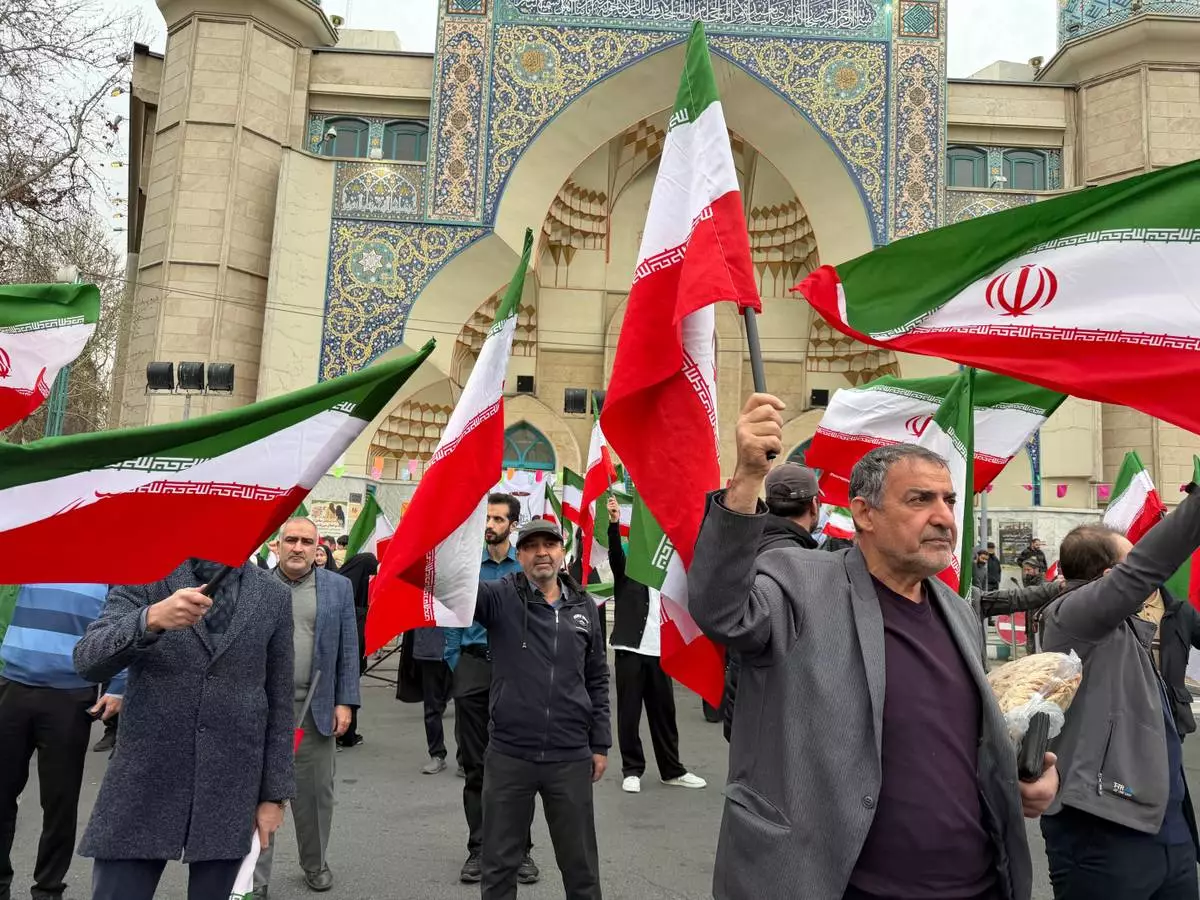
A group of men wave Iranian flags as they attend a demonstration in support of the government and against U.S. and Israeli strikes in Tehran, Iran, Saturday, Feb. 28, 2026. (AP Photo/Vahid Salemi)
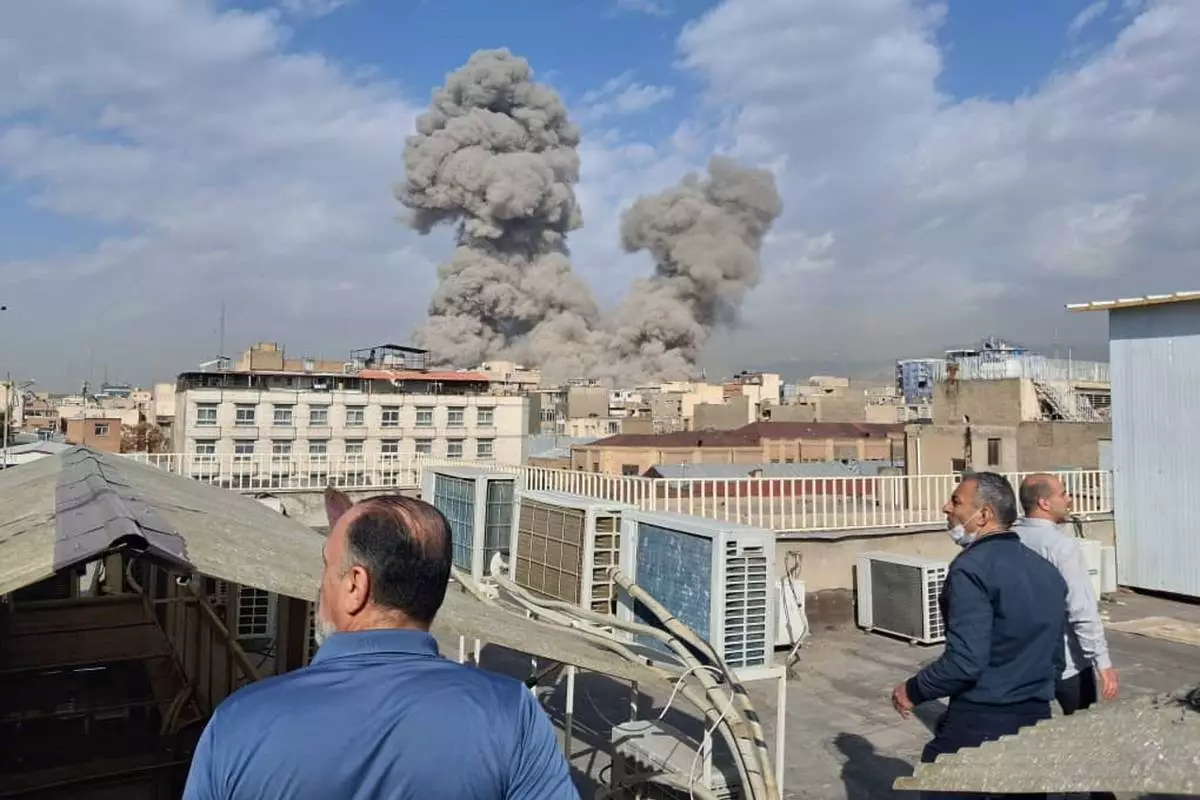
People watch as smoke rises on the skyline after an explosion in Tehran, Iran, Saturday, Feb. 28, 2026.(AP Photo)
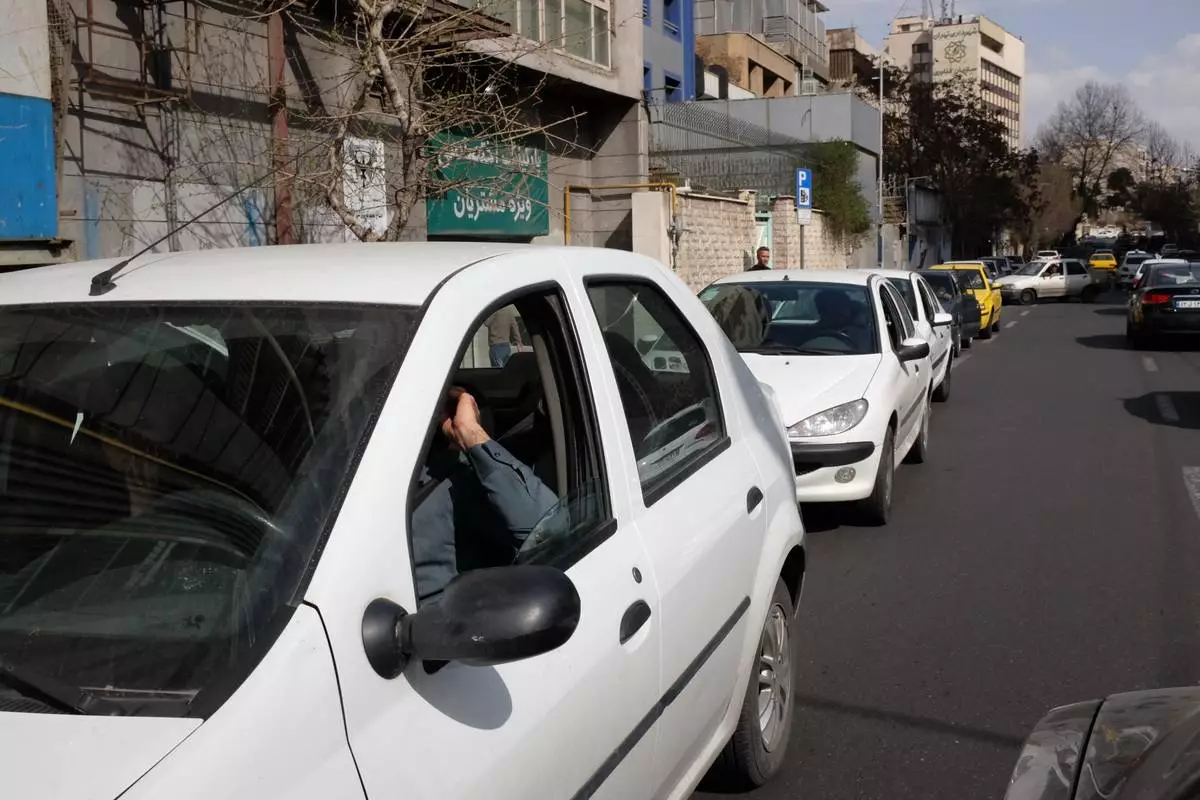
Vehicles queue outside a gas station following Israeli strikes in the city, in Tehran, Iran, Saturday, Feb. 28, 2026. (AP Photo/Vahid Salemi)
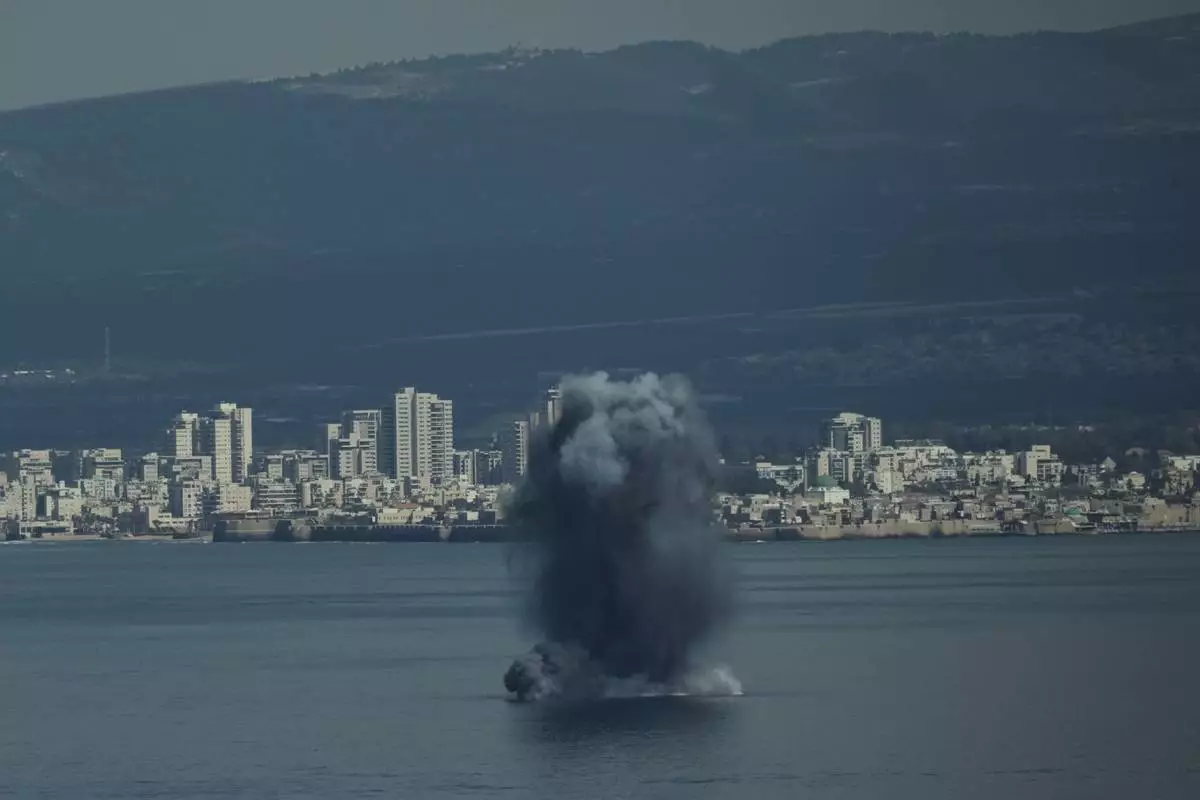
An incoming projectile explodes over the water as Israel issues a nationwide alert following its strikes on Iran, in Haifa Bay, northern Israel, Saturday, Feb. 28, 2026. (AP Photo/Leo Correa)
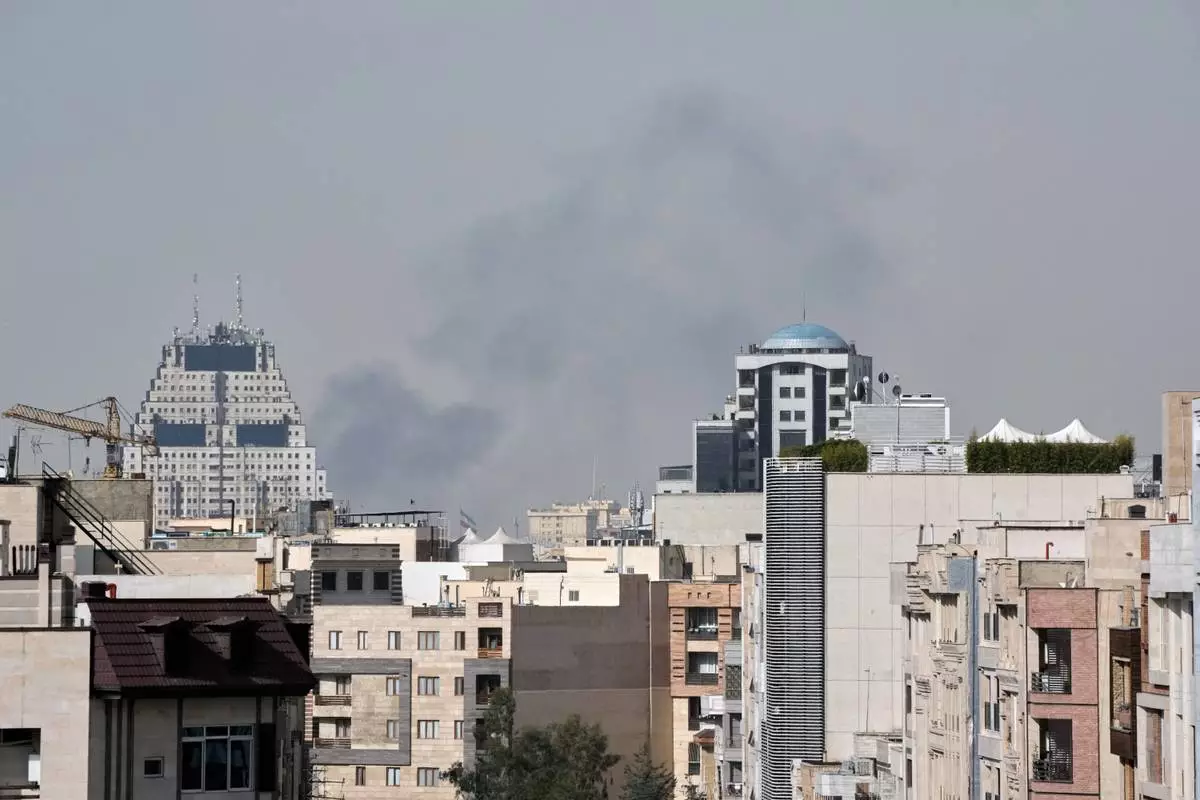
Smoke rises on the skyline after an explosion in Tehran, Iran, Saturday, Feb. 28, 2026.(AP Photo/Vahid Salemi)