The International Atomic Energy Agency (IAEA) on Saturday urged restraint to avoid any nuclear safety risks to people in the Middle East and called an emergency board meeting scheduled for Monday, as it races to assess nuclear safety risks following the U.S.-Israeli military strikes on Iran.
In a social media post, the IAEA said it is in permanent contact with countries in the region, and so far there is no evidence of any radiological impact and that it will keep monitoring the situation and informing.
In a phone call with IAEA Director General Rafael Grossi, Austrian Foreign Minister Beate Meinl-Reisinger was informed that no nuclear facilities in Iran have been struck so far, according to her social media post.
Meanwhile, the IAEA Board of Governors will hold a meeting on Monday at the agency's Vienna headquarters.
According to a statement released by the IAEA, the session will address "matters related to military strikes of the United States and Israel against the territory of the Islamic Republic of Iran."
Earlier on Saturday, the U.S. and Israel launched what U.S. President Donald Trump called "major combat operations" against Iran, plunging the war-torn Middle East into a new round of violent conflict.

IAEA urges restraint to avoid nuclear safety risks in Middle East

IAEA urges restraint to avoid nuclear safety risks in Middle East
UBS Group, one of the world's largest financial houses, has downgraded its allocation rating on United States equities to "neutral," while maintaining an "overweight" stance on emerging market stocks, according to a report released by the group on Feb 27.
The report recommends that investors allocate more to other global equity assets rather than U.S. stocks. Market fund flows this year also show that a growing number of investors are "leaving the U.S." and turning to more attractive emerging market equities, the report said.
UBS analysts said the drawdown in the United States capital market relative to global markets has reached its highest level in nearly 15 years. They warned that U.S. equities are increasingly likely to underperform broader global markets.
Data from Goldman Sachs Group show that United States stocks are experiencing their weakest start to a year since 1995.
Since the beginning of this year, the exchange traded fund iShares MSCI ACWI ex U.S. ETF, which tracks developed and emerging markets outside the United States, has risen more than 9 percent. In comparison, the S and P 500 has gained only 0.3 percent over the same period.
Goldman Sachs analysts said earlier in February that hedge funds have been net sellers of United States equities for four consecutive weeks, with the pace of selling reaching its fastest level since the United States government imposed reciprocal tariffs last year.
Separate data from the London Stock Exchange Group and its analytics arm Lipper show that United States investors have withdrawn 52 billion United States dollars from domestic equities so far this year, marking the fastest pace of outflows since 2010.
Capital flow trends suggest that United States equities are becoming less attractive to investors, while emerging markets are drawing increased interest. Since the start of the year, approximately 26 billion United States dollars has flowed from United States investors into emerging market equities.
UBS and other institutions pointed to repeated tariff adjustments, pressure on allies, high federal debt levels and periodic government shutdown risks as factors weighing on investor confidence. They said elevated policy uncertainty in the United States has been a key reason for the market's relative underperformance.
In contrast, emerging market economies are showing stronger growth potential and greater policy clarity, providing investors with clearer expectations and reinforcing a broader shift toward more diversified global asset allocation.
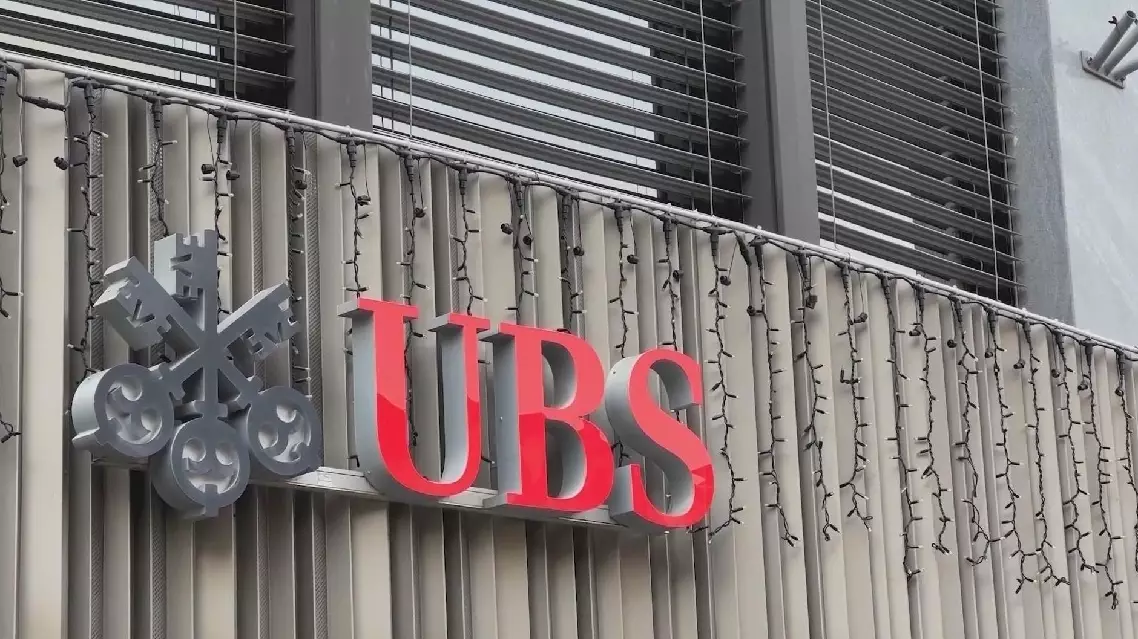
UBS downgrades US stock markets as investors turn to emerging markets