Lebanese experts have warned of widening instability and potential global repercussions after the U.S.-Israeli military strikes on Iran shattered hopes for diplomacy and plunged the Middle East into a new and dangerous phase of conflict.
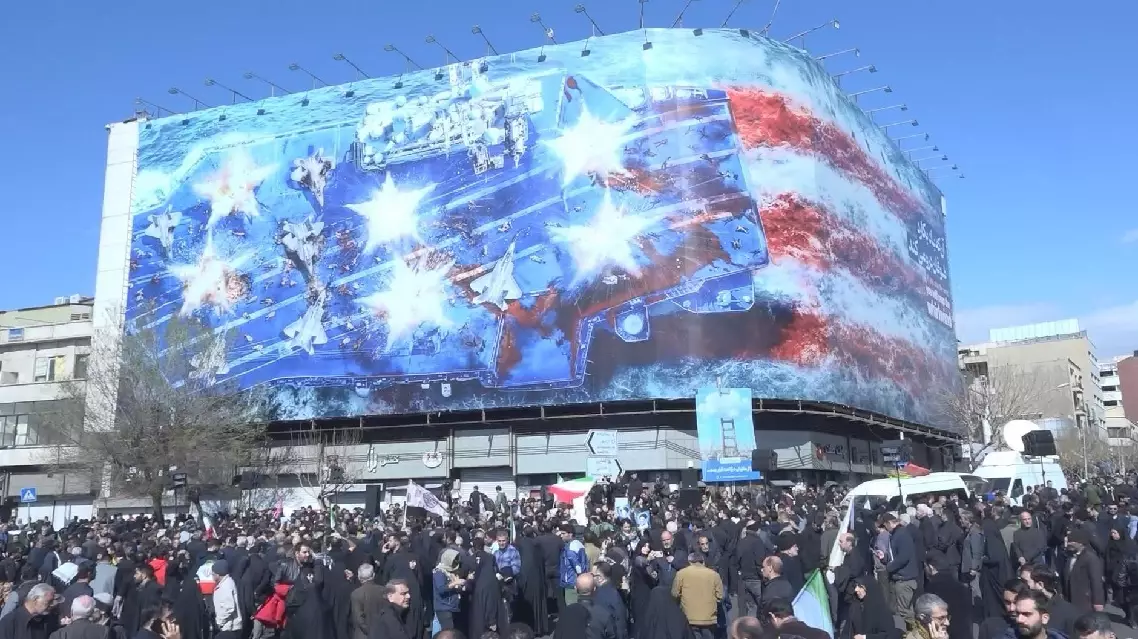
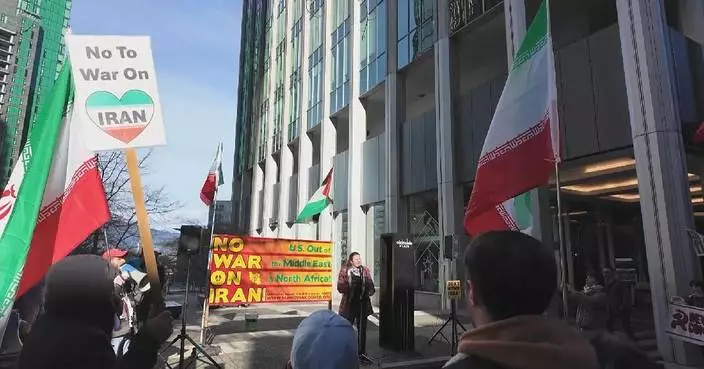
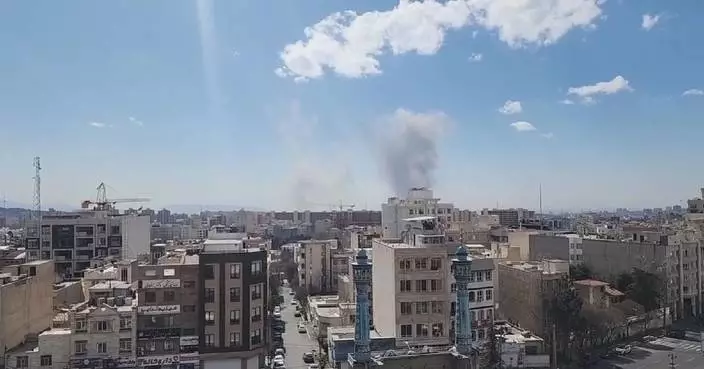
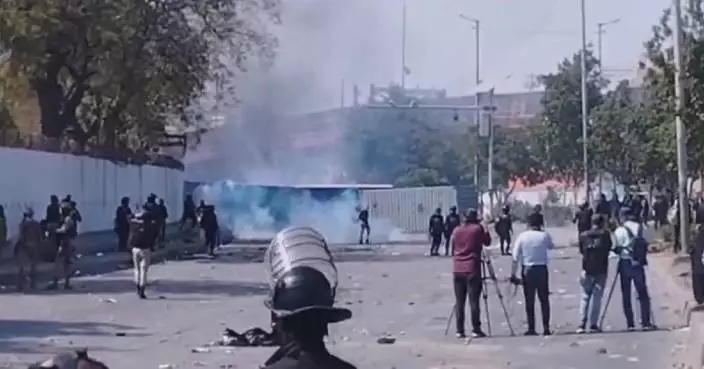
Just days after the U.S.-Iran negotiations in Geneva concluded, explosions rocked central Tehran, marking the start of coordinated U.S.-Israeli military action against Iran. Despite warnings from allied and friendly nations that the region risks spiraling into an unpredictable abyss, the assault has escalated, threatening not only Iran but the broader Middle East.
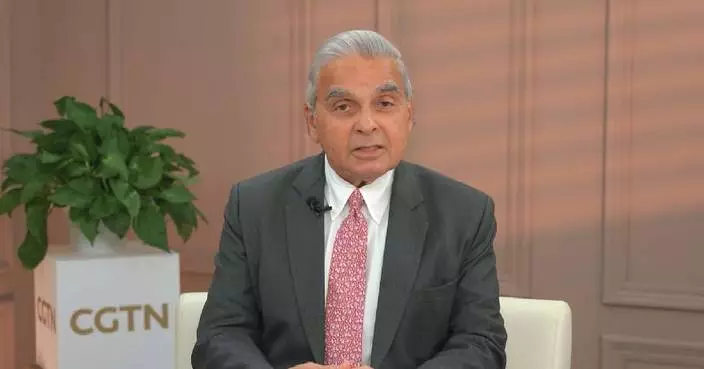
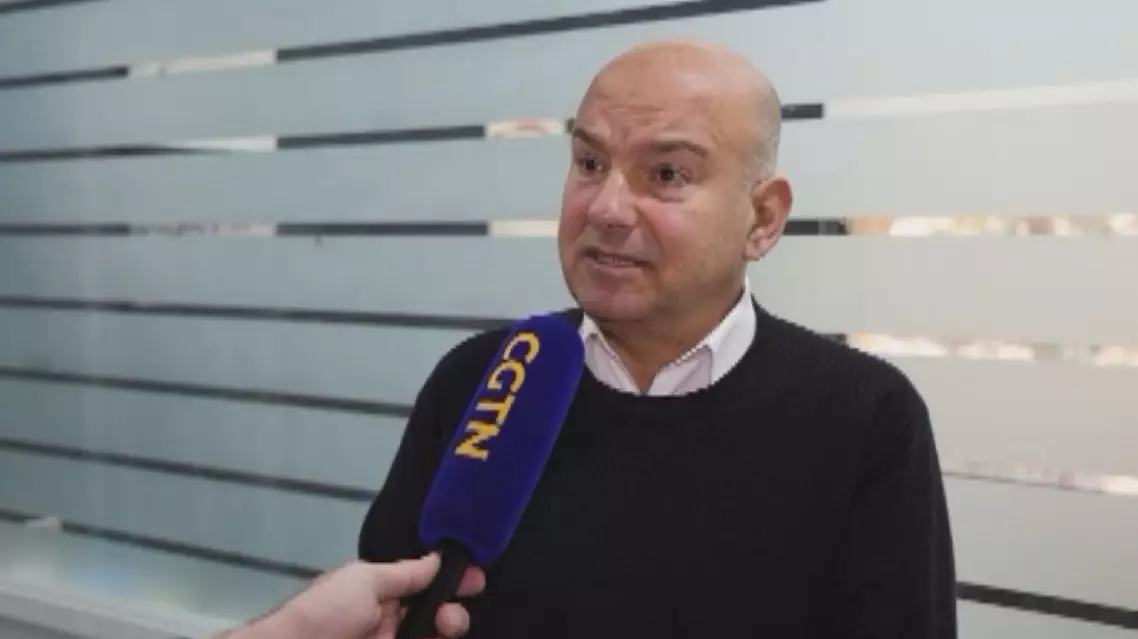
"We are confronting a major threat to international peace and security, not only to Iran or the region, but an actual threat of a third World War. We are facing a real danger to everything established after World War II and the founding of the United Nations. The UN Charter is under very serious threat, its preamble, Article 2, and Paragraph 4," said Lebanese international law expert Hassan Jouni.
That paragraph of the UN Charter states that member countries must not use force against another state's territorial integrity or political independence.
Experts further emphasized that the unilateral use of force has violated the international law.
"It seems the region has moved into a different phase entirely after the failure of negotiations and the return to the language of war and force. At minimum, two scenarios are possible: either Iran withstands and confronts the aggression, or it collapses in the face of the U.S. and Israel, which would mean the continuation and completion of the American offensive and Israeli incursion, potentially leading to total control over the entire region after the strike on Iran," said Ghassan Melhem, director of the Political Science Department of Lebanese University.
In Lebanon and beyond, fears are mounting over the expansion of the conflict, threats to oil supply lines, and disruptions to maritime traffic, all of which could trigger severe supply and price crises -- or worse.
"The capitalist system always looks for solutions to its problems through war. We are facing an imminent danger, not only to Iran or the region, but also if major powers intervene to contain the United States, we will find ourselves in an entirely different situation. None of us will be immune from what is happening," Jouni said.
Lebanese experts warn of regional destabilization after US-Israel attacks on Iran