The leaders of multiple countries have condemned the joint U.S.-Israeli military strikes on Iran, which resulted in the death of Iran's Supreme Leader Ayatollah Ali Khamenei besides civilian casualties, including children, urging immediate de-escalation to prevent the conflict from spiraling into a wider regional war.
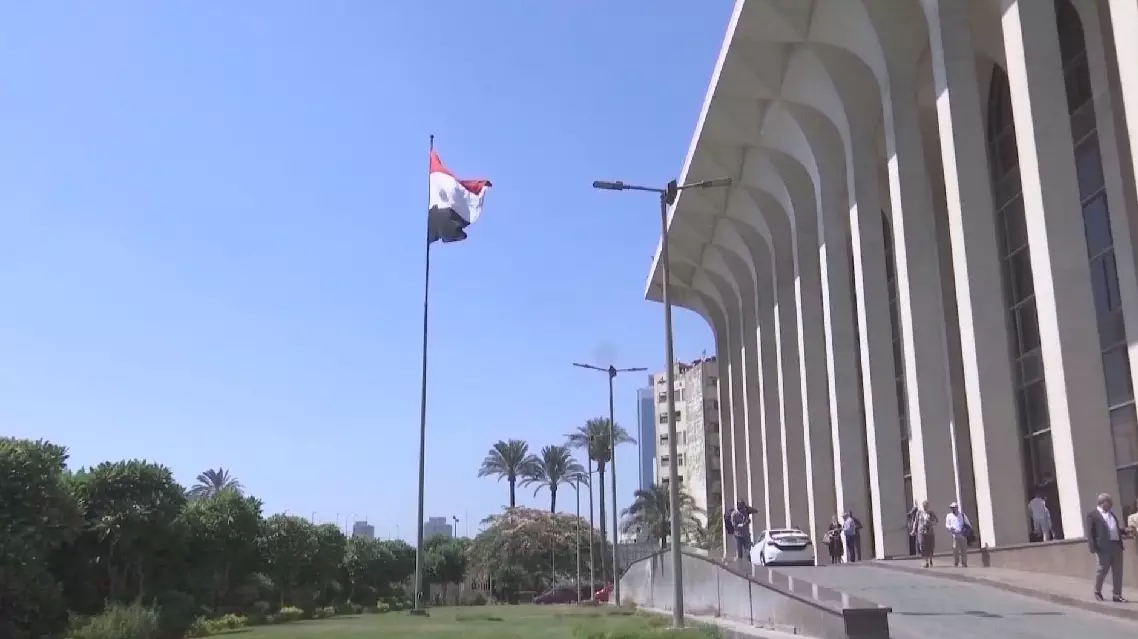
Egyptian President Abdel-Fattah al-Sisi emphasized on Saturday the necessity of returning to dialogue and diplomacy to reach political solutions to the current crisis in Iran, noting that military solutions will not serve the interests of any party.
Sisi made the remarks during separate phone calls with the leaders of Jordan, Qatar, Saudi Arabia, Bahrain and the United Arab Emirates (UAE), according to statements from the Egyptian Presidency.
Sisi noted that military solutions threaten to plunge the region into a vicious cycle of violence, instability and bloodshed, which contradicts the aspirations of the region's peoples for prosperity, security and stability.
He further expressed Egypt's full solidarity and support for the Arab nations that were subjected to Iran's retaliatory missile attacks on U.S. military facilities there, underscoring Egypt's rejection and profound condemnation of any infringement upon the sovereignty, security and stability of Arab countries.
In a social media post on Saturday, Colombian President Gustavo Petro condemned the joint U.S.-Israeli military operation as "a mistake," denouncing the civilian casualties, including many minors, as "an act of barbarism."
He said that world peace is a common cause of humanity, stressing that diplomatic talks between Washington and Tehran on the nuclear issue must resume without delay.
South African President Cyril Ramaphosa on Saturday expressed deep concern over the escalation of tensions in the Middle East and called on all parties to exercise maximum restraint and intensify diplomatic efforts.
In a statement issued by the South African Presidency, Ramaphosa said the developments pose a serious threat to regional and international peace and security, with far-reaching humanitarian, diplomatic and economic consequences.
He called on all parties to act in accordance with international law, international humanitarian law, and the principles of the United Nations Charter, and reiterated his call for intensified diplomatic efforts to de-escalate tensions and create space for meaningful negotiations.
In a post on social media platform X, Portuguese Prime Minister Luis Montenegro said that the Portuguese government has been following with great concern the evolution of the situation in the Middle East.
He called on all parties to "exercise maximum restraint" in order to prevent escalation, preserve international peace and security, and ensure regional stability, in line with the UN Charter.
In an official statement, Brazil's Foreign Ministry conveyed its strong condemnation and grave concern regarding the joint U.S.-Israeli military action against Iran.
The statement emphasized that the strikes took place amid an ongoing diplomatic process between the parties, which is the only viable path to peace.
Brazil calls on all parties to respect international law, exercise maximum restraint, prevent an escalation of hostilities, and ensure the protection of civilians and civilian infrastructure, according to the statement.
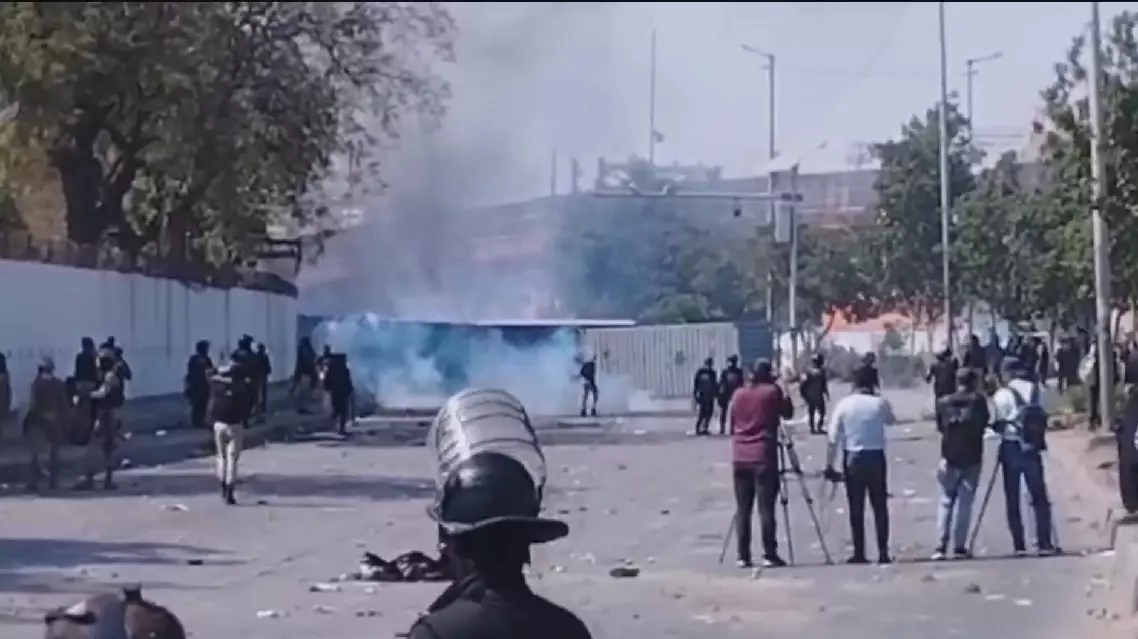
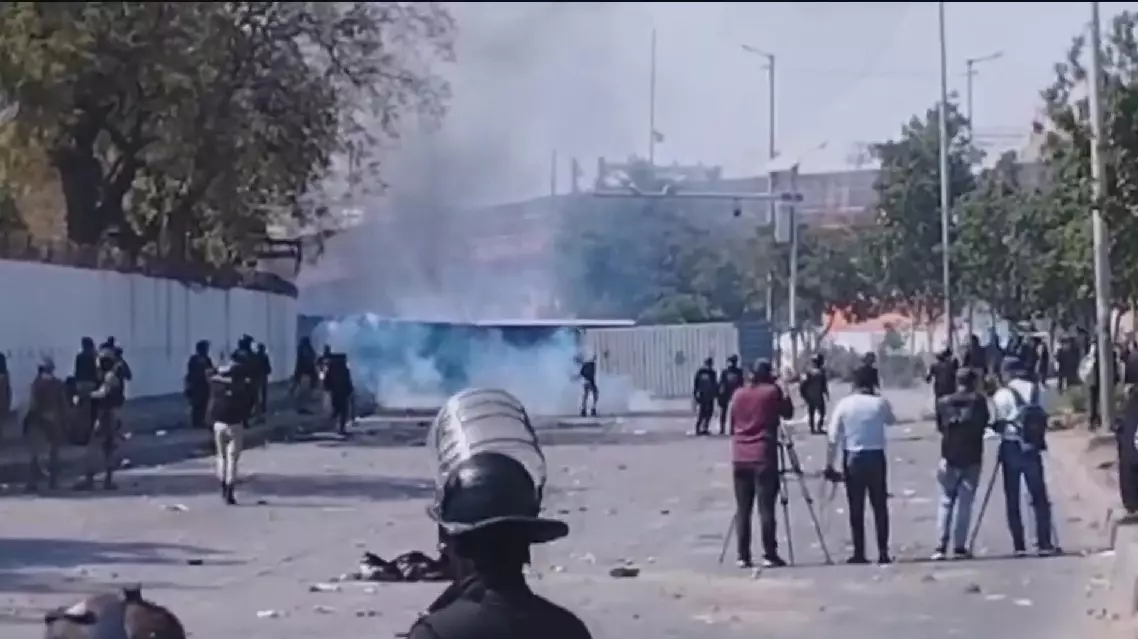
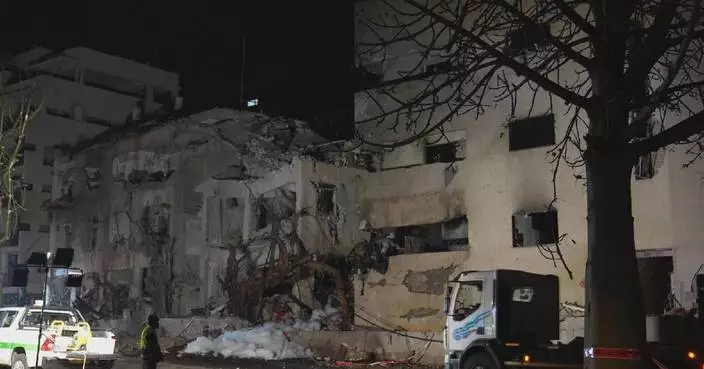
The United States and Israel on Saturday launched "major combat operations" against Iran. Iran retaliated with a series of counterattacks against Israel and U.S. targets across the region, with explosions reported in Bahrain, Qatar, Kuwait, Jordan, the UAE, and Saudi Arabia, among other countries.
Leaders of multiple countries condemn U.S.-Israeli strikes on Iran, urging immediate de-escalation