As recent U.S.-Israeli attacks against Iran has escalated tensions in the Middle East, trade flows between Yiwu and the region has been disrupted, prompting exporters and overseas buyers to adjust shipping plans and market strategies.
At Yiwu City of east China's Zhejiang Province, a global trade hub dubbed as “the world's supermarket”, hardware trader Wang Yuxiao said communication with Middle Eastern clients has intensified in recent days, with customers repeatedly inquiring whether orders will be dispatched on schedule.
"Even before we get back to work from the Spring Festival holiday, clients from the UAE, Iraq, and Iran were asking about the status of their goods. Given the current situation, clients from the Middle East hope shipments can leave as soon as possible," said Wang.
Delivery schedules to the region have grown increasingly uncertain. Tao Juying, another trader, said she is proactively reallocating business to mitigate risks.
"We plan to shift about 30 percent of our Middle East business to other markets. Our focus is now on Latin America, Africa, and ASEAN countries, where we will open more than 20 additional exclusive outlets," said Tao.
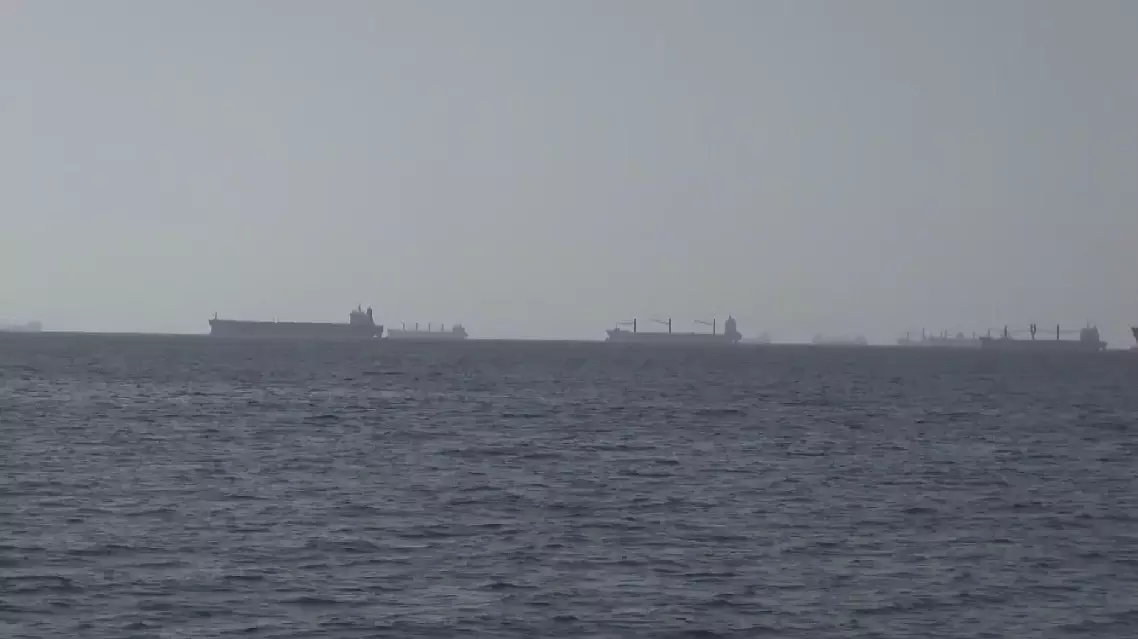
Logistics routes are also being adjusted. Shipping companies are expected to divert vessels around the Cape of Good Hope, adding roughly two weeks to transit times and pushing up freight rates. Meanwhile, some companies are turning to overland transport, including China-Europe Railway Express services. Though more expensive, rail transport offers greater speed and stability.
"I saw the news early and was concerned. Otherwise, I would have continued with sea freight. Now I am switching to land transport through Kazakhstan and Uzbekistan before reaching Turkmenistan. It is safer and more stable. I do not want to take any risk," said a buyer from Turkmenistan, a neighboring country of Iran.

Yiwu exporters seek ways to mitigate disruptions of Iran tensions

Yiwu exporters seek ways to mitigate disruptions of Iran tensions