GENEVA & COPENHAGEN, Denmark--(BUSINESS WIRE)--Mar 2, 2026--
Medimaps Group S.A., a global leader in AI-driven bone microarchitecture imaging solutions, and Radiobotics ApS, a leader in AI-powered MSK radiology solutions, today announced that they have entered into a strategic merger agreement. Closing of the transaction is subject to receipt of Danish foreign direct investment (FDI) approval and other customary closing conditions. The merger will combine the two specialized AI medical imaging analysis companies to accelerate the adoption of AI-enabled musculoskeletal imaging, bringing complementary technologies, clinical validation, and global commercial capabilities together under a unified MSK vision.
This press release features multimedia. View the full release here: https://www.businesswire.com/news/home/20260227395544/en/
The combined organization will offer a comprehensive suite of AI-enabled medical imaging solutions across X-ray and DXA modalities, ranging from automated fracture detection and opportunistic bone fragility assessment to fracture risk prediction. Medimaps Group’s bone microarchitecture solutions – including TBS Osteo™ and TBS Reveal™ – together with RBfracture™, Radiobotics’ flagship solution for detecting trauma-related findings, integrate seamlessly into existing radiology workflows through PACS-enabled capabilities.
The mission of the combined entity will be to solve the silent crisis of bone health by closing the gap between reactive diagnostics and preventative care. This partnership will create the world’s first end-to-end MSK AI ecosystem, where every X-ray becomes a tool for both detection and long-term risk prediction. To achieve this at scale, the organization will leverage its combined clinical expertise, operational capabilities, and established distribution networks to expand access to its portfolio across 90 markets worldwide – including the United States - serving hospitals, clinics, and imaging centers.
“This merger represents a pivotal milestone in Medimaps Group’s long-term strategy to strengthen our leadership in bone health assessment,” said Univ.-Prof. Dr. Didier Hans, Co-founder and CEO of Medimaps Group. “Our ambition is to give radiologists a single, trusted platform that brings together fracture detection and fracture risk prediction across the continuum of care, so clinicians can make better decisions, patients receive better outcomes, and healthcare systems benefit from more efficient, evidence-based care.”
A combined executive team will lead the new organization, ensuring continuity in strategy and support while preserving the MSK expertise of both brands. By maintaining key leadership from both sides, the group will be positioned to foster a high-growth, collaborative environment that honors the heritage of both companies.
“Radiobotics has always been driven by scientific rigor and real-world clinical impact,” says Peter Ulvskjold, CEO of Radiobotics and member of the Medimaps Group Executive Committee. “Joining Medimaps Group will accelerate access to our technology. It’s an important step in our vision to ensure patients receive immediate and precise, expert-level care in MSK imaging, 24/7, regardless of time, infrastructure, or staffing constraints.”
Fractures remain one of the most common and operationally demanding challenges for hospitals and emergency departments. High trauma volumes, time-critical decision-making, and the risk of missed or delayed diagnoses place sustained pressure on clinicians and care pathways. Improving the speed and consistency of fracture assessment is therefore critical for patient outcomes and hospital efficiency. Osteoporosis and related fragility fractures alone represent a significant clinical and economic burden for healthcare systems, with annual costs currently estimated at $22 billion and projected to rise to more than $95 billion by 2040 1.
Early identification of bone fragility and accurate fracture risk assessment are critical to enabling timely intervention and preventing fractures before they occur. By leveraging AI-powered imaging solutions such as RBfracture™, TBS Reveal™ and TBS Osteo™, radiologists can more effectively identify at-risk patients and support proactive clinical management.
Financial terms of the transaction will not be disclosed.
References
About Medimaps Group
Founded by medical practitioners and clinical researchers, Medimaps combines Swiss innovation with a global presence to lead in bone health management. We provide healthcare professionals worldwide with advanced AI-driven software that enables comprehensive bone microarchitecture assessment.
Our passion for musculoskeletal health is grounded in scientific expertise and strengthened through collaborations with world-class academics, clinicians, industry partners, and patient communities. The science behind our imaging applications and robust clinical evidence form the core of Medimaps Group’s identity.
Medimaps Group, headquartered in Geneva, Switzerland, has offices in the United States and France. Its U.S. affiliate, Medimaps Group USA LLC, markets the company products and services.
Learn more at www.medimaps.ai
About Radiobotics
Founded in 2017, Radiobotics is an award-winning Danish MedTech company dedicated to advancing musculoskeletal (MSK) radiology with AI-powered solutions. Radiobotics’ flagship solution, RBfracture ™, is designed to support Emergency and Radiology with highly accurate detection of trauma-related findings, including fractures, dislocations, lipohemarthrosis, and effusion.
Radiobotics’ commitment to delivering precise, expert-level care in MSK imaging 24/7, regardless of time, infrastructure, or staffing constraints, is reflected in its close collaboration with leading clinical institutions, including partnering with Oxford University Hospital (OUH) on the world’s first and largest randomised clinical trial evaluating radiology AI in urgent care as well as achieving NICE approval for use in urgent care settings across the NHS.

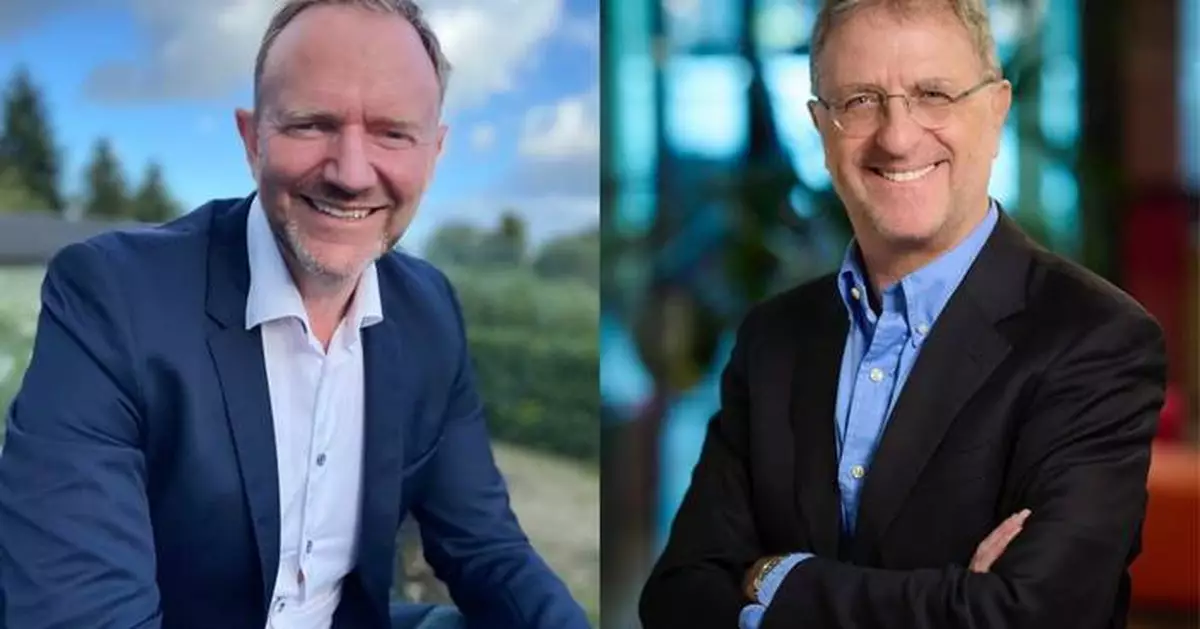
Peter Ulvskjold from Radiobotics (left) and Didier Hans from Medimaps Group (right)
MADRID (AP) — Pope Leo XIV urged Spaniards on Saturday to stop “fanning the flames of polarization” as he arrived in Spain at a moment of political turmoil for the Socialist-led government and a credibility crisis for the Catholic Church.
The American pontiff traveled to Spain dozens of times as a priest, but this is the first visit here by a pope in 15 years. And Spaniards turned out in droves to welcome Leo, with an estimated 500,000 people — many of them young — cheering “This is the youth of the pope” at a raucous evening prayer vigil in Plaza de Lima in Madrid, where Leo was treated to a rock star's welcome.
Leo's visit signals a return of papal attention to Europe’s Christian roots after Pope Francis largely stayed away from the traditional centers of Christianity in favor of smaller Catholic communities farther away.
Leo is seemingly keen to bring his message of peace, unity and human dignity to a continent sorely polarized over migration, the Russia-Ukraine war and anxiety over artificial intelligence.
The pope, known as León XIV in Spanish, opened his weeklong trip in Madrid, greeted at the airport by the country’s Catholic monarchs, King Felipe VI and Queen Letizia, and Prime Minister Pedro Sánchez. He told reporters, while traveling, that he was particularly heartened by reports of a spiritual awakening among young people in the once staunchly Catholic but now secularized country.
During his welcome address, Leo appealed to Spaniards, especially political leaders, to put polemics aside and invest in educating young people to appreciate diversity and complexity rather than shunning them.
“Today, the temptation to gain popularity by fanning the flames of polarization seems to have grown rather than diminished, and human dignity continues to be violated,” Leo said.
He appealed to Spain’s place at the heart of Christian Europe to serve as a model for the rest of the continent, while also recalling the country's 800-year Moorish past, when cities like Toledo and Córdoba became, he said, “centers of dialogue between languages, religions and knowledge.”
“For the love of truth, I invite everyone to set aside the divisive and polarizing narratives of your societal reality and history,” he said. Doing so will help Europe “overcome sterile simplifications through the fruitful appreciation of complexity.”
Spaniards find themselves increasingly divided over issues including immigration, feminism and political corruption, while historically Spain was riven by territorial and independence movements.
The highlight of Leo’s visit to Madrid will be his speech on Monday to a joint parliamentary session of the Congress of Deputies and the Senate — the first by a pope. Such speeches are rare and often become one of the most important of a pontificate.
But Leo will find a highly polarized legislature, with the government Socialist party hammered by a series of corruption scandals. Conservative parties, including the Popular Party and Vox, have called for Sánchez to step down before a general election due by next year, and have roundly criticized his government’s migration policies.
Spain’s Socialist-led government has bucked a general trend in Europe and the United States by announcing it will grant legal status to potentially hundreds of thousands of immigrants living and working in the country without authorization. Sánchez has highlighted the benefits of legal migration to the Spanish economy with an aging workforce and low birth rate.
Despite some expected protests of Leo’s visit, his speech to parliament in particular is something of a milestone for Spain’s Catholic Church. Shaped by the anticlerical violence of the country’s 1936-1939 civil war, the church has dealt more recently with a credibility crisis over revelations of decades of clergy abuse and cover-up.
And yet there are signs of renewed interest in all forms of spirituality, Christian and otherwise, especially among young Spaniards, said sociologist Narciso Michavila Núñez, president of the GAD3 consulting firm that polls young people about their faith, among other things.
In recent surveys, he said, pollsters are registering newfound interest in faith among Gen Z Spaniards. Michavila and others cite the popularity of Spanish pop star Rosalía’s new hit album “Lux,” which is overtly spiritual.
“The truth from a common view is not that God is in fashion. What is new in this moment, in this visit of the pope, is that God in the Spanish society is not a taboo anymore,” he said.
Leo pointed to the signs of a spiritual awakening in comments to reporters en route to Madrid. But he also acknowledged that he's facing stiff competition from Bad Bunny, who is holding two concerts this weekend.
“If they are confronted with the question ‘Do you want to go see Bad Bunny or do you want to go to see the pope?’ I think many will see Bad Bunny,” Leo said. “But I think there will also be a few here to see the pope. And that says something, you know.”
In a sign that the clergy sexual abuse crisis continues to overshadow papal trips, Leo confirmed he would meet with survivors during his visit. The Spanish Catholic hierarchy is belatedly reckoning with decades of abuse and cover-up.
“Abuses are still an open wound,” he told reporters.
Spain's king also cited the church’s sexual abuse crisis in the country in his welcome speech, but he insisted such cases “neither are nor can be representative of the immense ecclesial community.”
“Your clarity and firmness, which I also wish to acknowledge, are essential in the process of healing and repairing the harm inflicted: they are essential for the victims, for the faithful, for the church, and for society,” Felipe told Leo, in an apparent reference to a recently launched church-state reparations system for some victims of clerical abuse.
Leo’s trip is the first papal visit to Spain since Pope Benedict XVI came in 2011 for World Youth Day.
After Madrid, the other highlights of the trip include Leo’s visit midweek to Barcelona, where he will celebrate Mass in the Sagrada Familia basilica on the centenary of the death of its famed architect, Antoni Gaudí.
Leo will also fulfill a wish of Francis by ending his visit with a two-day stop in the Canary Islands, the Spanish archipelago closer to Africa than the Iberian Peninsula and a key destination for migrants leaving West Africa.
Leo will meet with migrants and the humanitarian organizations providing care for them. He is expected to toss a wreath of flowers into the sea, in memory of migrants killed during the treacherous Atlantic crossing. He’ll do so from the port in Las Palmas that in 2020 earned the nickname the “Dock of Shame” because thousands of migrants were forced to sleep in the open for weeks on end during a spike in arrivals.
Francis had made reaching out to migrants and refugees a hallmark of his papacy, and Leo has followed suit by demanding dignified treatment of migrants, especially in his native U.S.
“For those of us who are immigrants and find ourselves in this situation of having family far away, someone like the pope — who is an important figure for the entire world — coming here is truly something that makes me say ‘wow,’” said Constantina Nchama, an immigrant from Equatorial Guinea.
“It’s something that happens once in a lifetime,” she said. “I’m very, very excited about that, truly.”
Associated Press religion coverage receives support through the AP’s collaboration with The Conversation US, with funding from Lilly Endowment Inc. The AP is solely responsible for this content.

Pope Leo XIV talks to Niurka, a mother of two, during his visit to the CEDIA 24 Horas Social Project center in Madrid, Saturday, June 6, 2026, on the first day of a seven-day apostolic journey to continental Spain and Canary Islands. (AP Photo/Alessandra Tarantino)
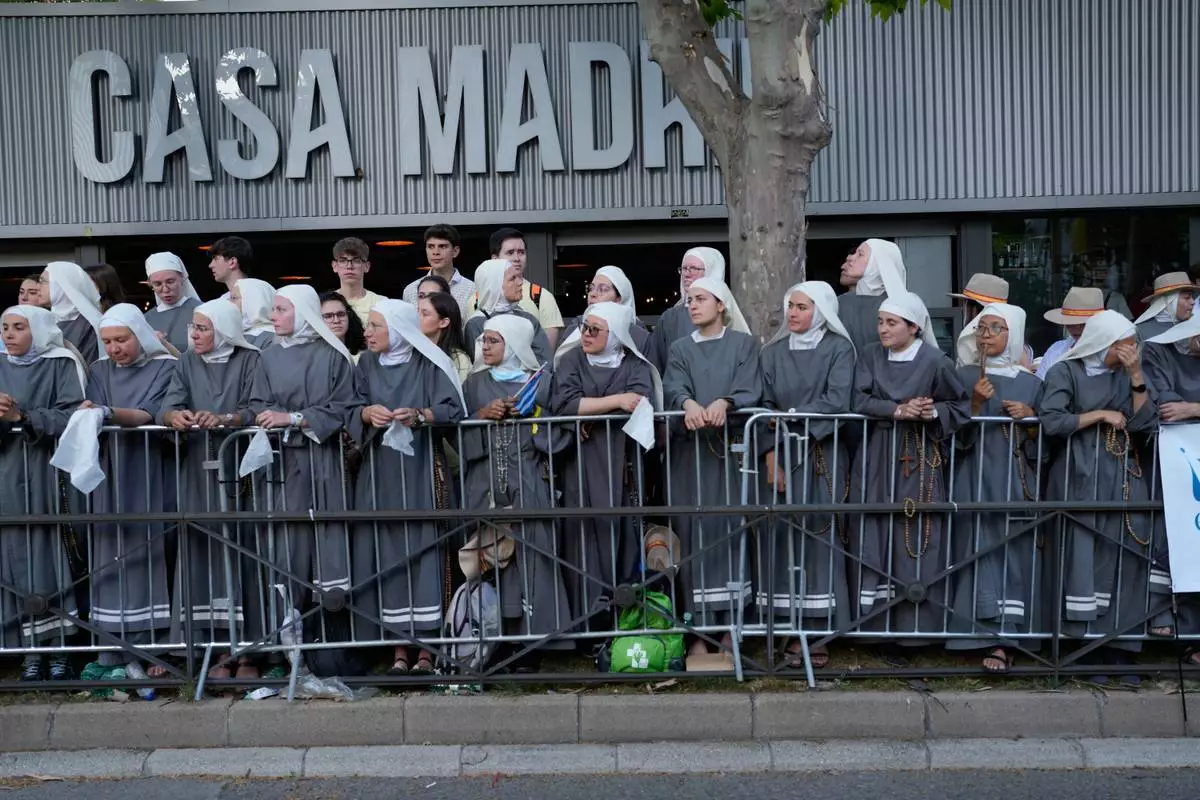
A group of nuns wait for the arrival of Pope Leo XIV during a prayer vigil with young people at Plaza de Lima in Madrid, Spain, Saturday, June 6, 2026, on the first day of his seven-day apostolic visit to mainland Spain and the Canary Islands. (AP Photo/Bernat Armangue)
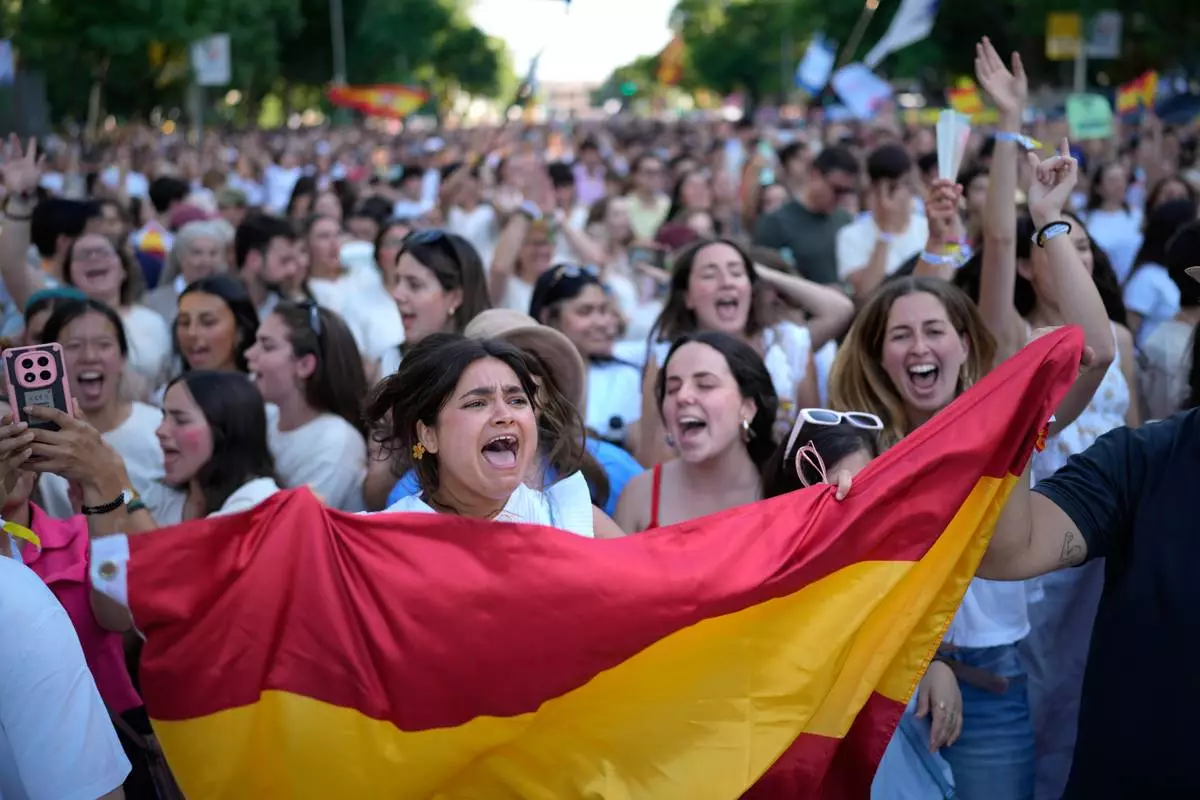
People wait for the arrival of Pope Leo XIV during a prayer vigil with young people at Plaza de Lima in Madrid, Spain, Saturday, June 6, 2026, on the first day of his seven-day apostolic visit to mainland Spain and the Canary Islands. (AP Photo/Bernat Armangue)
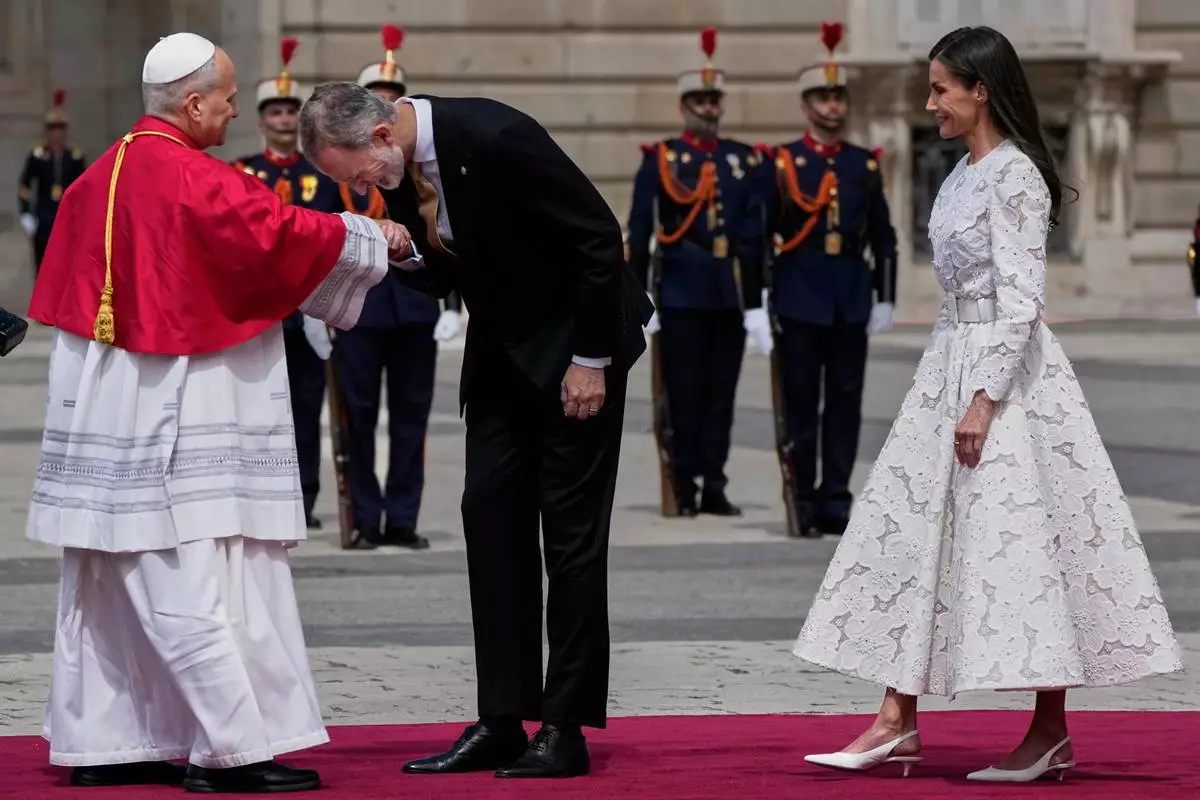
Pope Leo XIV is welcomed by Spain's King Felipe VI and Queen Letizia, as he arrives at the Royal Palace in Madrid, Saturday, June 6, 2026, on the first day of his seven-day apostolic journey to mainland Spain and the Canary Islands. (AP Photo/Alessandra Tarantino)
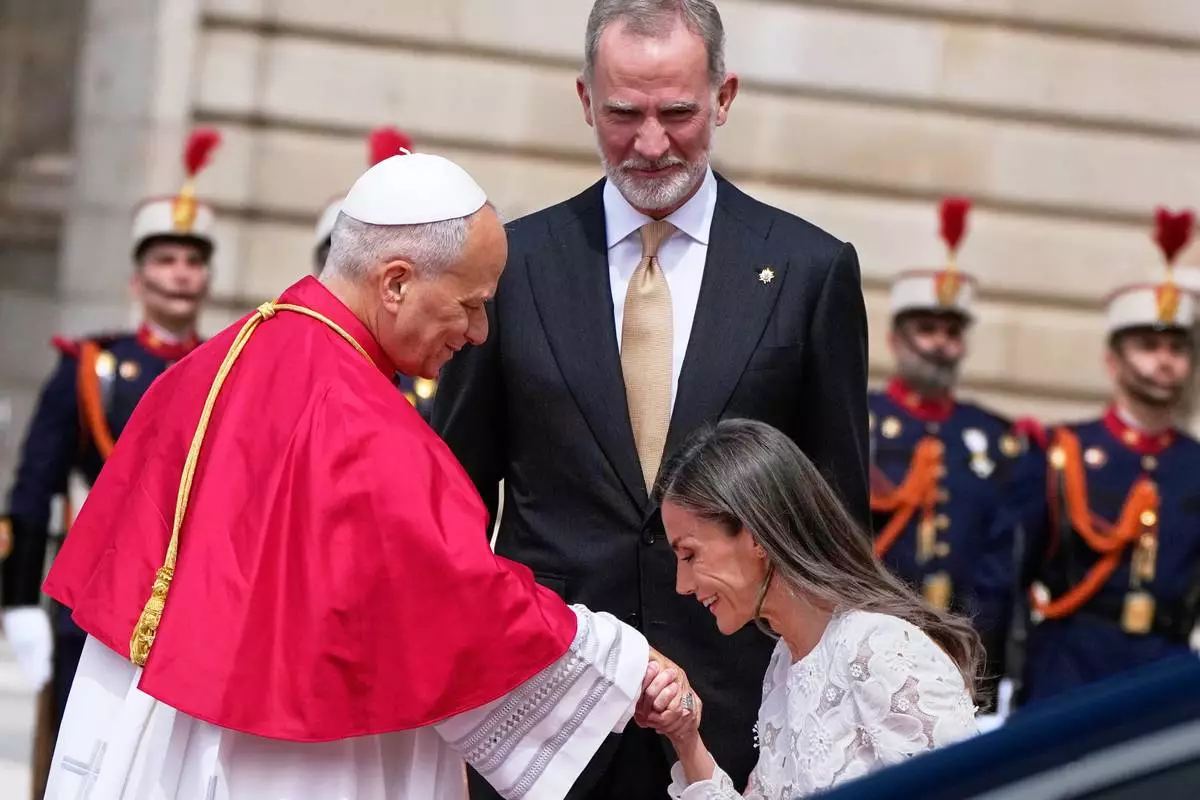
Pope Leo XIV is welcomed by Spain's King Felipe VI and Queen Letizia, as he arrives at the Royal Palace in Madrid, Saturday, June 6, 2026, on the first day of his seven-day apostolic journey to mainland Spain and the Canary Islands. (AP Photo/Alessandra Tarantino)
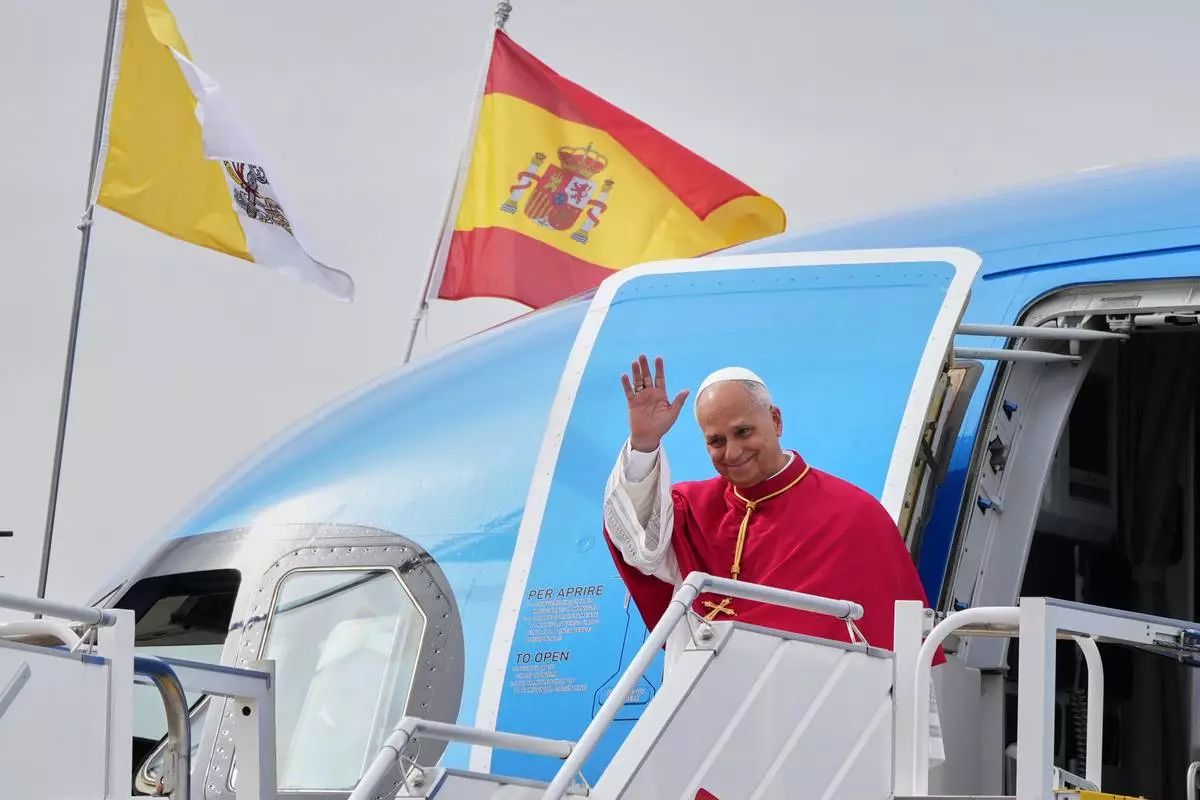
Pope Leo XIV arrives at Madrid's Adolfo Suarez International Airport, Saturday, June 6, 2026, as he starts a seven-day apostolic journey to mainland Spain and the Canary Islands. (AP Photo/Alessandra Tarantino)
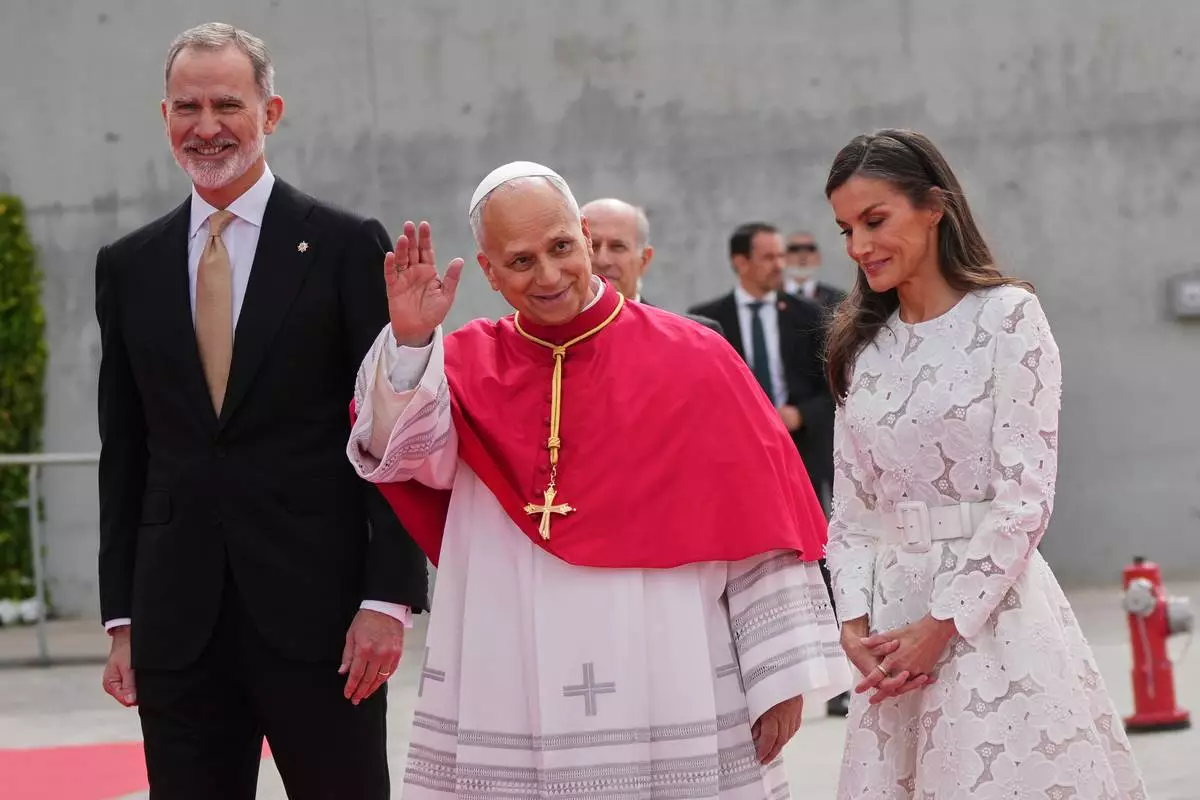
Pope Leo XIV is welcomed by Spain's King Felipe VI and Queen Letizia upon his arrival at Adolfo Suarez Madrid-Barajas International Airport in Madrid, Saturday, June 6, 2026, marking the start of his seven-day apostolic journey to mainland Spain and the Canary Islands. (AP Photo/Alessandra Tarantino)
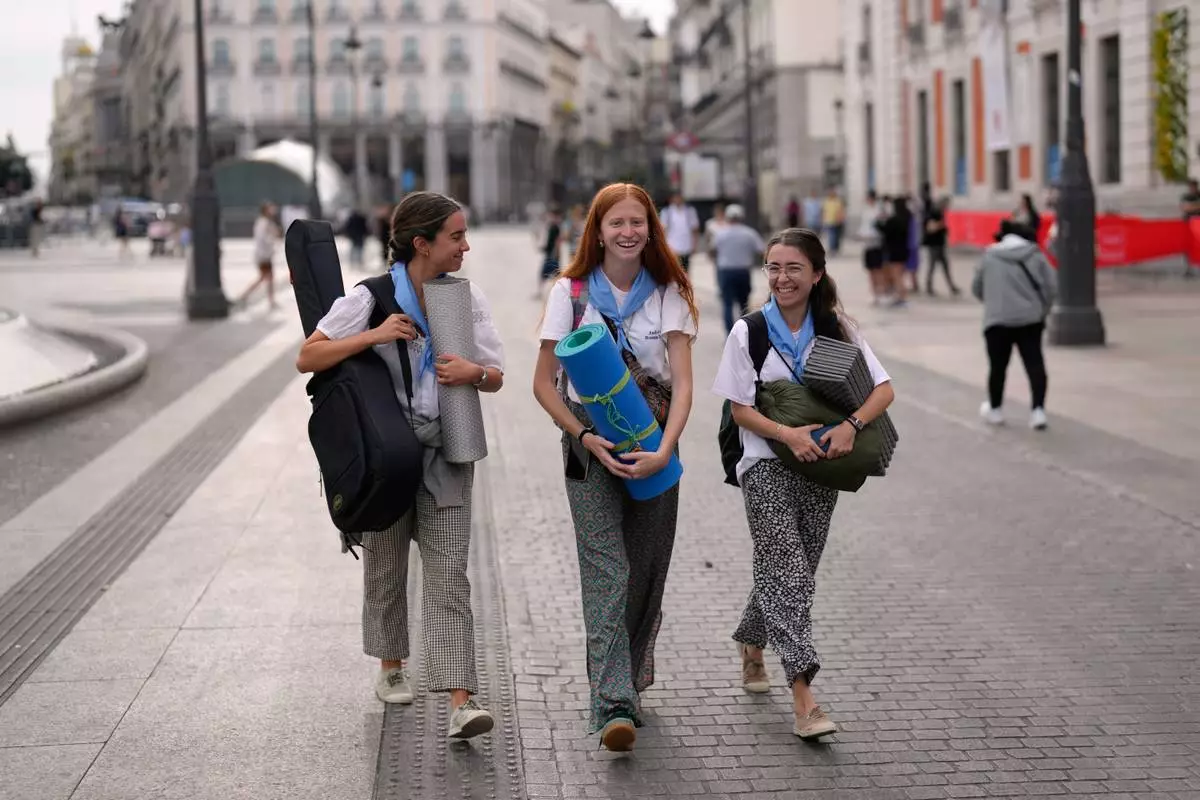
Pilgrims walk through Madrid ahead of Pope Leo XIV's visit to Spain, Saturday, June 6, 2026. (AP Photo/Bernat Armangue)
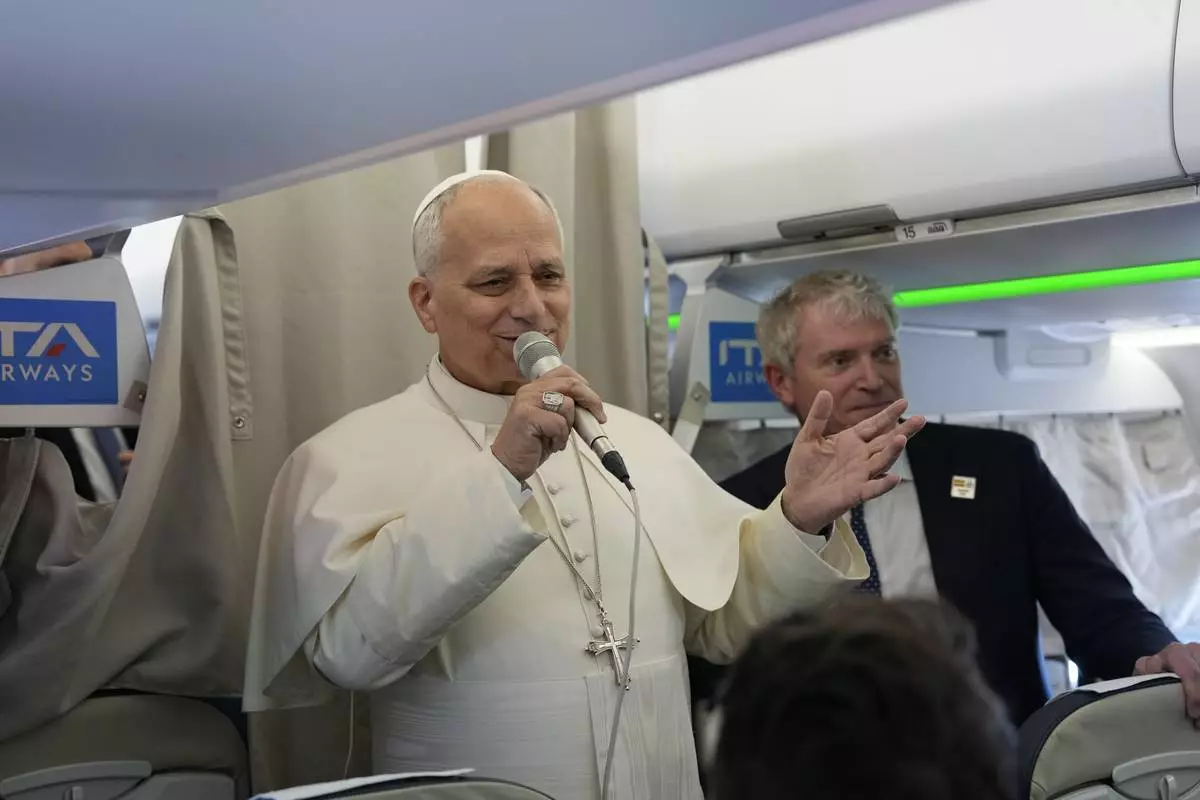
Pope Leo XIV talks to journalists aboard the papal flight from Rome to Madrid, Saturday, June 6, 2026, on the occasion of his apostolic journey to Spain. (AP Photo/Alessandra Tarantino, Pool)
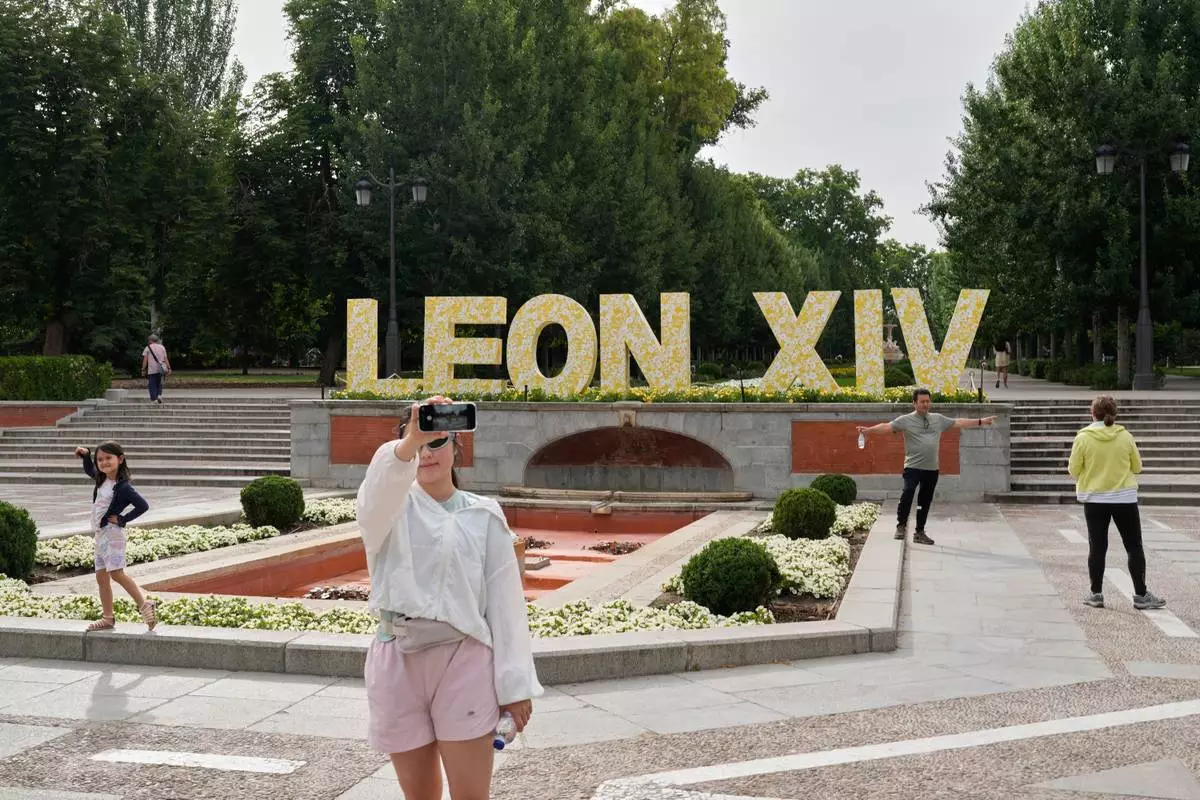
Visitors pose for photos beside a sign bearing the name of Pope Leo XIV in Madrid, Spain, Saturday, June 6, 2026. (AP Photo/Bernat Armangue)
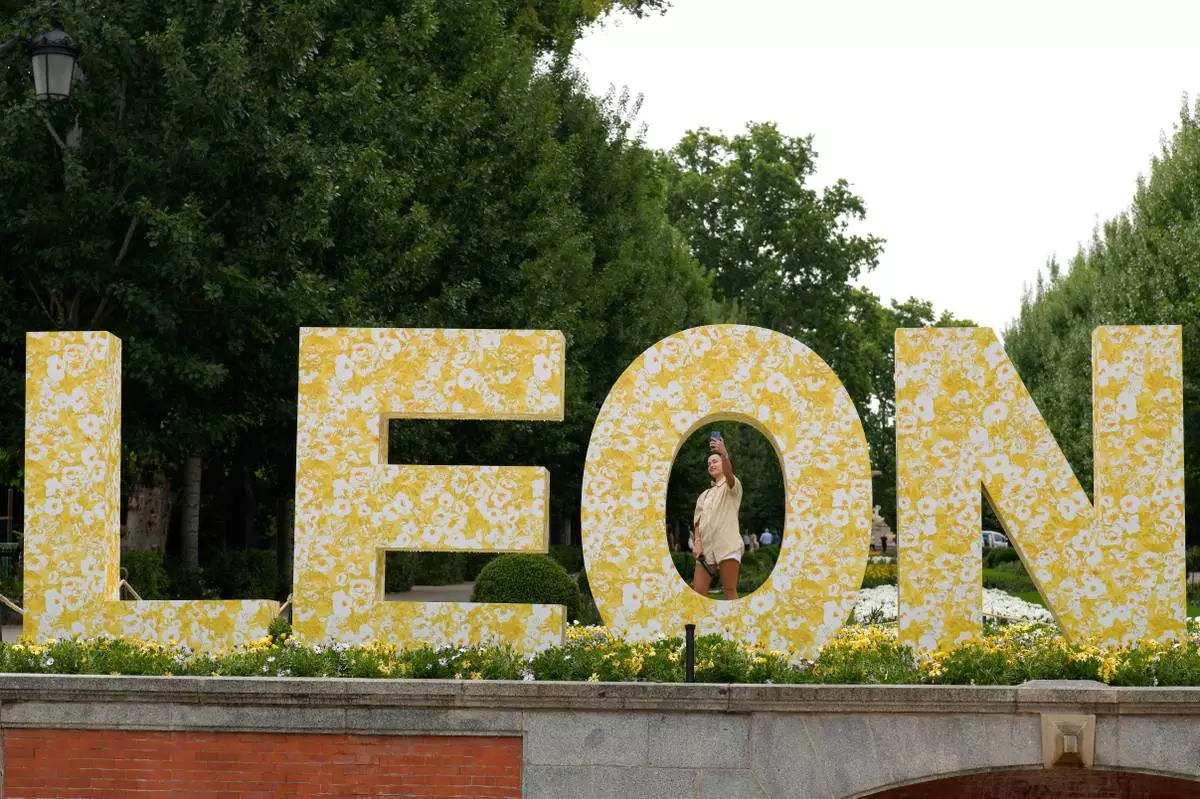
Visitors pose for photos next to a sign bearing the name of Pope Leo XIV in Madrid, Spain, Saturday, June 6, 2026. (AP Photo/Bernat Armangue)
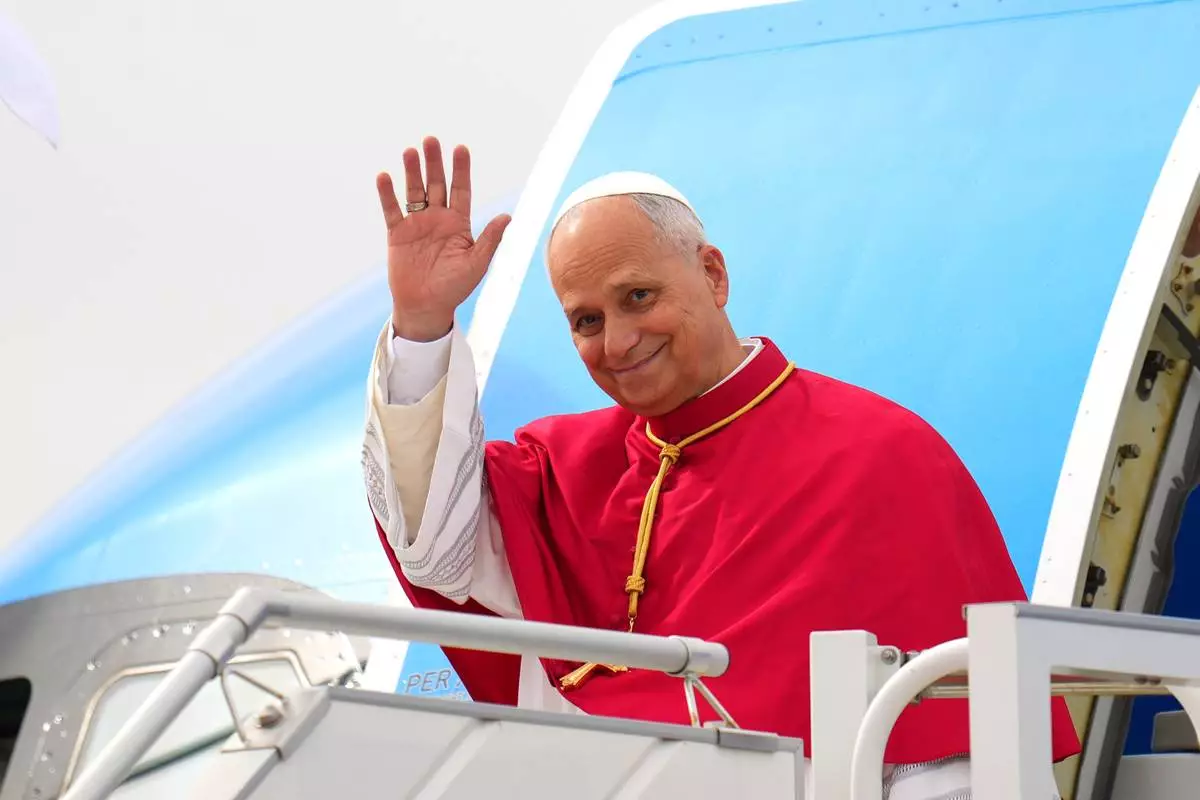
Pope Leo XIV arrives at Adolfo Suarez-Madrid Barajas Airport in Madrid, Spain, Saturday, June 6, 2026, at the start of a seven-day pastoral visit to mainland Spain and the Canary Islands. (AP Photo/Manu Fernandez)
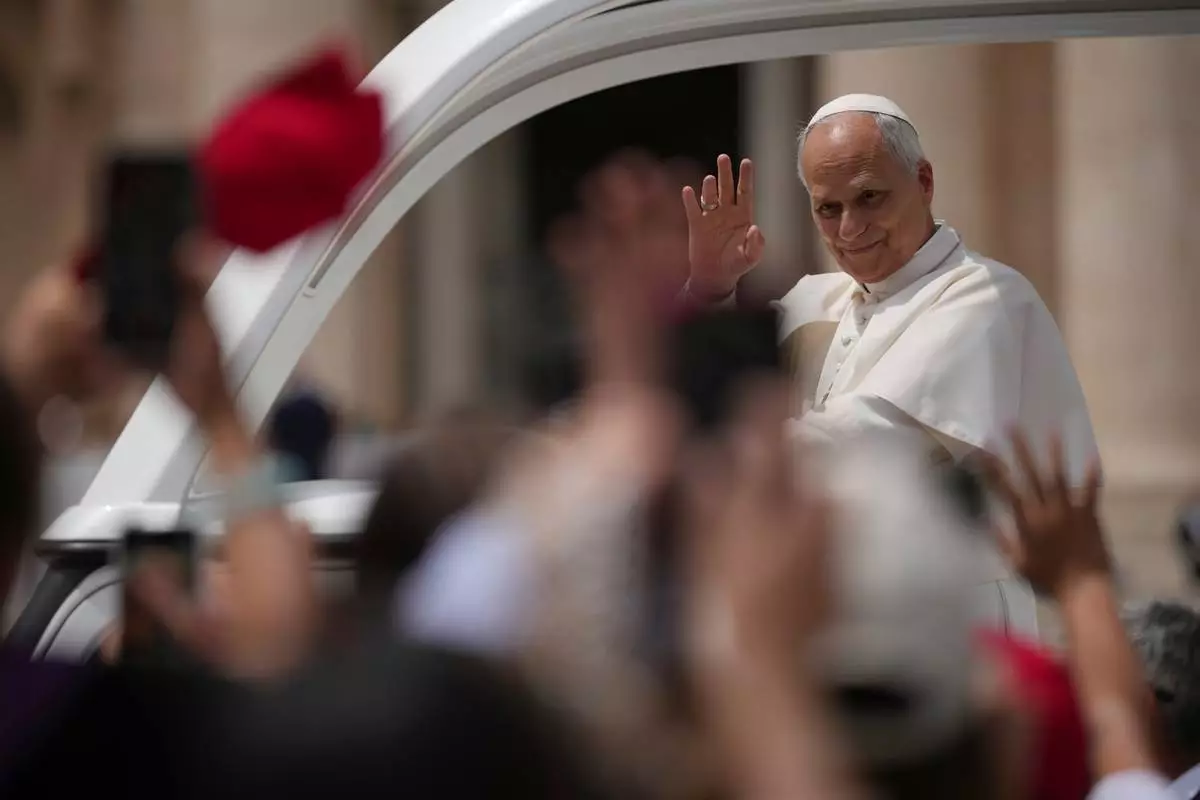
Pope Leo XIV waves as he leaves after his weekly general audience in St. Peter's Square at The Vatican, Wednesday, June 3, 2026. (AP Photo/Andrew Medichini)
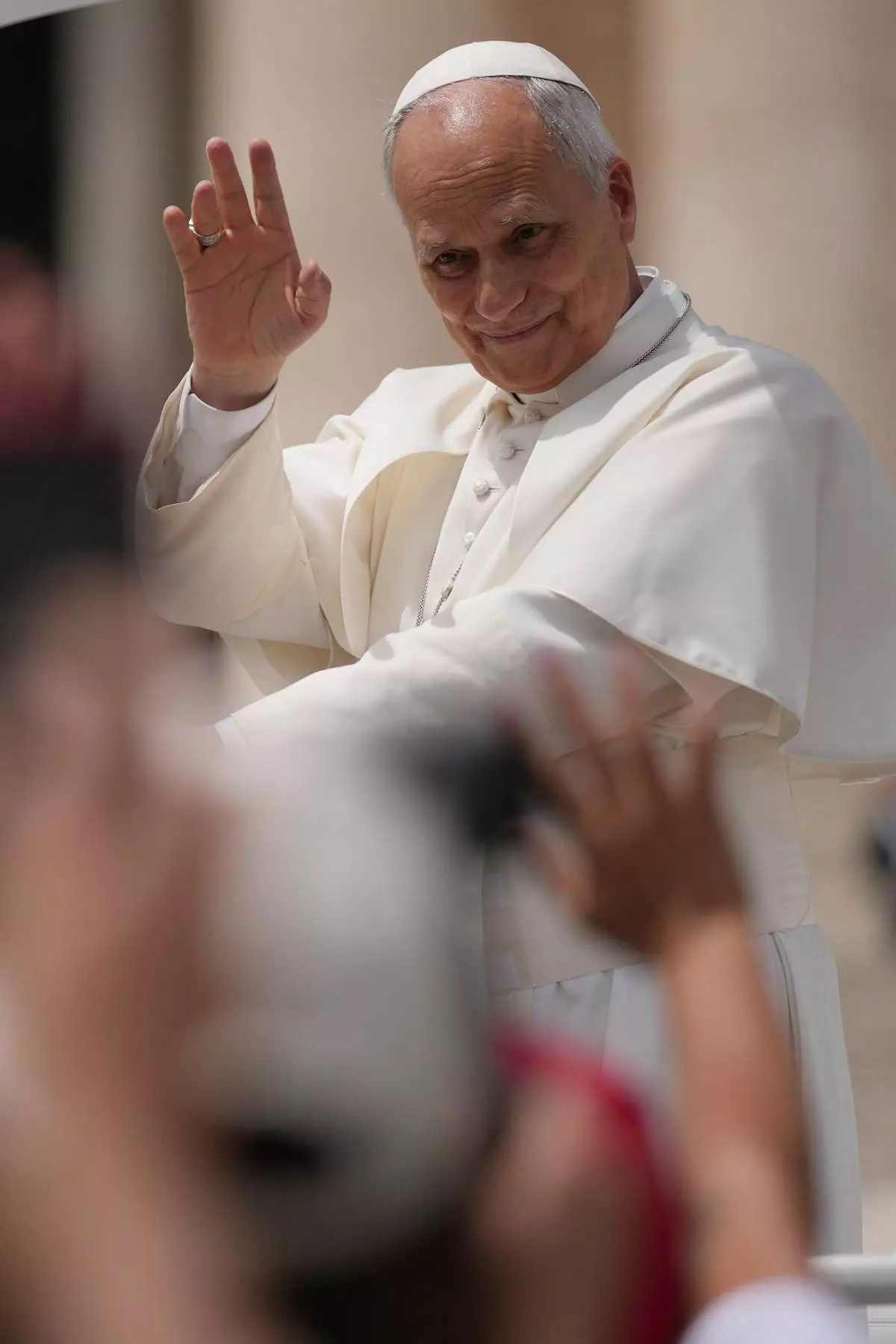
Pope Leo XIV waves as he leaves after his weekly general audience in St. Peter's Square at The Vatican, Wednesday, June 3, 2026. (AP Photo/Andrew Medichini)
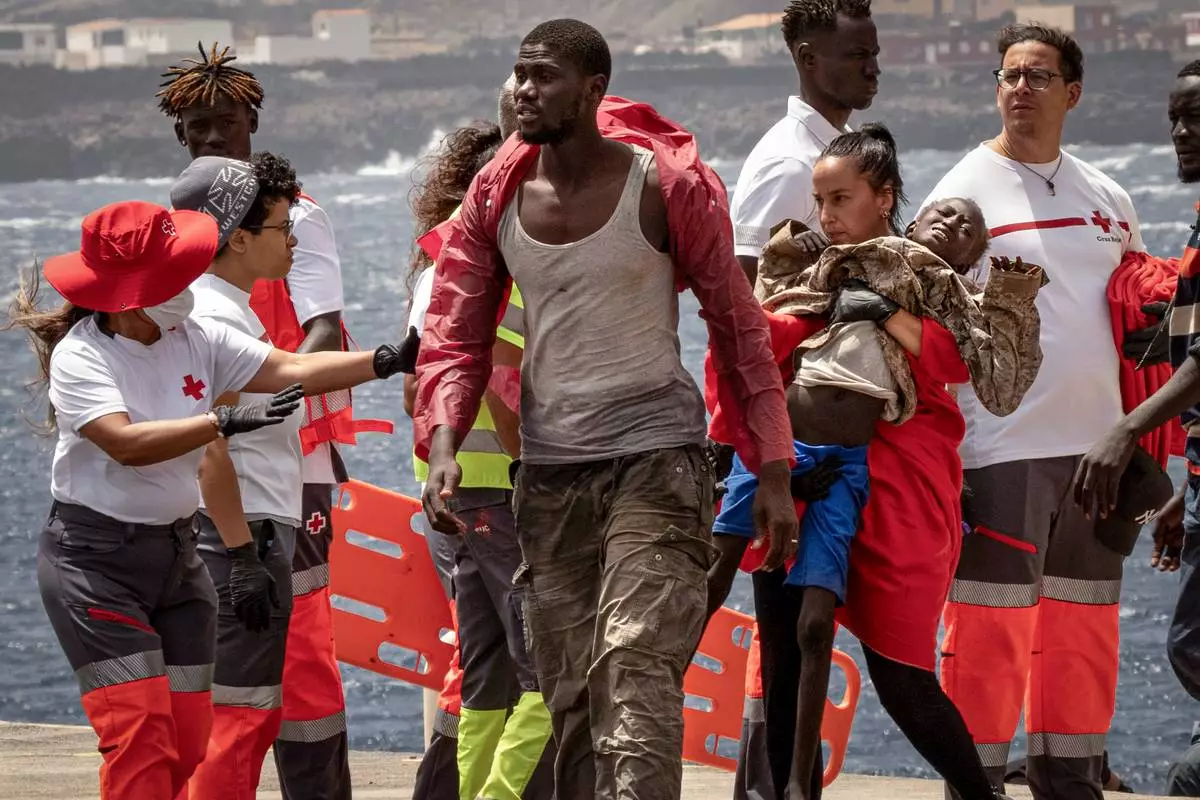
FILE - Migrants disembark at the port of "La Estaca" in Valverde on the Canary island of El Hierro, Spain, Aug. 26, 2024. Emergency services said the migrants arrived by boat after a 13-day voyage from Senegal. (AP Photo/Maria Ximena, File)
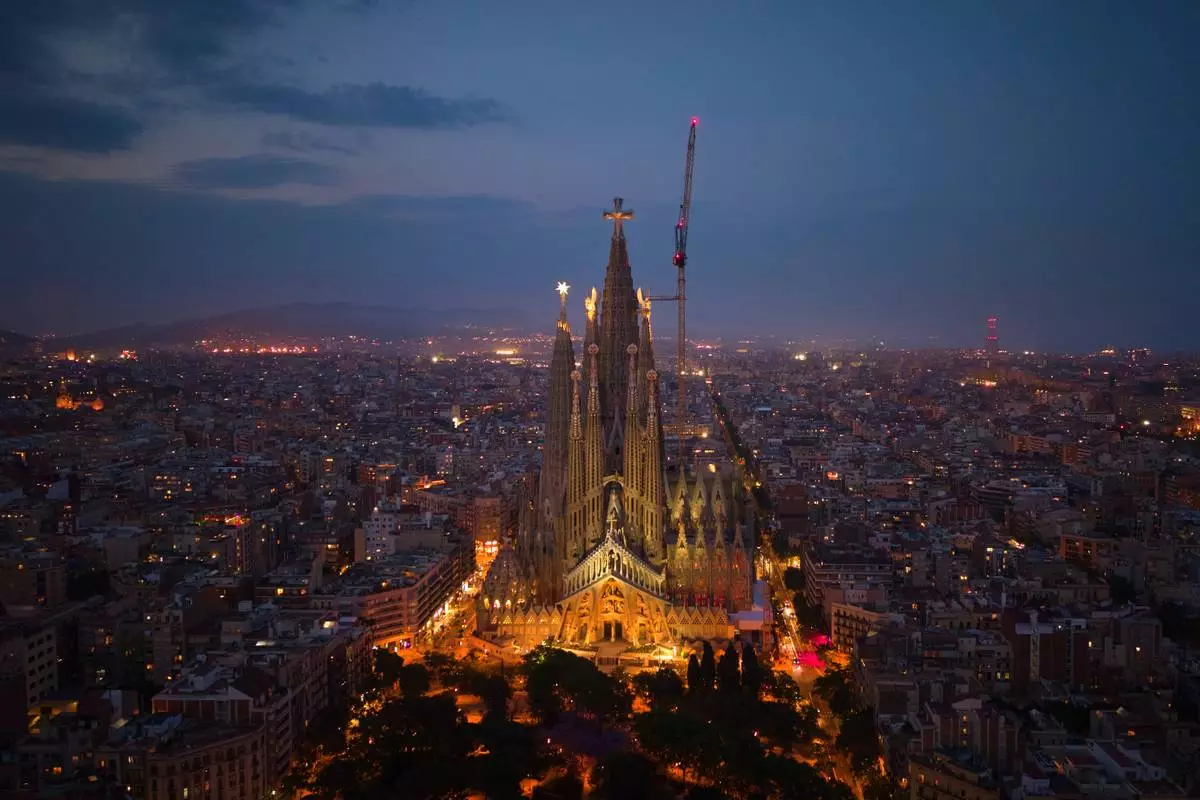
Antoni Gaudí's Basilica of the Sagrada Familia stands at dusk in Barcelona, Spain, Saturday, May 30, 2026, ahead of Pope Leo XIV's visit to Barcelona in June. (AP Photo/Emilio Morenatti)
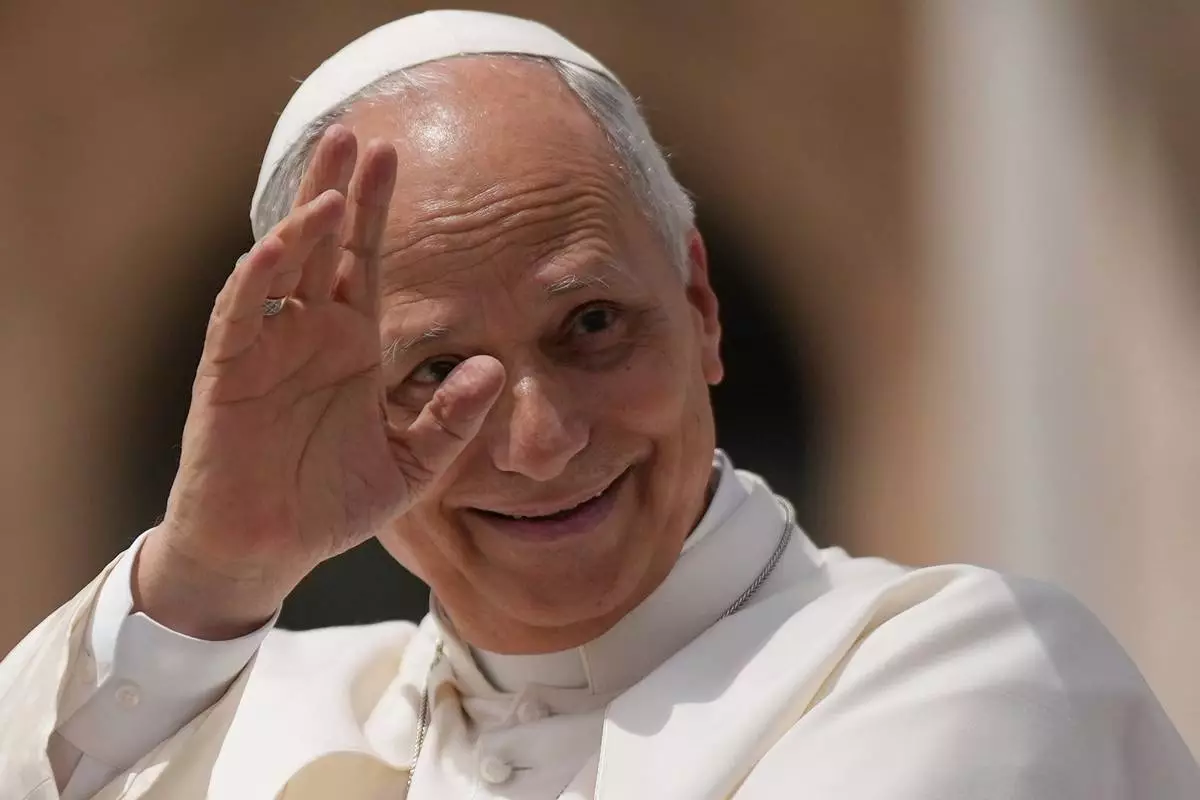
Pope Leo XIV waves as he leaves after his weekly general audience in St. Peter's Square at The Vatican, Wednesday, June 3, 2026. (AP Photo/Andrew Medichini)