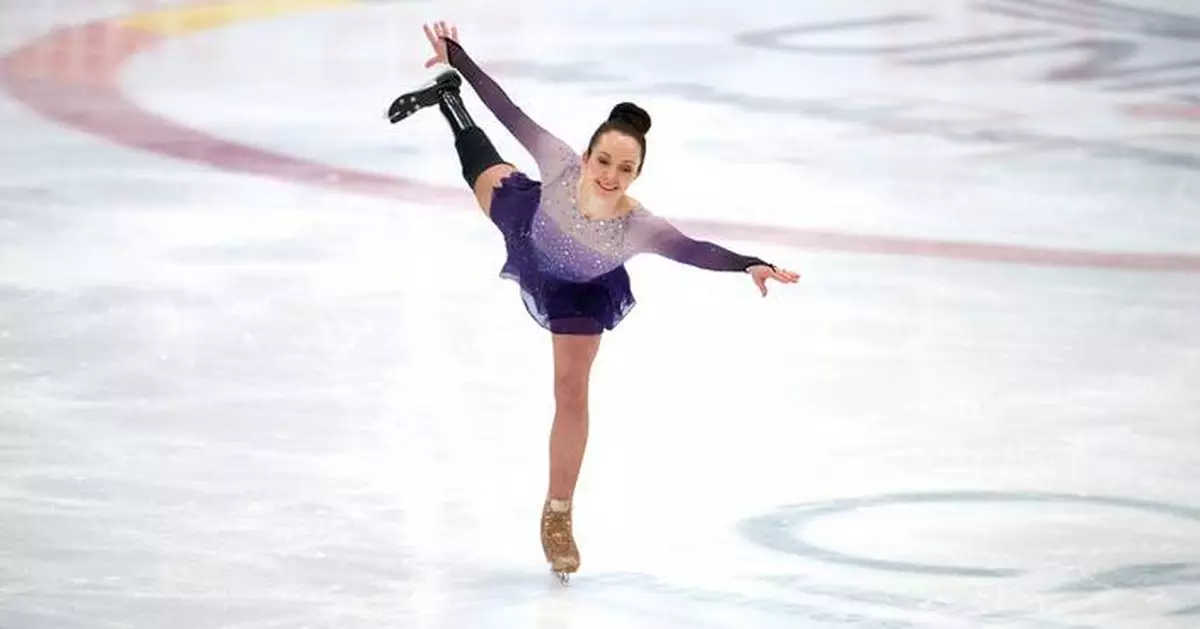
As a long jumper, Stef Reid never thought she'd need to learn how to land on ice. Now she's part of a movement hoping to get figure skating into the Paralympics.
Skating sports are a big gap on the program when the Winter Paralympics start on Friday. Figure skaters with disabilities challenge the norm in a sport with often-fixed ideas about how a skater should look.
Click to Gallery
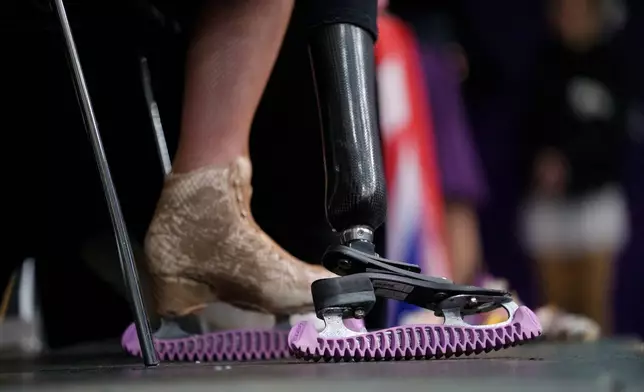
Stef Reid, a former Paralympic athlete who now does figure skating, wears a specialized, custom-engineered prosthetic blade after competing in the British Adult Figure Skating Championships in Sheffield, England, Friday, Feb. 6, 2026. (AP Photo/Jon Super)
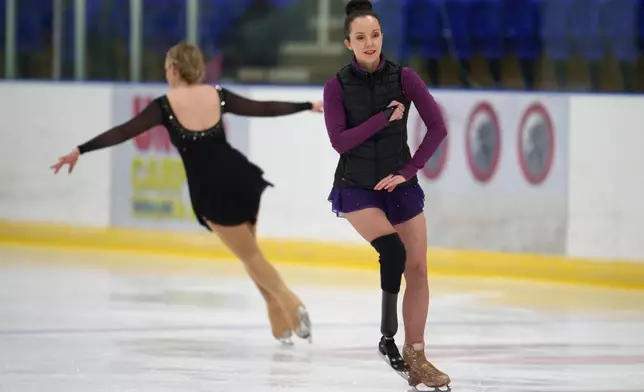
Stef Reid, a former Paralympic athlete who now does figure skating, warmes up before competing in the British Adult Figure Skating Championships in Sheffield, England, Friday, Feb. 6, 2026. (AP Photo/Jon Super)
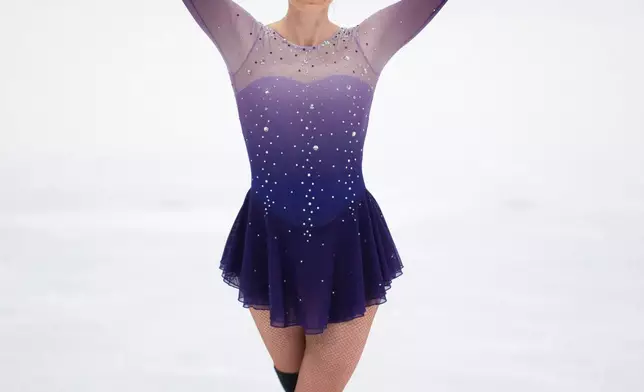
Stef Reid, a former Paralympic athlete who now does figure skating, competes in the British Adult Figure Skating Championships in Sheffield, England, Friday, Feb. 6, 2026. (AP Photo/Jon Super)
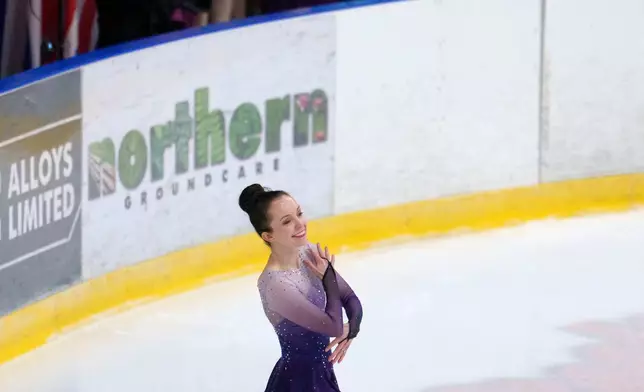
Stef Reid, a former Paralympic athlete who now does figure skating, competes in the British Adult Figure Skating Championships in Sheffield, England, Friday, Feb. 6, 2026. (AP Photo/Jon Super)
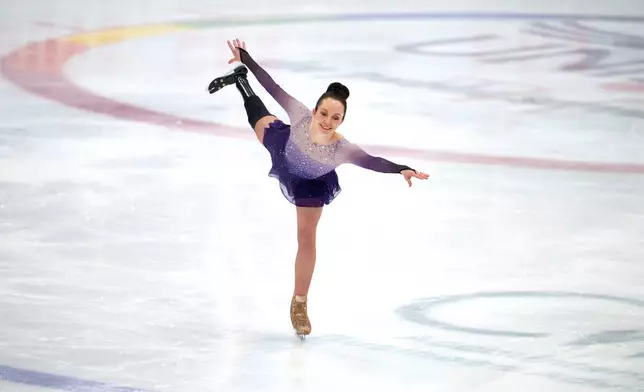
Stef Reid, a former Paralympic athlete who now does figure skating, competes in the British Adult Figure Skating Championships in Sheffield, England, Friday, Feb. 6, 2026. (AP Photo/Jon Super)
Reid's path to figure skating is unique. An amputee athlete who won three Paralympic medals in track and field, she was a familiar face on British TV. Being invited to appear on the 2022 series of a celebrity skating show, “Dancing On Ice,” still came as a shock.
“It had just never crossed my mind because it is probably one of the last sports you think about for somebody with a physical disability,” Reid tells the AP.
“Even if you are quote-unquote ‘able bodied,’ it’s still dangerous, and so it just never really occurred to me. But when they asked, I was like, 'This is amazing.'”
Learning to skate meant Reid, who uses a prosthetic right leg after a boating accident at 15, had to find ways to train her hip muscles to do the jobs other skaters' knees and ankles do. Her prosthetist developed a leg that would let her glide across the ice.
“Every day, every week it would be a new prototype which meant all the pressure points were different, and I basically was having to start over again,” she says.
“There was a very large period where we just thought, ‘Maybe this just isn’t going to work. Maybe this is a bit of a step too far,' and then this amazing thing happened. After 10 weeks of being really bad, my brain just kind of kicked into gear."
Reid built momentum and reached the quarterfinals of “Dancing On Ice” after weeks of live competition for a national audience.
Since then, she's become a leading competitor in Inclusive Skating, the main body trying to get figure skating Paralympic recognition, and competes at the British adult nationals alongside skaters who don't have disabilities.
Olympic figure skating has gone through years of difficult conversations about diversity on the ice, or the lack of it, but Reid says she’s always felt welcome.
“No coach has ever been like, ‘No, I don’t want to coach somebody with a disability.’ It’s more like, ‘Oh gosh, I don’t know if I have the skillset,’” Reid says.
“As (coaches are) getting their confidence in terms of how to adapt and adjust, then it doesn’t matter what your disability is, they can teach anybody.”
Would-be skaters haven't always been accepted, though.
“There’s been quite a lot of discrimination against skaters, both directly to me and also reported to the skaters,” says Margarita Sweeney-Baird, founder of Inclusive Skating.
“For example, ‘Skating is beautiful,’ therefore disability skating is not to be allowed because it’s not beautiful in this person’s eyes,” Sweeney-Baird recalls, along with simply: “'We don’t think that you should be on the ice with us.'”
A former champion skater and coach, Sweeney-Baird funded a trust to promote skating for people with disabilities in the 1990s. She was frustrated at the lack of progress and in the early 2010s decided to set up her own competitions. Among those who've benefited is Sweeney-Baird's daughter Juliana, a keen skater who is visually impaired.
The Paralympics doesn't yet have any “performance sports" based around artistry. Sweeney-Baird created her own judging system to reward skaters for what they can do, not deduct points for what they can't.
Programs are shorter with limits on the number of jumps, because repeated landing on a prosthetic can be painful. Other events without jumps suit skaters with spinal conditions. Most skaters are women, and Inclusive Skating allows same-gender pairs to offer more chances to compete.
A collaboration with the Special Olympics offers skating events for athletes with intellectual disabilities, who haven't always been accepted at the Paralympics.
Getting onto the Paralympic program would mean funding and recognition for skaters, Sweeney-Baird says.
New sports must show there's a deep enough field of athletes from around the world. Sweeney-Baird says skating meets those targets.
Inclusive Skating is a relatively new organization but the Paralympics tend to expand gradually. The last time a new winter sport joined was snowboarding in 2014.
Figure skating would need the International Paralympic Committee to approve a range of conditions affecting how the sport is run, venues, costs and how to classify athletes’ disabilities.
“The IPC is always looking at ways for a diverse group of athletes to achieve excellence at the Paralympic Games, and our current strategic plan outlines an objective to explore ways to develop the Paralympic Winter Games,” the IPC told the AP in an emailed statement.
For now, the main way for skaters to spread the word is on social media.
Reid shares videos of her skating journey to more than 46,000 Instagram followers, and Inclusive Skating swaps coaching tips and competition dates. Innovations spread, too.
When she spoke to the AP in January, Reid was excited about a video she’d seen of an amputee skater who seemed to have controlled ankle movement in her prosthetic leg, opening up exciting new possibilities on the ice.
“I was like, ‘Whoa,’” Reed says. “I need to call her up and be like, ‘How did you guys achieve this?’”
AP sports: https://apnews.com/sports
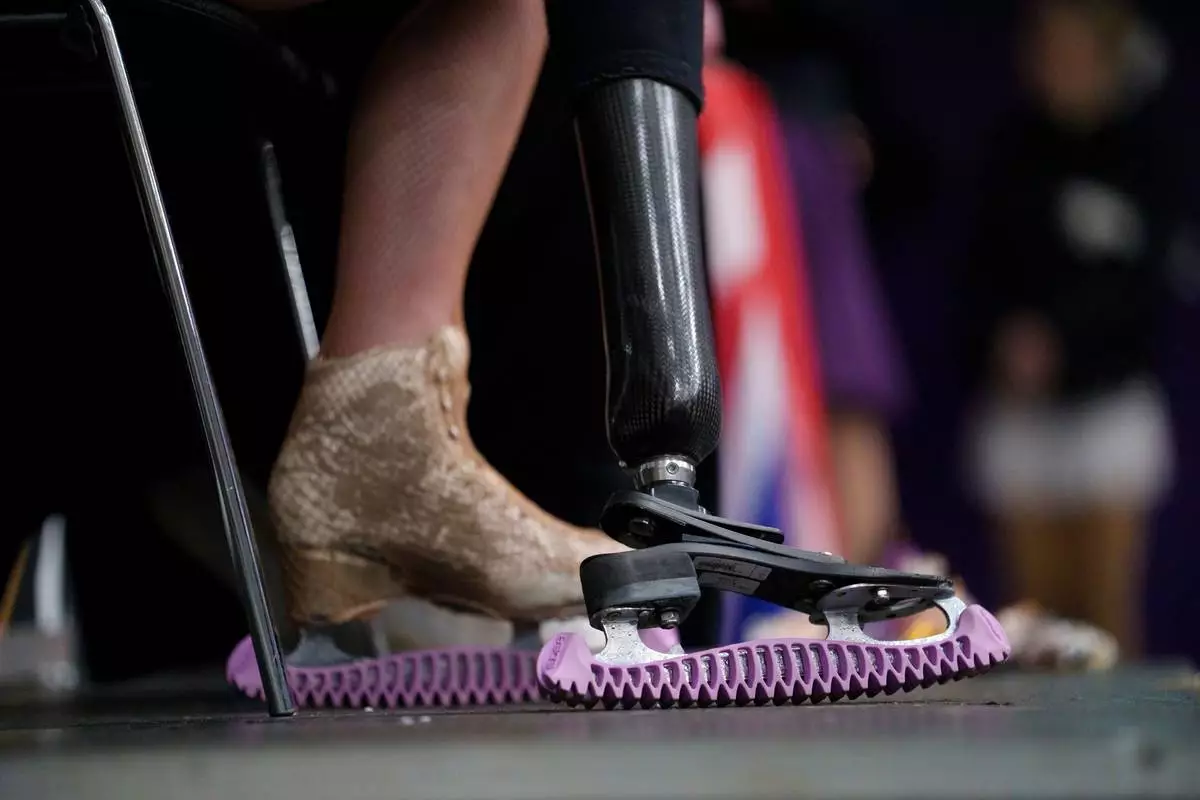
Stef Reid, a former Paralympic athlete who now does figure skating, wears a specialized, custom-engineered prosthetic blade after competing in the British Adult Figure Skating Championships in Sheffield, England, Friday, Feb. 6, 2026. (AP Photo/Jon Super)
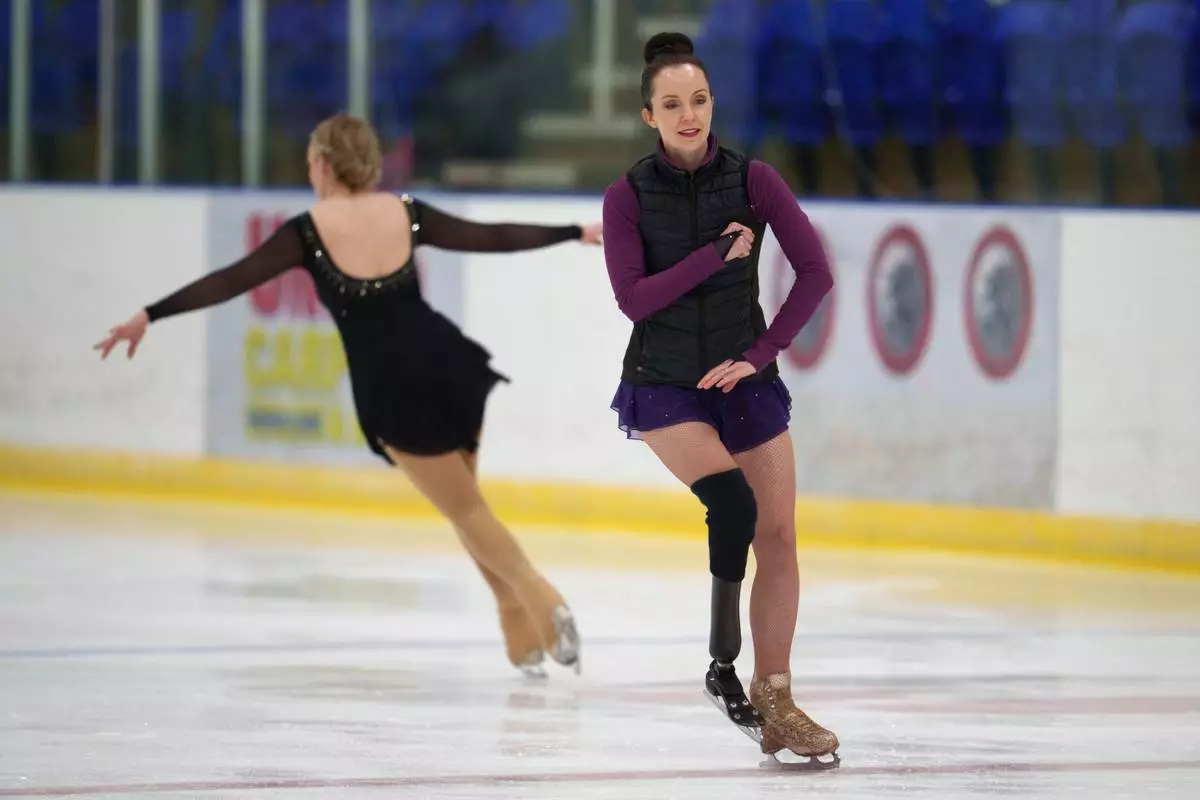
Stef Reid, a former Paralympic athlete who now does figure skating, warmes up before competing in the British Adult Figure Skating Championships in Sheffield, England, Friday, Feb. 6, 2026. (AP Photo/Jon Super)
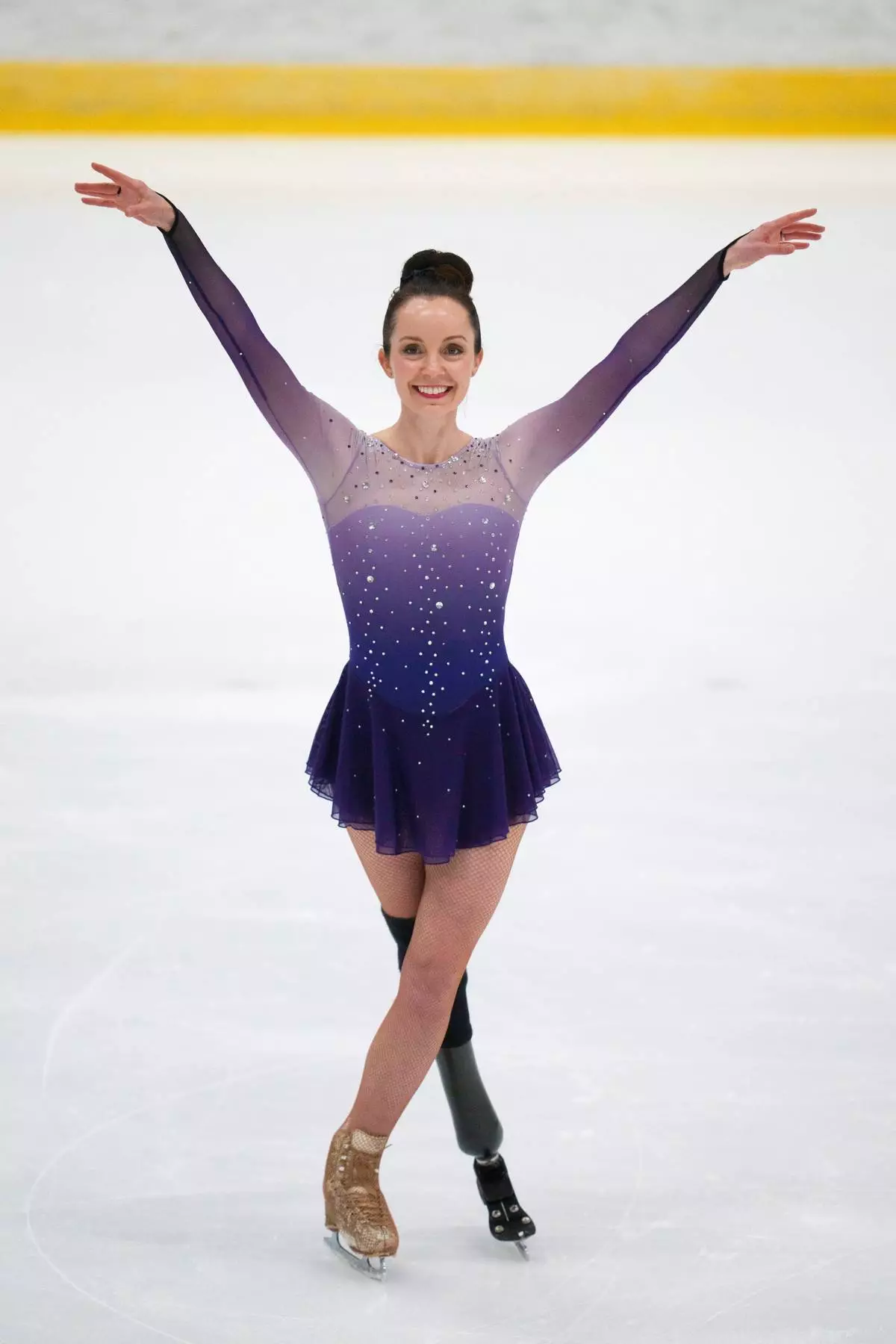
Stef Reid, a former Paralympic athlete who now does figure skating, competes in the British Adult Figure Skating Championships in Sheffield, England, Friday, Feb. 6, 2026. (AP Photo/Jon Super)
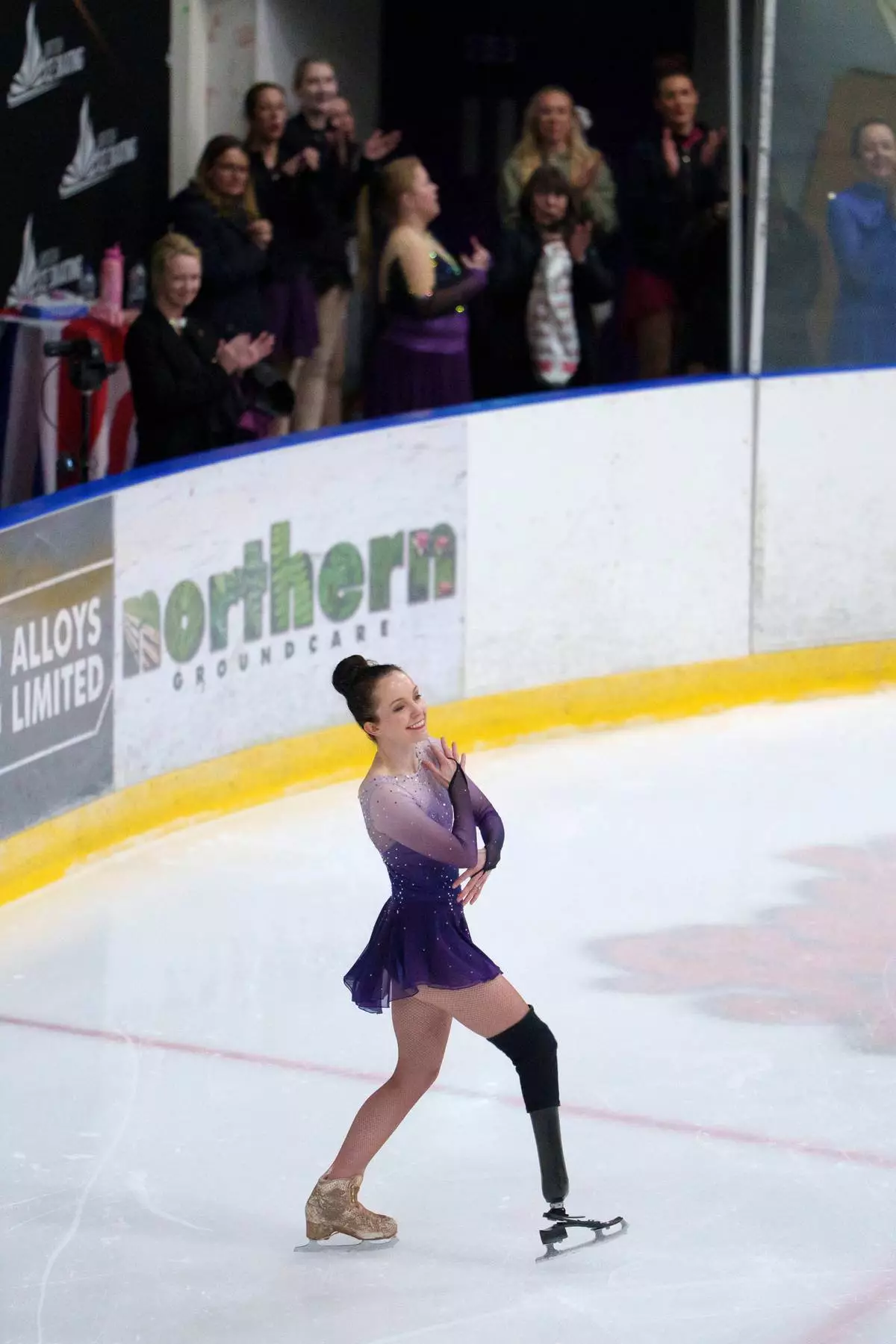
Stef Reid, a former Paralympic athlete who now does figure skating, competes in the British Adult Figure Skating Championships in Sheffield, England, Friday, Feb. 6, 2026. (AP Photo/Jon Super)
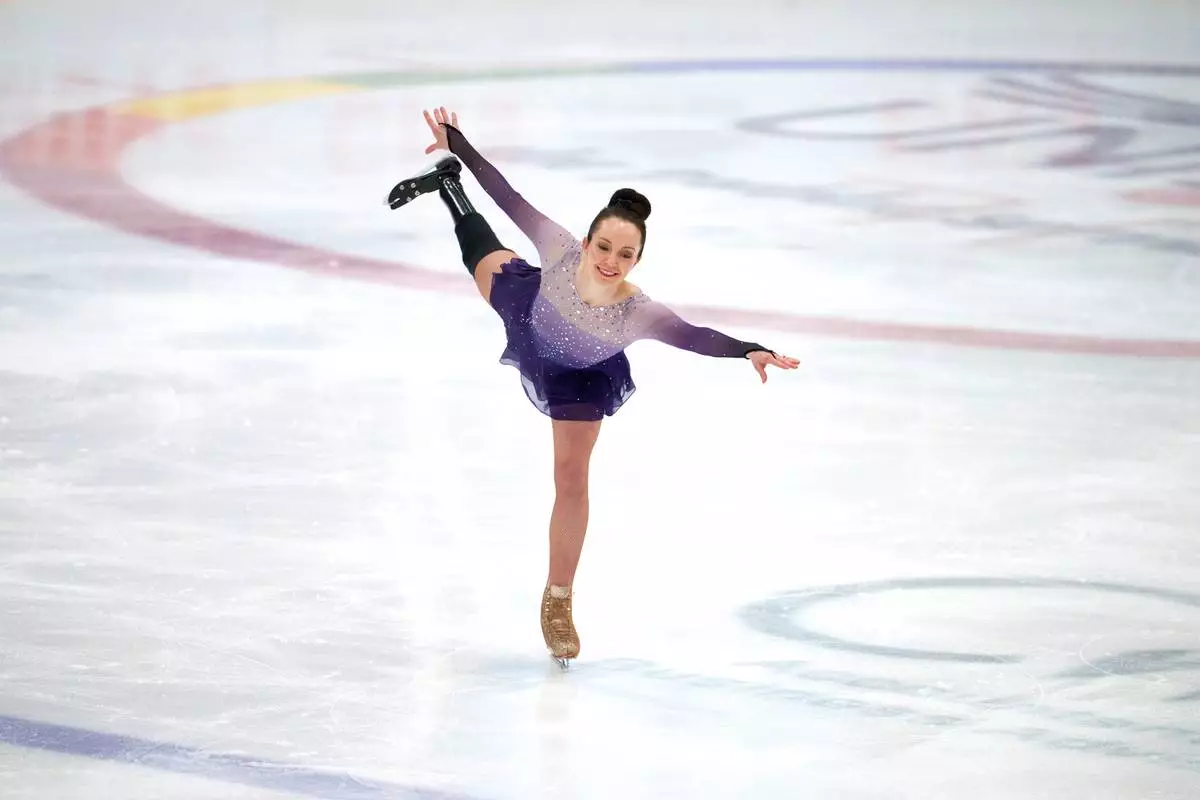
Stef Reid, a former Paralympic athlete who now does figure skating, competes in the British Adult Figure Skating Championships in Sheffield, England, Friday, Feb. 6, 2026. (AP Photo/Jon Super)