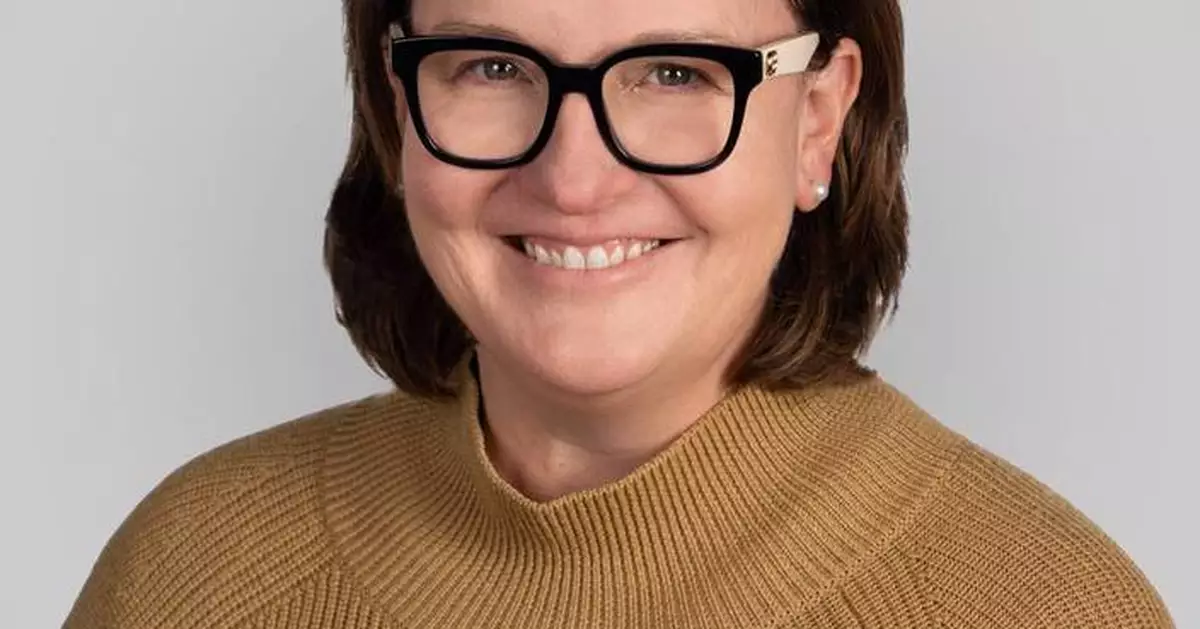
CAMDEN, N.J.--(BUSINESS WIRE)--Mar 3, 2026--
The Campbell’s Company (NASDAQ:CPB) (Campbell’s) today announced the appointment of Cassandra Green as Chief Supply Chain Officer, effective immediately. Green will report to President and Chief Executive Officer Mick Beekhuizen and will join the company’s Operating Committee.
This press release features multimedia. View the full release here: https://www.businesswire.com/news/home/20260303153016/en/
In this elevated role, Green will continue to lead Campbell’s end-to-end supply chain, including customer logistics and planning, procurement, operational excellence, manufacturing and supply chain category leadership. She will also assume responsibility for food safety and quality.
“Cass is a proven leader with deep knowledge of our business and a track record of delivering results,” said Beekhuizen. “Her ability to drive operational excellence and develop strong teams makes her the right leader to help shape our enterprise priorities and further strengthen our supply chain to fuel the growth of our business.”
Green joined the company in 2010 as a plant manager in Australia and has held a variety of leadership roles across the organization. Her experience includes leading the company’s former fresh supply chain, overseeing manufacturing for the Meals & Beverages division and guiding the enterprise co-manufacturing strategy.
Most recently, as Head of Supply Chain, Green has driven an increased focus on total delivered costs and helped advance innovative approaches to mitigate inflation pressures. She has also played a key role in advancing operational excellence and digitization initiatives to make Campbell’s supply chain a competitive advantage.
About The Campbell’s Company
For more than 155 years, The Campbell’s Company (NASDAQ:CPB) has been connecting people through food they love. Headquartered in Camden, N.J. since 1869, generations of consumers have trusted us to provide delicious and affordable food and beverages. Today, the company is a North American focused brand powerhouse, generating fiscal 2025 net sales of $10.3 billion across two divisions: Meals & Beverages and Snacks. Our portfolio of 16 leadership brands includes: Campbell’s, Cape Cod, Chunky, Goldfish, Kettle Brand, Lance, Late July, Pace, Pacific Foods, Pepperidge Farm, Prego, Rao’s, Snack Factory, Snyder’s of Hanover, Swanson and V8. For more information, visit www.thecampbellscompany.com.
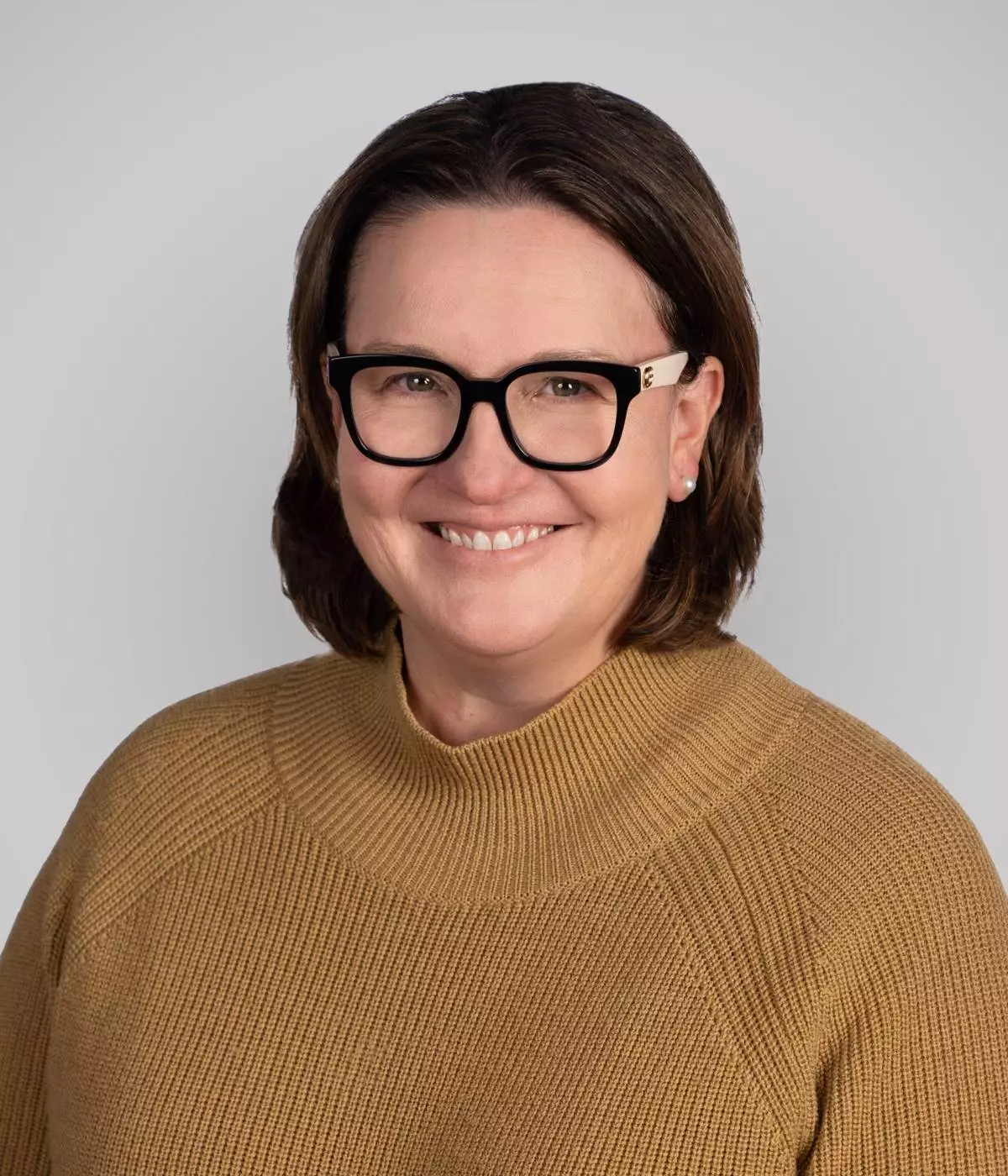
Cassandra Green
The midterm elections officially begin on Tuesday with primaries in Texas, North Carolina and Arkansas. As war with Iran breaks out, Democrats and Republicans are figuring out who they want to lead their party into November’s general election, when control of Congress and statehouses around the country will be up for grabs.
The most hotly contested races of the day are in Texas, with fierce competition on both sides of the aisle for U.S. Senate nominations. It’s possible that the Republican campaign will continue into a runoff.
Here's the latest:
The release of voting results in North Carolina will be delayed an hour Tuesday night because state officials agreed to keep a precinct in one county open late after workers couldn’t get some equipment working at the start of the day.
Workers at a precinct in rural Halifax County could not get the electronic poll books synchronized for 90 minutes and didn’t use any backup measures to let people vote, according to testimony at an emergency meeting Tuesday afternoon of the North Carolina State Board of Elections.
Election officials said counties can go ahead and count votes when their polls close and report the results internally to the state. But the state isn’t releasing vote totals publicly until 8:30 p.m. when the Halifax County precinct closes.
The precinct was in Littleton, a small community about 60 miles (96 kilometers) northeast of Raleigh.
They’re sticking with voting machines in one of the nation’s largest counties.
The reversal by the Dallas County Republican Party came after chairman Allen West, a former Florida congressman, spent months laying the groundwork for a massive hand-count. Voting machines have been at the center of a web of conspiracy theories pushed by some Republicans after the 2020 election, with false claims that they were manipulated to steal the presidency from Donald Trump.
A large, labor-intensive hand count is slow, expensive and prone to human error. And it would have required more polling locations and workers.
West abandoned plans for a hand count in December, saying officials were “woefully short” of the number of people needed to pull it off.
Some voters in two major Texas counties are being turned away at polling locations and directed to different voting precincts, causing confusion and frustration. The problems were hitting voters in Dallas County and Williamson County, which includes the suburbs north of Austin.
“We’re seeing a lot of people that are going to their vote centers that they usually go to ... and not realizing they can’t do that anymore. They have to go to their precinct-based location,” Nic Solorzano, a spokesperson for the Dallas County Elections Department, told the AP.
Since 2019, area voters have been allowed to cast their ballot anywhere in the county. But for this primary, the Republican parties in both counties opted not to allow countywide voting locations. Because both major parties have to agree on how to conduct the primary, the decision affects all voters. That meant that on Tuesday voters could cast ballots only at their assigned precinct. Adding to the confusion is that voting locations also might be specific to someone’s party affiliation, Solorzano said.
State Attorney General Ken Paxton not only has the endorsement of Turning Point USA, the conservative group founded by Kirk, but has played up Kirk praising him before the conservative activist was assassinated.
Paxton’s ads down the stretch of his Senate bid included one with clips of Kirk calling him “one of the best attorney generals in the country.”
Kirk also says Paxton is an “amazing, Constitution-loving Texan attorney general who is doing a great job.”
Paxton made appearances sponsored by Turning Point USA on five college campuses last fall, and last month his campaign was endorsed by the influential group, which is aimed at mobilizing young conservatives.
Kirk was assassinated in September while speaking on a college campus in Utah.
The president has stayed out of the campaign in an uncharacteristic show of restraint from someone with a tendency to want to throw his weight behind important races.
Trump has endorsed congressional candidates and a long list of state lawmakers, including those who helped deliver on his demands for redrawn U.S. House maps that boost the GOP’s chances of picking up more seats from the state in November.
But in the Republican Senate primary, the biggest race in Texas, Trump has declined to endorse Sen. John Cornyn, state Attorney General Ken Paxton or U.S. Rep. Wesley Hunt.
Trump has said he supports all three. But things could change if there’s a runoff, when it might be harder for him to stay on the sidelines once there’s a leader in a head-to-head race.
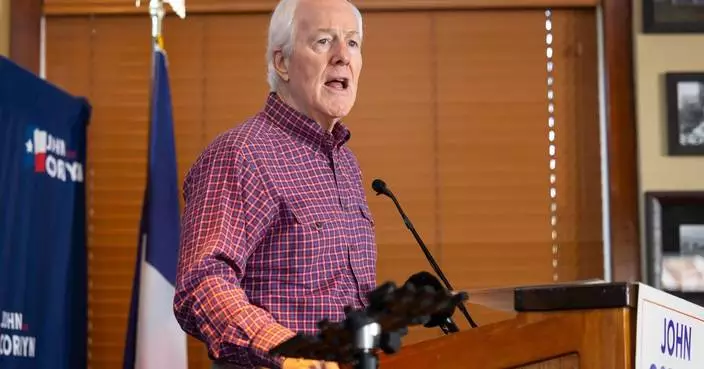
The four-term Republican senator is in the fight of his political career in his heated primary against state Attorney General Ken Paxton and U.S. Rep. Wesley Hunt. That’s new territory for Cornyn, 74, who has never before faced a significant GOP challenger.
His campaign to hang on comes barely a year after he narrowly lost a bid for Senate majority leader in 2024.
Some Texas conservatives remain angry about Cornyn’s work as the GOP’s negotiator on gun restrictions after the 2022 shooting at Robb Elementary School in Uvalde killed 19 students and two teachers. Others are not happy about Cornyn being dismissive of Trump’s debunked claims of widespread election fraud.
The three-way race raises the likelihood that neither Cornyn nor Paxton will get the 50% needed to avoid a May 26 runoff.
Whatley received Trump’s endorsement in North Carolina’s U.S. Senate race last summer, weeks after Republican Sen. Thom Tillis announced he wouldn’t seek reelection after facing criticism from the president.
The 57-year-old is his party’s highest-profile candidate in the party, and he’s repeatedly pledged to defend Trump’s agenda in the Senate if he’s elected.
Trump’s endorsement highlighted Whatley’s work as Republican National Committee chairman during his 2024 reelection campaign. Whatley also previously served as state party chair in North Carolina, whose electoral votes Trump won all three times that he ran for president.
Whatley has never run for public office until now. He’s spent a lot of time accusing Cooper of going soft on crime as governor, which Cooper denies.
The president accused the congressman of disloyalty for not leaving the Democratic Party after Trump pardoned him and his wife in a federal bribery and conspiracy case.
Cuellar doesn’t have a high-profile primary opponent in his district on the Mexico border. But he stands to face Republican Tano Tijerina — whom Trump endorsed — in the general election.
Cuellar is a moderate Democrat who kept his seat in 2024 even though Trump carried his district. Last year’s Republican redrawing of the state’s congressional map sought to make his heavily Hispanic district more winnable for the GOP.
In January a federal grand jury indicted his brother, Martin Cuellar, on charges of misusing public funds during the COVID-19 pandemic while he was sheriff in Webb County, home to Laredo. Martin Cuellar’s attorney has called the charges baseless.
He’s been a fiery and high-profile ringleader of GOP revolts that bucked the party when he thought legislation wasn’t conservative enough.
Now Roy wants to return to Texas, where the attorney general’s office has become a driver of the conservative legal movement. He’s running to replace three-term incumbent Ken Paxton, nearly six years after Roy urged his onetime boss to step down after Paxton’s top aides accused him of corruption.
Roy has clashed at times clashed with Trump and other Republicans in Congress over federal spending bills. And he drew Trump’s ire when he was willing to certify the 2020 election results.
Roy is in a crowded Republican field that includes two state senators, Joan Huffman and Mayes Middleton, and former Paxton senior aide Aaron Reitz.
Republicans redrew Texas’s 38 congressional districts in hopes of giving the GOP five more winnable House seats in the state. Republicans in Missouri and North Carolina followed suit, hoping to pick up one more seat each.
But in November, California voters approved a plan championed by Democratic Gov. Gavin Newsom to give his party five additional winnable seats there, seeking to cancel out Texas’ redrawn map.
President Trump pushed mid-decade redistricting to help Republicans preserve their slim House majority. But Democrats have shown they can win in tough places ahead of the primary, including a stunning special election victory in a Texas state Senate district that Trump carried by double-digits.
U.S. Senate campaigns are usually expensive affairs given the number of television markets in the ninth-largest state. More than $300 million was spent in the 2020 race that ultimately came down to Thom Tillis vs. Cal Cunningham.
That amount could be easily surpassed should Democrat Roy Cooper and Republican Michael Whatley win their primaries Tuesday. The North Carolina seat is considered a pickup opportunity for Democrats trying to retake the Senate.
Both Cooper and Whatley have deep ties to state and national party donors, and outside groups will seek to influence the outcome with their own spending.
How much could be ultimately spent? Some pundits say $1 billion isn’t out of the question. That would blow past $515.5 million spent overall on a U.S. Senate race in Georgia in 2020 ultimately won by Democrat Jon Ossoff. That’s from Open Secrets, which tracks political spending.
So far, Cooper’s campaign has raised $21.1 million through mid-February compared to $6.3 million by Whatley.
Like many Democrats, Talarico is targeting Trump over affordability concerns.
“I don’t know what world the president is living in, because here in Texas life is more unaffordable than it’s ever been before,” he told the Associated Press on Sunday. “People are struggling with the high price of groceries but also struggling with the high price of housing, the high price of childcare the high price of prescription drugs.”
In particular, Talarico noted that, if Trump has to tell people it’s getting better, it might not be.
“You can either believe the president or you can believe your own pocketbook,” he says.
The state attorney general was just six months into the job in 2015 when he was indicted on felony securities fraud charges, threatening to sink his political career just as it was taking off.
Top Paxton aides later reported him to the FBI over accusations of corruption, leading to his historic impeachment in 2023 before his acquittal in the state Senate.
But past challengers who went after Paxton over his legal troubles found no success with voters — he won reelection twice while gaining popularity with conservative activists.
Supporters point to a record that includes leading Texas lawsuits seeking to restrict immigration, abortion access and transgender rights.
Critics say he’s untested on a big stage and his nomination would put GOP control of the Senate at risk in November.
The final day of voting in the Texas primary was mostly smooth, with no major problems reported.
In El Paso County, the election department said on its Facebook page that several voting sites had experienced problems with the electronic voter check-in system. That caused delays and forced some polling sites to do a “manual check-in” for voters. Glitches with electronic poll books occur to some degree in most elections around the country.
The Associated Press left messages for the El Paso County Elections Department seeking additional information.
The election department reminded voters that they can vote at any polling location within their county.
The Democratic candidate’s campaign has spent $15 million, and Talarico told the Associated Press that “we have more people contributing to this campaign than any other in the state.”
“Our momentum is undeniable,” he said while campaigning in San Antonio’s Historic Market District on Sunday. “I can’t tell you have come up to me whispering that they’re not a Democrat. I can’t tell you how many young people have said it’s the first time that they’ve ever voted. I am just so proud.”
In his case, Talarico said, the money means people.
“We have had more than a quarter million people donate to our campaign,” he says, “And that is proof of the movement we are building in Texas.”
Voters don’t register by party in the state and can cast a ballot in either the Republican or the Democratic primary, regardless of how they lean politically.
The Texas Republican Party has sued in a bid to change that before the 2028 elections, seeking a closed primary system that would allow only Republicans to vote on the GOP ballot.
Republicans have dominated Texas politics for a generation. Still, GOP activists claim that Democrats have tried to sabotage their primaries with “crossover” votes to try to get moderate or weak candidates to the general election.
Texas is one of 14 states that has open primaries.
A court has not ruled on the lawsuit.
The two-term Democrat from Dallas built a national profile ahead her Senate campaign by publicly answering personal insults and castigating Republicans.
Crockett, who previously was a public defender and civil rights attorney, says her background as a trial lawyer allows her to be quick on her feet.
She was elected to the Texas House in 2020 and then to Congress two years later.
Her profile rose in 2024 thanks to a viral video of an exchange during a committee hearing with then-Rep. Marjorie Taylor Greene of Georgia. Greene suggested Crockett’s “fake eyelashes” kept her from reading legislation, and Crockett responded by saying Greene had a “bleach-blond, bad-built butch body.”
Crockett has acknowledged that she can be edgy but says voters want a fighter, and that she delivers for her district.
In almost all cases, races can be called well before all votes have been counted. The AP’s team of election journalists and analysts will call a race as soon as a clear winner can be determined.
In competitive races, AP analysts may need to wait until additional votes are tallied or to confirm specific information about how many ballots are left to count.
Competitive races in which votes are actively being tabulated — for example, in states that count a large number of votes after election night — might be considered “too early to call.” A race may be “too close to call” if a race is so close that there’s no clear winner even once all ballots except for provisional and late-arriving absentee ballots have been counted.
The AP’s race calls are not predictions and are not based on speculation. They are declarations based on an analysis of vote results and other election data that one candidate has emerged as the winner and that no other candidate in the race will be able to overtake the winner once all the votes have been counted.
The AP’s vote count brings together information that otherwise might not be available online for days or weeks after an election or is scattered across hundreds of local websites. Without national standards or consistent expectations across states, it also ensures the data is in a standard format, uses standard terms and undergoes rigorous quality control.
The AP hires vote count reporters who work with local election officials to collect results directly from counties or precincts where votes are first counted. These reporters submit them, by phone or electronically, as soon as the results are available. If any of the results are available from state or county websites, the AP will gather the results from there, too.
In many cases, counties will update vote totals as they count ballots throughout the night. The AP is continually updating its count as these results are released. In a general election, the AP will make as many as 21,000 vote updates per hour.
The 2026 midterm season begins in earnest Tuesday with two of the nation’s most consequential Senate primaries playing out in Texas, a political behemoth Democrats have been fighting to flip for decades.
Is this the year? Republican leaders in Washington openly fret that a victory by conservative firebrand Ken Paxton over four-term incumbent Sen. John Cornyn would give Democrats a rare shot of winning the seat come November. The contest has already cost Republicans tens of millions of dollars, and there will be much more spent ahead of a May 26 runoff if no one gets 50% in the three-way primary that also includes Rep. Wesley Hunt.
Democrats, meanwhile, are picking between two rising stars with conflicting styles. There’s U.S. Rep. Jasmine Crockett, who made a name for herself through confrontation, and state Rep. James Talarico, a former middle school teacher who’s working toward a divinity degree.
▶ Read more
The United States doesn’t have a nationwide body that collects and releases election results. Elections are administered locally, by thousands of offices, following standards set by the states. In many cases, the states themselves don’t even offer up-to-date tracking of election results.
The AP fills this gap by compiling vote results and declaring winners in elections, providing critical information in the period between Election Day and the official certification of results, which typically takes weeks.
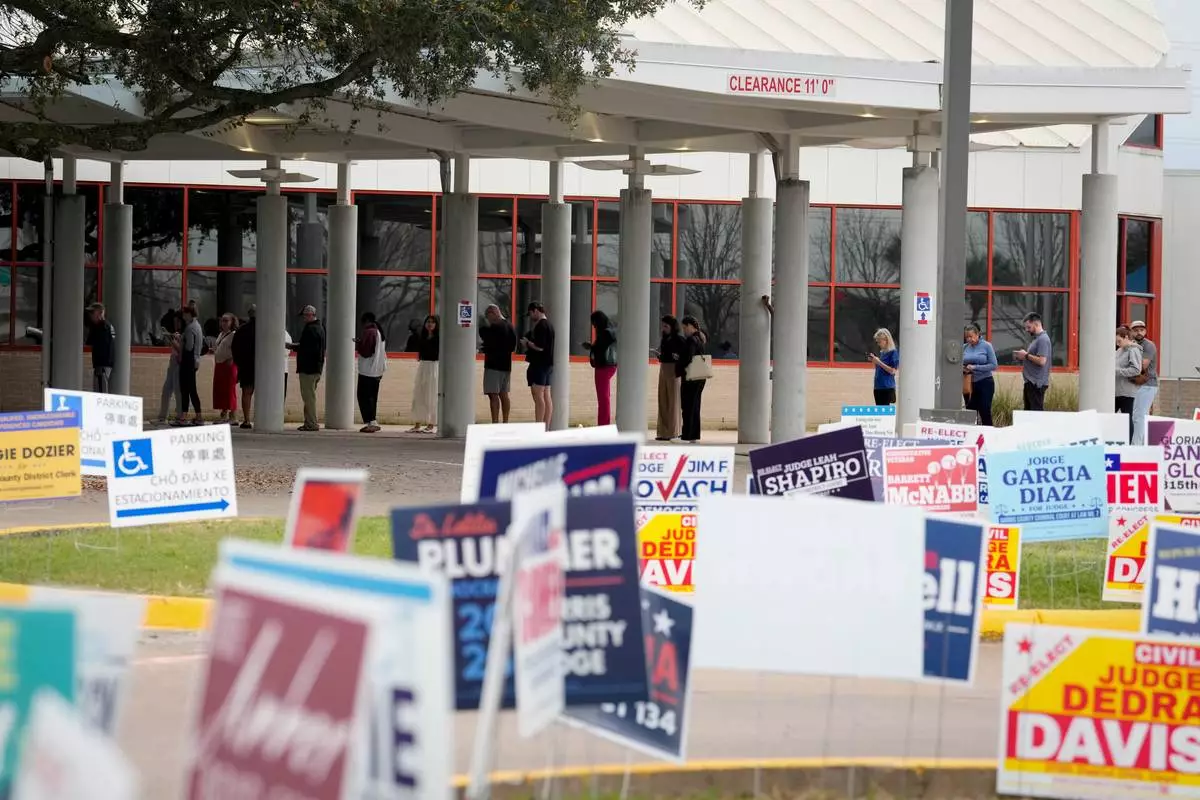
People vote on primary election day at the West Gray Metropolitan Multi-Service Center in Houston, Tuesday, March 3, 2026. (Raquel Natalicchio /Houston Chronicle via AP)
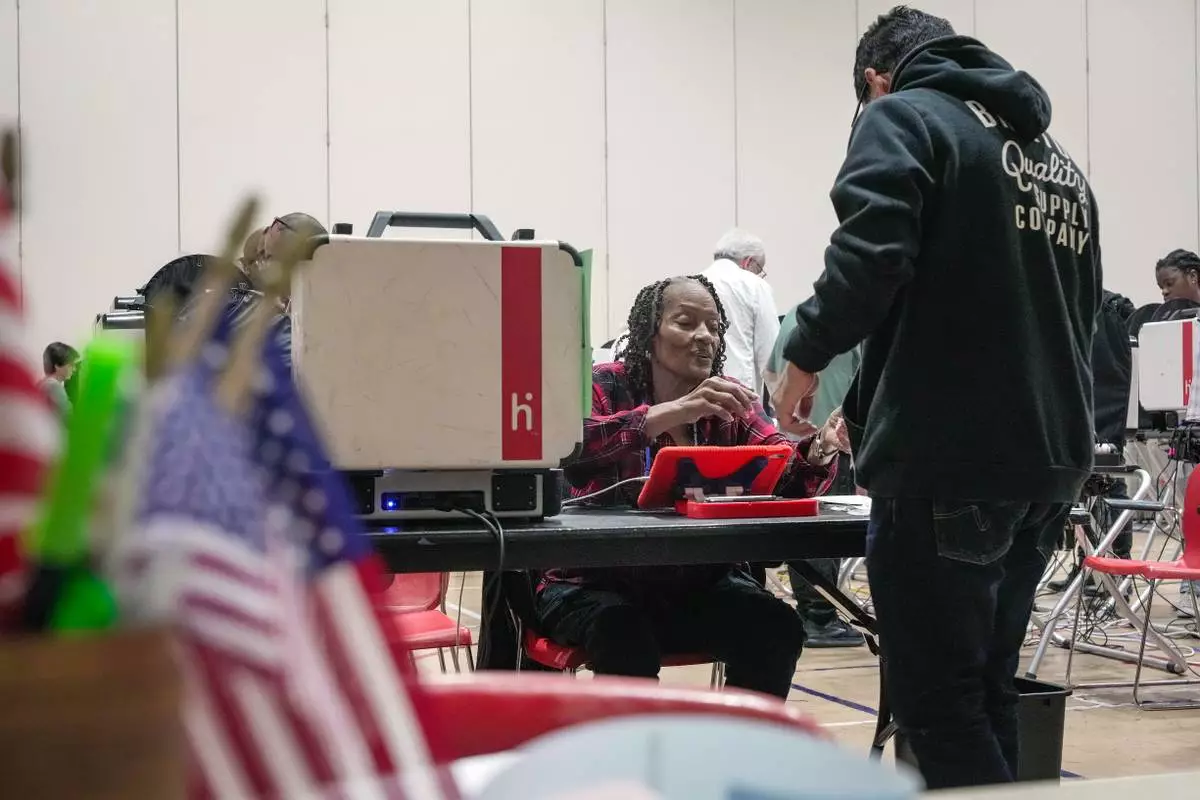
People vote during a primary election day at the West Gray Metropolitan Multi-Service Center in Houston, Tuesday, March 3, 2026. (Raquel Natalicchio /Houston Chronicle via AP)
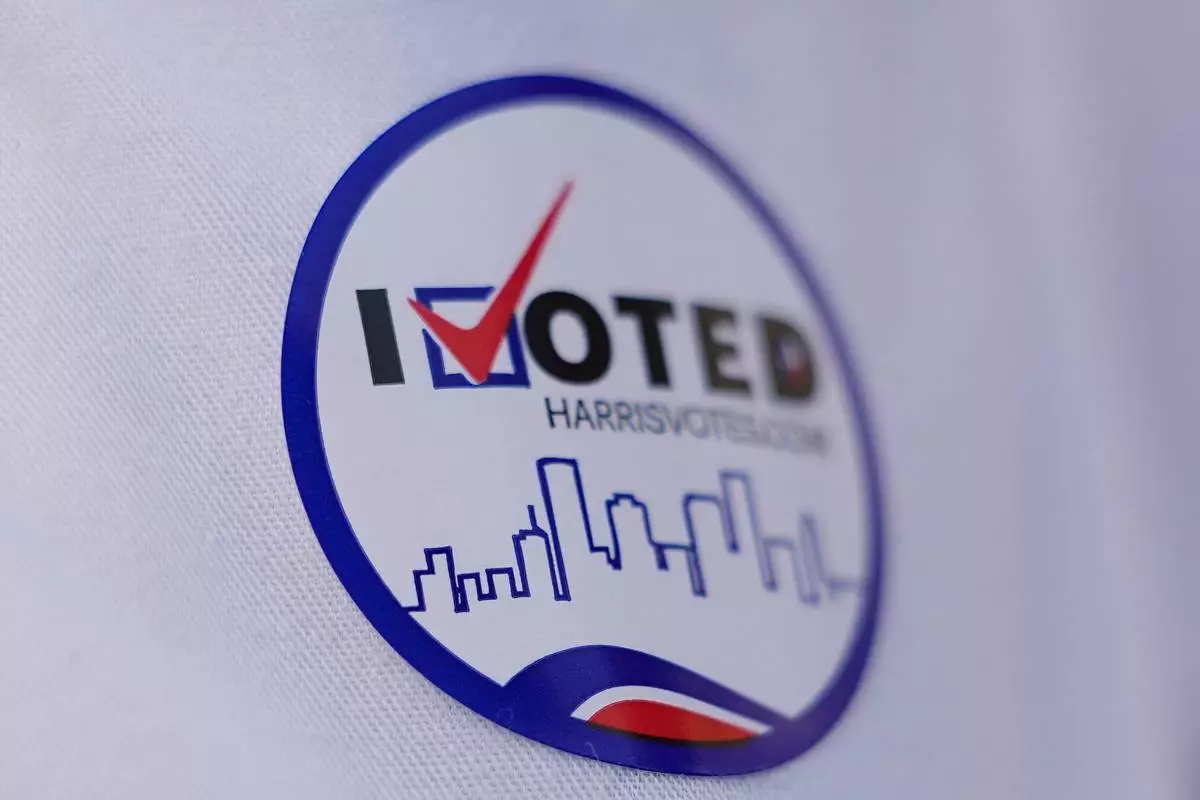
A man wears an "I voted" sticker outside a polling location Tuesday, March 3, 2026, in Spring, Texas. (AP Photo/David J. Phillip)
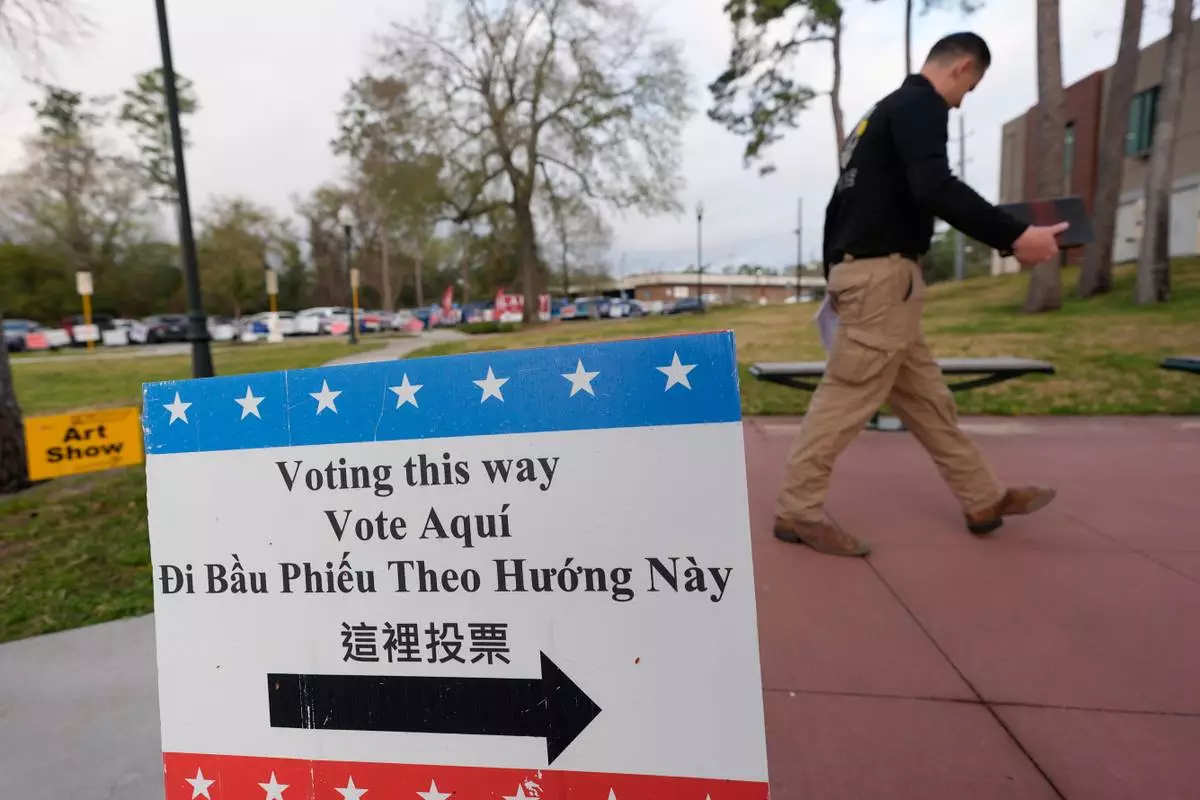
A voter makes his way into a polling location, Tuesday, March 3, 2026, in Spring, Texas. (AP Photo/David J. Phillip)
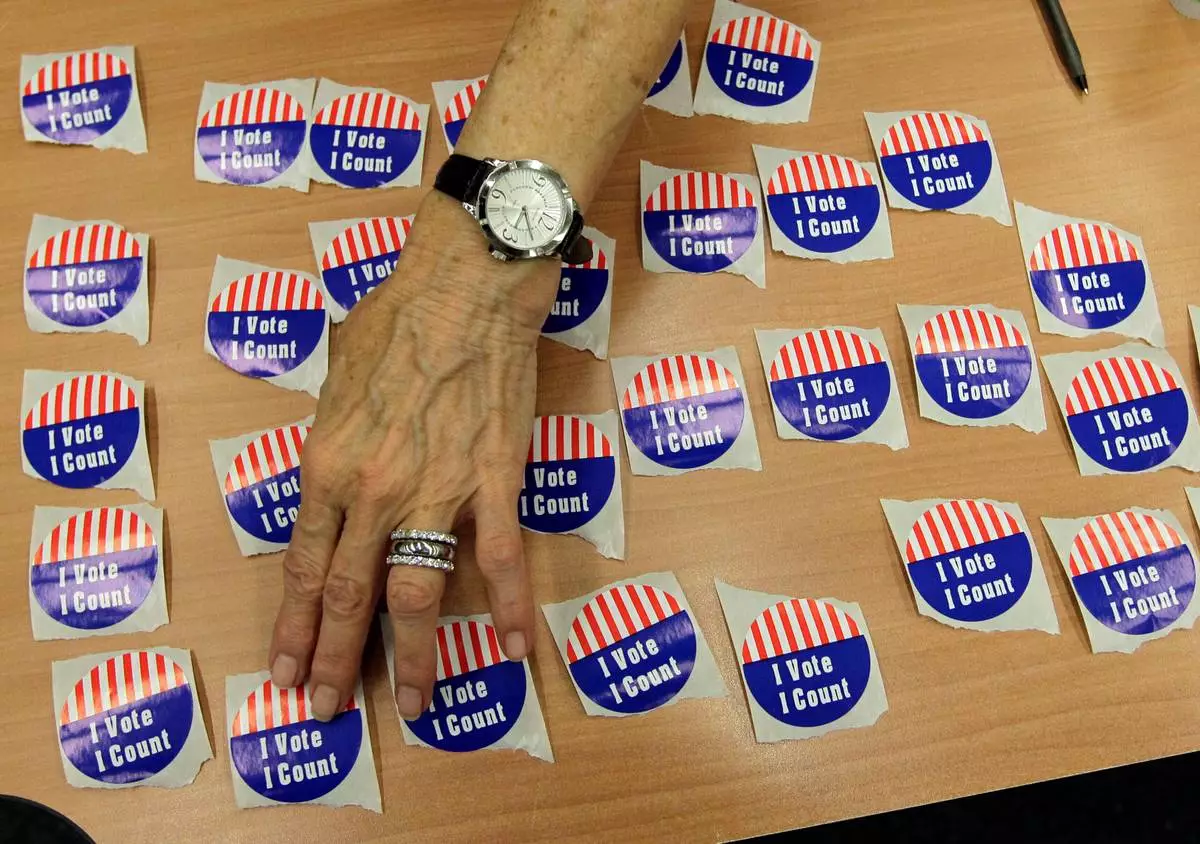
FILE - An election judge arranges "I Vote, I Count" stickers on a table in the Marion County Clerks office as voters cast early ballots in Indianapolis, Oct. 22, 2012. (AP Photo/Michael Conroy, File)