Agricultural science and technology, a key to China's sustained bumper harvest, now contributes more than 64 percent to agricultural production growth, Huang Sanwen, a member of the 14th National Committee of the Chinese People's Political Consultative Conference (CPPCC), said in Beijing on Wednesday.
"China's grain output reached 1.43 trillion jin (715 billion kilograms) in 2025, up 90.75 billion jin (about 45.37 billion kilograms) compared with five years ago. It is estimated that more than 90 percent of the increase came from higher yields per unit area. In other words, the key to China's sustained bumper harvest lies in agricultural science and technology," Huang, also the head of Chinese Academy of Agricultural Sciences, said at a group interview ahead of the opening of the fourth session of the 14th CPPCC National Committee.
The Communist Party of China Central Committee has always treated feeding the country's 1.4 billion people as a top priority in governance, said the CPPCC member. "During the 14th Five-Year Plan period (2021-2025), major science and technology initiatives and programs such as seed industry revitalization and efforts to address weaknesses in agricultural machinery were accelerated, with breakthroughs made in fundamental theories, key technologies, and a range of advanced and practical technologies and products applied in the fields. Science and technology now contributes more than 64 percent to agricultural production growth," Huang said. "At present, more than 95 percent of farmland is planted with domestically bred crop varieties. The market share of domestically developed seeds stands at 91 percent for vegetables, 80 percent for livestock and poultry, and 86 percent for aquatic products. In other words, China's grain, vegetables and meat are now mainly produced using Chinese-developed seeds," he said. Huang also said that the comprehensive mechanization rate for crop cultivation, planting and harvesting has reached 76.7 percent, with drones having become new farm tools, making agricultural production easier and more efficient.
The fourth annual session of the 14th CPPCC National Committee, China's top political advisory body, opened on Wednesday in Beijing.
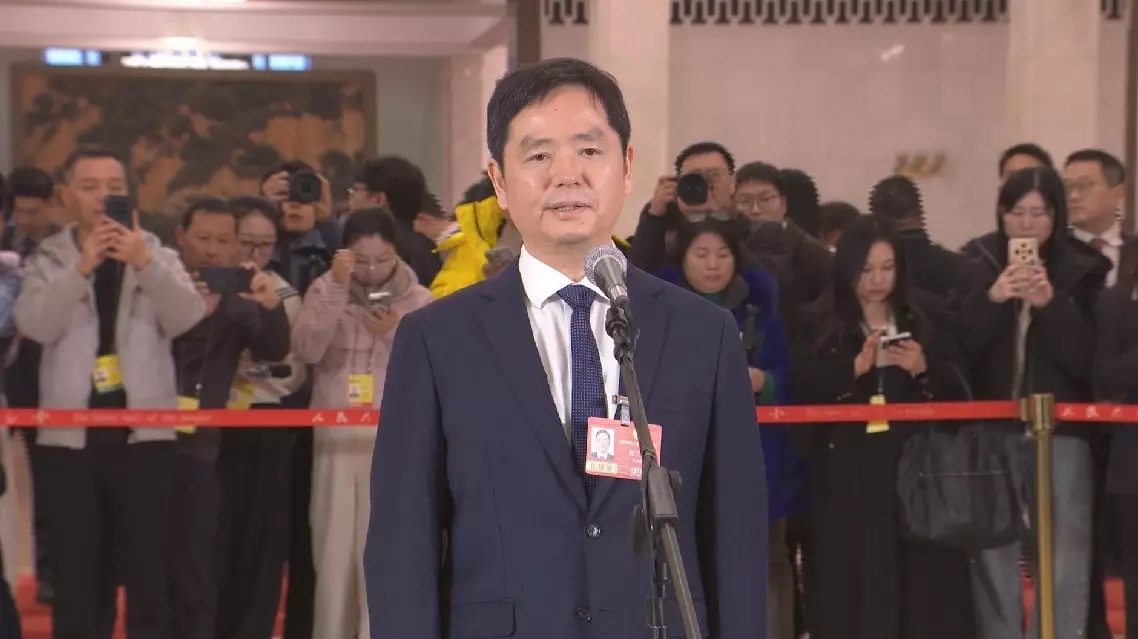
Agricultural science and technology key to China's bumper harvest: CPPCC member
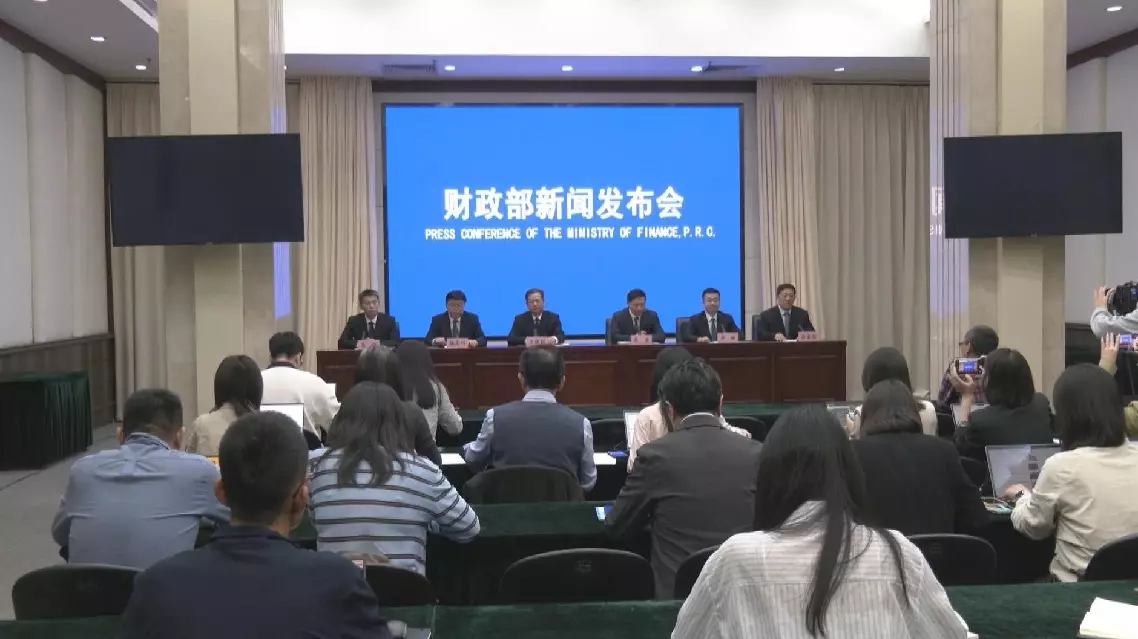
China welcomes all like-minded countries to join the Group of Friends of Global Governance (GFGG) and is ready to work with the international community to advance reform and improvement of global governance and jointly address global challenges, said Chinese Foreign Ministry spokeswoman Mao Ning in Beijing on Wednesday.
Mao was speaking at a regular press conference in response to a question about the Group of Friends of Global Governance, which was launched in Geneva on February 27. In September 2025, Chinese President Xi Jinping formally proposed the Global Governance Initiative, contributing China's wisdom and solutions to building a more just and equitable global governance system. Since its launch, the initiative has received support from more than 150 countries and international organizations, Mao said.
"In December last year at the UN Headquarters in New York, China proposed to establish the "Group of Friends of Global Governance," which has been warmly received at the UN," she said.
Geneva is an important hub of global governance, home to many UN entities and specialized agencies that address agendas vital to countries’ development and people’s livelihood, Mao said.
"On February 27, China held the launch ceremony of the "Group of Friends of Global Governance" in Geneva. Representatives from nearly 60 countries attended the meeting, including 42 founding members of the GFGG. Parties expressed strong recognition and support for the GGI, commended China's leading role in global governance, and looked forward to the GFGG strengthening communication and coordination and promoting dialogue and cooperation on the Geneva platform," she said. The establishment of the GFGG in both New York and Geneva, and its rapid progress, reflect that the Global Governance Initiative proposed by President Xi meet the needs of the world and conform to the will of the people, said the spokeswoman.
"As the noble cause of peace and development for humanity is confronted with severe challenges, it is more imperative than ever for us to recommit to the founding mission of the UN, uphold multilateralism, defend international fairness and justice, and work for peace, stability and development. China welcomes the participation of all countries sharing the same vision, and through the launch of the GFGG stands ready to work with the international community to explore pathways for reforming and improving global governance, jointly tackle global challenges and build a community with a shared future for humanity," she said.
China welcomes like-minded countries to join Group of Friends of Global Governance: spokeswoman