China has injected about two trillion yuan (about 289.7 billion U.S. dollars) in net medium- and long-term funds into the open market since the beginning of this year, China's central bank governor Pan Gongsheng said Friday.
Pan, governor of the People's Bank of China, outlined the country's monetary policy for 2026 at a press conference on the sidelines of the fourth session of the 14th National People's Congress.
"Since the beginning of this year, about two trillion yuan in net medium- and long-term funds have been channeled into the open market through various financial instruments. Overall, the social financing conditions remain accommodative, the financial aggregates keep reasonable growth, the comprehensive social financing cost operates at a low level, and the credit structure continues to be optimized. In 2025, the net financing of the bond market reached 16 trillion yuan, accounting for 46 percent of the increase in aggregate financing, which is a relatively high level in recent years. This also reflects that the financing structure of China's financial market is undergoing profound changes," Pan said.
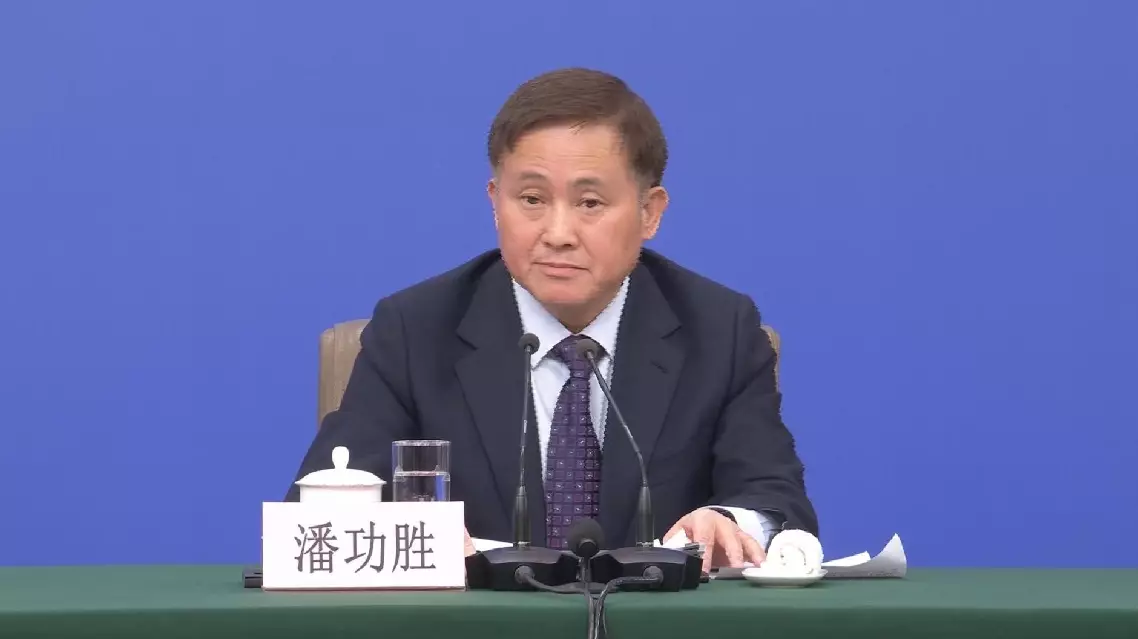
China injects 2 trillion yuan in medium, long-term funds into open market since start of 2026: minister
China and Thailand on Friday agreed to strengthen strategic alignment and enhance cooperation in various fields in a meeting between Thai Prime Minister Anutin Charnvirakul and Chinese Foreign Minister Wang Yi.
Noting the current turbulent international situation, Anutin said Thailand firmly adheres to the one-China policy and is willing to work with China to implement the consensus reached by the heads of state of the two countries.
Thailand is ready to work with China to resolutely combat online gambling and telecommunications fraud to further make the friendship between Thailand and China rooted in people's hearts, he said.
Anutin extended his gratitude for China's unremitting efforts in helping properly resolve the border conflict between Thailand and Cambodia, adding that he looks forward to China continuing to play a constructive role.
Noting China is a reliable and dependable strategic cooperative partner of Thailand, Wang, also a member of the Political Bureau of the Communist Party of China Central Committee, said that the saying "China and Thailand are one family" has a solid public opinion and social foundation and is showing even broader prospects.
Wang said that, facing a volatile international situation, China is willing to deepen mutual respect, trust and support with Thailand, and carry forward traditional friendship.
China stands ready to expand cooperation with Thailand in new energy, infrastructure, agriculture and other fields, promote the building of a more stable, prosperous and sustainable China-Thailand community with a shared future, and continuously make new contributions to regional stability and development, Wang said.
He expressed the hope that Thailand will intensify its efforts to crack down on online gambling and telecommunications fraud, creating a favorable environment for bilateral relations.
As a common friend of Thailand and Cambodia, China is willing to continue to build a platform for the two sides to engage in dialogue, rebuild mutual trust and improve relations, according to Wang.
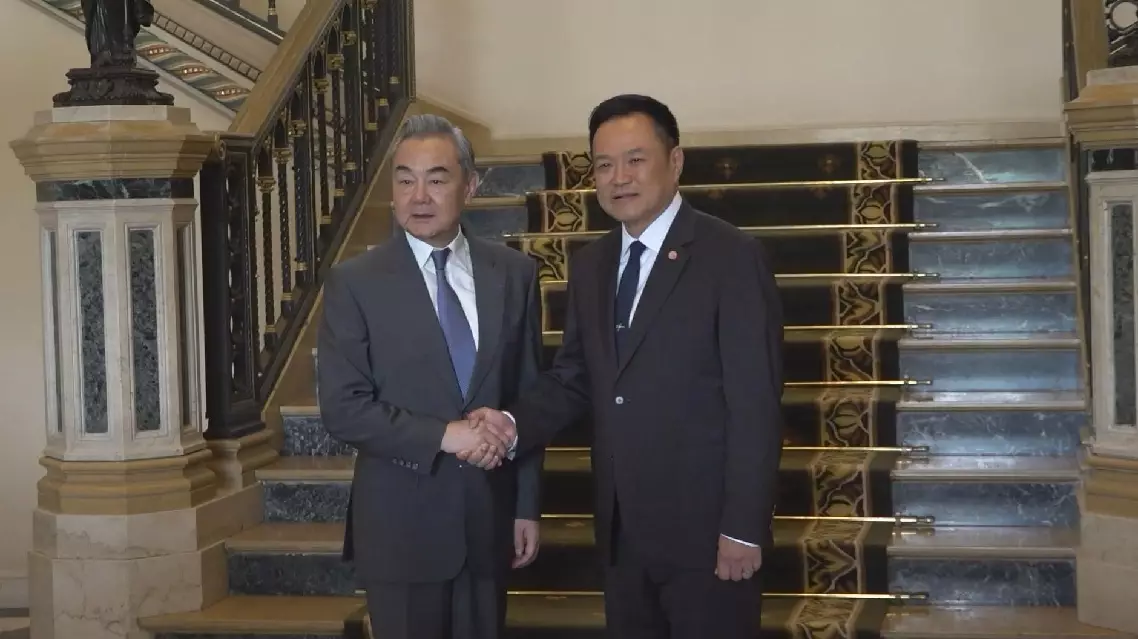
China, Thailand agree to strengthen strategic alignment, enhance cooperation
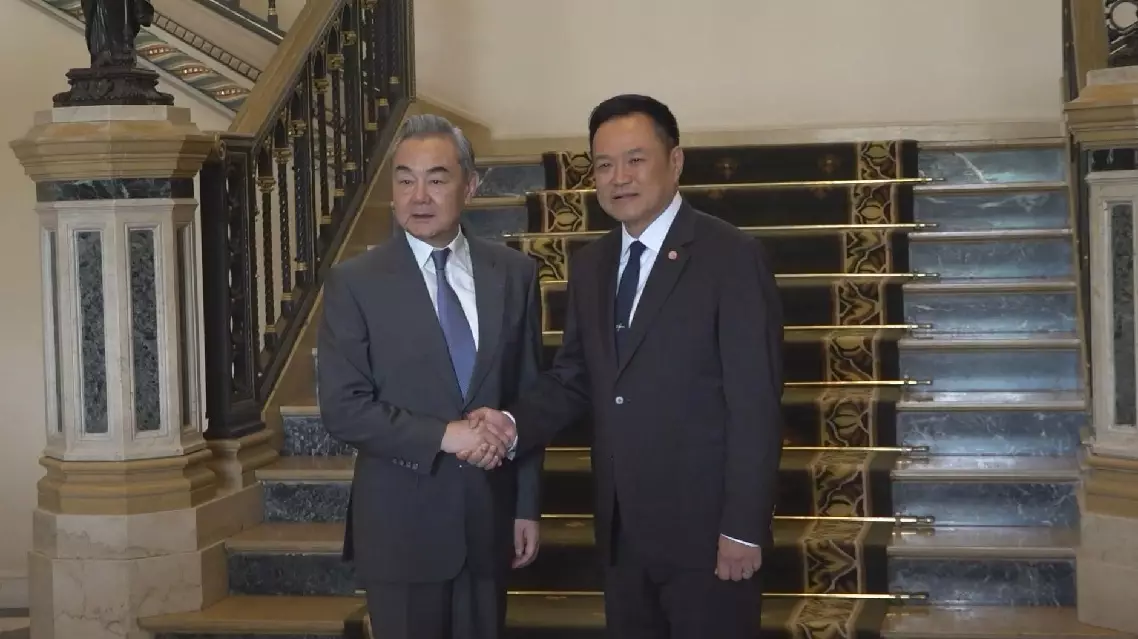
China, Thailand agree to strengthen strategic alignment, enhance cooperation
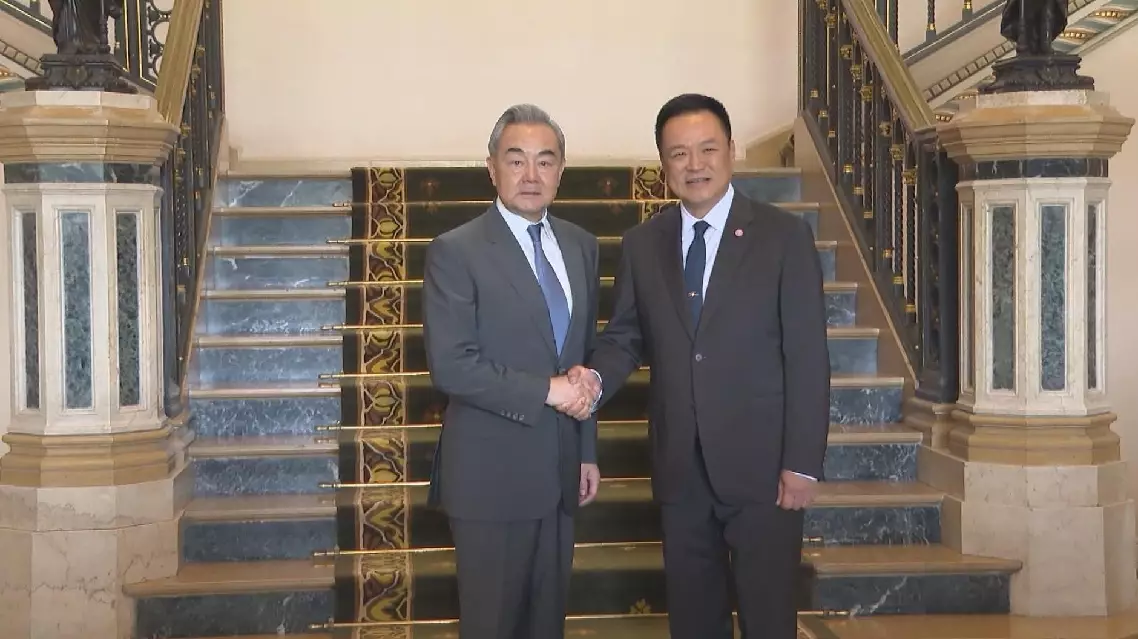
China, Thailand agree to strengthen strategic alignment, enhance cooperation