China's elderly care service vouchers for seniors with moderate to severe disabilities have benefited 892,000 people, with redemptions totaling 1.72 billion yuan (around 249 million U.S. dollars) so far this year, an official said on Saturday.
Efforts have been made to boost the country's elderly care services and improve the well-being of older people, Civil Affairs Minister Lu Zhiyuan told a press conference on people's livelihood on the sidelines of the fourth session of the 14th National People's Congress.
"Focusing on pressing difficulties concerning the seniors the most, we boosted village or community supported at-home elderly-care services, we develop canteens for seniors across the country, nearly 80,000 meal service stations have been built, serving over 3 million older people every day, meeting their needs for freshly cooked meals. We set up home-care beds, with the total number reaching 495,000 to bring professional care to the bedside. We also have completed age-friendly home renovations for 2.24 million households with seniors with special difficulties," he said. "Since the start of this year, we have been granting elderly care service vouchers to moderate to severely functionally paralyzed seniors. Till now, 1.72 billion yuan of vouchers have been redeemed, benefiting 892,000 older people,"he said.

China's elderly care service vouchers benefit 892,000 people
U.S. Democratic Senator Chris Murphy said on Tuesday that the Pentagon had barred him from entering a key U.S. military base during his recent visit to Qatar, which he said reflected an effort by the U.S. government to conceal the costs of the conflict with Iran.
Murphy made the remarks while visiting Riyadh, capital city of Saudi Arabia, the second stop on his current trip to the Middle East.
He told reporters that the trip had reinforced his belief that the U.S. administration was making an unprecedented and unconstitutional effort to withhold information about the war's costs and consequences from Congress and the American public.
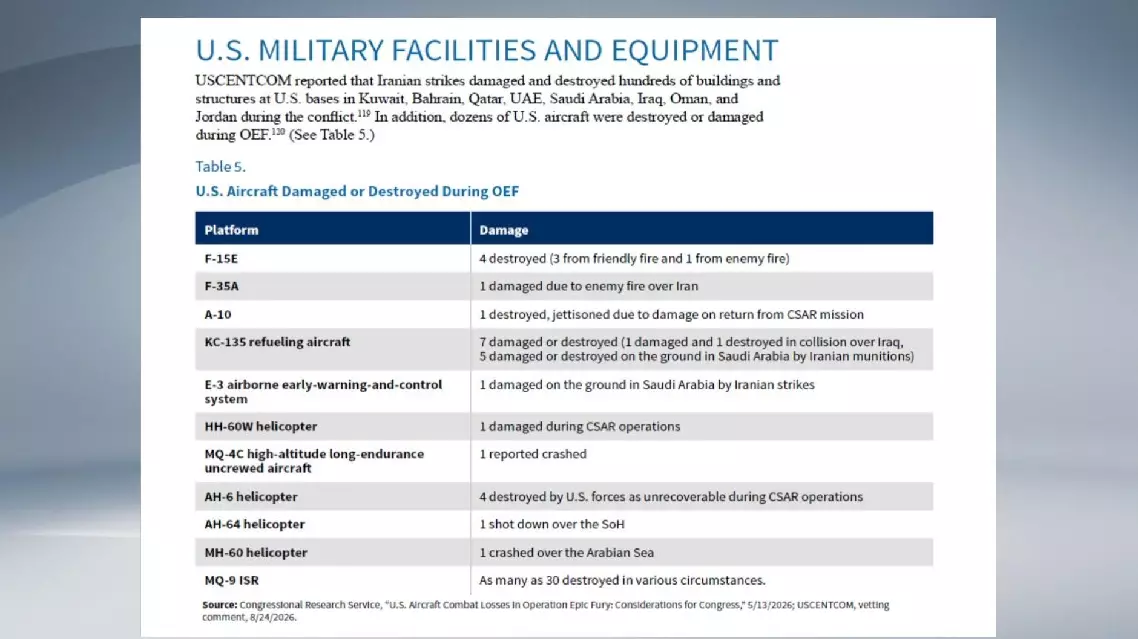
The United States and Israel launched military strikes against Iran in late February, prompting Iranian retaliation against U.S. military installations across the Middle East. Al Udeid Air Base, southwest of Qatar's capital Doha and one of the largest U.S. military facilities in the region, was among the major targets of the Iranian attacks.
A September 14 report by the U.S. Defense Department's inspector general, Office of Inspector General of the U.S. Department of Defense (DoDIG), said the conflict had caused significant damage to U.S. military bases and diplomatic facilities across the region, with hundreds of buildings and other structures damaged or destroyed and more than 50 U.S. aircraft damaged or destroyed.
Members of Congress have repeatedly called on the administration to provide more information about the financial costs and casualties resulting from the conflict.
Murphy, who serves on the Senate Foreign Relations Committee, said he had never encountered such restrictions during his time in the Senate when discussing the Pentagon's decision to prevent him from accessing the U.S. military facility in the Middle East.
During his visit to Saudi Arabia, Murphy also saw extensive damage to the U.S. Embassy in Riyadh caused by a drone attack. He warned that the incident could have resulted in mass casualties had it occurred during working hours.
According to data from the Defense Casualty Analysis System of the U.S.Department of Defense, U.S. forces had recorded 838 casualties in the conflict as of September 8, including 18 deaths and 820 injuries.
The Pentagon has faced criticism over delays in releasing information about wounded U.S. service members during the conflict, while officials have cited security concerns as the reason for withholding or delaying some details.
US senator accuses government of concealing Iran war costs