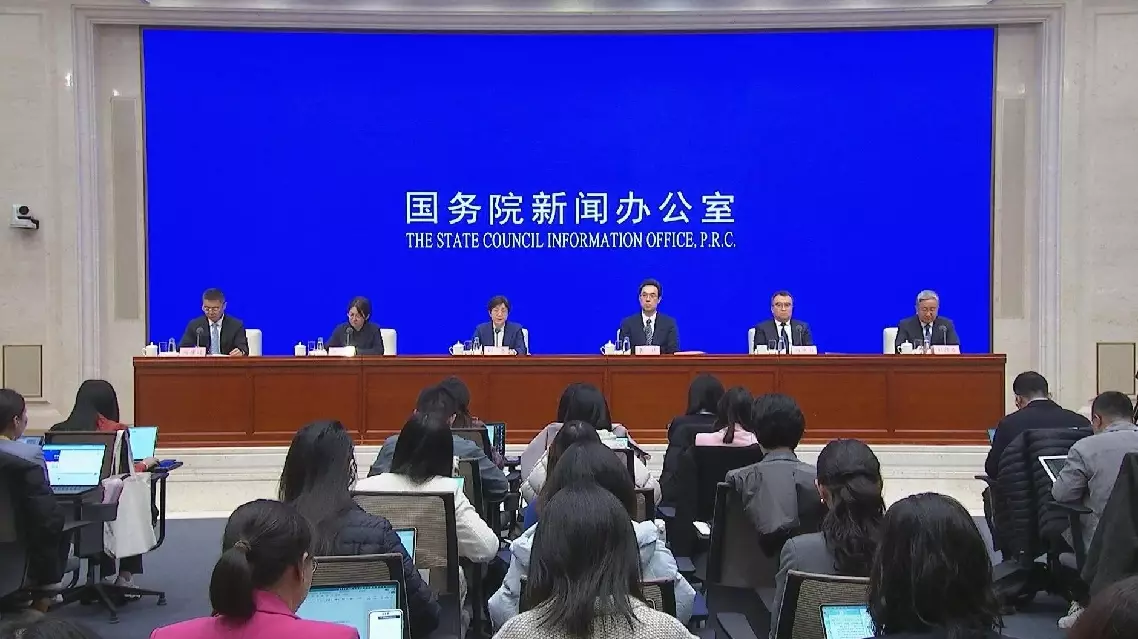
The draft outline of China's 15th Five-Year Plan (2026-2030) deploys major strategic tasks in 16 areas, covering key fields and links of social and economic development, said an official on Saturday at a press conference held in Beijing.
Zheng Bei, deputy head of the National Development and Reform Commission, made the remarks in response to a media inquiry.
She said many innovative measures were put forward in the comprehensive deployment.
"The draft outline continues to be both goal-oriented and problem-oriented and coordinates comprehensive planning with focused priorities. It deploys major strategic tasks in 16 areas, covering key fields and critical links of economic and social development. In particular, it puts forward many innovative measures, including the integrated development of education, science and technology, and talent, the commitment to closely integrating investment in physical assets with investment in human capital, and the promotion of interconnected development between regions," said Zheng.
The draft outline sets seven indicators for people's wellbeing, accounting for more than one-third of the major indicators.
It also proposed keeping China's GDP growth within an appropriate range in the five-year period, with annual growth rates to be determined in light of actual conditions, to lay a solid foundation for achieving the goal of doubling China's 2020 per capita GDP by 2035 to reach the level of a moderately developed country.
Draft outline of China's 15th Five-Year Plan deploys strategic tasks in 16 areas: official
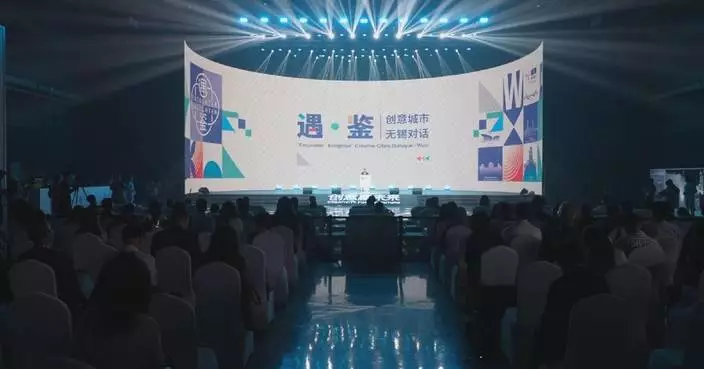
The first China New Cultural Creative Market and Trendy Toy Carnival opened in Beijing on Friday, presenting cultural and creative products from across the country for visitors.
Running from May 15 to 24, the event features exhibitors from 31 provincial-level regions across China. Blending traditional Chinese aesthetics with contemporary trends, the carnival provides a one-stop experience encompassing museum-inspired creative products, trendy collectibles, intangible cultural heritage demonstrations and digital technology innovations.
The event also highlights intangible cultural heritage cuisine from UNESCO-designated "Cities of Gastronomy" including Yangzhou, Chengdu and Shunde. More than 100 parades and performances are scheduled throughout the carnival day and night, appealing to visitors of all ages.
"This zone is jointly sponsored by us Beijing Municipal Bureau of Culture and Tourism and Beijing Municipal Cultural Heritage Bureau, together with several Beijing Souvenir shops and museums. We've built an immersive, scenario-based and theme market that's convenient for our tourists to visit and shop. The Beijing Souvenir zone features more than 200 kinds of creative products, including the very popular newly launched Beijing Opera facial masks and perfume," said Qiu Qing, deputy director of the Resource Development Division at the Beijing Municipal Bureau of Culture and Tourism.
The carnival has also become a popular destination for international tourists, who view it as an accessible and engaging way to experience authentic Chinese culture firsthand.
Melissa, a tourist from Russia, shared her passion for Chinese culture and how the event draws her more deeply with the country's heritage.
"I've always been very interested in Chinese culture. After coming to China, I feel I must go on with my exploration. Chinese culture is resourceful and profound. Coming to a place like this, you can understand this more deeply. Whether it's the National Museum of China or other institutions, they all have their own IPs with elements related to Chinese culture. When I go back to Russia, I usually bring some refrigerator magnets or souvenirs, some representative souvenirs like crown ones, very much contain Chinese culture in them," she said.
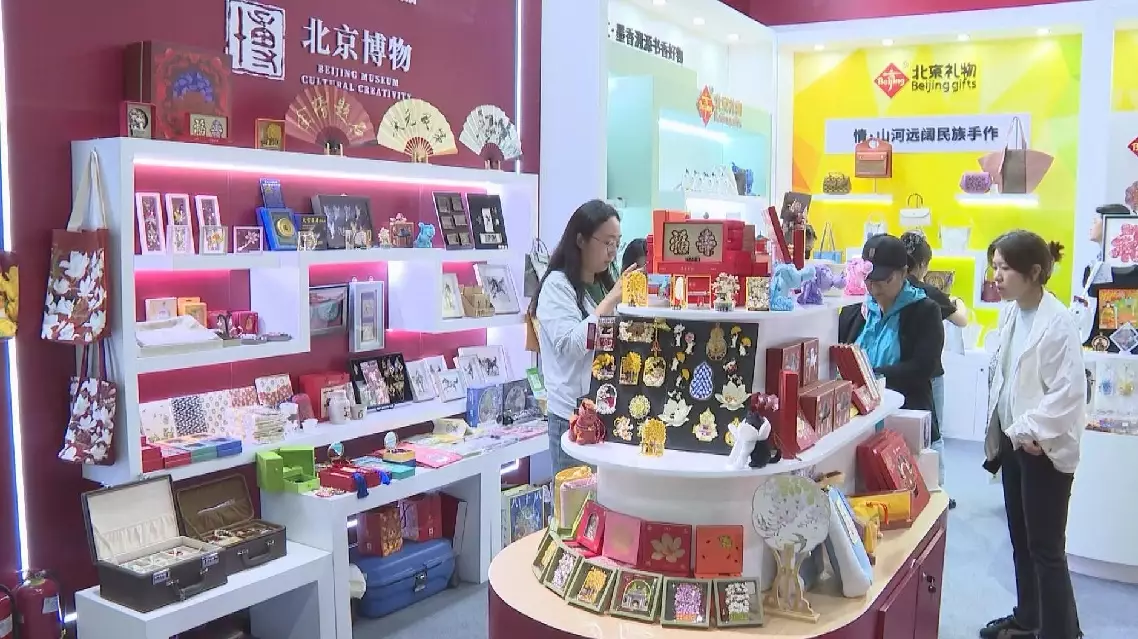
1st national new cultural carnival opens in Beijing