China firmly advocates universally beneficial and inclusive economic globalization, and will remain the most stable engine of global economy, Foreign Minister Wang Yi said in Beijing on Sunday.
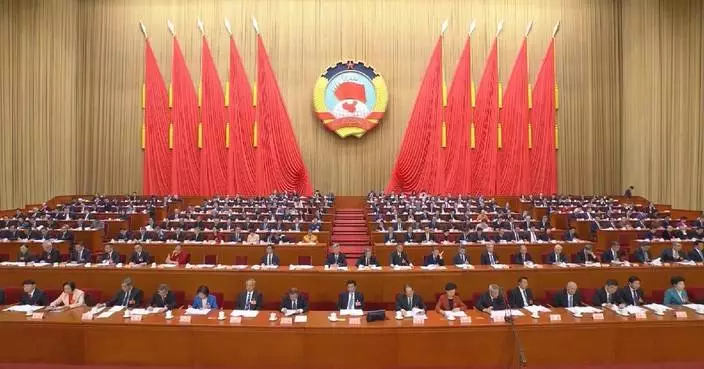
Wang made the remarks at a press conference on the sidelines of the fourth session of the 14th National People's Congress (NPC).
"Problems facing the economic globalization can only be addressed through more sustainable development and fairer, more effective governance. For this, President Xi Jinping has proposed advancing universally beneficial and inclusive economic globalization, which aims to constantly enlarge the 'cake' of economic globalization and divide it better, in the principle that no country should be left behind and the wealth gap should not widen. The path leading to this goal is to encourage countries to complement each other's strengths and share opportunities through opening and development, and to achieve shared development and mutual success through integration of interests," he said.
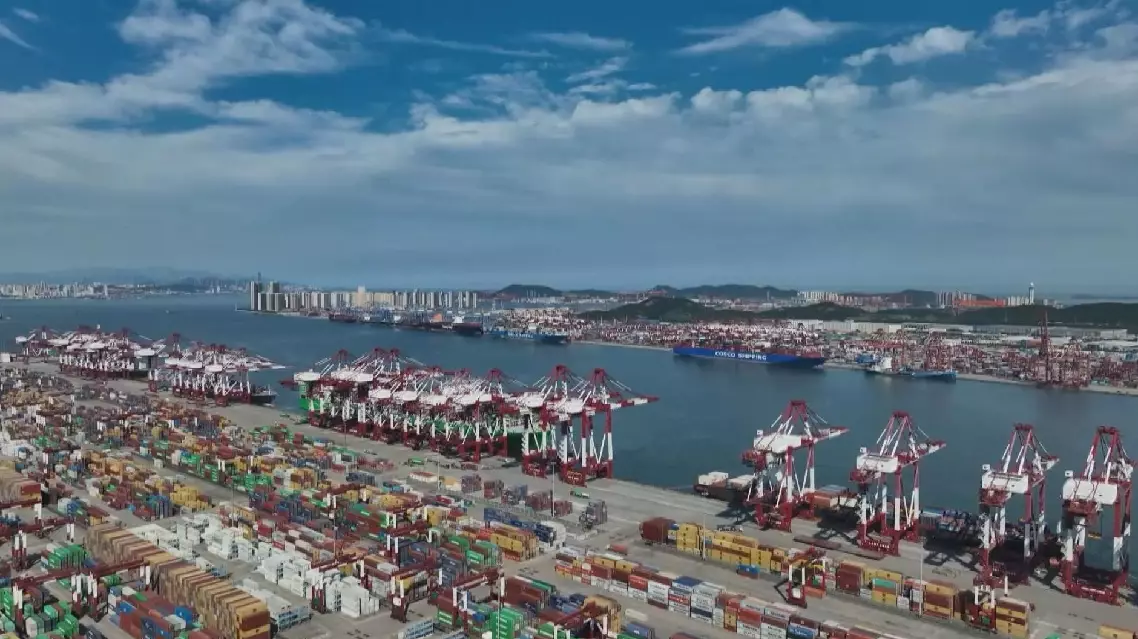
"China will continue to expand high-standard opening up. It will not only shoulder the responsibility as the 'world's factory,' but also better play its role as the 'world's market.' China is strongly committed to supporting trade and investment liberalization and facilitation, keeping global industrial and supply chains stable and smooth, upholding the WTO-centered multilateral trading system, and defending a fair and open economic and trade order, while making new contributions to robust and sustainable global economic growth," he said.
The 14th NPC, China's top legislature, is holding its fourth annual session from Thursday through March 12.
China will remain most stable engine of global economy: FM
China will remain most stable engine of global economy: FM
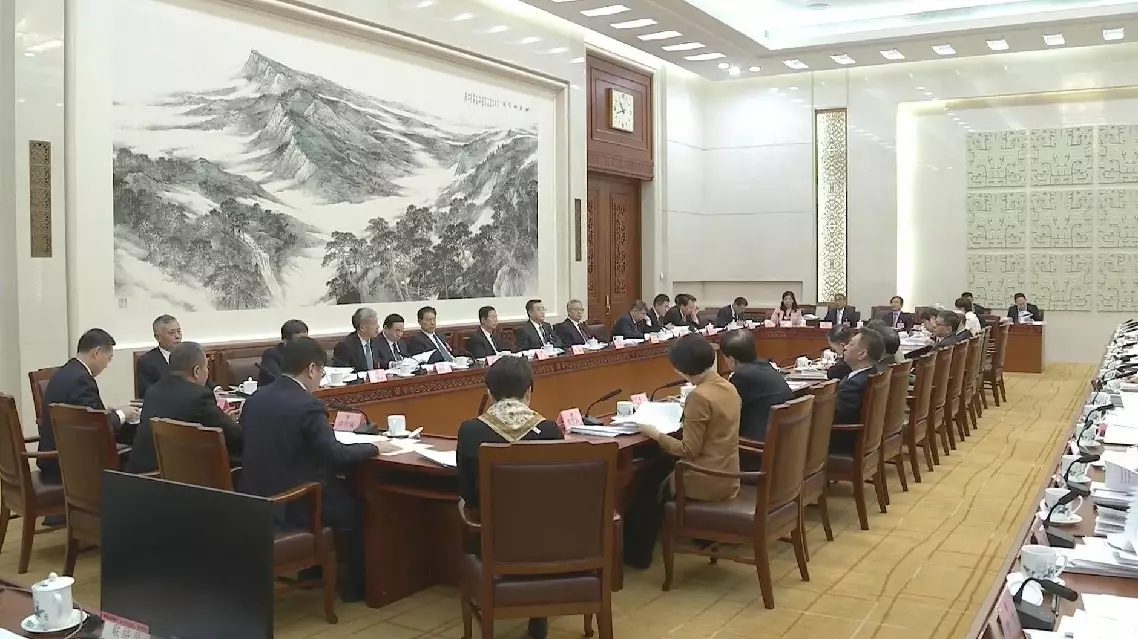
The National People's Congress (NPC) Financial and Economic Affairs Committee held a plenary meeting on Sunday to review the draft outline of the 15th Five-Year Plan (2026-2030) for national economic and social development, as well as the reports and drafts on budgets and economic and social development plans at the ongoing fourth session of the 14th NPC in Beijing.
The meeting passed three reports on the committee's review results and submitted them to the presidium of the fourth session of the 14th NPC.
The committee agreed that the goals and tasks outlined in the 14th Five-Year Plan (2021-2025) were successfully completed. The draft outline of the 15th Five-Year Plan submitted by the State Council is in line with the goals and requirements set forth in the Recommendations of the Central Committee of the Communist Party of China (CPC) for Formulating the 15th Five-Year Plan for National Economic and Social Development. Its major policy orientations align with the Party's basic theory, basic line and basic policy. Its main objectives, key tasks and major projects are in line with China's national conditions and stage of development, conform to the law of economic and social development, and are consistent with the country's medium- and long-term development strategic goals. Overall, it is feasible.
The committee suggested the fourth session of the 14th NPC approve the draft outline of the 15th Five-Year Plan.
The committee agreed that the implementation of the 2025 plan for national economic and social development was generally good. The 2026 plan proposed by the State Council is in line with the guiding principles from the 20th National Congress of the CPC and the plenary sessions of the 20th CPC Central Committee, conforms to the guidelines of Central Economic Work Conference and aligns with the goals of the outline of the 15th Five-Year Plan. Its main objectives, key tasks, and major projects are in accordance with the status quo of economic and social development in China. The 2026 plan is therefore feasible on the whole.
The committee suggested the fourth session of the 14th NPC approve the Report on the Implementation of the Plan for National Economic and Social Development in 2025 and the Draft Plan for National Economic and Social Development in 2026, and approve the draft plan for national economic and social development in 2026.
The committee also agreed that the execution of budgets for 2025 was good in general. The reports and drafts on central and local budgets for 2026, proposed by the State Council, conform to the guiding principles from the CPC’s 20th National Congress and the plenary sessions of the 20th CPC Central Committee, align with the guidelines of Central Economic Work Conference, and are compatible with the expected targets for annual economic and social development and the overall requirements for macro-control. Main revenue and expenditure policies are basically coordinated and matched. A careful analysis has been conducted on existing difficulties and challenges, and corresponding arrangements have been made to ensure the work is carried out effectively, which complies with the provisions of the Budget Law. Therefore, the draft budgets for 2026 are feasible.
The committee suggested the fourth session of the 14th NPC approve the Report on the Implementation of the Central and Local Budgets in 2025 and the Draft Central and Local Budgets in 2026, approve the draft central budget for 2026, and also approve the general debt ceiling and special debt ceiling for local governments for 2026.
NPC committee reviews draft outline of 15th Five-Year Plan, reports, drafts on budgets, economic, social development plans