China's modernization of traditional culture and its extension of visa-free policies are among the initiatives that have boosted cultural exchanges with other countries, according to Ronnie Lins, executive director of the Brazil-China Research and Business Center.
In an interview with China Media Group (CMG), the Brazilian scholar said that Chinese creators have explored modern interpretations of traditional culture and been recognized by consumers around the world, adding that video game Black Myth: Wukong and animated movie Ne Zha are two prominent examples.
Launched in August 2024, Black Myth: Wukong, which is inspired by the ancient Chinese tale "Journey to the West", became an instant global sensation, selling over 10 million copies across all platforms within three days.
"Ne Zha 2" -- a modern reinterpretation of a mythological rebel -- raged its way to a staggering 15.4 billion yuan on the Chinese mainland alone in 2025, and to 2.2 billion U.S. dollars globally, becoming the world's top-grossing animated feature.
"The international reach of productions such as Black Myth: Wukong and Ne Zha showed that traditional Chinese culture can engage with the world in a contemporary way. When creators recreated it through games, animation and digital platforms, it becomes accessible, dynamic and especially applying to the young generation. These formats prove effective, because they rely on visual languages, storytelling and emotion, with universal elements that facilitate cultural understanding," said Lins.
In addition to integrating modernity into traditional culture, granting visa-free policy to nationals of an increasing number of countries also helps boost cultural exchanges, according to the Brazilian scholar.
To date, China has granted unilateral visa exemption to 50 countries and made mutual visa-free entry arrangements with 29 countries, said a foreign ministry spokeswoman on social media platform on Sunday.
"It goes beyond promoting tourism and represents a concrete commitment to openness and dialogue among people. By facilitating the movement of students, entrepreneurs, and visitors, China encourages direct human interaction that helps reduce stereotypes and misunderstandings. This closer engagement strengthens cultural exchange and contributes to more balanced international relations grounded in the real experience and mutual respect," Lins said.
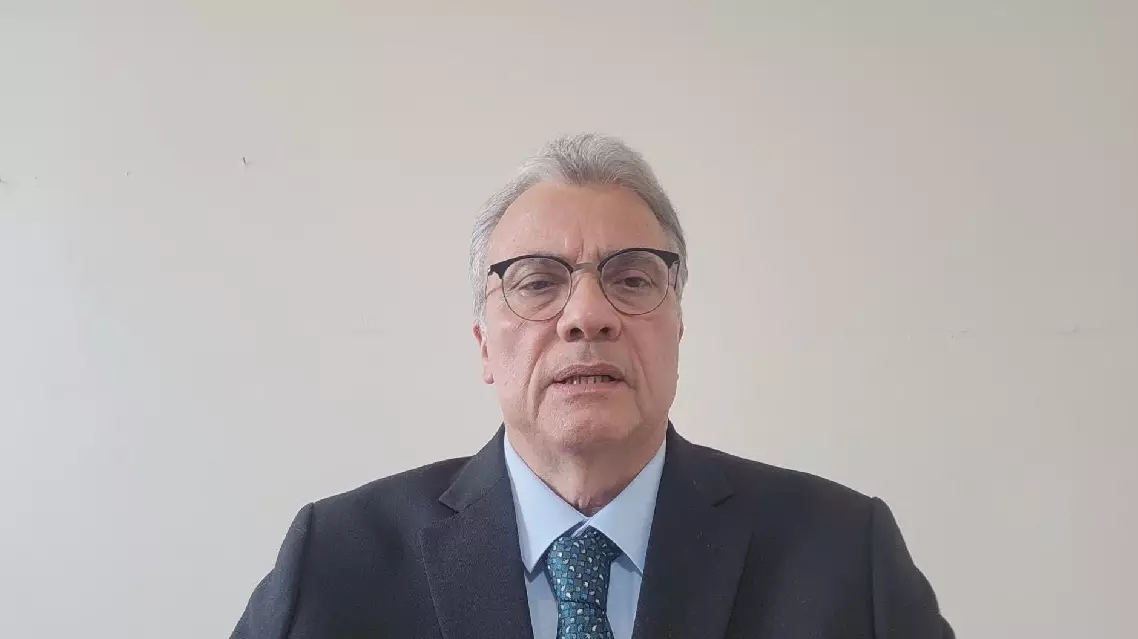
China's cultural modernization, visa-free access promote civilizations' mutual learning: Brazilian scholar