Airports in the United Arab Emirates (UAE) partially resumed flight operations on Sunday, following disruptions caused by recent regional tensions.
Dubai International (DXB) and Al Maktoum International (DWC) have resumed limited operations, while airports in Abu Dhabi, Sharjah, Ras Al Khaimah, and Fujairah are also operating a reduced number of flights. Access to terminals is restricted to passengers with confirmed bookings, according to airport authorities.
Major UAE carriers, including Emirates, Etihad Airways, flydubai, and Air Arabia, have resumed a limited number of flights and advised passengers to check flight statuses, as schedules remain subject to change.
On Saturday, flight operations at several UAE airports were temporarily suspended due to regional security concerns but gradually resumed later in the day.
Earlier that day, air raid sirens sounded several times at Dubai International Airport as the UAE Ministry of Defense reported intercepting missiles and drones fired from Iran.
Eyewitnesses told China Media Group (CMG) that explosions were heard near Dubai International Airport on Saturday morning, with smoke rising into the air. Passengers were evacuated to underground shelters, and check-in procedures were suspended until operations gradually resumed around midday.
The Chinese Consulate General in Dubai confirmed that several airlines, including Air China, China Southern Airlines, China Eastern Airlines, and Emirates, are preparing to resume flights between Dubai and cities in China, such as Beijing, Shanghai, and Guangzhou, to assist stranded passengers. Several confirmed flights are scheduled to operate on Sunday.
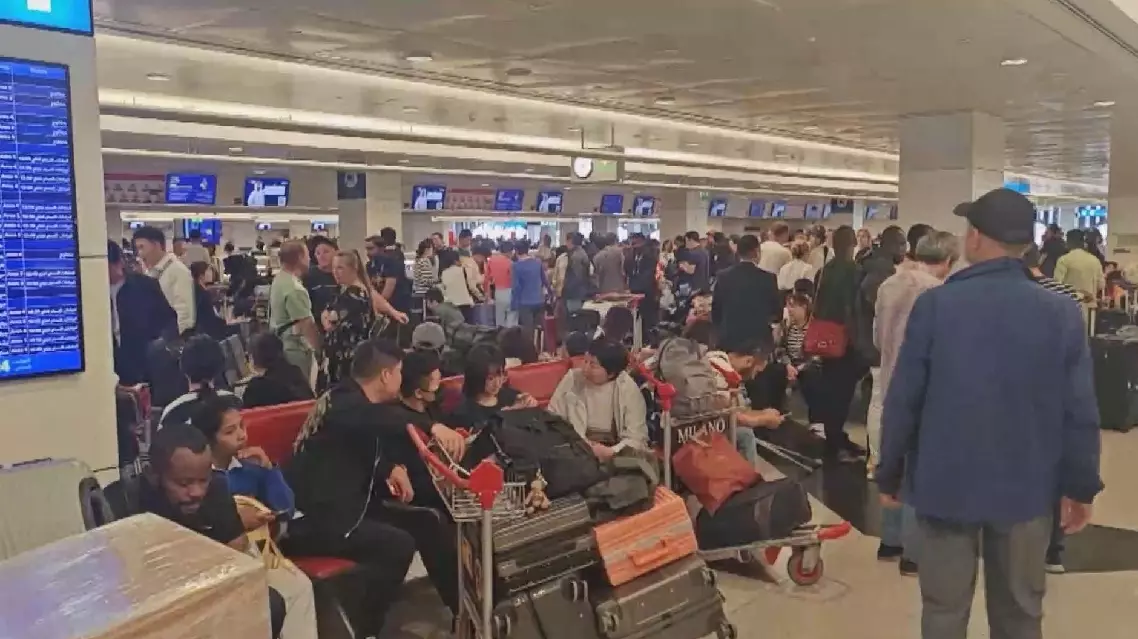
UAE airports resume partial operations as airlines restore services
China's zero-tariff policy is widely seen as a major opportunity for African countries, supporting their efforts to improve livelihoods, advance trade upgrading and promote regional stability, African officials and economic stakeholders said.
On Friday, China officially expanded its zero-tariff policy to cover all 53 African nations with which it maintains diplomatic relations. The move aims to create new pathways for African exports and industrialization at a time when global trade faces mounting pressures from protectionism.
The policy builds upon earlier measures: since Dec 1, 2024, China has already eliminated tariffs on 100 percent of tariff lines for 33 least developed countries in Africa. The latest expansion now includes economies that are relatively more developed, such as Kenya, Egypt and Nigeria, opening doors for a broader range of African products to enter the Chinese market duty-free.
Omar Toure, president of the Economic Community of West African States (Ecowas) Commission, noted that economic growth and poverty reduction can contribute to greater stability and peace in the region.
"For us, this is a major opportunity for our countries because China is a massive market and having access to such a massive market for our produce and products is a major opportunity that we must all seize. It will have impact on overall development of our countries through enhanced productivity because as you know, poverty is a key driver of insecurity in our region. The zero tariff policy is likely to advance our development, to support our development, as well as help us entrench peace and security in our region and on the continent," he said.
Beyond expanding market access, the initiative is expected to strengthen Africa's industrialization and help upgrade regional industries, spurring ambitions to pursue global economic involvement.
"It will enhance trading relations between China and the rest of its partners. I think to a large extent, also within Africa itself, it's going to act as a great catalyst for improving trade, for enhancing the economic relations and also for industrialization," said Bianca Ojukwu, Minister of State for Foreign Affairs of Nigeria.
"China is a very big market, and if you supply to China, it means you will enhance the value of trade or the volume of your exports. And that in itself is monumental. In the sense that, apart from just the value of the export, you get more and more people getting higher incomes and also being able to upgrade their production facilities. So it's really going to benefit Africa in a way that Africa can also begin to participate in a global trade," said David Chewe, Fund Manager of Zambia Export Development Fund.
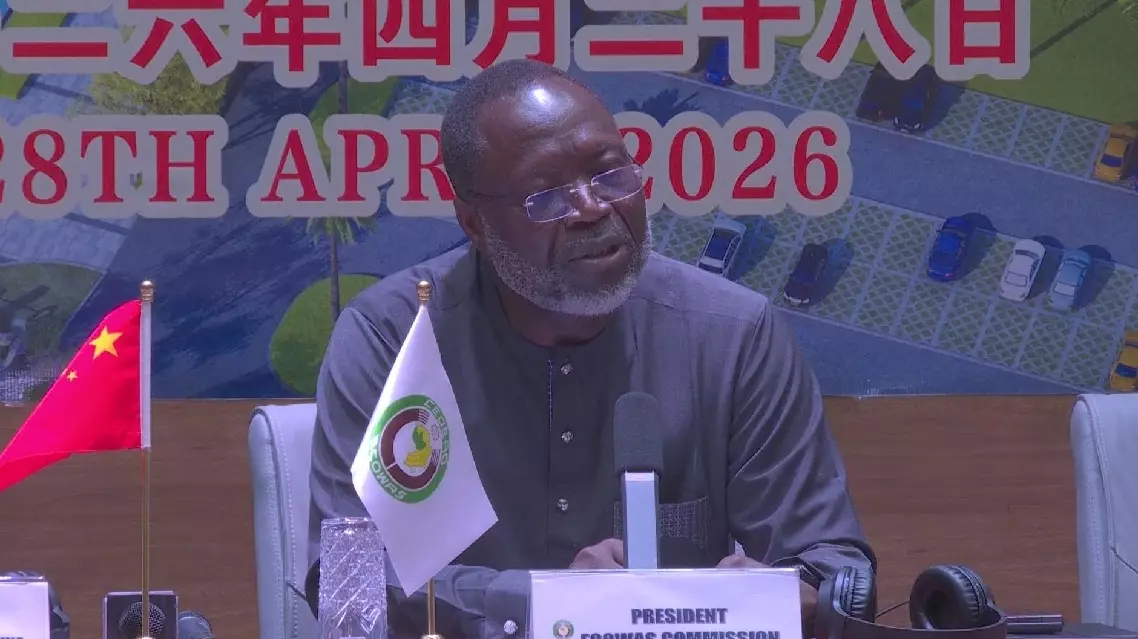
China‘s zero-tariff policy on Africa applauded as catalyst for boosting bilateral trade, peace