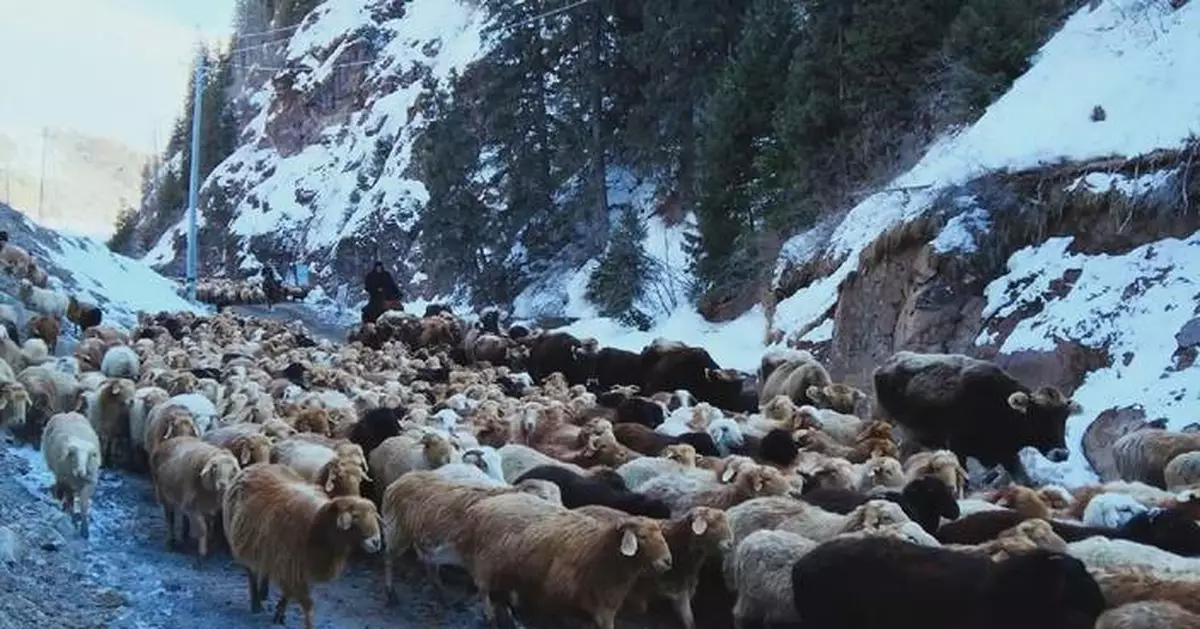
Over 118,000 head of livestock in Yining County, in northwest China's Xinjiang Uygur Autonomous Region, have begun their annual transfer as herders are moving their flocks from winter pastures to spring settlements in preparation for the lambing season.
The spring transfer is the most critical seasonal migration for herders. Most of the sheep moved at this time are pregnant ewes, and the success of the transfer directly determines annual income.
Local government has set up service points along the migration route and made necessary preparations to ensure a smooth transfer.
By mid-March, all livestock belonging to the county's 436 herder households will have completed the transfer.
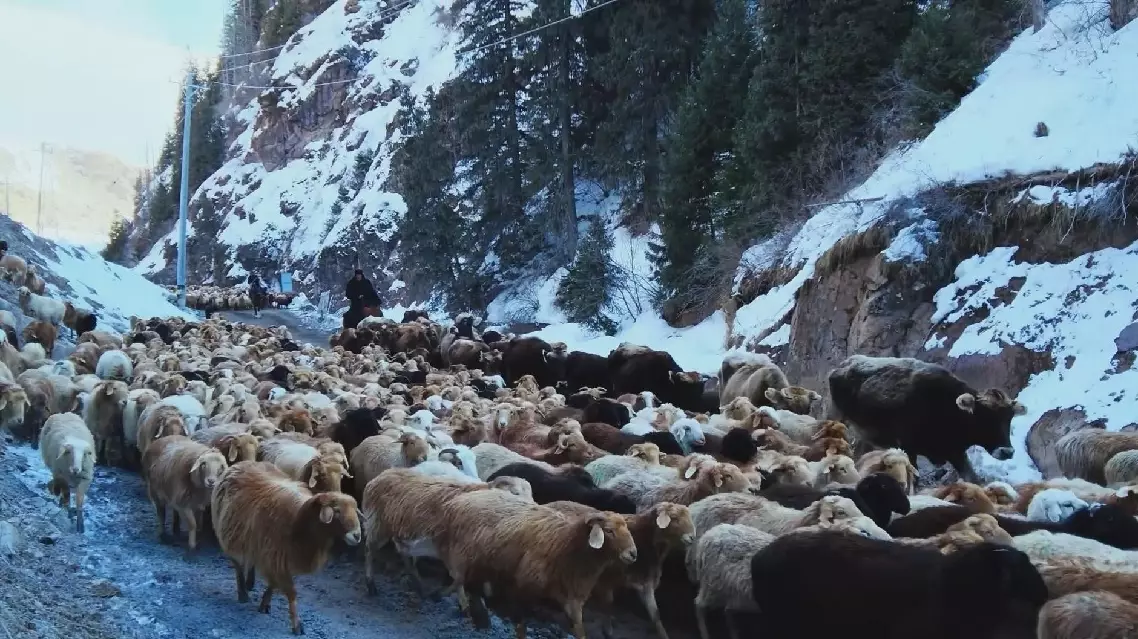
Xinjiang herders moving livestock to spring pastures for lambing
Many local residents in southern Lebanon are defying Israeli evacuation orders, refusing to leave despite ongoing airstrikes that have battered the coastal city since the conflict with Hezbollah erupted in 2024.
The Israeli army on Saturday warned Lebanese residents located south of the Litani River to evacuate immediately and move north of the river. In Tyre alone, one of the largest cities in that area, an estimated 30 percent of local residents refused to leave.
At the rubble of Sawt el Farah -- southern Lebanon's first radio station, which means "Voice of Joy," Tyre's Deputy Mayor Alwan Sharafeddine searches for any salvageable equipment. The building, which also housed a Hezbollah financial office, was destroyed in an Israeli strike last week, silencing a voice that had broadcast for decades.
"Founded in 1989, Sawt El Farah was the first radio station in southern Lebanon. It covered citizens' affairs in South Lebanon, especially since the south back then was occupied by the Israeli enemy. We produced stories about our relatives under occupation and the citizens of the homeland. The station had a vital social, cultural, and health awareness role; it was the memory of the residents of Tyre and the memory of all citizens of the south," Sharafeddine said.
Ali Fadel, a local resident, sent his wife and children north to safety in Beirut, visiting them weekly but always returning to Tyre to do whatever he can to help those left behind, including birds.
"Half of the restaurants here are shut. Many people left; no one is feeding the pigeons. I had some extra bread, so I came to feed them. 500 or 1,000 birds -- it's not right to leave them without food. I love my neighborhood very much; that's why I don't want to leave. I adore this town so much," Fadel said.
Home to an estimated 60,000 people, Tyre is one of Lebanon's oldest and most visited cities. For resident Mohamed Abdelwahab, resistance takes many forms, and not all of them are on the front line, but keeping society running in the rear is just as essential to making this community resilient.
"This is an aggressive enemy. Everyone should resist. Every person should resist based on their capabilities. Staying resilient in your hometown, in your house, is resistance. There are those who fight at the front lines and those who fight from home. There are other forms of resistance: those who stayed here to help the people -- opening their stores, bakeries, and pharmacies -- help residents become resilient," Abdelwahab said.
"In addition to the residents who stayed, we have a number of displaced citizens from the villages further south that were targeted by the Israeli aggression. About 600 people are in shelters; some, unfortunately, are staying in public parks and on the streets. The nine schools we converted into shelters have all reached full capacity. But overall, more people are resisting relocation than during the 2024 war," Sharafeddine said.
Lebanese refuse to leave in defiance of Israeli evacuation orders