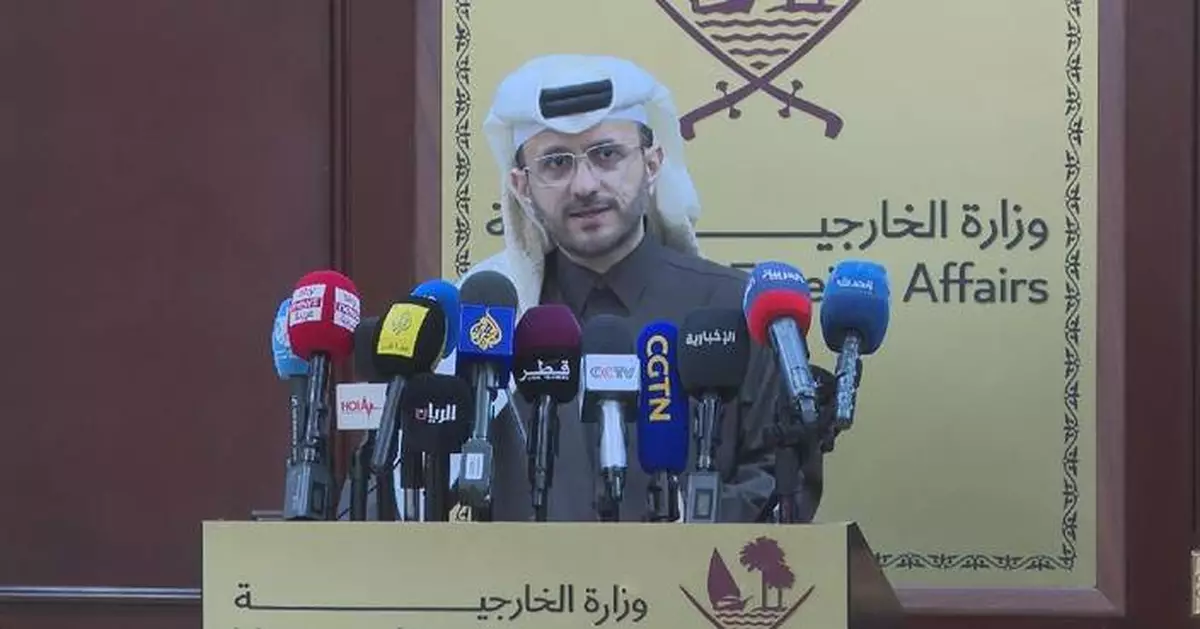
All parties involved in the regional conflict should stop targeting civilian infrastructure, Qatari Foreign Ministry spokesman Majed Al-Ansari said on Tuesday, noting that any attack against such infrastructure cannot be accepted.
"It's very clear from our position - any party that targets civilian infrastructure, we are urging them to stop that immediately, because it will have repercussions. We are communicating to all parties the same message that civilian infrastructure should be out of this escalation and cannot be accepted," Al-Ansari said at his weekly press briefing.
The spokesman also urged relevant parties to cease attacks on energy facilities, stating that such actions not only threaten regional security but also pose serious risks to global energy markets and supply chains.
Ansari added that Qatar still believes that the dispute can be resolved through diplomatic means and is currently in communication with all relevant parties to seek effective ways to defuse the current regional conflict.
"Qatar we have always believed that any conflict would only end on the negotiation table. And however difficult the situation right now is, the end of this conflict will be on the negotiation table. And therefore, the quicker we get to that negotiation table, end the escalation, the better it is for the people of the region and international peace and security and international economy," he said.
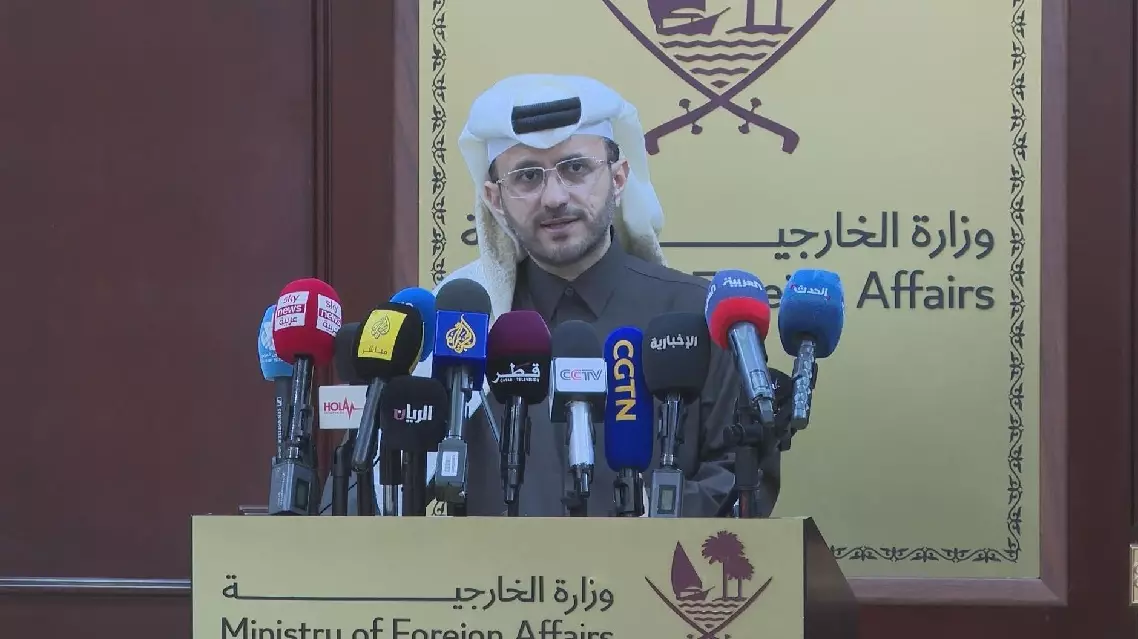
Attacks against civilian infrastructure unacceptable: Qatari foreign ministry
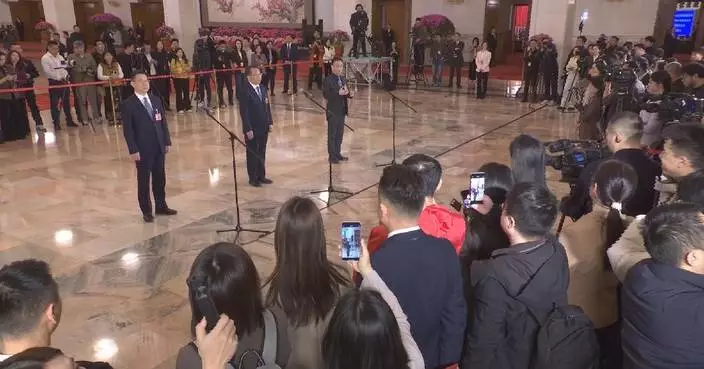
Liuzhai, once a remote and impoverished village in north China's Shanxi Province, has transformed itself into a model of rural revitalization by advancing modern agriculture and tourism, a national political advisor said in a group interview in Beijing on Wednesday.
Cheng Yuzhen, a member of the 14th National Committee of the Chinese People's Political Consultative Conference (CPPCC) and Party branch secretary of Liuzhai Village in Changzhi City, briefed the media on dramatic changes in her village over the past years ahead of the closing meeting of the fourth session of the 14th CPPCC National Committee.
"During the process from lifting ourselves out of poverty to revitalizing rural areas, we focused on developing distinctive industries and building self-sustaining capabilities. Leveraging the village's traditional liquor-making techniques, we established a modern distillery and built our own brand. This initiative has provided stable income to over 300 households growing sorghum nearby. At the same time, we developed 108 greenhouses and cultivated about 20 hectares of field vegetables," said Cheng.
The village has developed six pillar industries, including greenhouse vegetable production, photovoltaic power generation, and minor grains processing. In 2016, all the residents in the village shook off absolute poverty.
"Additionally, we've integrated the village's industries to develop tourism. Last year, we hosted over 30 events including bonfire parties, fruit picking and rural food festivals, attracting thousands of visitors from surrounding cities. Now, our village's per capita income has surpassed 25,000 yuan (about 3,635 U.S. dollars)," said Cheng.
The annual session of the 14th CPPCC National Committee, China's top political advisory body, opened on March 4 this year.
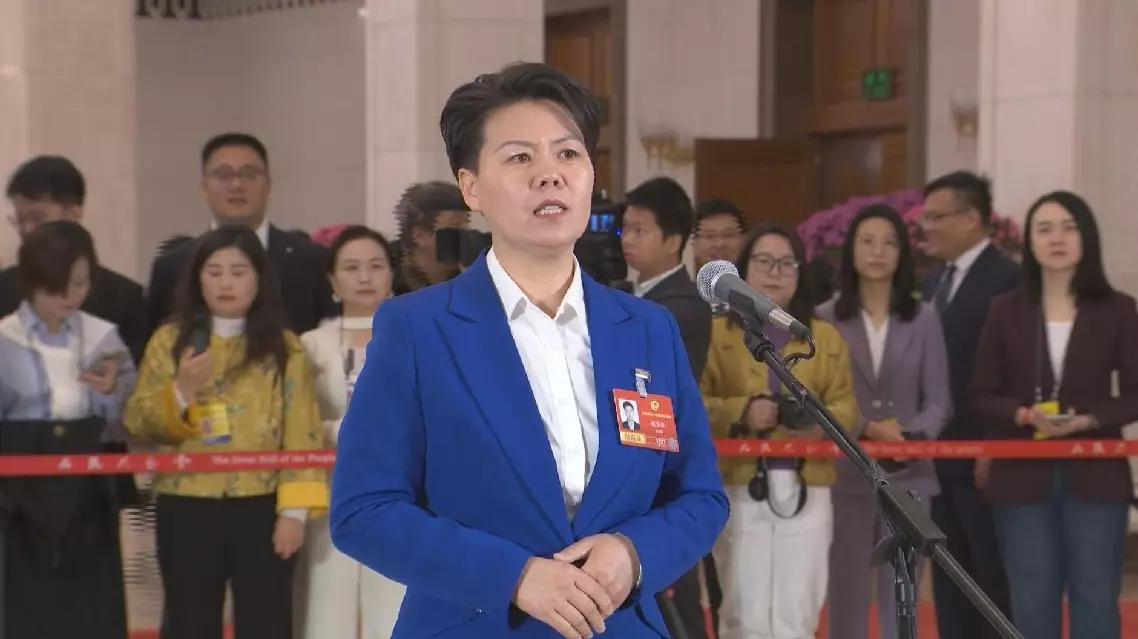
Political advisor shares village's efforts, changes in rural revitalization